




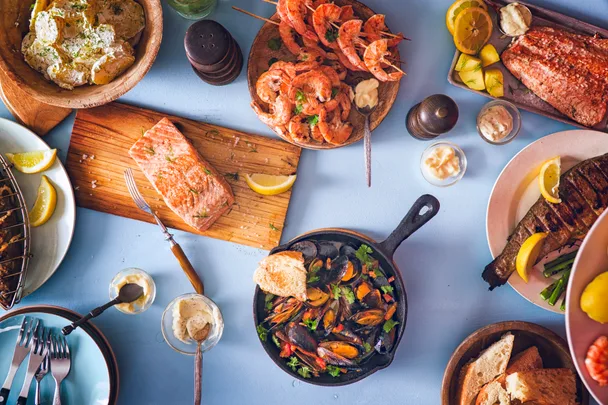
It might sound simple, but adding just two serves of seafood to your week could make a big difference to your health.
New research has found this simple change could significantly reduce your risk of some of the biggest health issues facing Australians, including heart disease and dementia.
The findings come from a major review of seafood and human health over the past decade, analysing more than 250 studies from around the world. Eating two serves a week has been linked to a 30 per cent lower risk of cardiovascular disease and Alzheimer’s , as well as 10 per cent lower risk of dementia.
Nutrition scientist and dietitian Dr Joanna McMillan says it’s a change most Australians can easily make.
“We’re not talking about a complicated diet or expensive supplements – just a small, consistent habit that can support your long-term health,” she says.
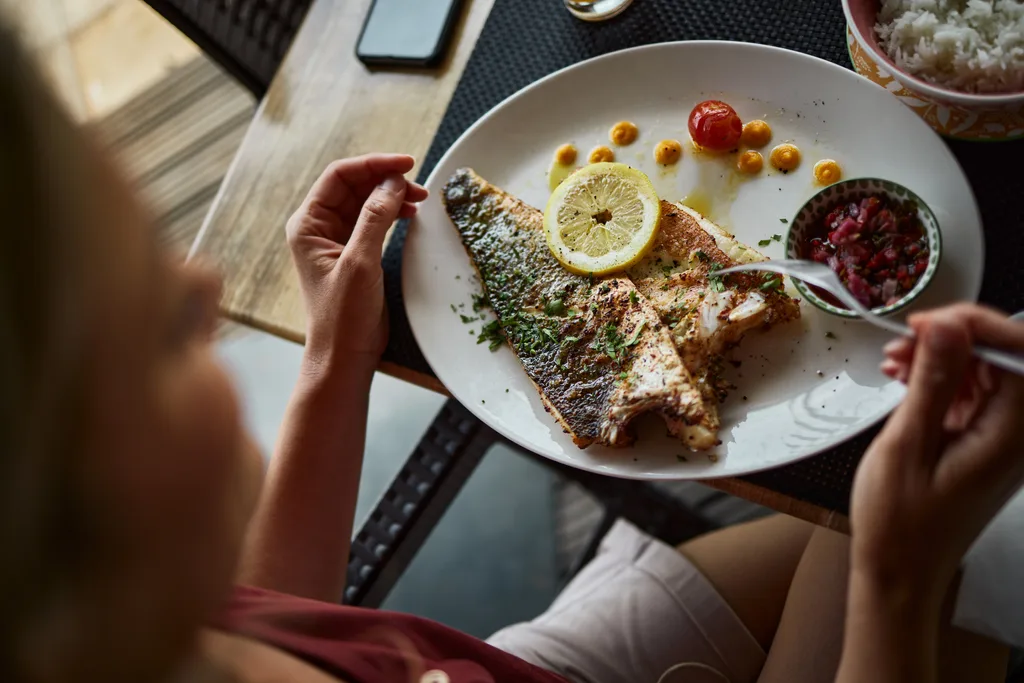
She recommends aiming for at least one serve of oily fish – such as salmon, sardines or mackerel – which are especially rich in omega-3 fatty acids.
Why seafood is so good for you
Omega-3 fats, found naturally in fish and shellfish, help reduce inflammation, support healthy blood vessels, and maintain brain structure and function.
“The studies show eating two serves of seafood a week (one high in omega-3s), as part of a healthy diet, can provide significant health benefits across our entire lifespan, from preconception and at every stage in our lives,” lead researcher Dr Wendy Hunt from Murdoch University said.
There’s also growing evidence that regular seafood intake may support mental health, with some studies linking it to a lower risk of depression.
For older adults, it can help protect against muscle loss and frailty. And during pregnancy, these nutrients are essential for a baby’s brain development.
Easy ways to eat more seafood
If you’re not eating seafood regularly, it doesn’t have to be complicated or expensive.
A single serve is around 100-150 grams, and both fresh and frozen options count.



“It’s about finding simple ways to include it in your routine that work for you,” Dr McMillan says.
Here are some easy ways to add more seafood to your diet:
- Swap one lunch and one dinner a week for a seafood-based meal
- Keep frozen fish or prawns on hand for quick, midweek cooking
- Add tinned tuna or salmon to salads, pastas or sandwiches
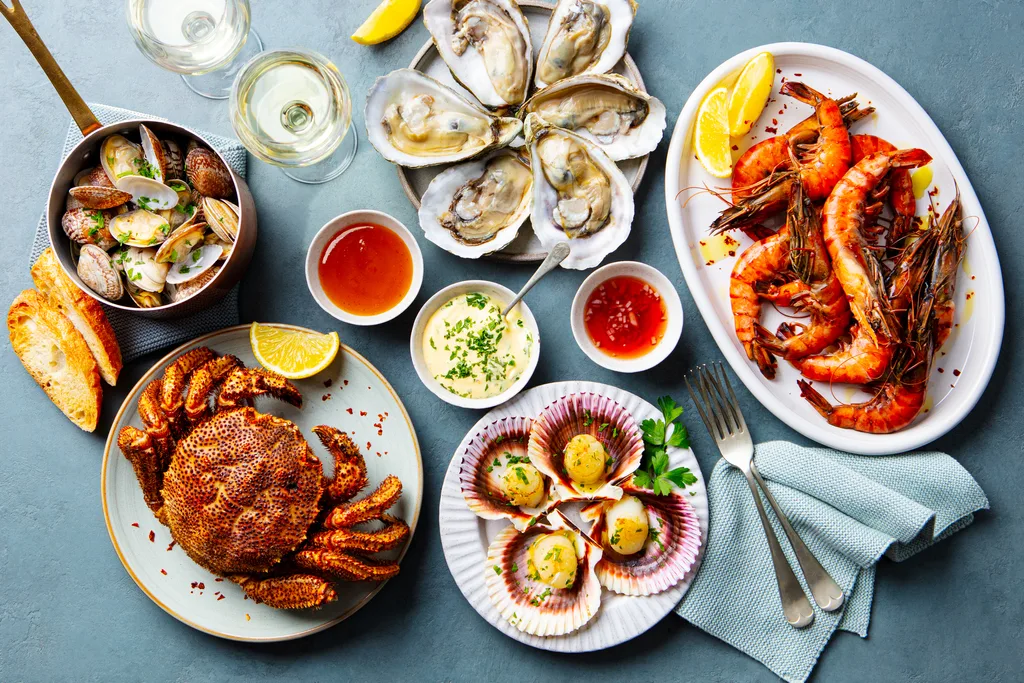
- Mix things up with seafood options like mussels or prawns


Share this post