




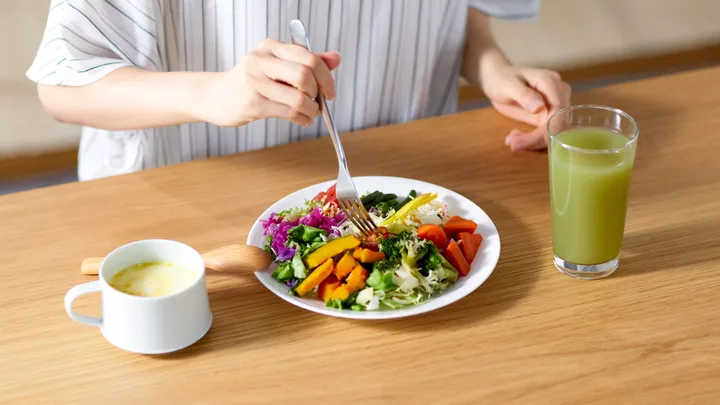
When we set out to lose weight, the first thing most of us do is cut calories. The cupboards are cleared of our favourite snacks. The ice-cream is turfed out lest we’re tempted after dinner. The salmon is ordered at the pub instead of the schnitzel. But what if we had our approach the wrong way around? What if, instead of taking things off our plates, we added things to them?
That’s the approach dietitian and chief executive of FOODiQ Global, Dr Flávia Fayet-Moore, recommends. “The problem is, if the outcome that we’re looking at as a measure of success is weight, then we’re seriously missing the point,” she says. “With improved nutrition, you can see effects on your energy, mood and sleep within days or even hours – whereas weight is just one number, and not the sole measure of health.”
The problem with diet culture
Diet culture has conditioned us to believe that thinness equates to health, and that the only way to achieve it is through restriction. It’s the reason so many women can rattle off the calorie counts of common foods, why carbs are seen as villains, and why we feel “good” when we’re hungry, as if discipline was the ultimate badge of honour.
Dr Fayet-Moore says this thinking overlooks the body’s nutrient needs. “When women restrict, they’re often cutting out foods that are rich in nutrients our bodies need for mental health, energy, immunity and digestion. There’s not a single system in the body that’s not affected by nutrition.”
Research supports this. A study in BMJ Nutrition, Prevention & Health found that chronic calorie restriction was linked to increased symptoms of depression, while a meta-analysis in The Journal of Clinical Endocrinology & Metabolism found that repeated dieting can disrupt hormones, slow metabolism and increase the risk of type 2 diabetes.

Think more, not less
The idea behind “adding in” rather than “cutting out” is a simple shift in mindset. Rather than removing entire food groups or limiting portion sizes, this approach encourages us to focus on what we can add to make meals more nutritious and satisfying.
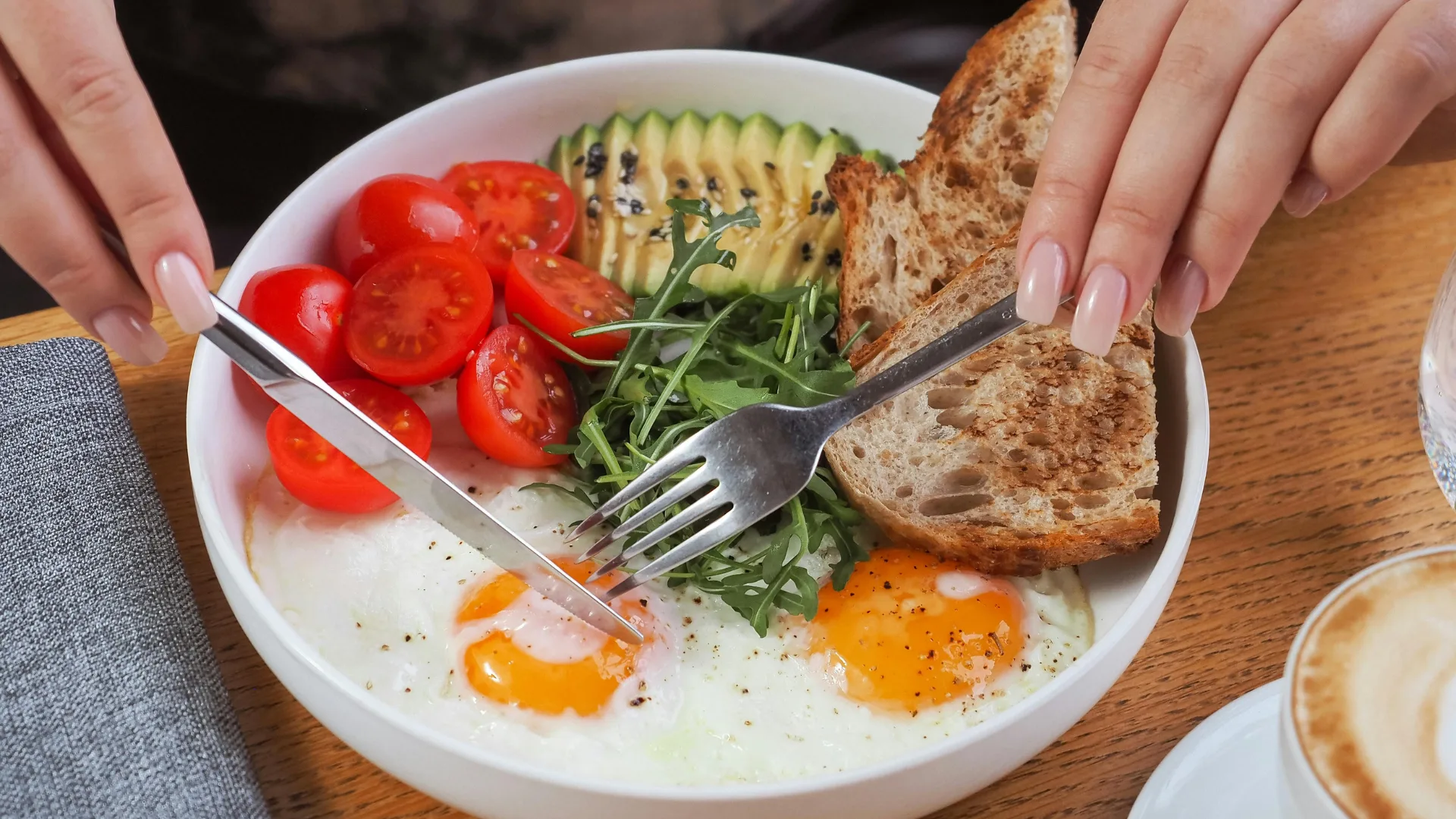
Instead of skipping breakfast, build a plate with wholegrain toast, avocado, eggs and baby spinach. Craving pasta? Load it up with sautéed vegetables and a protein like beef or lentils.
“When you focus on nourishment, you’re less likely to raid the fridge at 3pm,” Dr Fayet-Moore explains. “You can’t meet your nutritional targets if you’re constantly cutting back – and long-term, that can leave you looking healthy on the outside but with deficiencies on the inside.”
The power of produce
One of the simplest – and most impactful – additions to our diets is increasing the amount of fruit and vegetables we eat. Current guidelines recommend five serves of vegetables and two serves of fruit a day, but most of us are falling short. Try adding a handful of leafy greens to your eggs, grating zucchini into pasta sauce, or topping yoghurt with berries.
Dr Fayet-Moore says variety is key. “We looked at national data and found 22 micronutrients Australians aren’t getting enough of. Six were especially important for disease prevention – calcium, magnesium, vitamin D, folate, omega-3s and fibre. Eating a variety of produce is one of the easiest ways to close those gaps.”
Don’t fear carbs
Carbohydrates have been demonised for decades, but they are essential for energy, brain function and hormone balance.
“The problem is that carbs are also one of our best sources of fibre – another nutrient most Australians don’t get enough of,” says Dr Fayet-Moore. “And fibre has direct links to mental health, gut health and disease prevention.”


Choose quality sources like wholegrains, oats, barley, quinoa and even potatoes with the skin on. Bread and breakfast cereals, she adds, “are often cut first, but they can be a versatile and affordable way to boost fibre – just choose higher-fibre, wholegrain options.”
Protein please
Many of us aren’t getting enough protein, especially at breakfast and lunch, which can lead to energy dips and cravings.
“Aim for a palm-sized serve at each meal,” says Dr Fayet-Moore. “That could be Greek yoghurt, eggs, beans, tofu, lean meat or seafood. Protein helps keep you full and supports muscle recovery.”
Rethink snack time
Snacks are often where diet culture gets loudest. We try to avoid them or choose low-calorie versions, only to end up overeating later.
“Treat snacks like mini-meals,” says Dr Fayet-Moore. “Plan them the way you would breakfast or lunch, with protein, fibre and healthy fats. A handful of nuts with dried fruit, wholegrain crackers with hummus, or yoghurt with fruit will keep you going far longer than a ‘snack-food’ bar.”
She points out that, for some, snacking is a biological need. “There’s even a genetic variation linked to snacking frequency – so if you’re hungry between meals, it’s not a willpower failure. It’s about making that snack work for you.”
Mind over meal plan
Ultimately, the goal of eating well isn’t to hit a certain weight, but to feel good in your body. That means steady energy, good digestion, clear thinking and a stable mood.
Dr Fayet-Moore urges us to think long-term. “Nutrition is like servicing a car. You might not see the wear and tear straightaway, but if you don’t look after it, it will eventually break down. You can’t just fill up with petrol and ignore the oil and water – your body needs the full range of nutrients to run well.”
Smart additions
Stuck on where to start? Try adding these to your plate:
- A handful of leafy greens in your morning smoothie or omelette.
- An extra cup of veg at lunch and dinner: roasted, raw or stir-fried.
- A piece of fruit with some nuts and Greek yoghurt.
- A serve of wholegrains like oats, quinoa or brown rice.
- A source of protein at every meal (eggs, tofu, legumes, lean meat or fish).

