




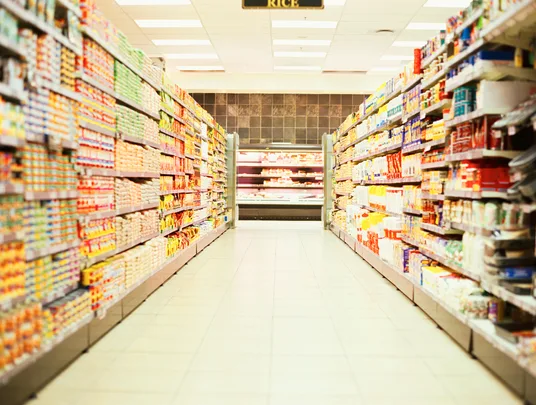
Spend time in a major supermarket and you’ll find an overwhelming choice of pre-prepared foods – many of them complete meals that you simply heat in the microwave. Then there are the breakfast cereals, soft drinks, chips, lollies, biscuits, cakes and sliced bread that bear little resemblance to their original ingredients.
They’re ultra-processed foods, and it’s estimated that up to 42 per cent of our daily diet has been overtaken by these foods. “Ultra-processed foods are convenient, cheaper and designed to taste appealing thanks to their high fat, salt and sugar content – it’s no surprise that they’re a tempting choice for people who are busy and looking for an easy option,” says Professor Jason Kovacic, cardiologist and CEO of the Victor Chang Cardiac Research Institution.
However, the “easy option” may be putting convenience over our health. “Because not only are these foods higher in saturated fat, sugar and sodium, they squeeze out nutrient-rich options like fruits, vegetables, legumes, wholegrains, lean proteins and heart-healthy fats – all of which are known to be better for our cardiovascular health,” says Professor Kovacic.
Where did it all begin?
Ultra-processed foods emerged during the late 1880s with the invention of Coca-Cola. During the World Wars, scientists then began transforming foods into products that lasted longer and were easier to prepare. Soldiers on the front line and families living on rations during wartime began eating foods like powdered cheese, dehydrated packet potato and canned meats.
Post-war, preservation techniques and ingredients to boost a food’s flavour and appearance flourished. From the 1980s, ingredients like high fructose corn syrup, vegetable oil and modified starch fuelled the ultra-processed food market. “A food is regarded as ultra-processed when it’s an industrial formulation,” explains Dr Evangeline Mantzioris, Program Director of the Nutrition & Food Science Degree at the University of South Australia and spokesperson for Dietitians Australia.
“They include lots of ingredients, and the original food has been deconstructed and brought back together using ingredients and techniques that you couldn’t find or use at home.
“For example, some potato chip brands reduce the potato to a powder, then reformulate it to make a certain shape, with artificial flavours added. That’s an ultra-processed food.”
Processed versus ultra-processed
Not all processed foods are bad and there’s a difference between processed and ultra-processed. The NOVA food classification system describes “processed” foods as having been modified in some way – such as heated, canned or salted – but still having nutritional value. For example, frozen or canned vegetables, plain yoghurt, canned fish and wholegrain bread.
However, ultra-processed foods usually contain unhealthy ingredients and disrupt the “food matrix”, says Dr Mantzioris. “We go from eating wholegrain products to white flours, white sugar and minimal fibre, which are usually high in added sugar, and high in salt and saturated fats. They’re low-, or no-nutrient foods,” she says.
Speeding up the body’s ageing process
Researchers at Monash University in Melbourne studied 16,055 people aged 20 to 79 and found too much ultra-processed food sped up biological ageing – where the body ages faster than its chronological age.
“Our predictions show that for every 10 per cent increase in ultra-processed food consumption, there is nearly a two per cent increased risk of mortality and 0.5 per cent risk of an incident of chronic disease over two years,” says Dr Barbara Cardoso, from Monash University’s Department of Nutrition, Dietetics and Food.
Biological ageing is associated with a higher risk of mortality and disease because cells age at a faster pace and this makes them prone to disease.



Every 10 per cent increase in ultra-processed food was linked to a 2.4 month gap between a person’s biological and chronological age. “In a diet of 2000 calories per day, adding an extra 200 calories of ultra-processed food – the equivalent of a small chocolate bar – could lead to the biological ageing process advancing by more than two months,” explains Dr Cardoso.



Taking a toll on heart and mental health
A 2024 study of almost 10 million people found eating large amounts of ultra-processed foods was associated with a 50 per cent increased risk of cardiovascular disease-related death, and 32 other adverse health outcomes.
“Research also suggests ultra-processed foods may disrupt the gut microbiome and weaken the intestinal barrier, potentially allowing harmful microbial products to enter the bloodstream and trigger chronic, low-grade inflammation,” says Professor Kovacic.
Nikita Muller, Heart Foundation Senior Food and Nutrition Advisor, agrees that ultra-processed foods can take a heavy toll on heart health.
“High sodium, high fat and high sugar foods are more likely to increase the risk of weight gain, high blood pressure and type 2 diabetes, and all these increase your risk of heart disease,” she adds.
A Deakin University study also found Australians aged 70+ who eat four servings of ultra-processed foods a day increase their risk of depression.
“This research is further evidence that reducing ultra-processed food in our diet will contribute to better mental health and quality of life,” reported Associate Professor Mohammadreza Mohebbi, from the Faculty of Health at Deakin University.
Simple and healthier swaps
“You don’t need to cut out ultra-processed foods altogether,” says Professor Kovacic. “Instead, focus on improving your overall diet quality. A heart healthy diet – such as the Mediterranean-style diet – emphasises a variety of fruits, vegetables, wholegrains and healthy unsaturated fats from foods like oily fish, nuts and olive oil.”
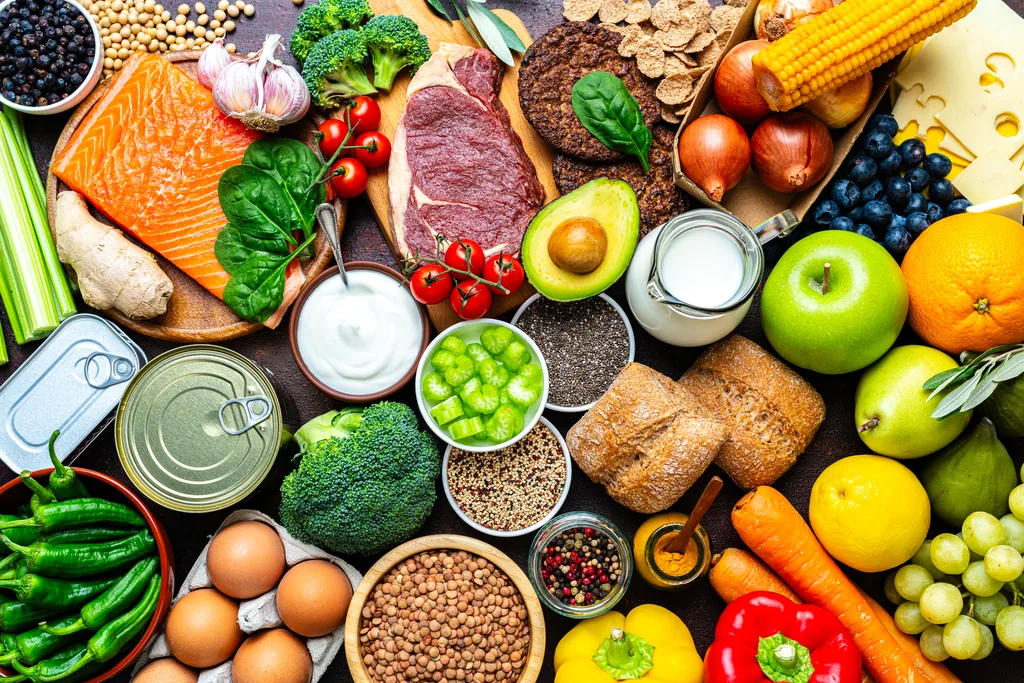
Focus on what you can add to your diet, rather than on what you need to remove, and add more plant-based foods such as fruits, vegetables, legumes, wholegrains, nuts and seeds.
When choosing between processed foods, compare the nutrition panels and choose options that are higher in fibre and healthy unsaturated fats, and lower in sodium, added sugar and saturated fat. As a rule of thumb, labels that contain more than five ingredients are generally considered ultra-processed foods.
“A fruit-flavoured yoghurt is technically an ultra-processed food, but it’s not as bad for you as a doughnut,” says Dr Mantzioris.
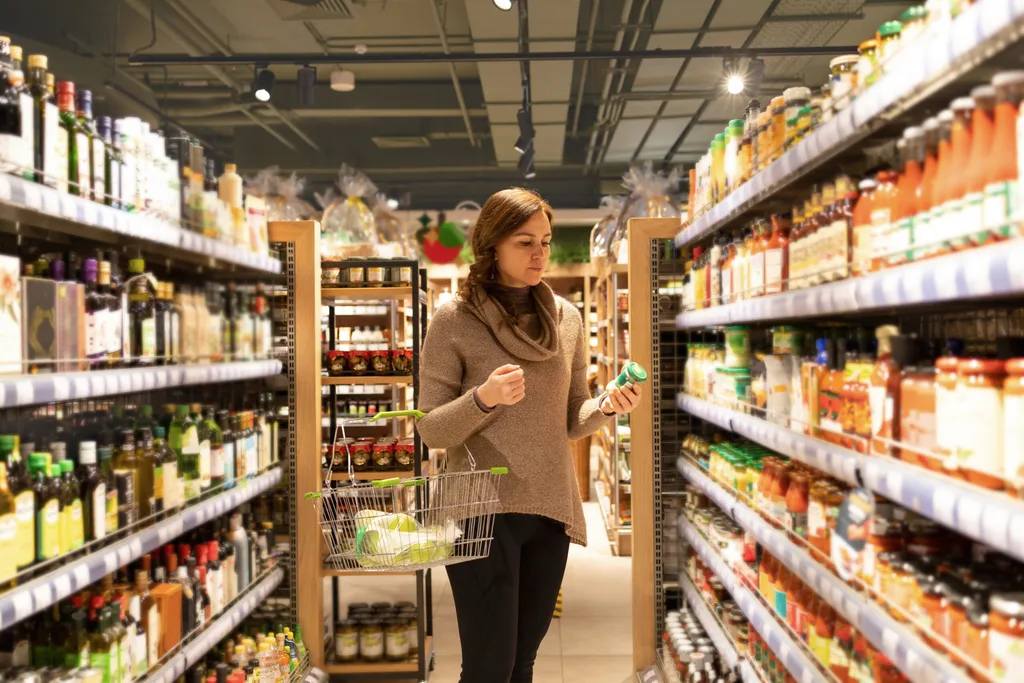
Make homemade cakes, biscuits and muffins instead of eating shop-bought versions that contain a longer list of ingredients and additives. Also, at the supermarket, stick to the outer aisles because ultra-processed foods usually sit in middle aisles.
“When choosing foods, ask yourself if it is something barely recognisable from the original ingredients,” says Dr Mantzioris.
“If it’s something you could make yourself at home, or that your grandmother or great-grandmother would recognise, then it’s probably going to be better for you.”
The article originally appeared in the March 2026 issue of The Australian Women’s Weekly. Subscribe so you never miss an issue.

