




If you’ve ever felt like your health concerns weren’t taken as seriously as they should be, new Australian research suggests you’re not imagining it.
A major study has found health issues affecting women and girls in Australia are often overlooked, underfunded and misunderstood.
Published by Monash University in partnership with The Sisterhood Foundation, the research surveyed more than 2,200 women and girls and included interview with health practitioners, policymakers and academics.
What the study found
One of the clearest themes to emerge was that women’s health is too often viewed through a narrow lens.
Researchers say the conversations around women’s health tend to focus heavily on reproductive health, when it needs to move “beyond the bikini line” and look at women’s health more broadly, including conditions that affect women differently or disproportionately compared to men.
Lead author Dr Sara Holton said many health issues affecting women remain poorly recognised or understood.
“This ‘silence’ has resulted in discrepancies and adverse consequences for women’s and girls’ equitable access to health care, outcomes and research participation,” she said.



What women say matters most
When asked about the issues that concern them most, women pointed to violence as their biggest worry, with 57.6 per cent identifying it as a key issue.
About 40 per cent said they need more information about mental health conditions.
The survey respondents also pointed to several areas they believe require greater funding and support, including endometriosis, menopause, depression and homelessness.
Why women’s health is still underfunded
The research found a significant funding gap.
Of the more than $3.5 billion allocated to Australian research funding, only 3.3 per cent went towards women’s health research. And more than half of that funding was directed towards conditions that only affect women.

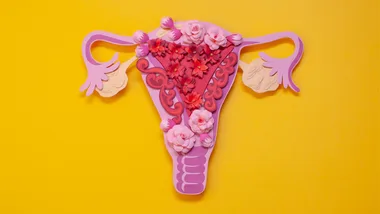

Researchers say this focus can mean other conditions that impact women, like cardiovascular diseases and chronic kidney disease, receive far less attention.

Why the women’s health gap exists
The report also points to a long-standing issue in medical research.
Historically, health research has been based on data collected predominantly from men, with findings then applied to both sexes.
Co-lead author Professor Helen Skouteris said this “one-size-fits-all” approach can overlook women’s unique health needs.
The study also found women are more likely than men to have their symptoms dismissed, be diagnosed later and receive less appropriate care.
Katie McLeish, CEO of The Sisterhood Foundation, said the findings reflect what many women experience.
“Many women and girls feel unheard or dismissed when it comes to their health issues,” she said.
“They are calling for greater attention and support for issues that only, differently, or disproportionately affect them.”

