




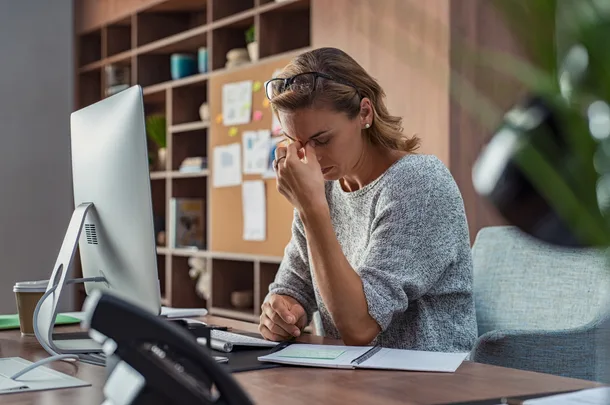
Feeling stressed at work isn’t new. But for many women, it no longer stops when the workday does.
New data from Associated Counsellors and Psychologists Sydney suggests work stress in women has reached a tipping point, overtaking men for the first time in more than a decade of tracking.
The analysis, which looked at more than 36,000 Sydney-based clients and nearly 140,000 appointments between 2011 and 2025, offers a snapshot of the mental health challenges women are facing right now.
Anxiety still the number one issue
Although work-related pressure has increased, anxiety remains the most common reason women seek support, affecting around one in four female clients.
It’s followed by relationship issues, depression, work stress and general stress.
National figures paint a similar picture. According to headspace, 53 per cent of young Australian women report high or very high psychological distress, with women aged 18 to 29 recording the steepest increase in mentally unhealthy days of any demographic between 2018 and 2024.

Work stress hit all-time high
For the first time, work stress in women has overtaken men, affecting 12.2 per cent of female clients in 2025 compared to 8.6 per cent of men.
“The modern working week doesn’t have an edge anymore, and women are feeling it hardest,” Dan Auerbach, Clinical Director of Associated Counsellors and Psychologists Sydney, tells The Weekly.
“The phone doesn’t stop, the laptop stays open, and the old recovery time between work and home just isn’t there.”
According to Auerbach, it doesn’t always show up as a crisis.
“It’s rarely a breakdown. It’s a low hum of tension that never quite switches off,” he says.
Think disrupted sleep, feeling constantly behind, snapping more easily at home.
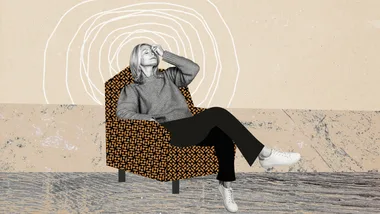


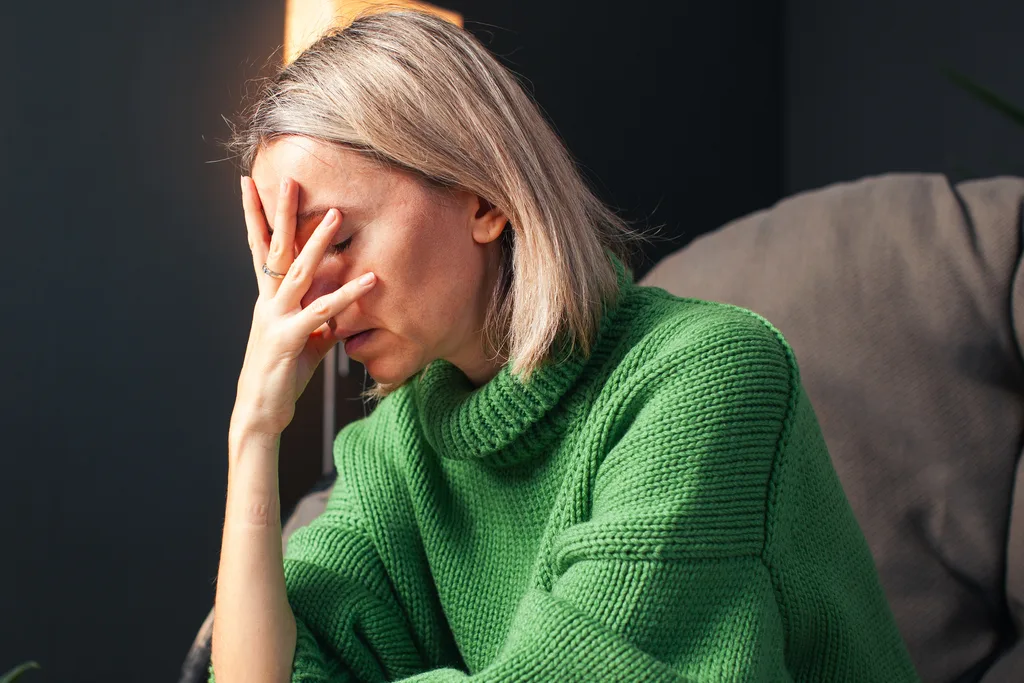
“A lot of women can’t remember the last time they properly switched off,” he says.
For most women, work stress doesn’t exist in isolation.
“Women are still carrying more at home than their partners, and a workday with no off-switch lands on top of that load.”
Burnout now looks different
Burnout is rising too, increasing 11-fold since 2011 – but the way it’s experienced has changed.
Where it once felt tied to a particularly intense period, it’s now becoming more constant.
“Burnout used to have a finish line. It doesn’t anymore,” Auerbach explains.
“It used to be tied to a specific project or stretch of the year… now we’re hearing from women who can’t point to when it started or when it ends.”
Alcohol is becoming a coping tool
The data also points to an increase in women seeking support for alcohol use since 2019.
Auerbach says it’s often linked to the same pressures.
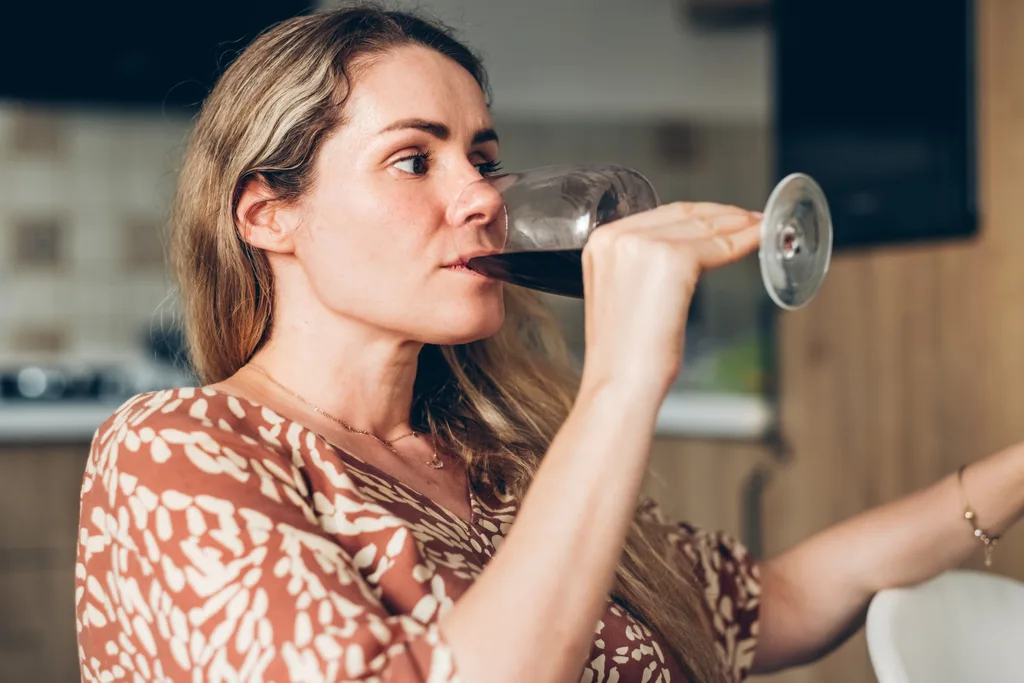
“Alcohol has quietly become one of the easiest ways for women to turn the volume down,” he says.
“It’s in the fridge, it’s socially acceptable, and it works fast.”
What’s concerning, he adds, is how normalised it has become and how much women feel uneasy about it.
So when is it time to get help?
With stress, anxiety and burnout often building gradually, it can be hard to know when it’s crossed a line.
Auerbach says a good rule of thumb is “when it starts affecting your life”.
“If sleep, appetite, mood or the way you’re showing up for the people you love has shifted, that’s the signal,” he says. “You might be grappling with insomnia, feeling dread before work or an event, or unable to stop worrying.”
The biggest mistake he sees is waiting until it’s severe.
“Plenty of women arrive apologising that they ‘probably shouldn’t be here yet’. In our experience, earlier is almost always easier. It’s far easier to adjust a pattern than to recover from a collapse.”

