




Every year, as the first new moon of the lunar calendar appears, millions of people around the world prepare to welcome the Lunar New Year. It’s one of the most significant celebrations across Asia and global diaspora communities.
Here’s everything you need to know about the Lunar New Year.
Are Lunar New Year and Chinese New Year the same?
Chinese New Year and Lunar New Year are often used interchangeably, but they are not exactly identical. Both refer to celebrations marking the beginning of a new year based on a lunar or lunisolar calendar. And both are among the most significant cultural festivals in Asia and across global diaspora communities.
These celebrations are observed in multiple cultures, including China, Korea, Vietnam, Singapore and other parts of Asia, each with its own customs and traditions.
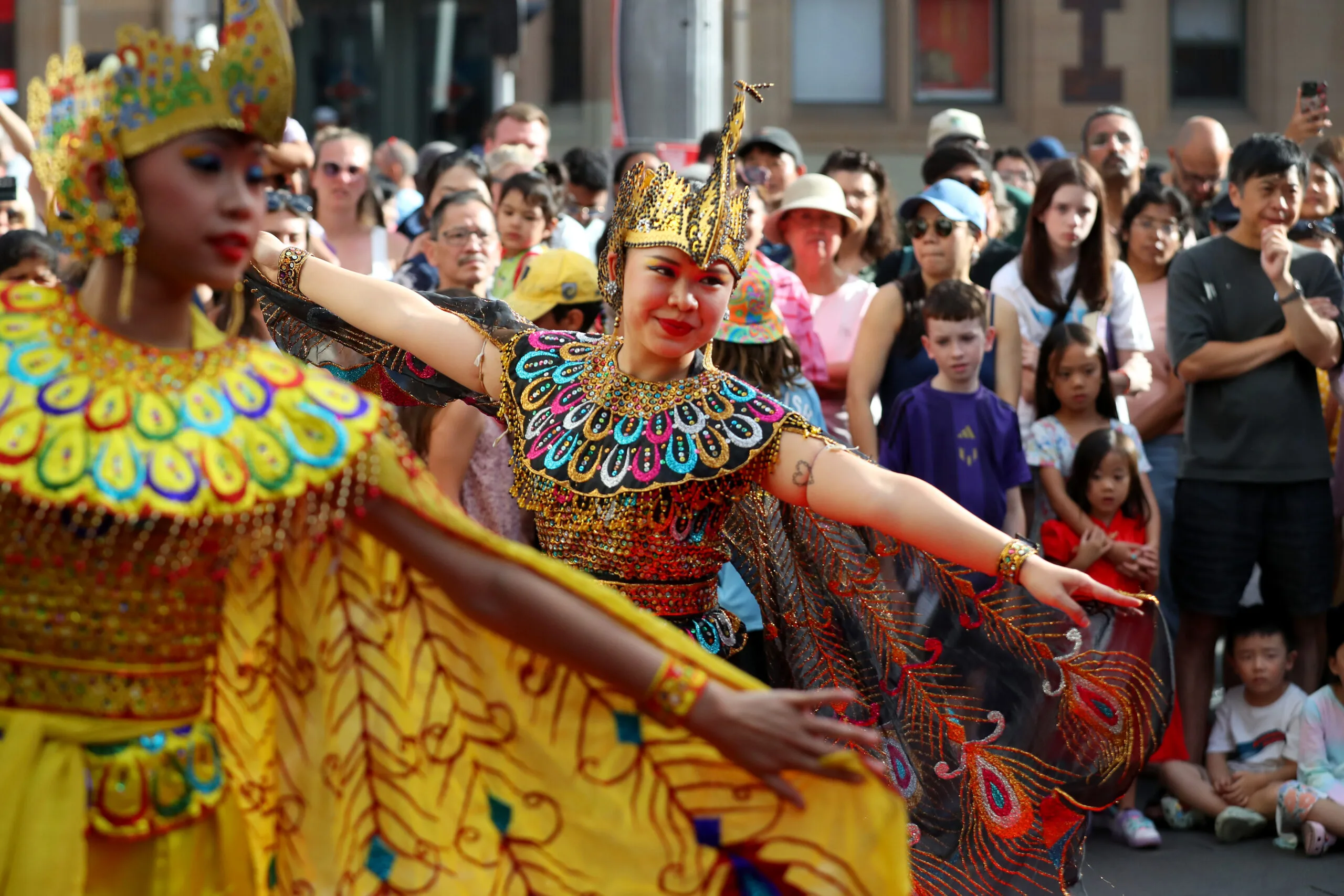
Chinese New Year is China’s version of Lunar New Year and is also known as the Spring Festival. It is one of the most important holidays in Chinese culture. Not only is it celebrated in mainland China, but it’s also celebrated in Chinese communities around the world; including here in Australia!
Celebrations typically last about 15 days, ending with the Lantern Festival on the first full moon of the lunar year.
When is Lunar New Year?
The timing changes annually because it is determined by the lunar cycle. In the Chinese calendar, the festival begins on the new moon that typically falls between late January and mid-February.
In 2026, Lunar New Year falls on 17 February.
What are some common traditions for Lunar New Year?
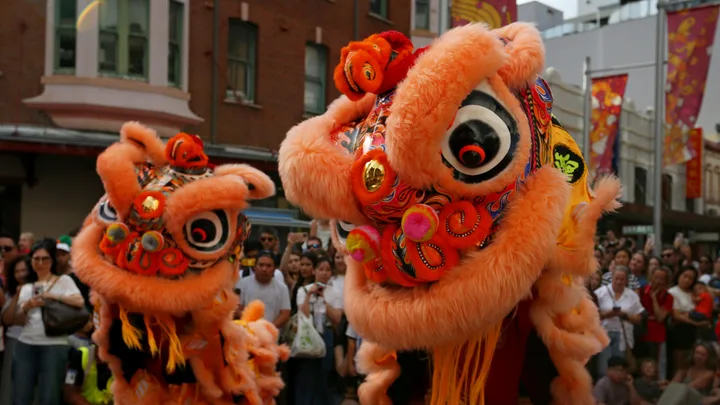
Common traditions for Lunar New Year can include family reunion dinners, giving red envelopes (hongbao) containing money, red decorations symbolising luck and protection, fireworks and lantern displays, and dragon and lion dances.
The colour red is believed to ward off bad luck and attract fortune.
The Chinese Zodiac and Chinese Calendar
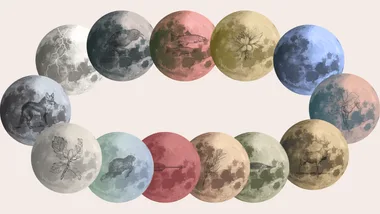
Did you know that there is a separate Zodiac Calendar in Chinese traditions? Instead of a 12-month cycle like Western horoscopes, the Chinese zodiac follows a 12-year cycle.
Each year is represented by an animal, combined with one of five elements (wood, fire, earth, metal or water) to create a 60-year cycle.
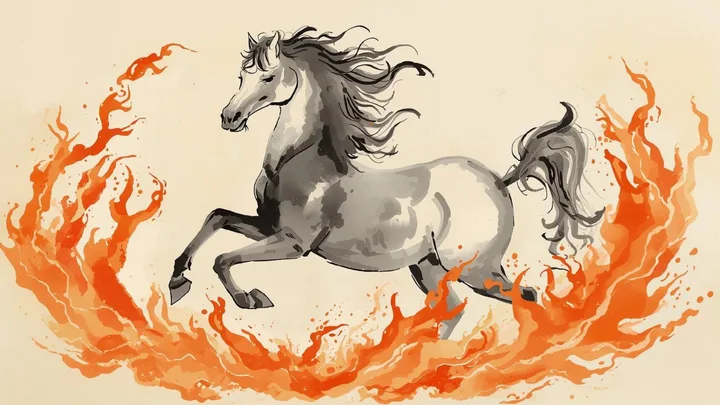
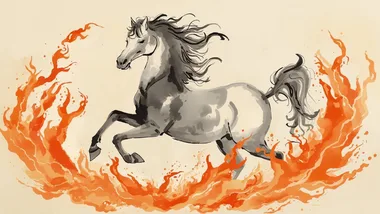
In 2026, we are entering the Year of the Fire Horse. It begins on 17 February and ends in early February 2027. In 2027, it will be the year of the Goat.
The Fire Horse symbolises energy, independence, ambition, and movement. The combination of Horse and Fire only occurs once every 60 years.

