



No, you won’t spot any actual fish in the sky this month. However, you may witness one of the most spiritually rich and culturally charged full moons of the year.
It’s August’s full moon, known as the Sturgeon Full Moon. This month’s moon carries with it centuries of seasonal wisdom, stories of harvest, and — here in Australia — a beautiful synchronicity with some of the most meaningful cultural gatherings on the calendar.
Let’s dive in.
When will the Sturgeon Full Moon happen in Australia?
According to Time and Date, the moon will reach its peak on Friday, 28 August 2026, at 12:18 am AEST.
As always, moonrise and peak illumination times vary by location. So, you’ll want to be sky-gazing from twilight onwards for the most breathtaking views. The moon will appear large, luminous, and glowing with that cool silvery hue unique to winter skies.
It also happens to fall within a time of the year that is rich in cultural significance. More on that shortly.
Why is it called the Sturgeon Full Moon?
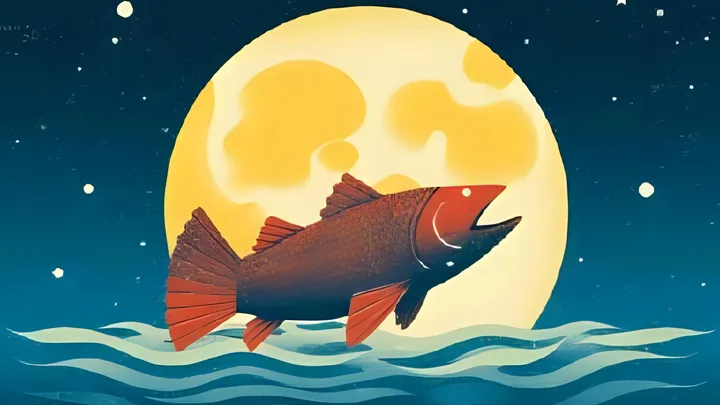
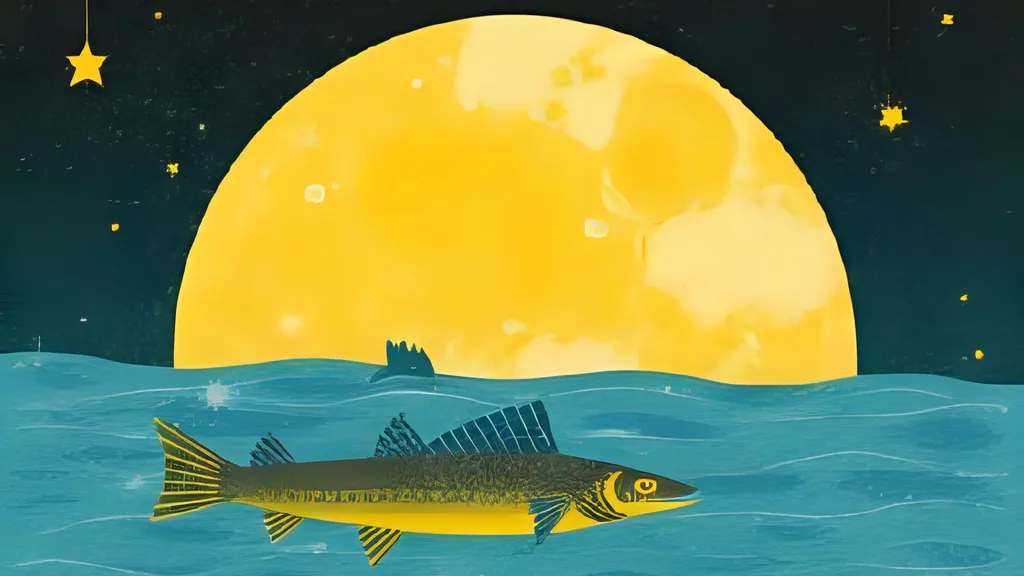
Despite what the name might suggest, this moon isn’t silvery or in the shape of a fish.
The name “Sturgeon Moon” comes from North American Indigenous traditions, especially among Great Lakes tribes like the Algonquin and Ojibwe. August was the time of year when sturgeon — a large, ancient freshwater fish — were most easily caught. Calling it the Sturgeon Full Moon wasn’t just poetic; it was practical as well. It told people it was the prime time for fishing and preparing for winter. It’s a clear example of how traditional stories and folklore passed down vital seasonal knowledge in a memorable, meaningful way.
Other names for this moon include the Green Corn Moon, Grain Moon, and even the Lightning Moon, referring to summer storms and ripening harvests in the northern hemisphere.
What festivals and traditions align with the full moon in August?
Interestingly, even though this full moon’s names originate in North America and the Northern Hemisphere, its timing and energy align beautifully with global celebrations of land, culture, and seasonal change.
Lughnasadh (Lúnasa)
In Celtic traditions, August 1 marks Lughnasadh (pronounced LOO-nah-sah) — the festival of the first harvest, named for the Irish god Lugh, a legendary warrior and master of all skills. It is one of the four major festivals in the ancient Irish calendar, along with Imbolc/Imbolg (start of February), Bealtaine (start of May), and Samhain (start of November).
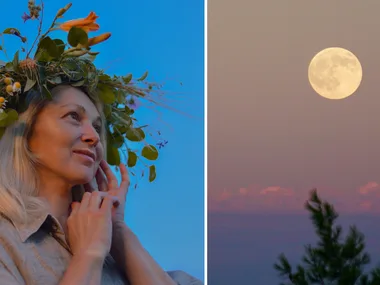
Lughnasadh was traditionally celebrated with feasting, athletic games, music, storytelling, and offerings of grain and fruit. It was a way to honour the land’s abundance and prepare for what was to come (aka winter). It marked the turning point from high summer toward the quieter, darker days of autumn.
While not widely celebrated in Australia, neo-pagan and Druidic communities do observe Lughnasadh here, often adapting the focus toward gratitude, reflection, and the slow unfurling of seasonal change.
Garma Festival
Closer to home, the Sturgeon Moon follows the gathering of the Garma Festival in northeast Arnhem Land — one of Australia’s most significant Indigenous cultural events.
Held on Yolŋu land, Garma is a four-day celebration of art, ceremony, dance, and deep discussion, drawing Indigenous and non-Indigenous Australians together. It honours ancestral songlines and traditions, and like Lughnasadh, it’s deeply rooted in connection to land and community.
Though Garma doesn’t follow the Western lunar calendar, the alignment with this full moon and early August season — a time of movement, dry earth, and renewal in the Yolŋu seasonal cycle — makes the synchronicity all the more powerful.
How to see the Sturgeon Full Moon in Australia?
The good news? You don’t need any special equipment to enjoy the Sturgeon Full Moon — just head outside at night, ideally to a spot with clear horizons and low light pollution (a beach, hill, or open park are great options).
For the most picturesque view, aim to watch it just after moonrise or before moonset, when the moon is low on the horizon.
Can a full moon affect you?
There’s no strong scientific evidence that full moons significantly impact human behaviour. Some older studies suggested slight links to sleep disruption, emergency room visits, or mood changes — but most have been inconclusive
In astrology and many spiritual traditions, the full moon represents a peak in energy — a time of culmination, release, or illumination. July’s Buck Moon, associated with growth and regeneration, may be the perfect time to check in with your goals, shed what’s no longer serving you, and embrace fresh starts.
Across cultures, full moons are tied to rituals, farming calendars, folklore, and festivals (e.g. Lughnasadh, Mid-Autumn Festival). People often respond more to the symbolism than the science — and that, too, can feel powerful.
What does astrology say about August 2026’s Sturgeon Full Moon?
The Sturgeon Full Moon arrives in the sign of Pisces in 2026. According to our astrologist, Lilith Rocha it brings a moment to pause, reflect and reconnect with the more imaginative side of ourselves. Pisces is associated with creativity, intuition and seeing beyond the limitations of the present, making this full moon a chance to consider what inspires us — and whether we’re allowing enough room in our lives for dreams, artistic expression and possibility.
Its influence follows a month of strong lunar activity. The August 13 new moon encourages Cancer to stop holding back and move forward with confidence, while the Leo new moon solar eclipse puts the spotlight firmly on self-expression, pride and stepping into your own brilliance. Then, on August 20, the quarter moon in Scorpio calls for a reality check, encouraging deeper reflection on what is really motivating us.
By the time the full moon arrives, those earlier themes of confidence, self-examination and creative expression come together. For Pisces, it’s an especially significant moment to celebrate their artistic spirit and the people who inspire them to think beyond their current limitations. For the rest of us, the message is equally relevant: sometimes moving forward isn’t about having a perfectly formed plan, but about allowing ourselves to imagine what could be possible.
The deeper message of August’s full moon? Make space for inspiration. Whether it comes through creativity, meaningful relationships or simply giving yourself permission to dream a little bigger, this Pisces full moon invites us to look beyond what is immediately in front of us and reconnect with what moves us.