





New South Wales residents are being encouraged to find out whether they are owed a share of more than $300 million in unclaimed money currently held by Revenue NSW.
The sizeable sum is made up of uncashed cheques, refunds, dividends and other payments that were never received by their intended owners.
In many cases, the government has been unable to locate people. That could be because they moved house, changed their name, lost paperwork, or passed away. Relatives of the deceased may not have realised that funds were owed to their estate.
According to Revenue NSW, metropolitan Sydney accounts for the largest portion of unclaimed funds. The city and eastern suburbs alone hold more than $91 million, followed by western Sydney with around $77 million. In regional areas, residents on the Central Coast and in the Hunter collectively have around $22 million unclaimed.
It’s not just NSW locals who could be eligible. People living interstate who have previously lived, worked or done business in NSW may also be entitled to money. There is a further $395 million linked to interstate addresses.

NSW Government Procurement Minister Courtney Houssos said returning unclaimed funds to families is a priority.
Proposed legislative changes would shorten the period businesses can hold onto unclaimed money before transferring it to Revenue NSW — reducing it from six years to two — making it easier for people to access what they are owed sooner.
“Last financial year, Revenue NSW returned more than $21m to its rightful owners. With these new reforms, we’re making it faster and easier for people to get what they’re owed,” Courtney said in a statement.
How do I find out if I’m owed unclaimed money from Revenue NSW?
Checking whether you’re owed money by Revenue NSW is free and only takes a few minutes.
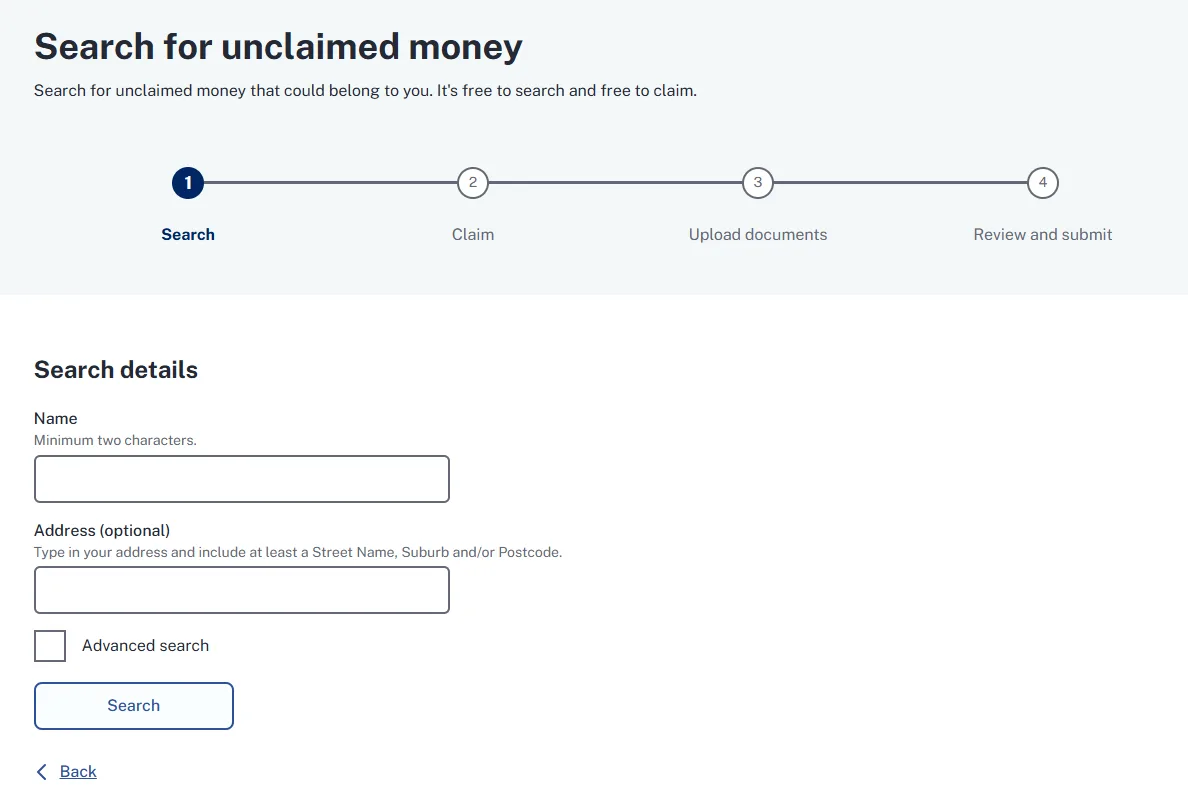
Step 1: Search your name
Visit the Revenue NSW unclaimed money website and search using your full name. You can also check previous names or business names if you’ve changed them over time. Be sure to check whether your middle name or initials are on the list as well.
If you’re handling an estate, it’s worth checking the names of deceased relatives. Many unclaimed funds belong to estates that were never notified.
You can also include your address to whittle down the results. However, that is optional.




Step 2: Review the listing
If your name appears, the listing will show basic details such as the amount owed and the organisation it came from.
Step 3: Lodge a claim online
Submit a claim through the Revenue NSW portal. You’ll need to create an account or log in to complete the process.
Step 4: Provide proof of identity
You’ll be asked to upload two forms of ID, such as a driver’s licence, Medicare card, proof of age card or Australian birth certificate.
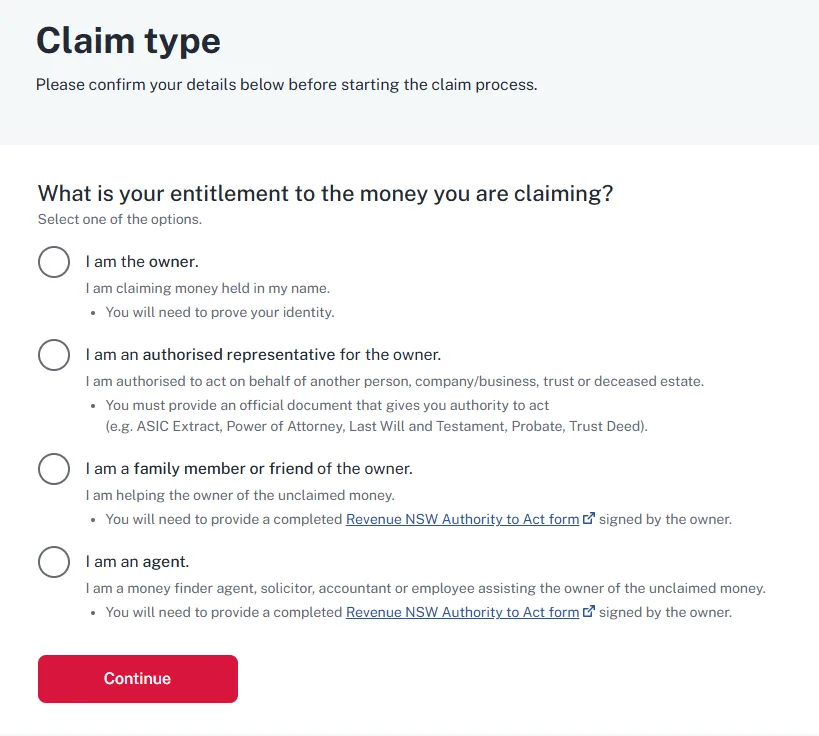
Step 5: Show your connection to the money
You’ll also need one document linking you to the funds, such as a bank statement, utility bill, phone bill or lease agreement.
Step 6: Wait for verification
Revenue NSW advises claims can take up to 28 days to be assessed and approved before any money is paid.

