




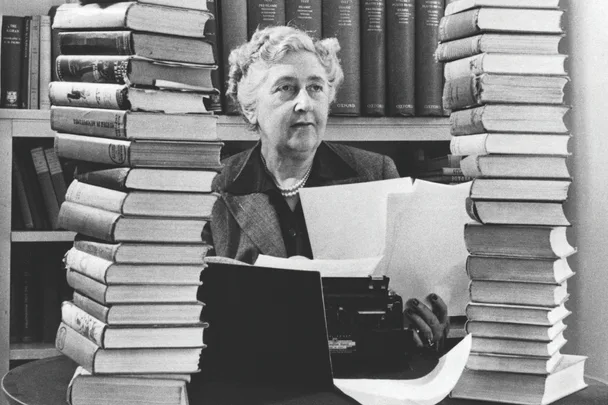
In 1926, crime novellist vanished into thin air for 11 days, sparking a massive police hunt, a flurry of newspaper reports and a slew of wild theories. In the 24th issue of The Australian Women’s Weekly ICONS, Tim Gill investigated what truly happened. Read on…
When did Agatha Christie disappear?
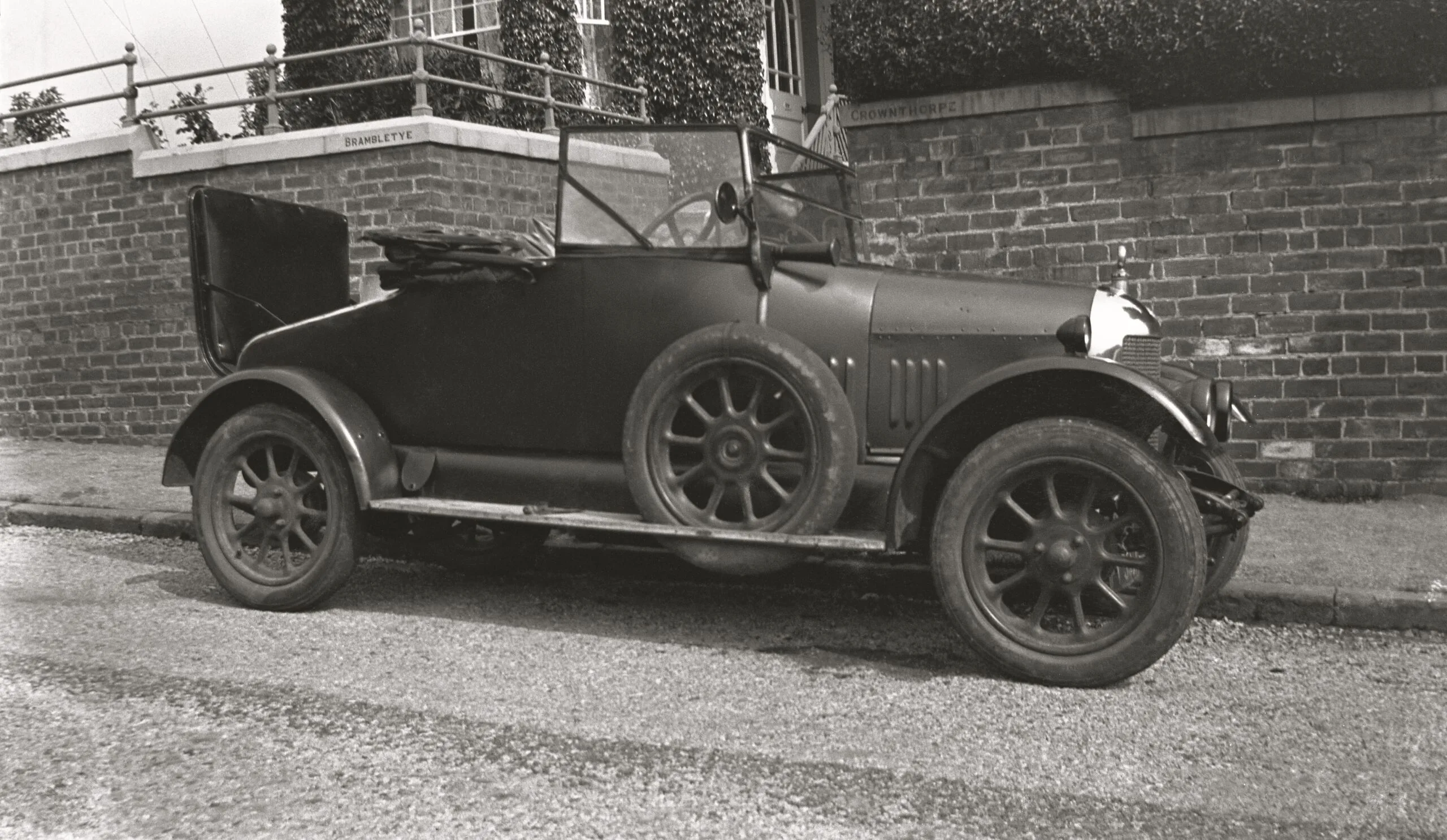
Quite why Agatha Christie was gunning the engine of her grey Morris Cowley Bullnose tourer into life and heading off into the inky night was anyone’s guess.
It was 9.45pm on December 3, 1926, the mercury was plummeting in the pitch-black English countryside around Sunningdale, Berkshire, and the Queen of Crime was fleeing the family home in a moment of – what? – impetuosity? A misjudged, fanciful whim?
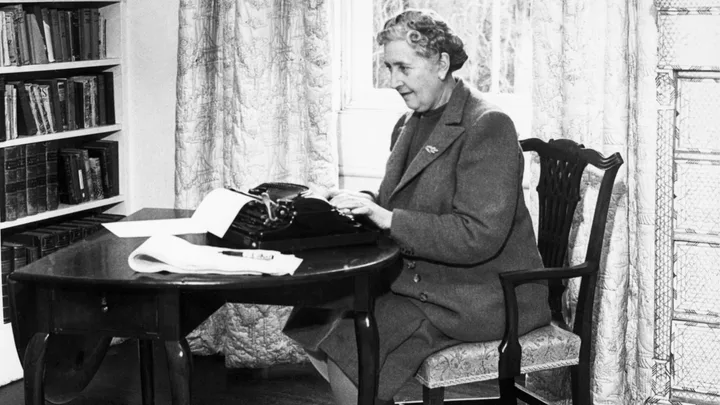
What’s known for sure is that fiction’s mystery maven had endured yet another blazing row with her unfaithful husband Archie that fateful Friday night, stalked off, kissed their daughter Rosalind (Goodnight? Goodbye?) … and then vanished into the ether, not even a word to the maid, sparking one of the biggest police and civilian searches in British history. Archie was also off, to spend the weekend with “friends” and without his wife, but where on earth had she gone?
Within 10 or so hours, her beloved motor was found in something of a distressed state in the undergrowth of Newlands Corner in Guildford, Surrey, by passerby Jack Best, out taking his dog for a morning walk.
The Cowley’s rear wheels were in the air, doors open, lights on and Agatha’s warmer clothes strewn over the back seat. Imbuing the scene with added eeriness was that the car was perched on the very edge of the precipice of a chalk quarry, overlooking the Silent Pool, a “haunted” spring-fed beauty spot the acclaimed author had used as a setting in her novels. Had she drowned herself in anguish?
Stranger thanfiction
A local who’d come across her recalled that “she was sparsely dressed for such an inclement morning, and that she appeared strange in her manner”.
It was all starting to sound very much like a whodunnit plot from one of her novels.
The local police, too, were left scratching their heads: “The car was found in such a position as to indicate that some unusual proceeding had taken place, the car being found halfway down a grassy slope well off the main road with its bonnet buried in some bushes, as if it had got out of control. In the car was found a fur coat, a dressing case containing various articles of ladies wearing apparel, and [an expired] driving licence indicating that the owner was Mrs Agatha Christie of Sunningdale, Berks.”
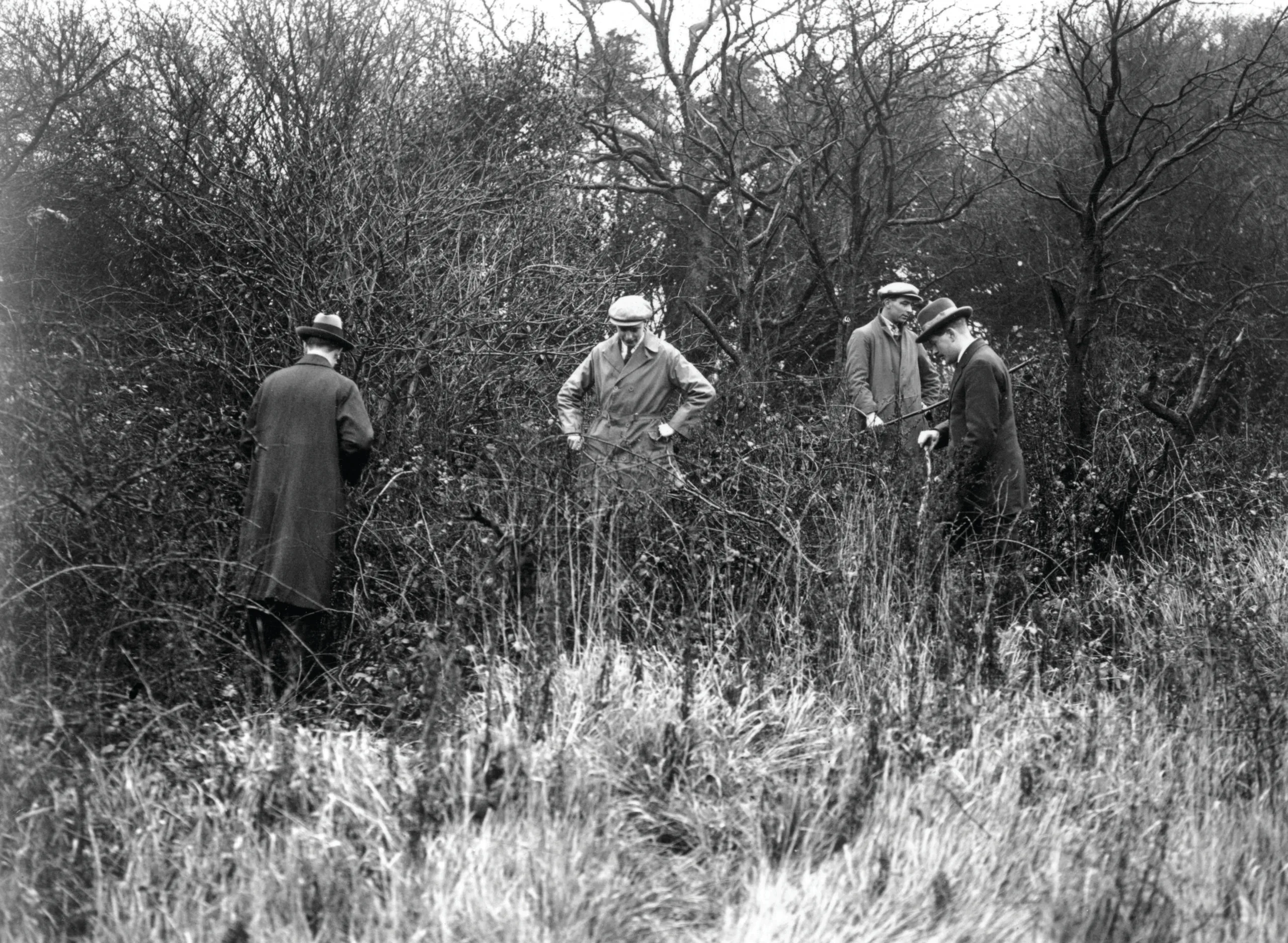
Her ensuing enigmatic absence transfixed Britain and the world for the next 11 days, a modern media sensation for 1926. And while some of the details of just how large-scale and wide the manhunt became are disputed (police numbers and novel use of planes may have been exaggerated), it was a long slog and certainly involved mediums, a great many dogs, rewards, posters, other celebrities, and breathlessly captured the public’s fevered imagination. How and why had popular, successful author Agatha Christie simply disappeared into thin air?


Who is Agatha Christie?
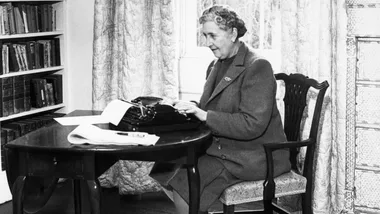
At the heart of her vanishing act was surely the dichotomy between her professional and personal life.
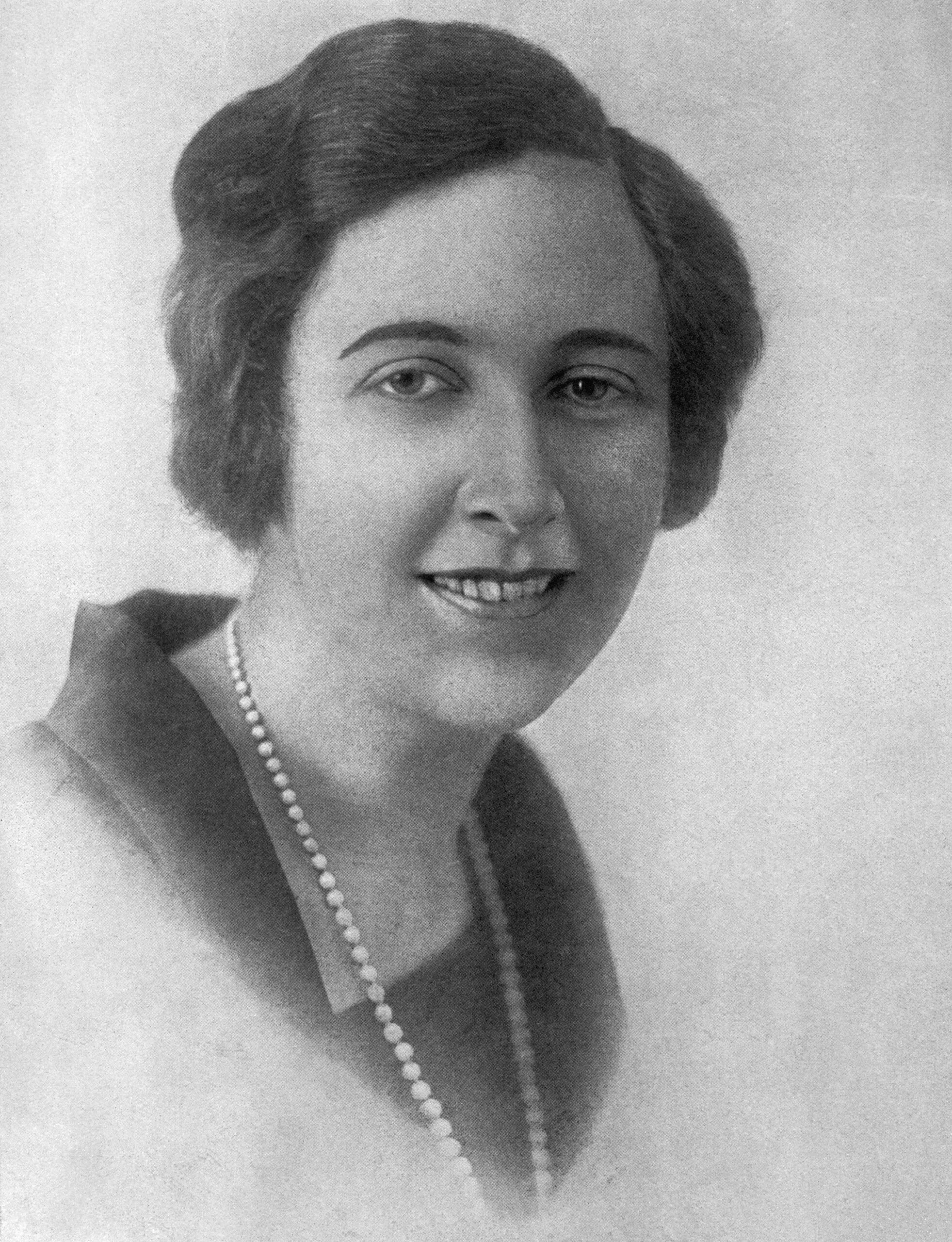
Agatha Mary Clarissa Miller was born into a bohemian world of books in coastal Torquay on September 15, 1890. Her Irish mother Clara had been left an endowment by a great aunt that allowed the purchase of a villa there.
Agatha fondly remembered her tender years and was almost exclusively home-schooled. “One of the luckiest things that can happen to you, I think, is to have a happy childhood,” she said.
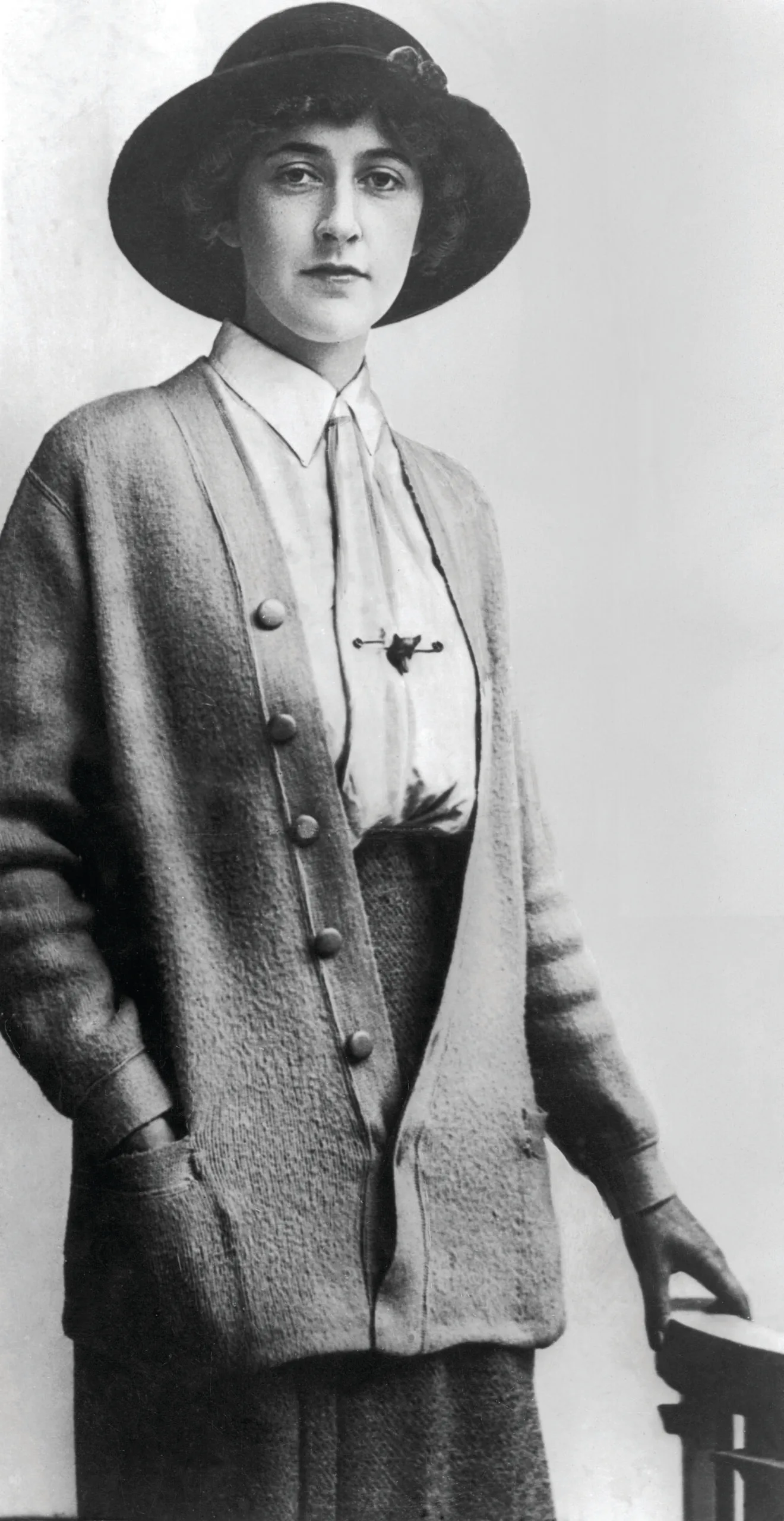
“Forbidden” to read until she was eight, ardent curiosity had her masterfully thumbing books by the age of four. It was a love that never left her, even when her first half-a-dozen fiction attempts were rejected by publishers. She’d written her first poem by 10; a year later her childhood effectively ended with the death of her father. A restless spirit who didn’t conform when she attempted more formal schooling, her teens were spent flirting with the idea of pursuing music or acting. Yet when she returned from stints in Paris and Cairo to find Clara now ailing, Agatha decided to knuckle down to professional writing.
Setting the scene
Good, bad and interesting things are said to arrive in threes. Agatha’s privileged background delivered Eden Phillpotts, a scribe and family friend who advised her on literary matters; dashing war hero Archie Christie, who rescued her from her messy early romances; and moustachioed Belgian detective Hercule Poirot who enlivened her first success, The Mysterious Affair at Styles, finally published in 1920, four years after it was conceived.
“Christie came my way quite soon in the dance. He was a tall, fair young man, with crisp, curly hair, a rather interesting nose, turned up, not down, and a great air of careless confidence about him. He was introduced to me, asked for a couple of dances, and said that his friend Griffiths had told him to look out for me. We got on together very well; he danced splendidly and I danced again several more times with him. I enjoyed the evening thoroughly,” Agatha wrote.
Archie was a ladies’ man and his 1914 marriage to the well-heeled, up-and-coming author didn’t proclude that. The Christies had a daughter, Rosalind, born towards the end of the First World War.
Taking up a business offer after the end of hostilities, the decorated ex-artillery officer and pilot embarked on an affair with his (very) private secretary, young Nancy Neele. The success of the novel meant the Christies could afford to buy the stately pile in Sunningdale, even naming it “Styles” for the book.
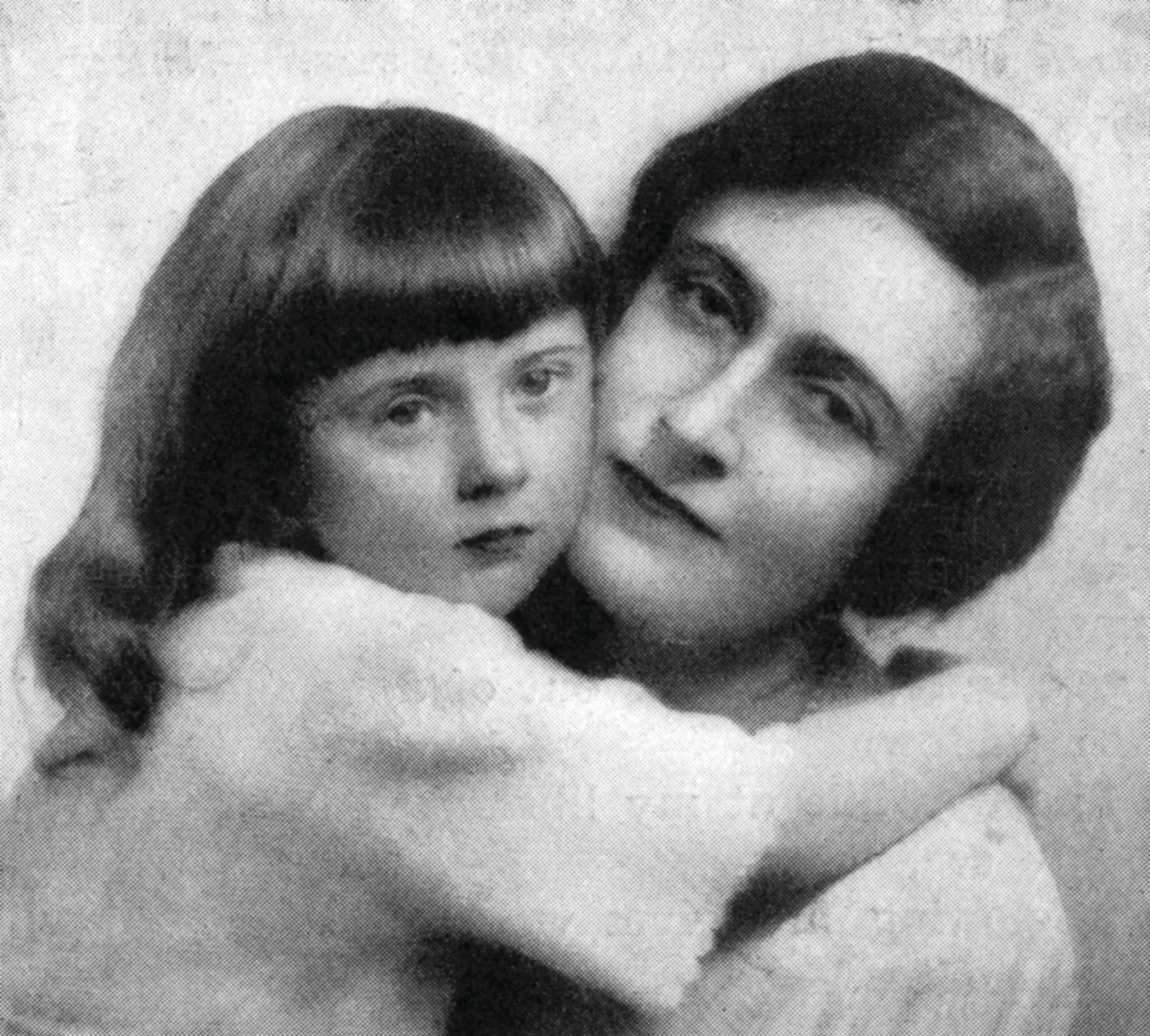
Then, when Rosalind was just seven, came another set of formative threes: Archie confessed his suspected philandering; he then formally asked for a divorce in August; and Clara died, devastating Agatha and sending her scurrying back to Torquay …
What happened when Agatha Christie disappeared?
While Silent Pool was being dragged twice and an adjacent millstream drained, it’s certain that the missing author had simply walked off from her minor bingle and caught a train, possibly via Waterloo, to the decidedly lovely Harrogate and checked into a spa hotel. The Mirror and The Daily Mail couldn’t believe their luck with the story, even holding a special manhunt Sunday and sending droves of residents and police out to scour Surrey, now presuming Agatha hadn’t actually drowned herself.
Of the Morris, the Surrey Advertiser reported, “The bonnet was slightly damaged, the speedometer cable broken, and the wing a little bent. The electric battery was run down.”
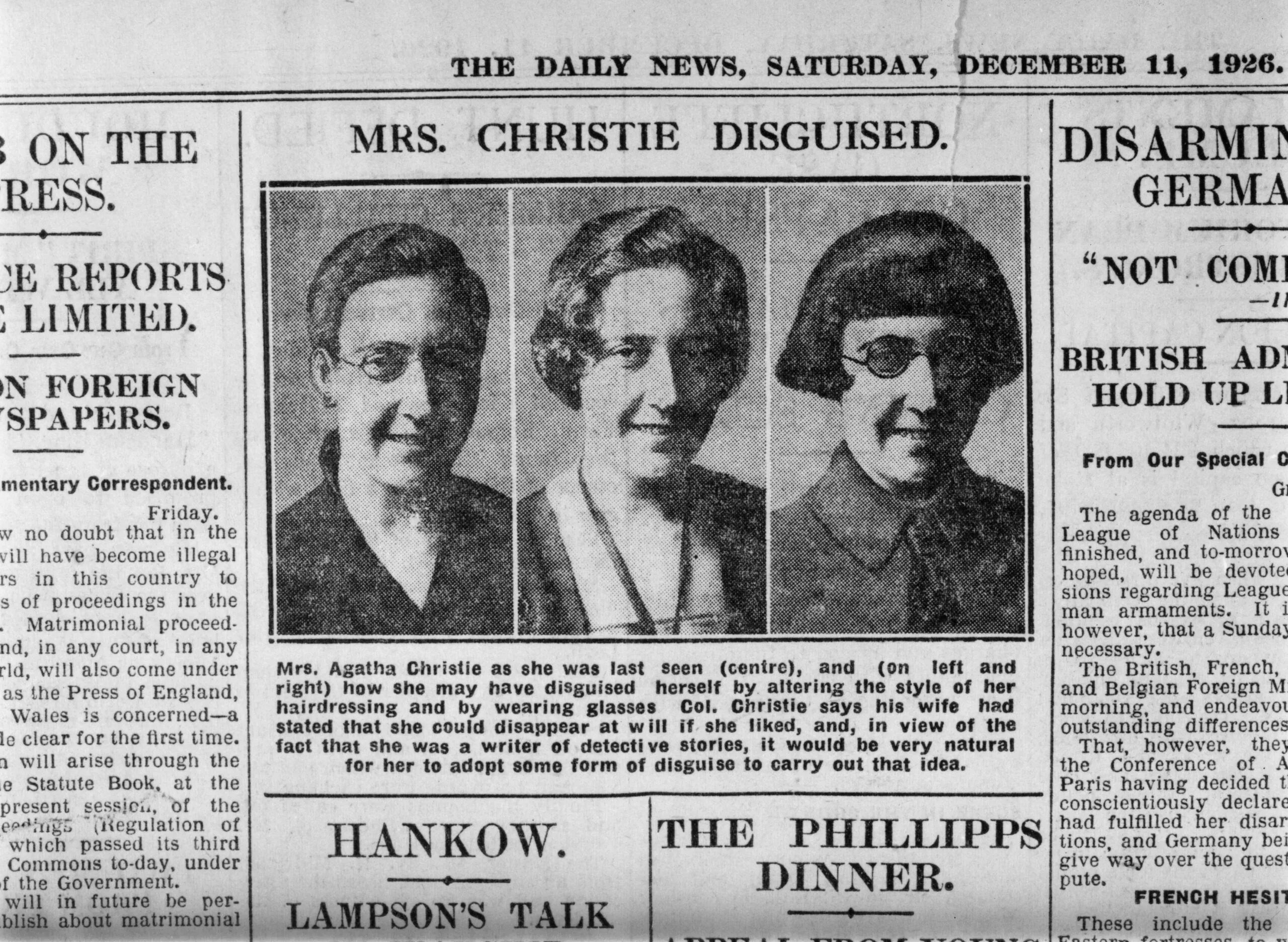
A very minor crash then? Was she trying to embarrass or out her husband as a philanderer, as author Jared Cade suspects? Or was she suffering some sort of medical episode, as per her biographer, Laura Thompson? Indeed, a fugue state of disorientation? Could an enraged Archie have been so bold and brazen as to do her in?
In any case, Nancy provided him with an impenetrable alibi. Or was it all an elaborate publicity stunt? Wild speculation aside, the twin blows of her mother’s death and the marital disintegration surely played a part in what was likely a temporary breakdown. She barely deigned to speak of it publicly again and didn’t address it in her 1977 autobiography.
However, she once tellingly detailed that: “I just wanted my life to end … I looked at the river. I thought about jumping in, but realised that I could swim too well to drown.”
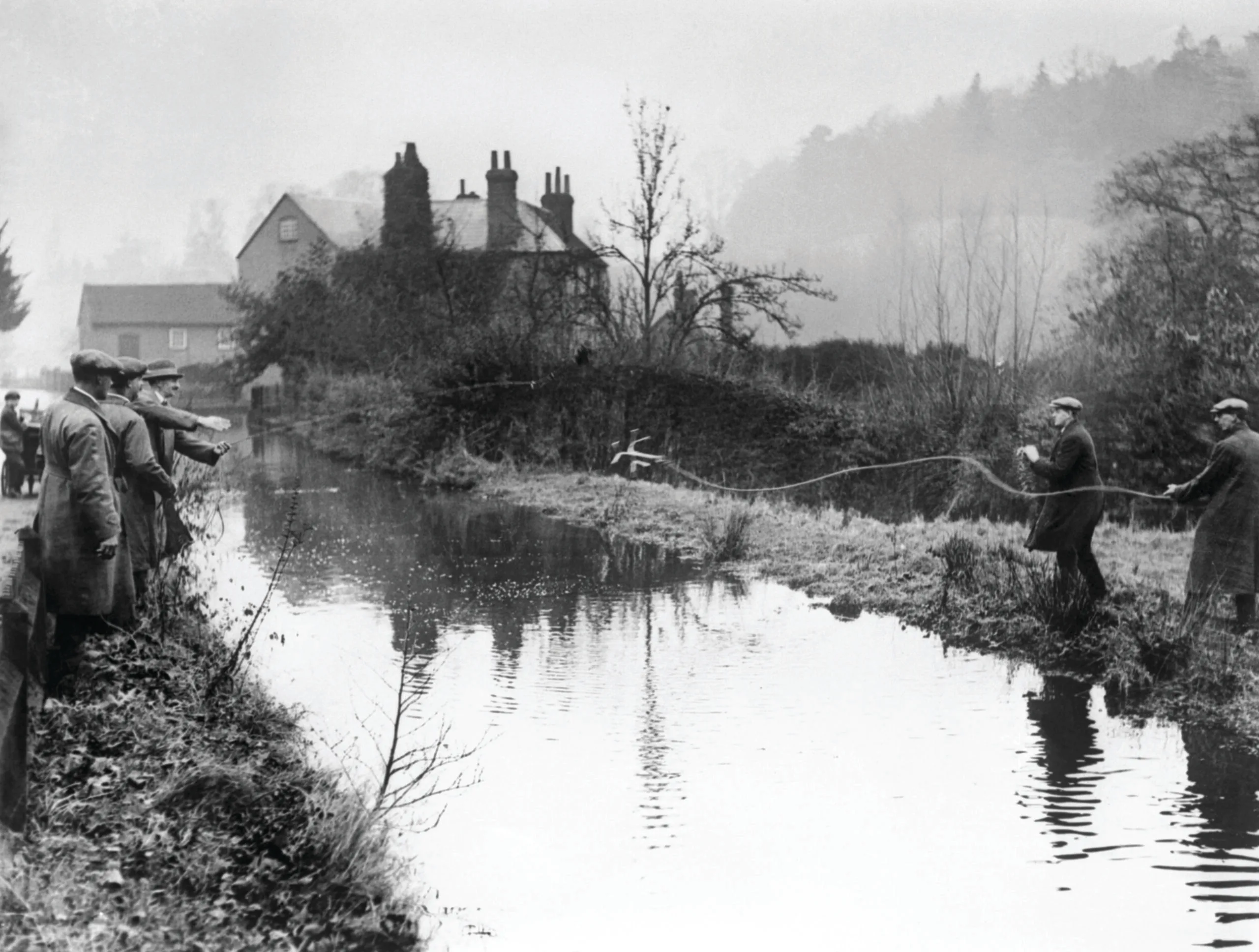
Some telling clues
As concern and intrigue swelled over the coming days, Sherlock Holmes creator and keen spiritualist, Sir Arthur Conan Doyle, handed a medium one of her gloves in a bid to trace her, the Home Secretary pressured the constabulary, a huge reward was offered, and fellow crime novelist Dorothy L. Sayers joined what was turning into a wild goose chase. Silly season indeed.
Naturally, Agatha had left a couple of clues for police. One was a note suggesting she’d gone to Yorkshire for a rest.
Meanwhile, at the well-appointed Swan Hydropathic Hotel, Agatha left her second clue, checking in as South African “Mrs Teresa Neele”.
She had a whale of a time at dances and parties, and breakfasted and shopped lavishly, while the nation, even The New York Times, fretted over her safe whereabouts.
Eventually a guest and a hotel musician clocked her and alerted police. Her subsequent reunion with Archie was public and awkward; she kept him waiting while she changed outfits.
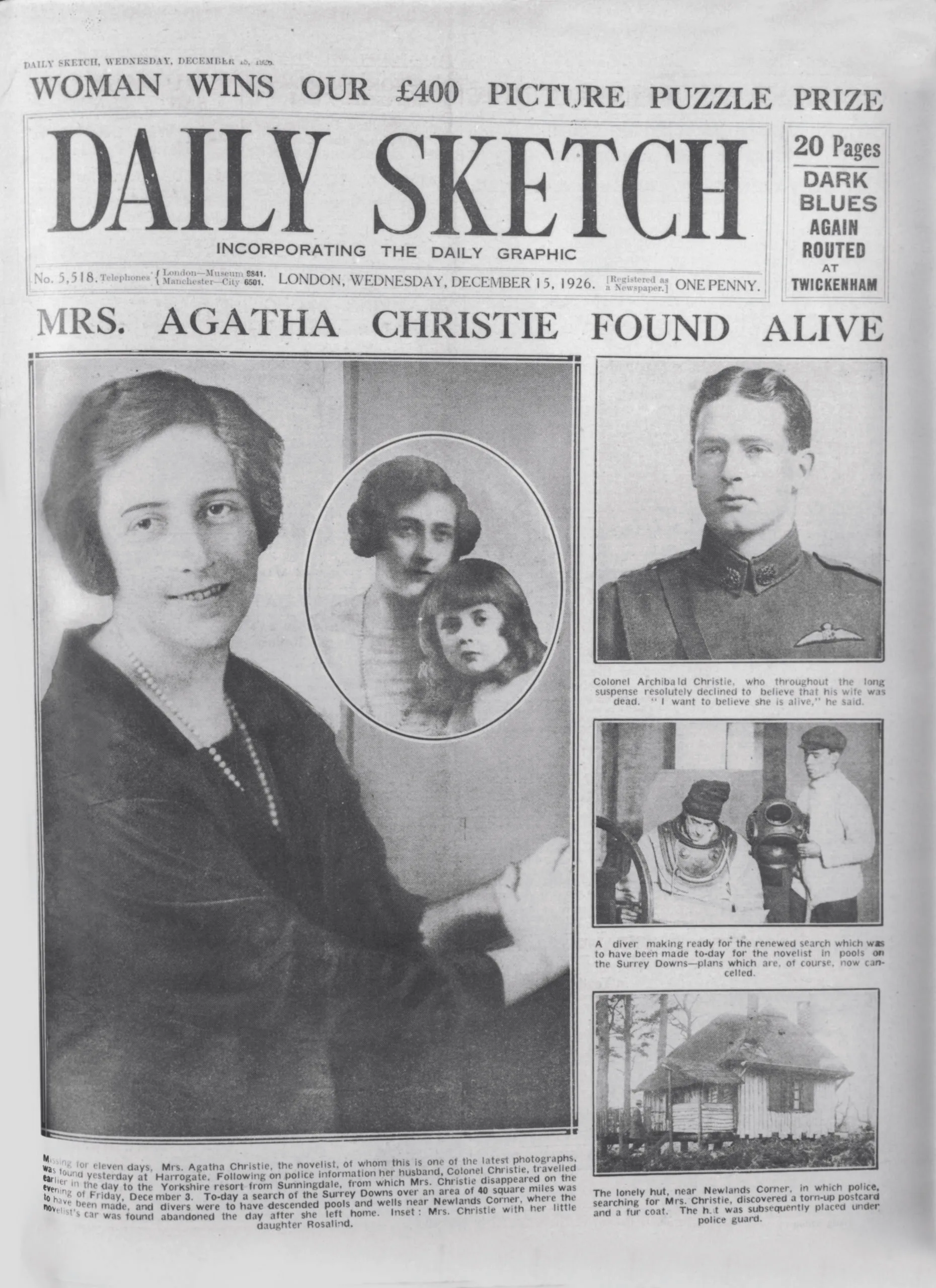
He gamely noted, “She does not know who she is … she has suffered from the most complete loss of memory.” Of course, this was one of her most convenient literary plot devices.
Biographer Andrew Norman cited psychogenic amnesia, brought on by trauma or depression. “I believe she was suicidal,” he said. “Her state of mind was very low and she writes about it later through the character of Celia in her autobiographical novel, Unfinished Portrait.”
Two doctors on the scene diagnosed “an unquestionable loss of memory”.
What happened to Agatha Christie?
We do know that she recovered, divorced in 1928, and enjoyed a storied career – despite some initial public resistance to the disappearance and anger over wasted police resources. She also travelled and had a relatively happy marriage to archaeologist Sir Max Mallowan.
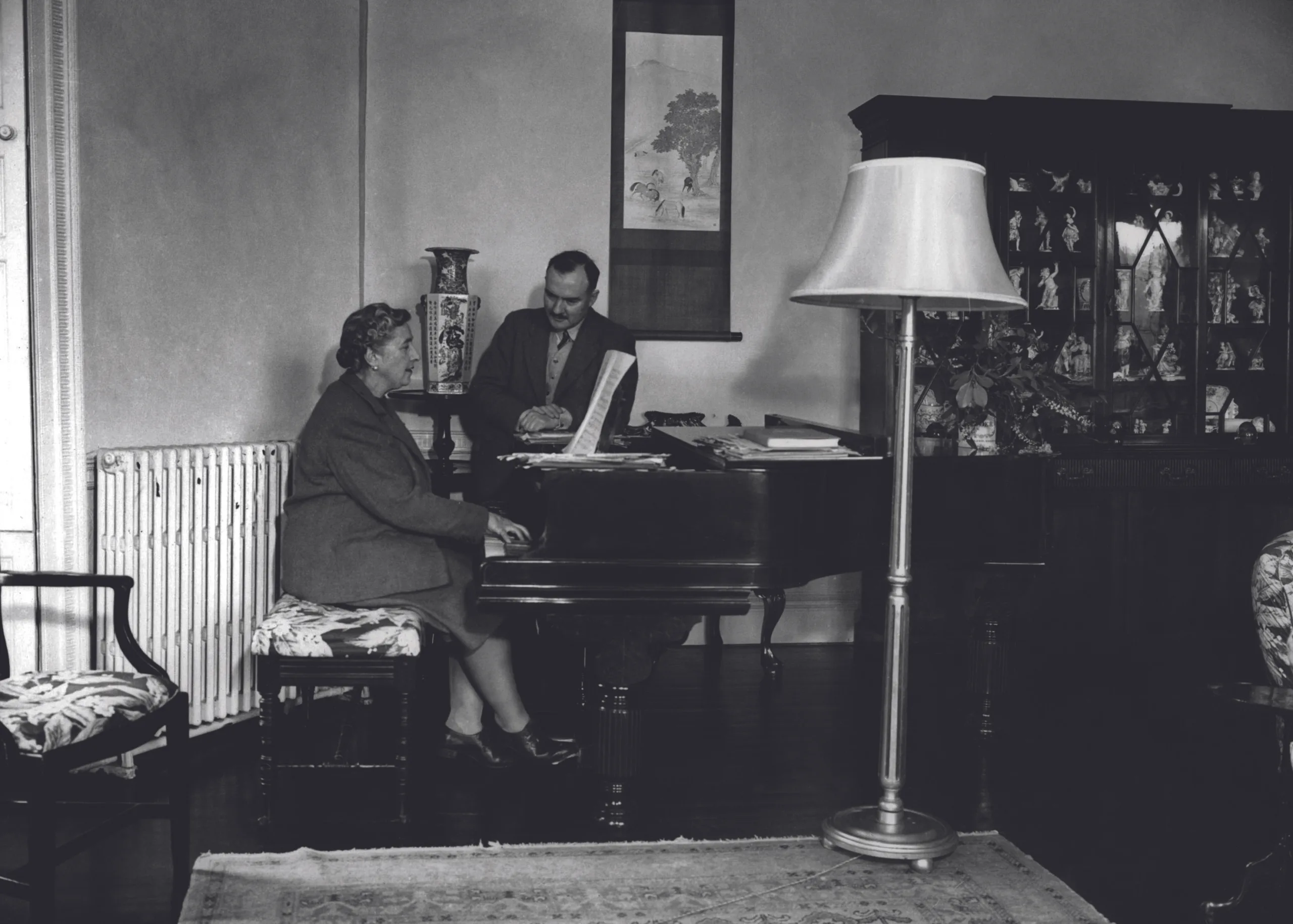
The Queen even made her a Dame. Agatha died in 1976 at the ripe old age of 85 of natural causes, West End theatres dimming their lights as a mark of respect.
Her disappearance created a mini-industry of books, movies, TV specials, even a Doctor Who episode. The wordsmith herself concluded thus: “So, after illness, came sorrow, despair andheartbreak. There is no need to dwell on it.”
The article originally appeared in the 24th issue of The Australian Women’s Weekly ICONS. Buy a back copy here.



Share this post