




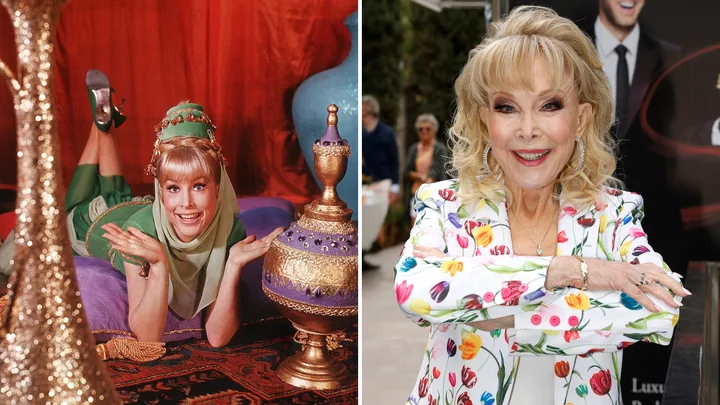
At a glance…
- At 8pm on September 18, 1965, a new show was launched on American TV, hoping to win over audiences with a mix of magic and mayhem: I Dream of Jeannie.
- Sixty years on, Barbara Eden talks to The Weekly about the impact of I Dream of Jeannie – and the reason it’s still endlessly re-run around the world.
Sidney Sheldon knew he was on to a good thing with I Dream of Jeannie. The writer – who had made the leap to the small screen after a storied film and Broadway career – had penned a new series about a genie and her unlikely master, which tapped into the cultural zeitgeist of the times.
It was 1964, and America was gripped with the Space Race – astronauts were the modern-day rockstars. That same year, the comedy series Bewitched had launched to massive ratings, viewers entranced with the witchy antics of Samantha and her family.
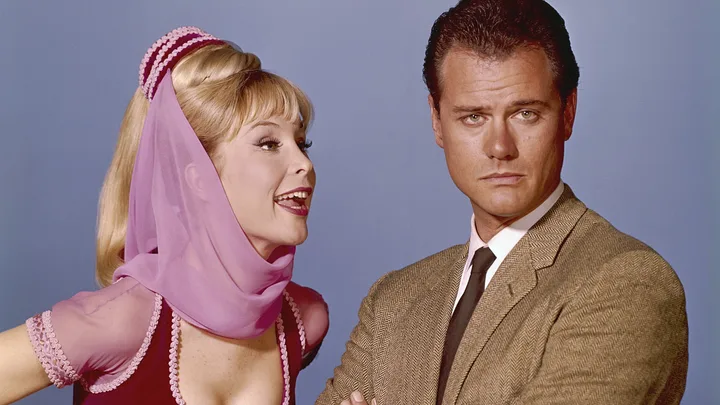
And so, Sidney had created I Dream of Jeannie. The series began with an astronaut landing on a deserted beach where he found a mysterious bottle. Rubbing it, a beautiful genie would emerge… and the antics would begin. After a long search, he’d finally cast the star of the sitcom: Barbara Eden.
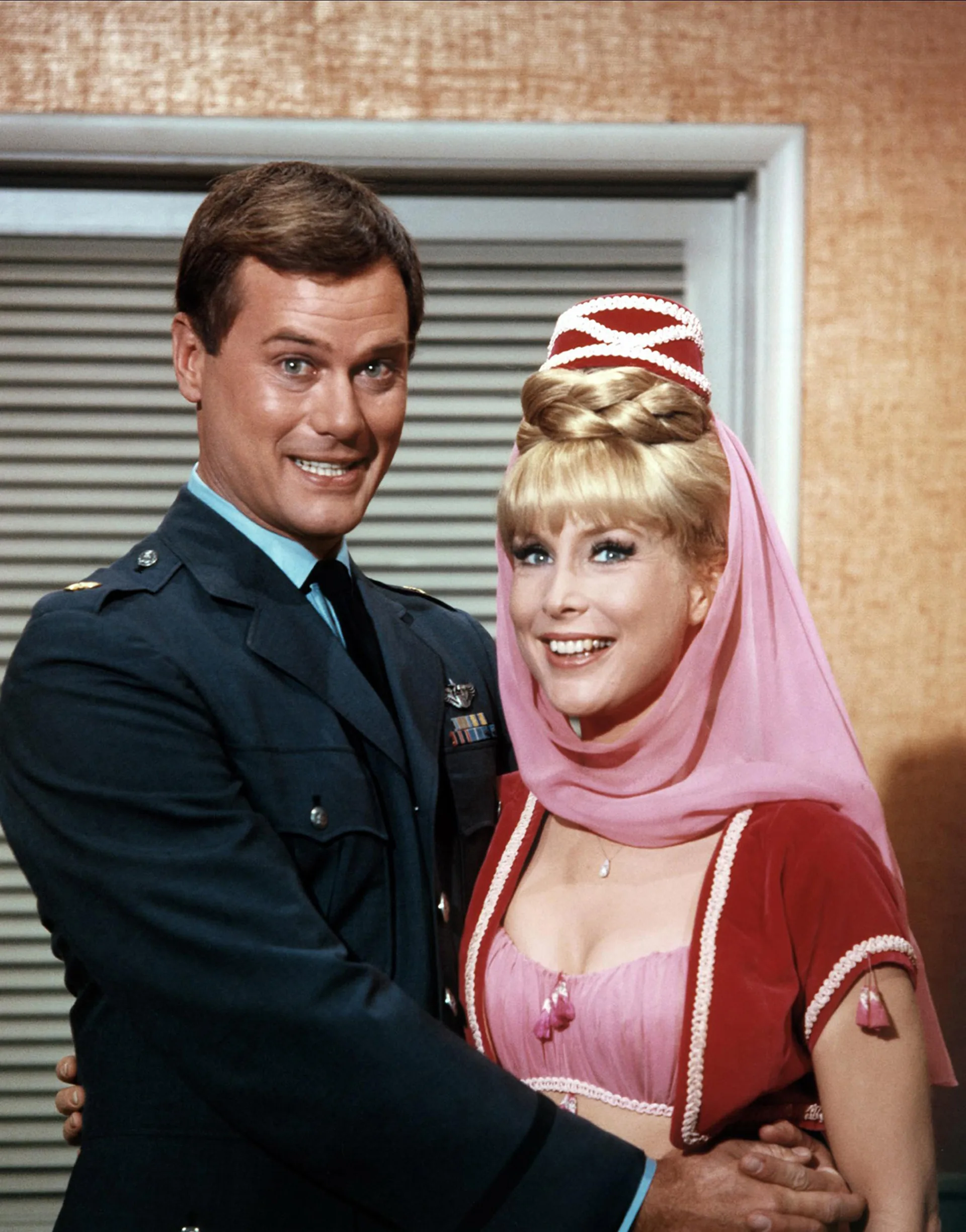
He’d also found a talented up-and-comer by the name of Larry Hagman to play against his more seasoned leading lady. The chemistry between the two was electric, and he was sure together they’d provide the magic dust that would see his new show succeed. So too would the innovative special effects. Oh, and Barbara’s midriff-baring costume, of course.
Certainly, NBC thought it would be a smash – the network had eagerly bought the upcoming project. And then, the weekend before cameras were set to roll, Barbara
dropped a bomb.
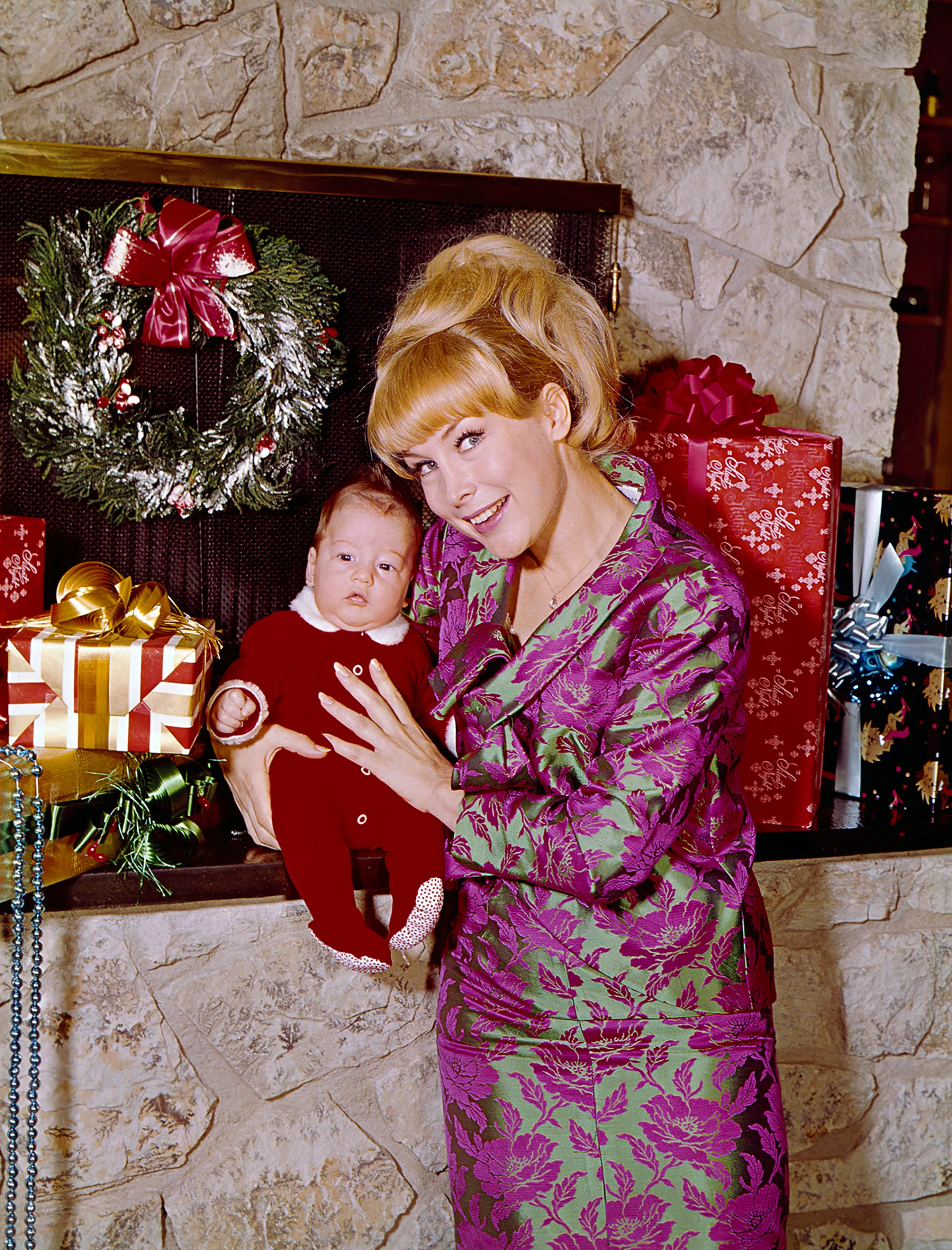
“Michael [Ansara, her husband] and I had tried for a long time for me to get pregnant,” she tells The Weekly. “The day the show was sold was the day my doctor told me I was going to have a baby. And believe me, the baby eclipsed the show.
“I called Sidney and said, ‘I have to talk to you’. He said, ‘I’ll see you on Monday’, and I said, ‘No, I have to see you right now.’”
Arriving in a panic at his house, she found Sidney in the midst of a dinner party. Taking him aside into his office, she took a deep breath.
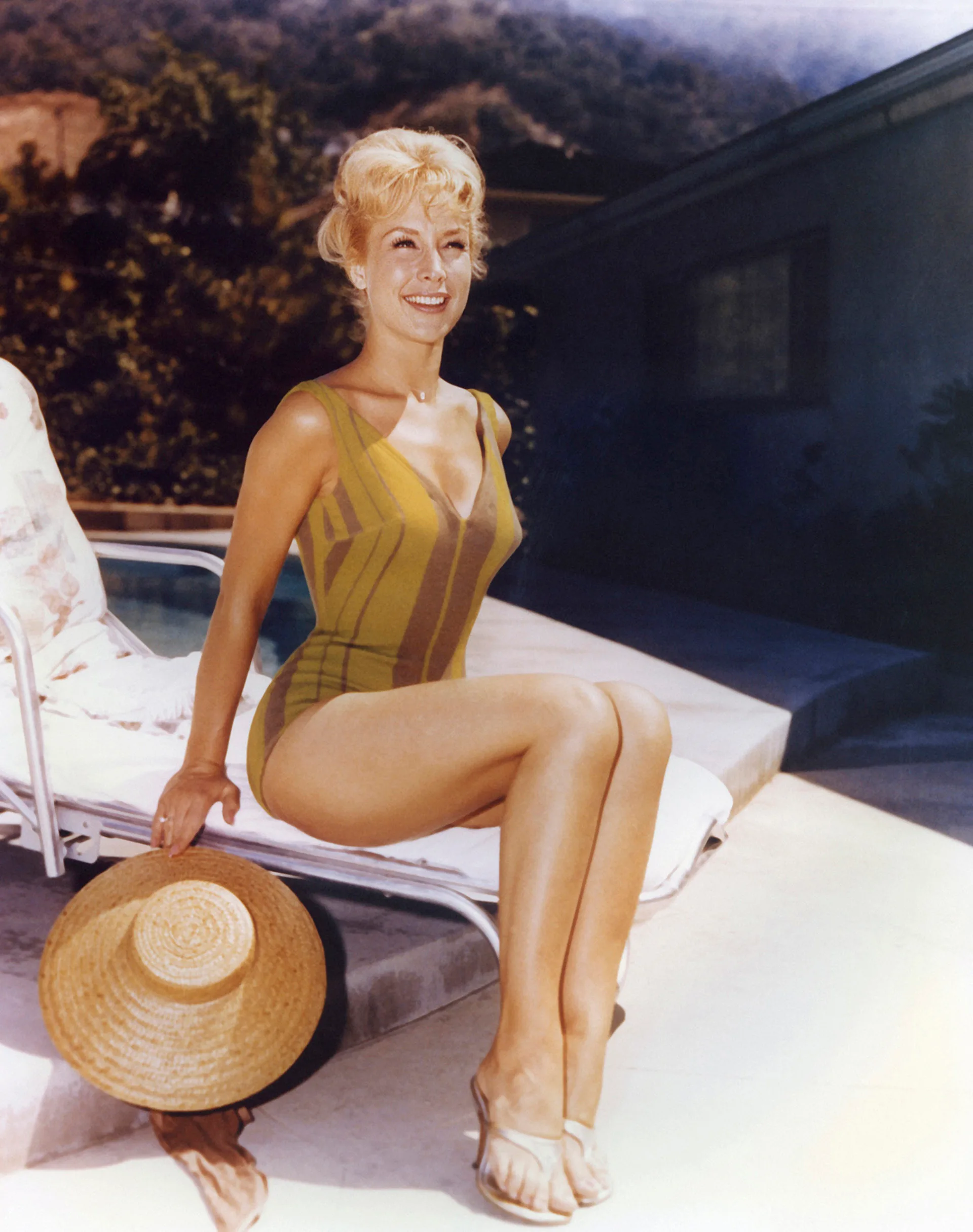
“He sat down and said, ‘Now you’re pregnant’. He was laughing; it was a joke. But I looked at him and said, ‘Yes, and now I can’t do your show – you’ll have to find someone else.’”
Fortunately, Sidney rallied to hang on to his leading lady, coming up with creative ways to hide her growing baby bump on the first season.
“The first 10 or 12 shows I was pregnant,” she confides now. “I wore so many scarves that I looked like a walking tent!”
Despite this, the show went on. And by the time the series made it to screens, she had a baby in her arms and a hit on her hands. “I was happier with my baby,” she grins, “but I was thrilled that it was on. I was proud of it.”
Born August 23, 1931, a young Barbara had grown up in a home that always had music playing. She dreamed of being a singer. Training at the San Francisco Conservatory of Music at 16, she also began taking classes at the Elizabeth Holloway School of Theatre.
“Mrs Holloway said, ‘I’ll give you a scholarship, but you have to get away from the school. It’s a waste of time for you. You should get out of the nest, go to New York or LA but leave San Francisco.’”
Barbara opted for Los Angeles. It was frightening, she recalls, being so far from home. But luckily she got her start on TV, first as a semi-regular on The Johnny Carson Show in 1955 and then made appearances on a slew of TV series including I Love Lucy, Perry Mason and Gunsmoke.
In 1957, she was cast as the Marilyn Monroe character in the sitcom How to Marry a Millionaire based on the 1953 film of the same name. This would prove to be her big break. The series ran for two years and would springboard her into film, with both lead and supporting parts quickly coming her way. In addition to sharing a similar part, she and Marilyn also shared the same stand-in, Barbara recalls.
“Her name was Evelyn Moriarty; she was a lovely girl,” she says. Evelyn grabbed Barbara one day when Marilyn was filming at a set next door to the duo to introduce the two. It was the same year as Marilyn’s untimely death.
“Evie got me over there, and Marilyn was being fitted, doing costume tests,” Barbara says. “And when she got out of the lights, Evie grabbed my hand and said, ‘Marilyn, I want you to meet my other star’. She was the most beautiful woman I had ever seen. She glowed. What you saw on screens was what she was.”
Of course, Marilyn wasn’t the only famous person; Barbara was rubbing shoulders with her at that time in her career. She had a part in the Paul Newman and Joanne Woodward 1960 film From the Terrace. She co-starred with Sal Mineo in the 1959 musical comedy A Private’s Affair. And she was the leading lady to Elvis Presley in 1960’s Flaming Star, one of his better-reviewed roles. At the time, Barbara had been married to Broken Arrow actor Michael Ansara for two years. In between scenes on Flaming Star, she says, “Elvis asked me, ‘How do you do it? You’re both actors, and you’re married, is it difficult?’”
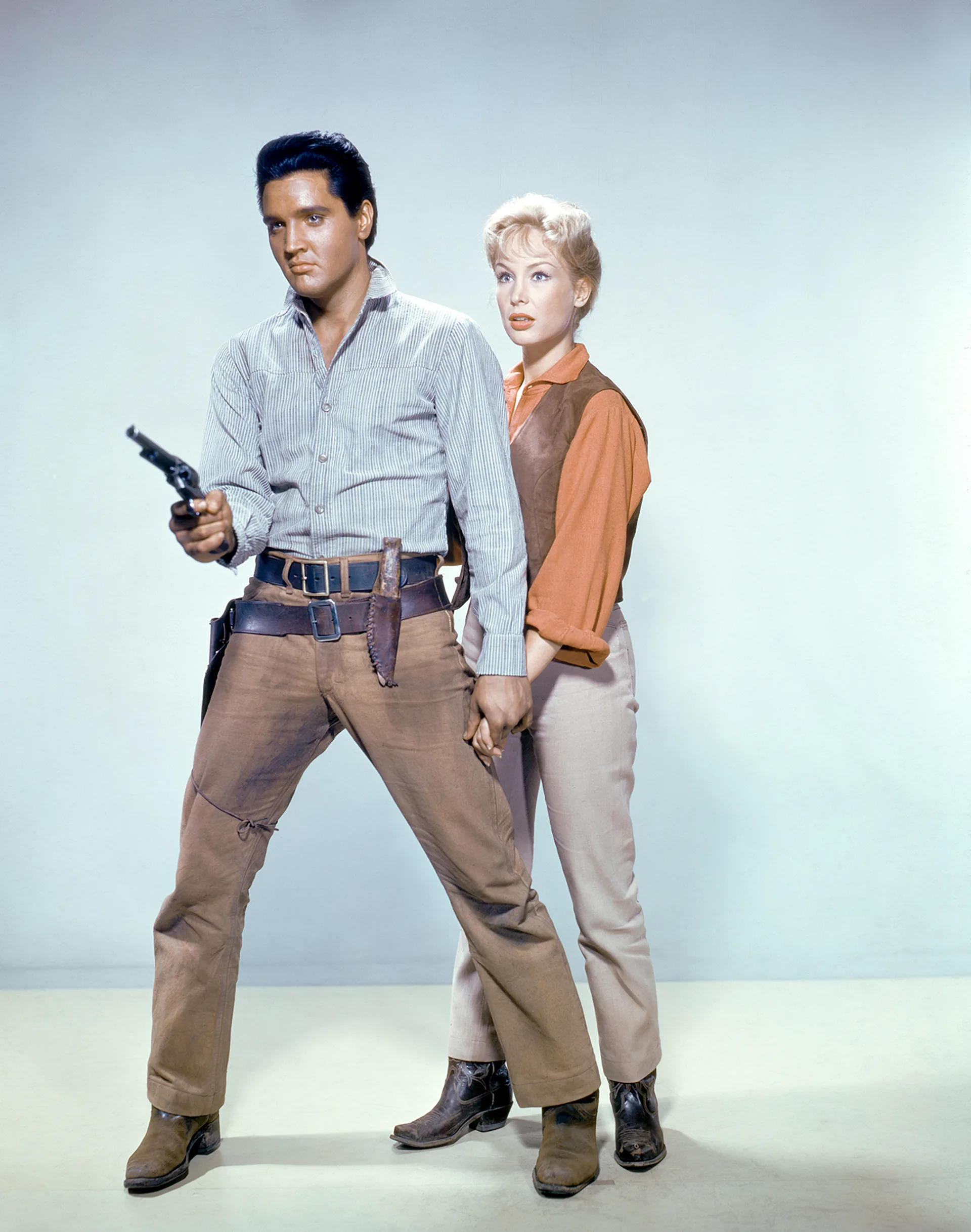
“I said, ‘No, it’s not. It’s our job. He has his job, I have mine, and sometimes we’re able to go with each other and sometimes we can’t. But it’s our work.’ “He said, ‘Well, I have a girl I really think a lot about. I like her a lot, but I don’t know about bringing her into this world.’ “And I said, ignorantly of course, because I had no idea how young she was, ‘It’ll work out. It’s just a job.’ Not too long ago I met Priscilla and told her the story, and we had a good laugh.”
In 1964, she starred in The Brass Bottle opposite Tony Randall. A fantasy-comedy film about a man (Tony) who unlocks a powerful genie (Burl Ives) imprisoned in the titular bottle. It was this film which gave Sidney the inspiration for I Dream of Jeannie. But not for his leading lady, Barbara points out.
“I wasn’t the genie, I was the girlfriend of Tony’s character,” she says. “Sidney was testing a lot of young women, but they were all Middle Eastern or Miss Italy contestants. Tall and brunette. And I’m obviously a short blonde. I would read about it in Variety and The Hollywood Reporter and think, ‘Oh well, great idea but not for me.’”
Then she got a call from her agent who said that Sidney wanted to meet with her. The rest, as they say, is history. Larry hadn’t been signed on, she says of the next steps, but they were interested in the handsome young actor for the role of Captain Tony Nelson. Before he did his official screen test, producers brought him to her dressing room when she was filming another project at Universal. They rehearsed the opening scene on the beach, where Jeannie’s bottle is found.
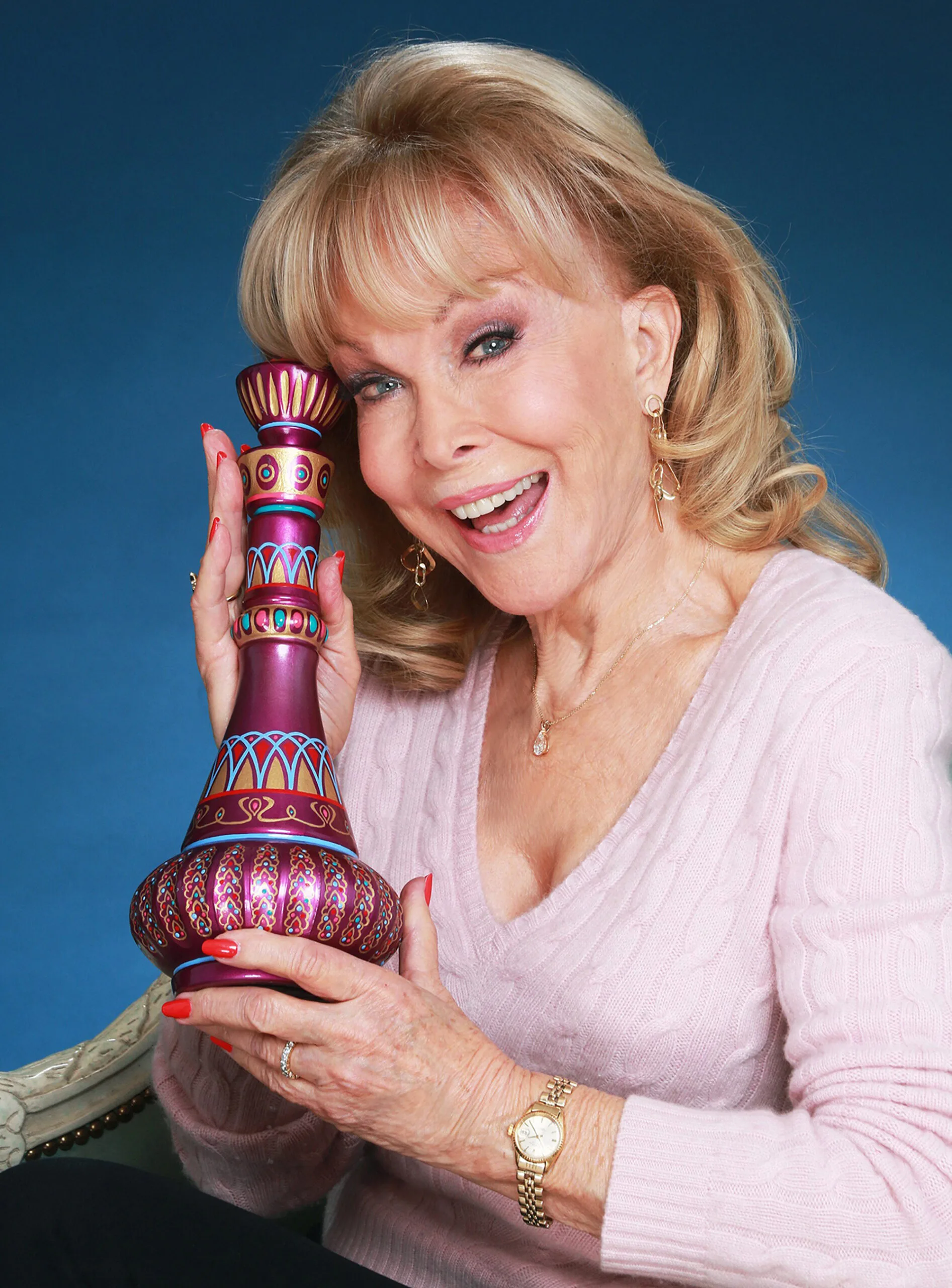
“I threw my arms around him and said, ‘Oh master!’” she chuckles at that meeting. “He told me later I scared him to death.”
As the more established star, Barbara would be on a larger salary than Larry, which he joked about with reporters in later years.
“Oh, it wasn’t very much, believe me,” she says. “But yes, I did.”
The two had incredible chemistry and it was this that led her to know the show would be a huge success.
“Larry was complicated, but we seemed to be on the same wavelength, the two of us, and we worked very well together,” she says. “He was a fine actor, as you know, and it was fun. I never knew what he was going to do, but it was fun. Larry and I truly understood each other.”
She also adored the rest of the regular cast. “We were so lucky, because sometimes casting a show is difficult,” she says. “Casting people who fit those niches and work well together. We were very lucky. Bill Daily [who played Major Roger Healey, Tony’s best friend] was adorable. And Hayden Rorke [Dr Alfred Bellows] was like the boss of the set. He was so kind and good. He kept everything level and happy and, again, a really fine actor.”
Much of the character of Jeannie came from Barbara’s imagination. While Elizabeth Montgomery had a magical nose twitch on rival series Bewitched, Sidney had told Barbara to blink to grant Jeannie’s wishes. She added in the crossed arms and head nod to give her character more flair.
“Sidney was fabulous,” she says of how she fleshed out the character. “The words were there, and I filled in the blanks. You get to understand the character; it’s such a fun process. I loved her innocence. She was always very interested in everything; it was a whole new world. And she had a sense of humour. I think every part you play is a piece of yourself. I enjoyed playing her a lot.”
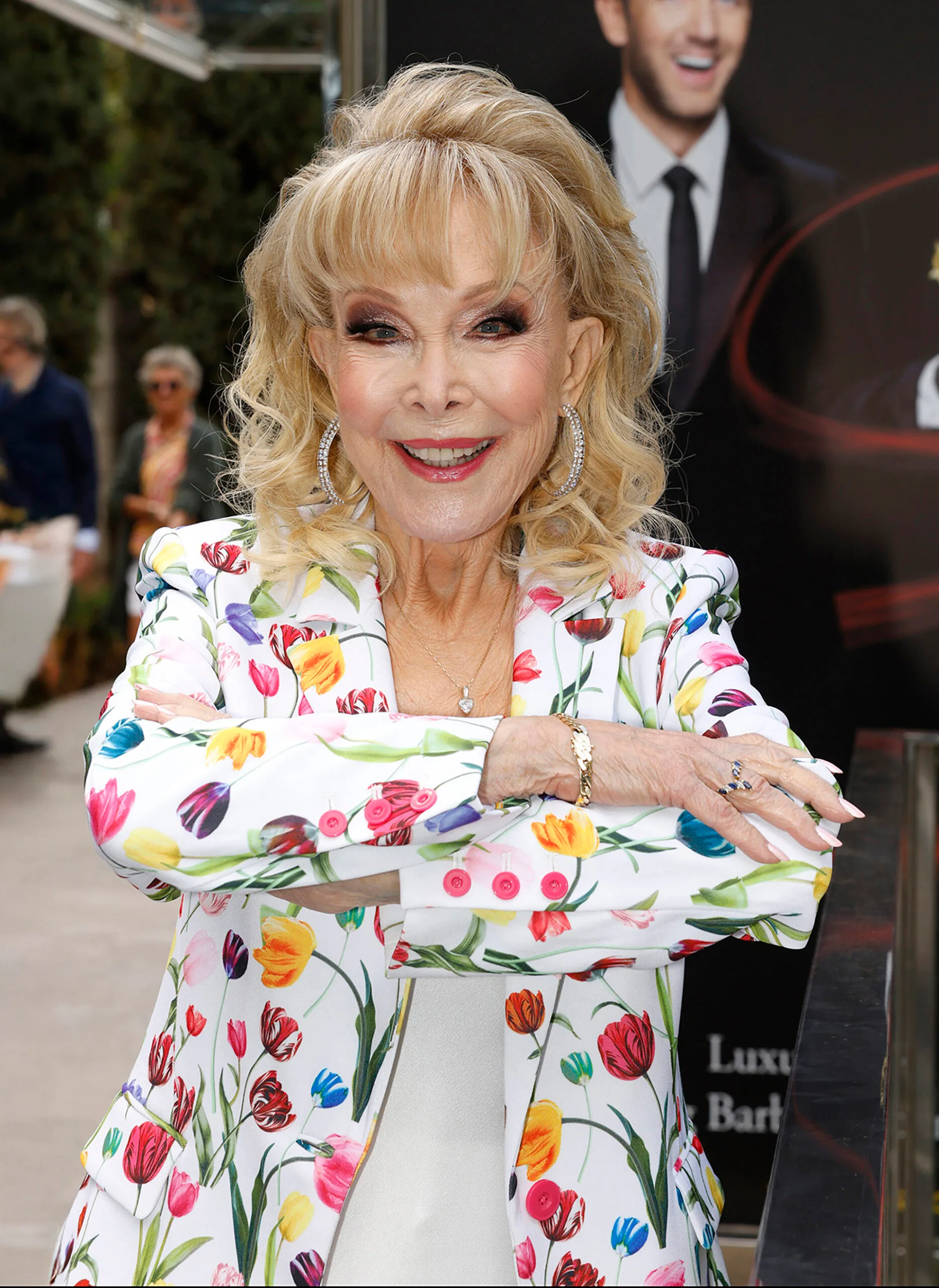
With a modern lens, critics today have questioned the show for having a young woman play servant to her “master”. But for Barbara, Jeannie was far from submissive in her dealings with Major Nelson. On the contrary, she was the one who wielded much of the power.
“She’s not a bit submissive,” Barbara says. “He’s lucky that she loved him. She didn’t have to stick around, you know.”
While the show would have its detractors and it wouldn’t hit the same giddy ratings as predecessor Bewitched, it would run for an incredible five seasons. When Barbara got the news in 1970 that it wouldn’t be continuing, “It was very sad,” she says. “You work with people, the crew, the directors, everybody on the lot and it becomes a home to you. It wasn’t that I didn’t continue working, but I just missed everyone. Although not Larry, of course, because I saw him a lot.”
The pair’s friendship on set had spilt over to their personal lives. Larry and his wife Maj Axelsson lived in Malibu with their two children. Barbara would regularly take her son, Matthew, to visit them. When Larry was cast in Dallas, Barbara reunited with him for a five-episode arc guest role.
“It took us both a little adjusting,” she chuckles about playing different roles. “For him, the first day on set, he said, ‘I don’t believe we’re doing this!’ It was wonderful.”
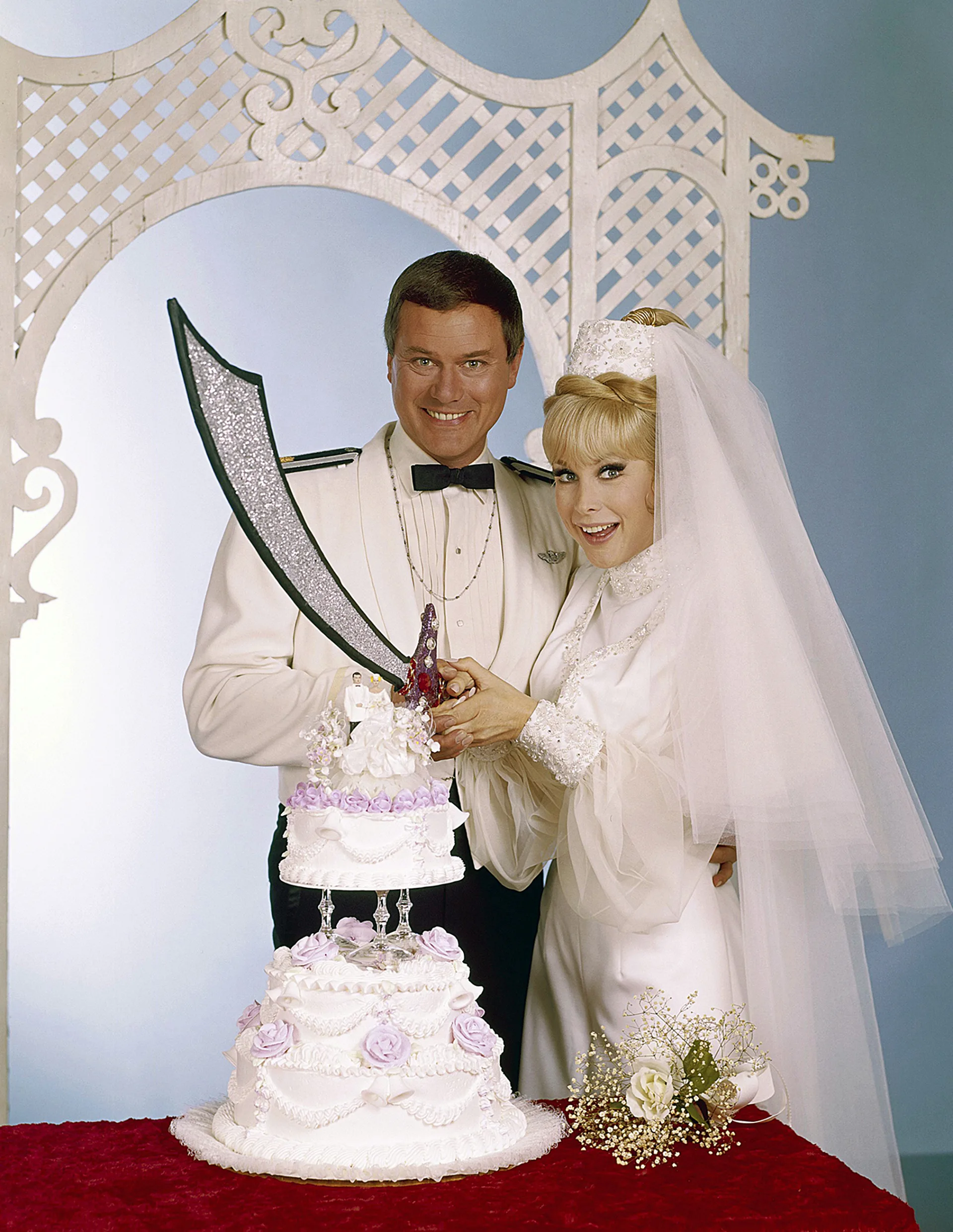
While two reunion films were made, Larry didn’t participate in either. He would tell reporters that, for him, the show was ruined when they decided to have Jeannie and Major Nelson marry. Barbara had no such concerns. And while she’s gone on to do many more projects, I Dream of Jeannie will always hold a big piece of her heart. To that end, she’s continued to promote the series with fan events and, of course, with this interview, an extraordinary six decades since it first aired. So what, we ask, does she hope is the lasting legacy she and the series will have for past and future viewers?
“I hope people will be happy,” she says after a pause. “I hope they’ll have happy thoughts. Because we all need that.”
This feature originally appeared in the October 2025 issue of The Australian Women’s Weekly. Subscribe so you never miss an issue.

