




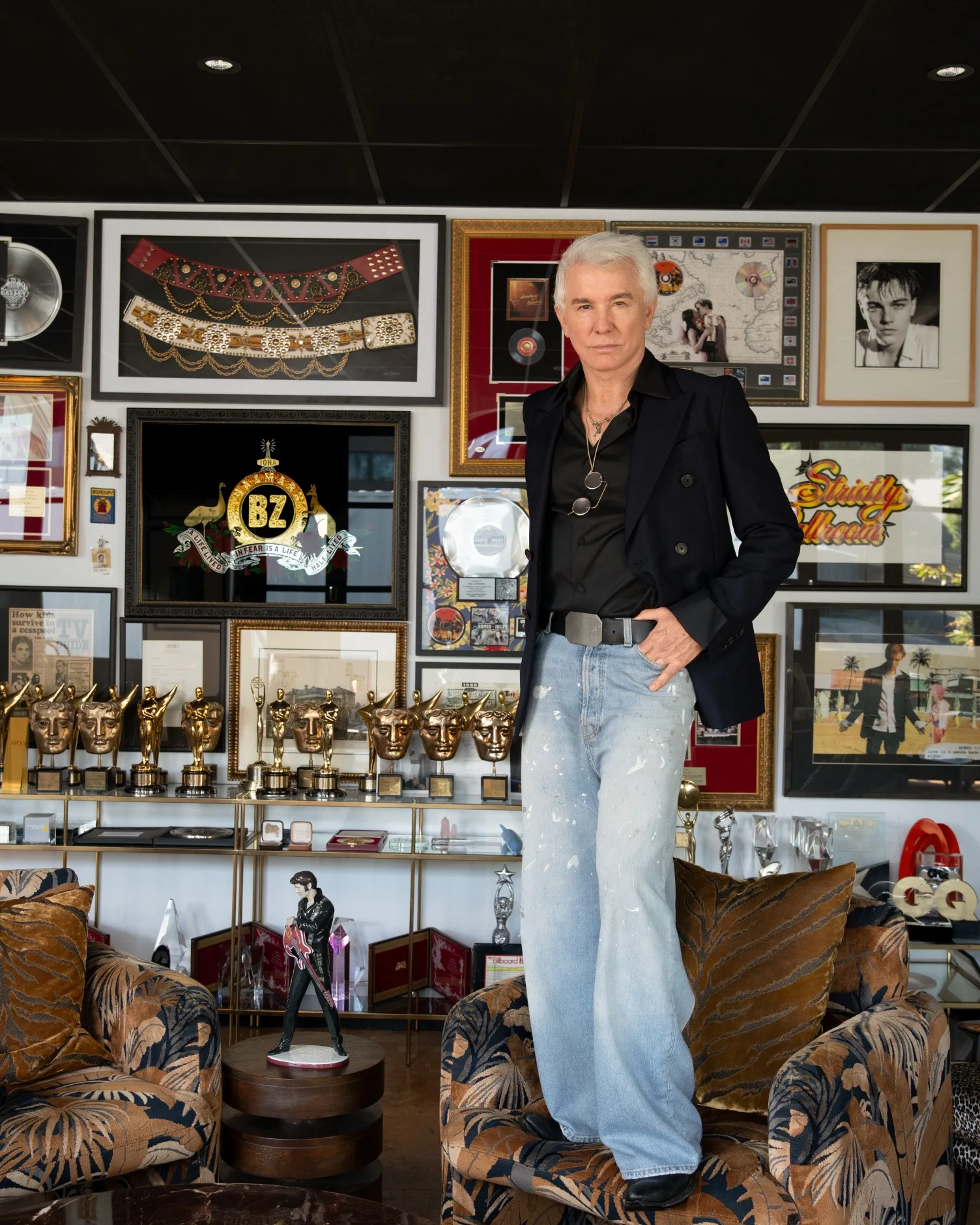
When Baz Luhrmann first started working on his Elvis Presley biopic all the way back in 2014, the iconic performer had become, in his words, something of a trope. “Like, there was a focus on Elvis the Halloween costume,” the acclaimed Aussie director explains. “There were jokes about Elvis. It was as if a whole lot of rust had got around the person, the actual icon.”
Fast-forward to 2022 and the smash hit film Elvis – starring Austin Butler – turned the tide. But now Baz hopes his latest project will finally blow that trope away for good.
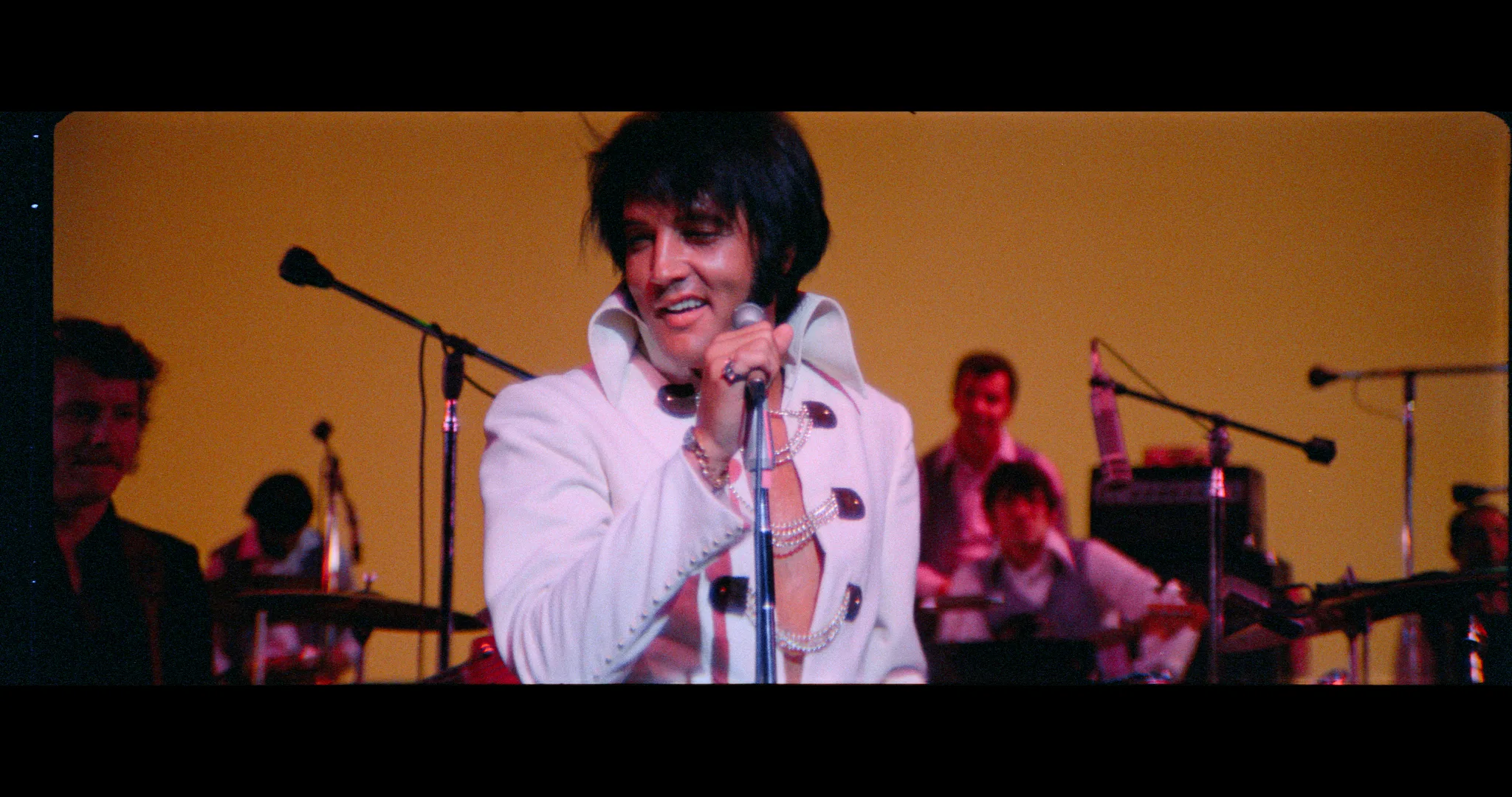
While working out of an office in Graceland for 18 months, Baz unearthed never-before-seen Super 8 personal video from the archives, as well as tracking down 59 hours of forgotten footage from the King’s Las Vegas performances in the 1970s.
At first, he thought he could use some of this unseen archival material in the film. But he swiftly realised the footage deserved its own cinematic moment.
“We found this audio of Elvis just talking very unguardedly about his life, which he never did,” Baz says of his ‘aha’ moment. “We thought, ‘You know what? This is an opportunity.’”
What is Baz Luhrmann’s EPiC?
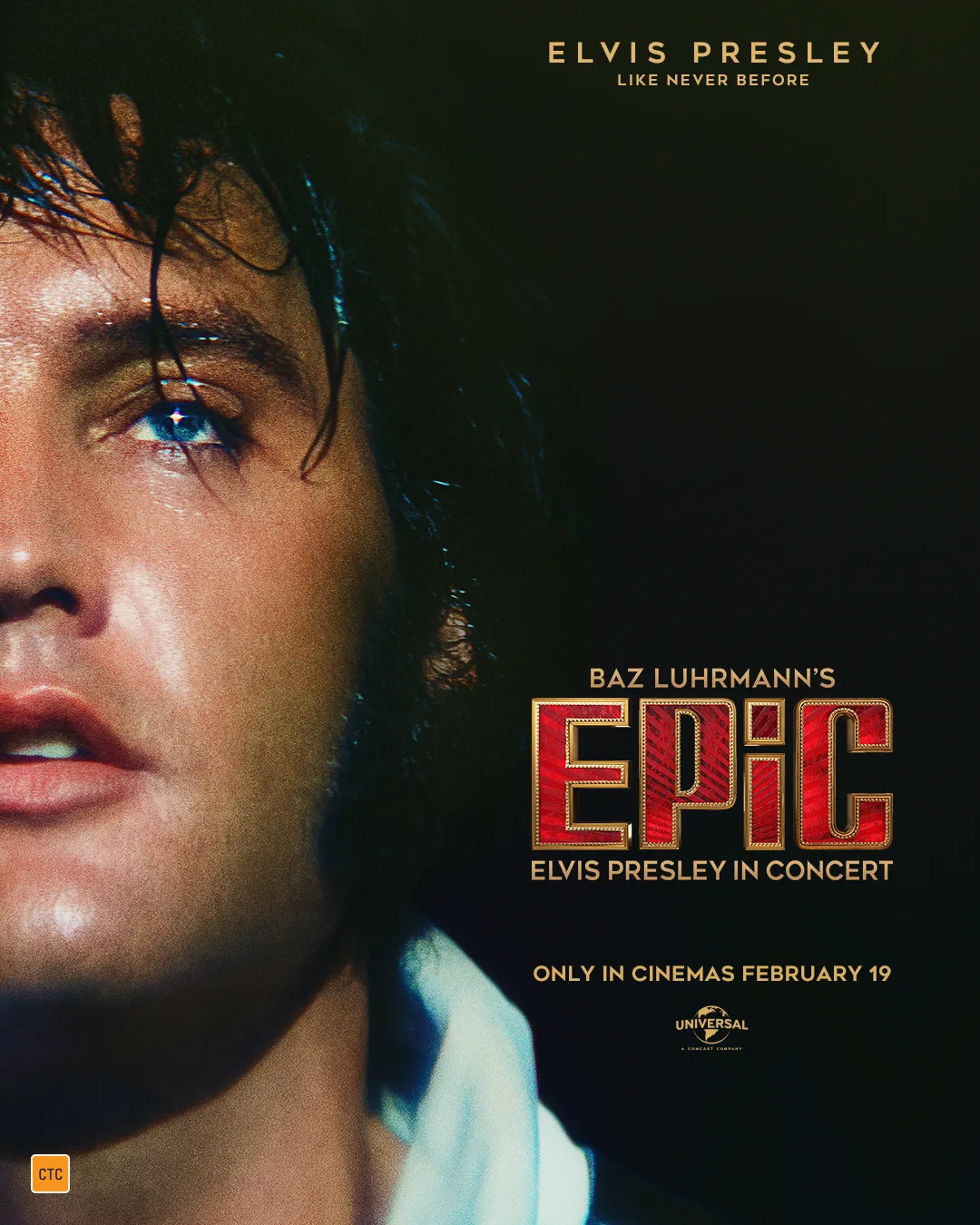
And thus was born EPiC: Elvis Presley in Concert, a triumphant 96-minute-long film that is part documentary, part live concert and – above all – a chance for Elvis to tell his own story in his own words for the first time.
“The image is one thing and a human being is another,” Elvis prophetically says in the film, which hit screens on February 19. “It’s very hard to live up to an image, I tell you.”
EPiC has been a labour of love for Baz who, together with long-time collaborator Jonathan Redmond (and with a little help from fellow director Sir Peter Jackson) spent over two years digitally restoring the material. And when he chats to The Weekly from a hotel room in Tokyo, the project has been finished so recently that he is yet to show it to the Presley family, with whom he became incredibly close after Elvis was released.
“I’m organising a screening with Riley [Keough, Elvis’ eldest grandchild] and the twins [younger granddaughters Finley and Harper Lockwood],” he shares. “I’m reaching out to Priscilla as well, because she’s in it. And I hope she loves it.”
When does EPiC take place?
Elvis was at a crossroads when the chance to take on Vegas arose. After he’d been drafted into the army in 1958, his blistering music career had been put on hold. Returning to the United States in 1960, the singer was railroaded by his controversial manager, Colonel Tom Parker, into making films – each progressively cheesier than the last and each with an accompanying soundtrack album.
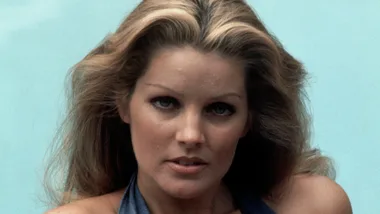
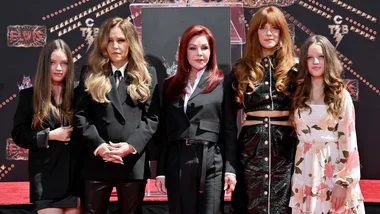
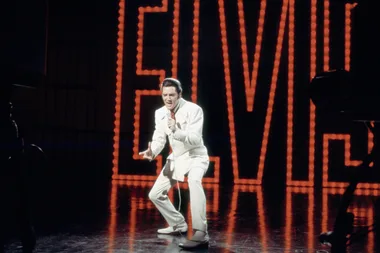
Elvis dreamed of following in the acting footsteps of his idols James Dean and Marlon Brando, yet he was frustrated that he wasn’t being considered for dramatic roles. He may have been a money maker for the studios – with the Colonel charging accordingly – but they weren’t about to change their winning romantic-musical formula.
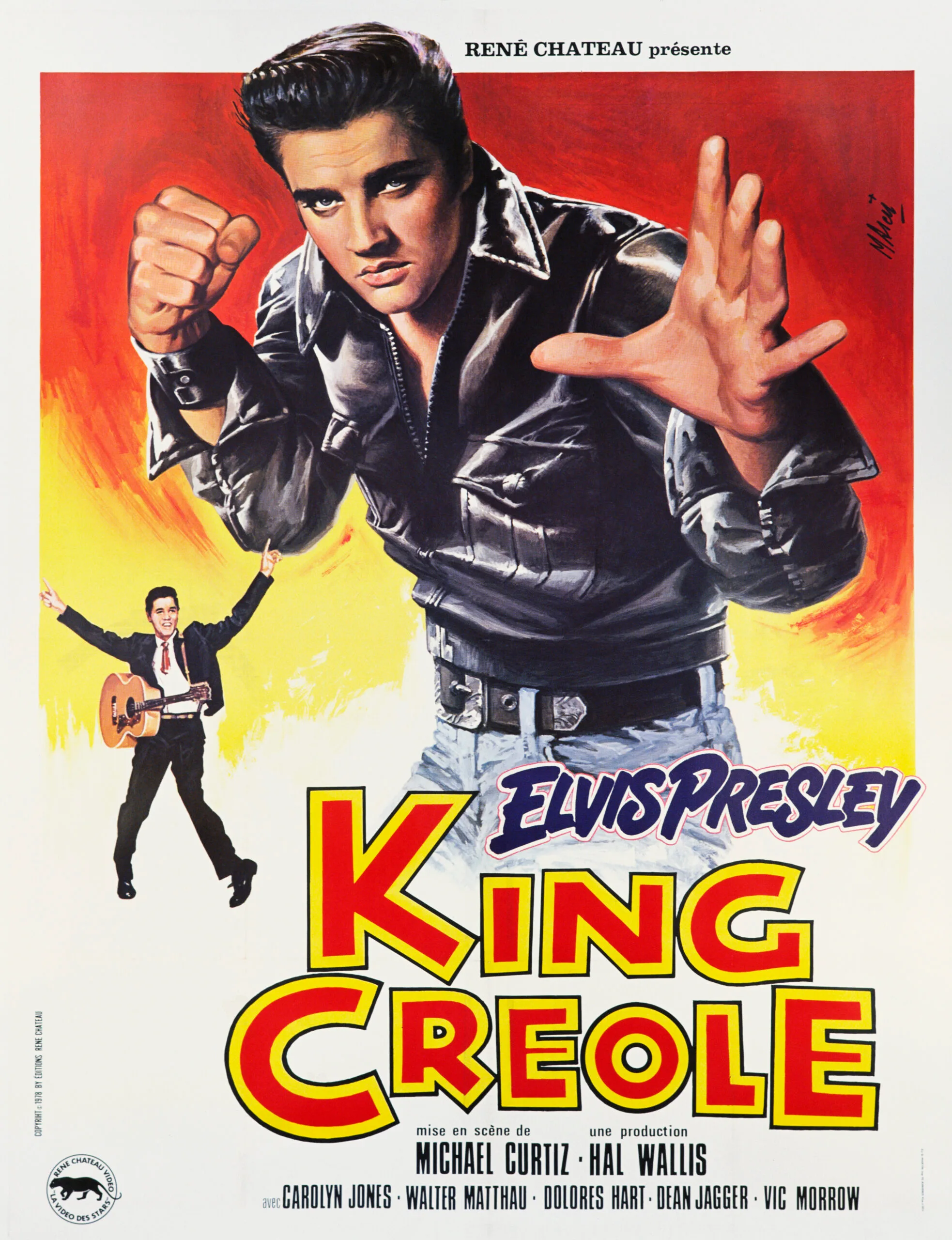
“Hollywood’s image of me was wrong and I knew it,” Elvis says in EPiC. “And I couldn’t do anything about it. I’d read the first four or five pages [of a script] and I knew that it was just a different name, a few different songs …
“I had thought they would give me some kind of a chance to show some acting ability, but it did not change. I was so concerned, it worried me sick (and) I became very discouraged.”
This, says Baz, was in large part to do with the Colonel. Despite his star client’s wishes, he refused to budge from a whopping $1 million fee per film, despite intriguing offers coming in – including, at one point, for the lead role opposite Barbra Streisand in the 1976 version of A Star Is Born.
Elvis “was the highest-paid actor in Hollywood by far, but by doing slop,” Baz says now. “The Colonel couldn’t see letting Elvis do something outside of the money-making machine that had been set up. And it’s heart-wrenching. Because if you look at King Creole in 1958, he’s great in that film. And he wanted to be really good at acting.”
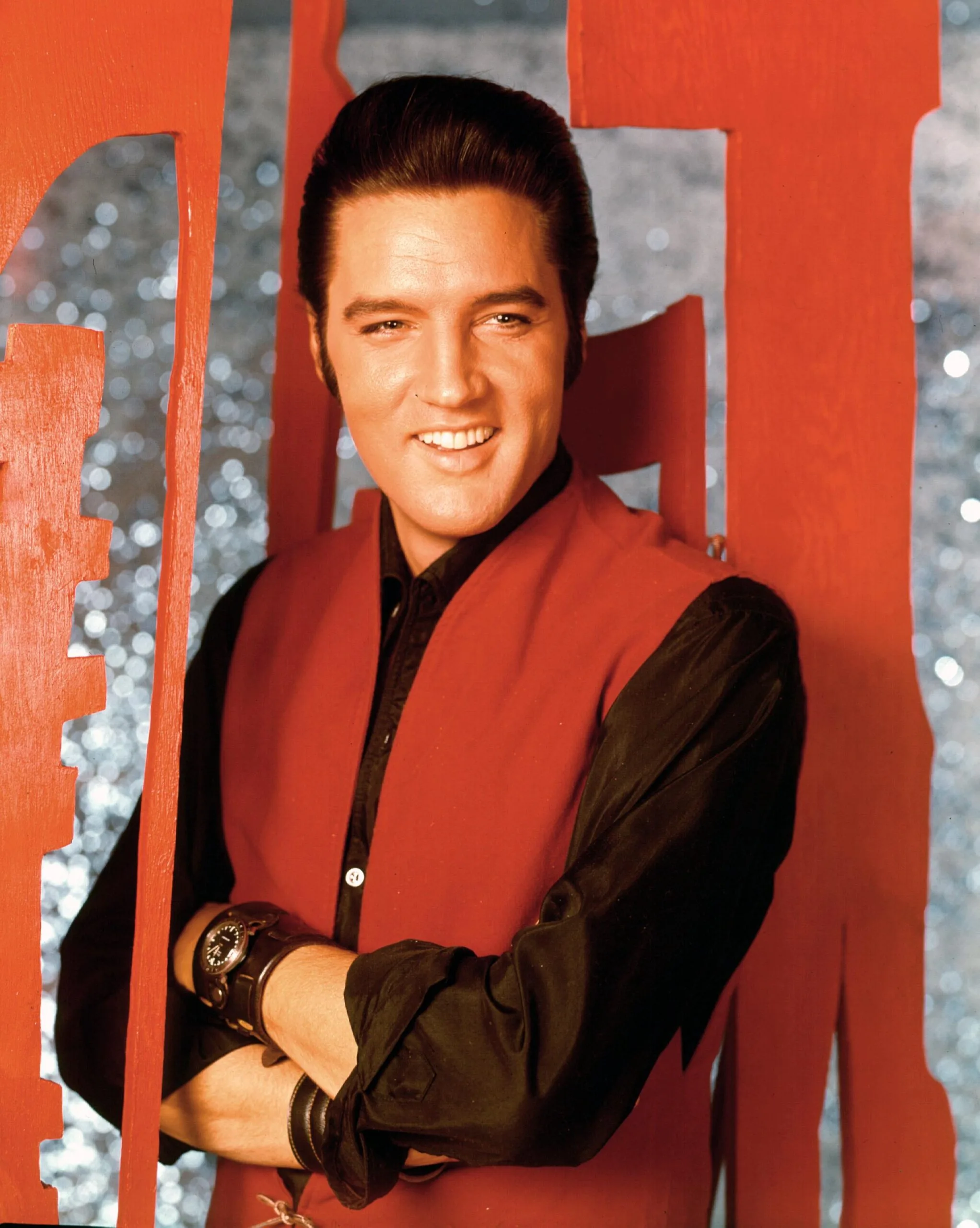
What was the Elvis ’68 Comeback Special?
As Elvis continued to churn out films he despised, he also stopped making the innovative music he had become famous for. Hot new bands such as The Beatles took his teenage fans away with them. But then came the chance to perform a televised special on NBC in 1968.
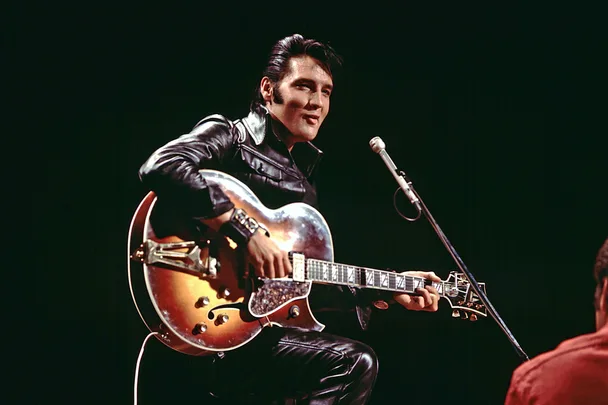
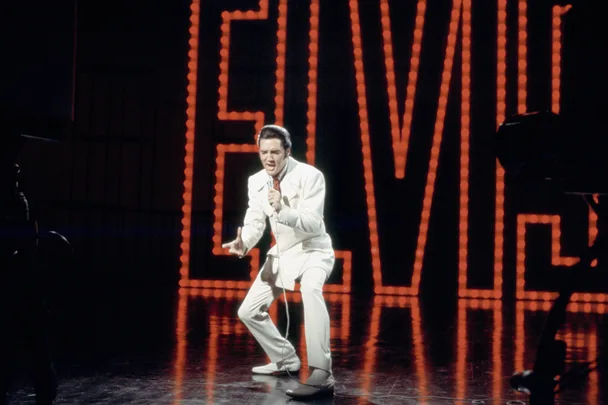
For the first time, Elvis defied his omnipresent manager. Rather than the hackneyed movie tunes and Christmas songs the Colonel wanted his client to perform, Elvis blistered his way through his greatest hits on TV, clad in skin-tight leather, lips twitching and hips swivelling in the way that had won him all those fans to begin with. He bantered with the musicians and charmed the audience.
At 33 and in his physical prime, he reminded the world – and the whopping 42 per cent of Americans who tuned in for the hour-long spectacular Singer Presents … Elvis (now known as the ’68 Comeback Special) – of the incredible star power he wielded. And he wasn’t about to slow down.
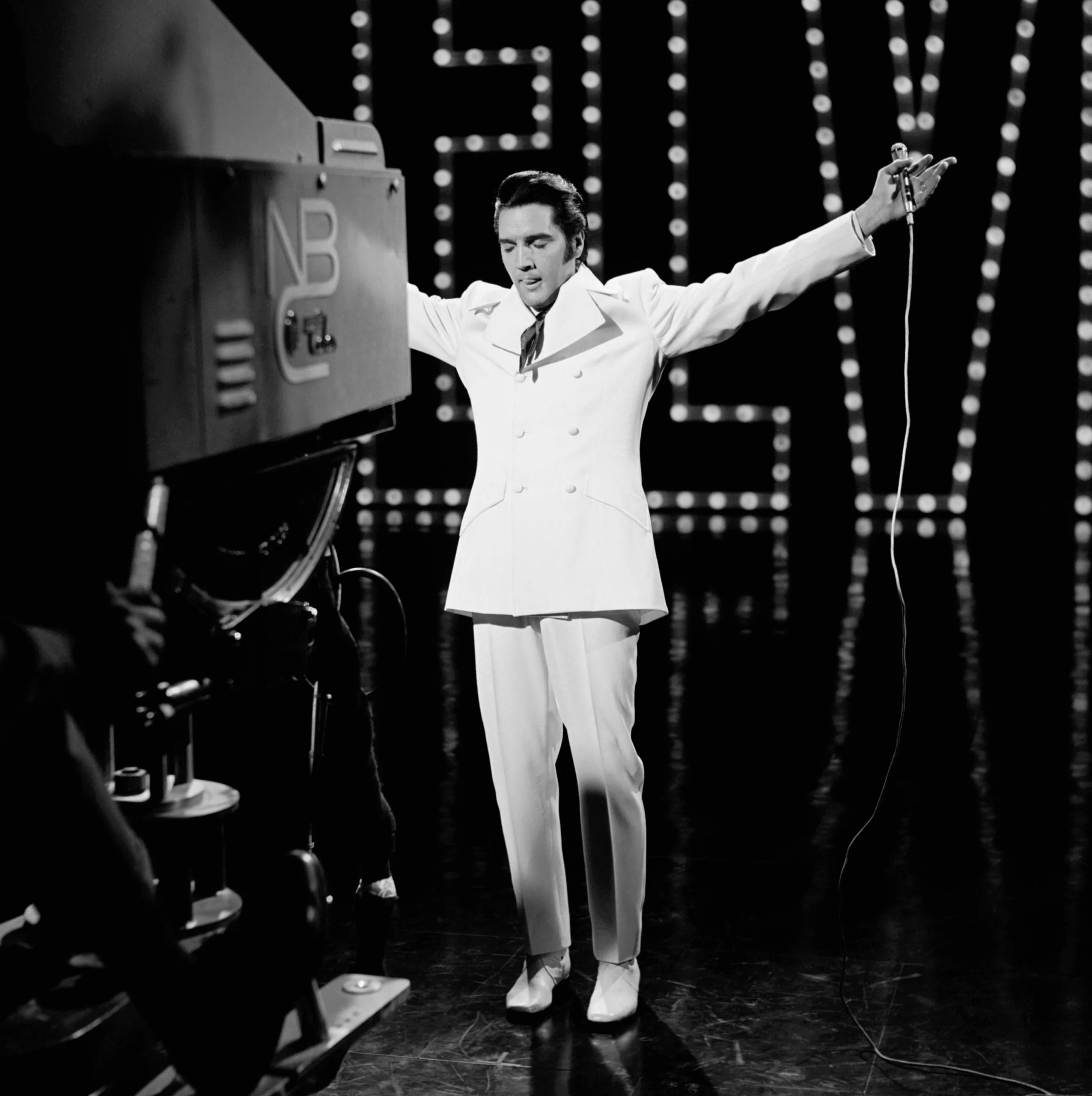
Revitalised, Elvis recorded new songs, including In The Ghetto and Suspicious Minds. For the first time in a long while, he was back on top of the charts. And then Vegas came calling.
He wowed audiences and revitalised his album sales over a four-week, 57-show stint at The International hotel in 1969. The following year, he returned for an equally gruelling schedule.
It’s this period that EPiC showcases, in footage that is so incredibly well-rendered that you feel like you are part of the screaming audience while watching the film.
“This concert was about Elvis taking control again of who he was,” Baz says now. “Being on stage was something that nobody else could get in the way of. No script, no director. Just him. He is utterly in control.”
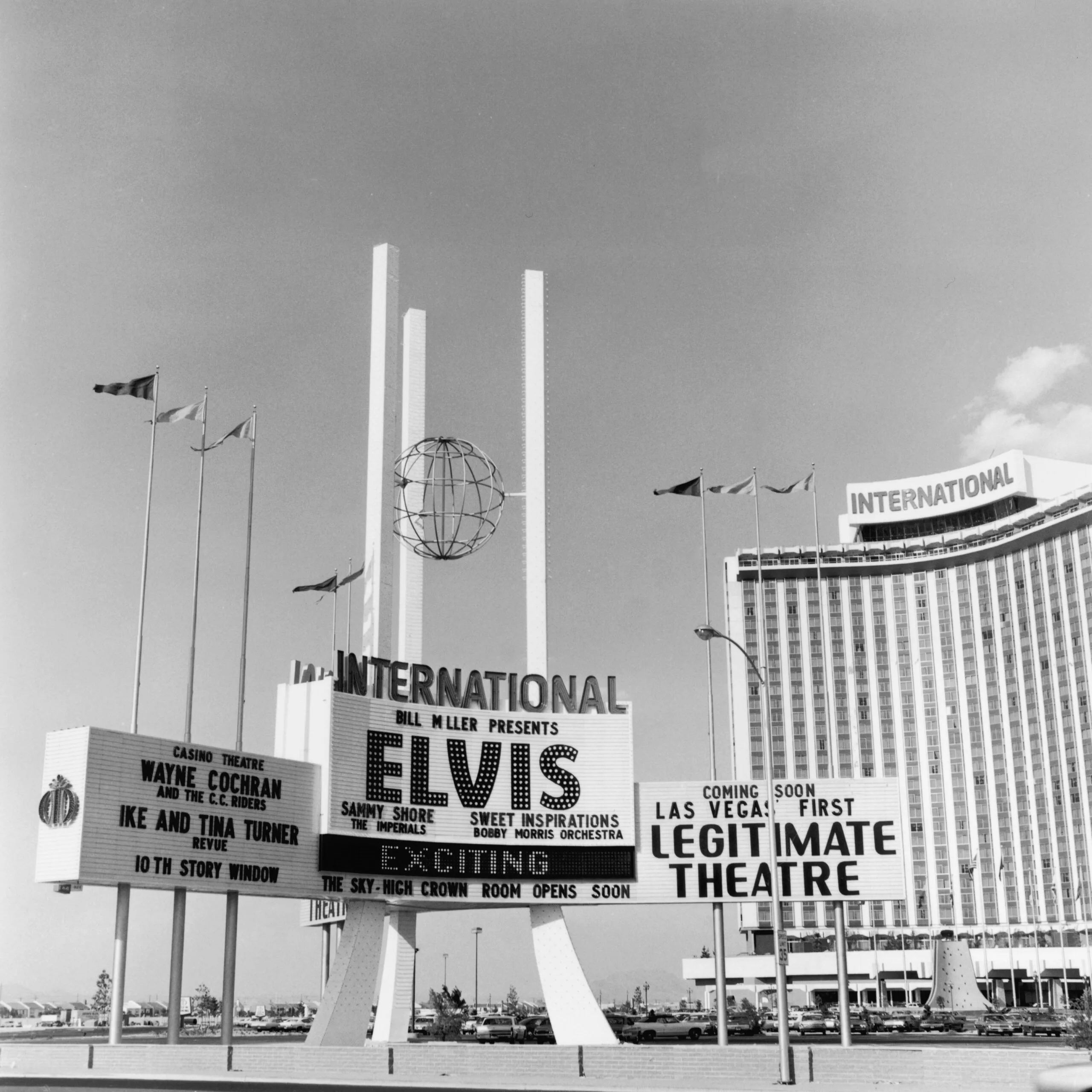
When did Elvis Presley have his Vegas residency?
The first International residency had set Vegas records, and the second outstripped those. There were more advance reservations for Elvis’ concerts than for any other artist in history.
The show was a mix of hits old and new (in rehearsal footage, Suspicious Minds is so fresh that Elvis is singing the lyrics off a piece of paper), as well as covers of songs by acts like Simon & Garfunkel and The Beatles. He’d crack jokes, tell stories, interact with the audience. It was a physical performance, filled with dancing and leaping about.
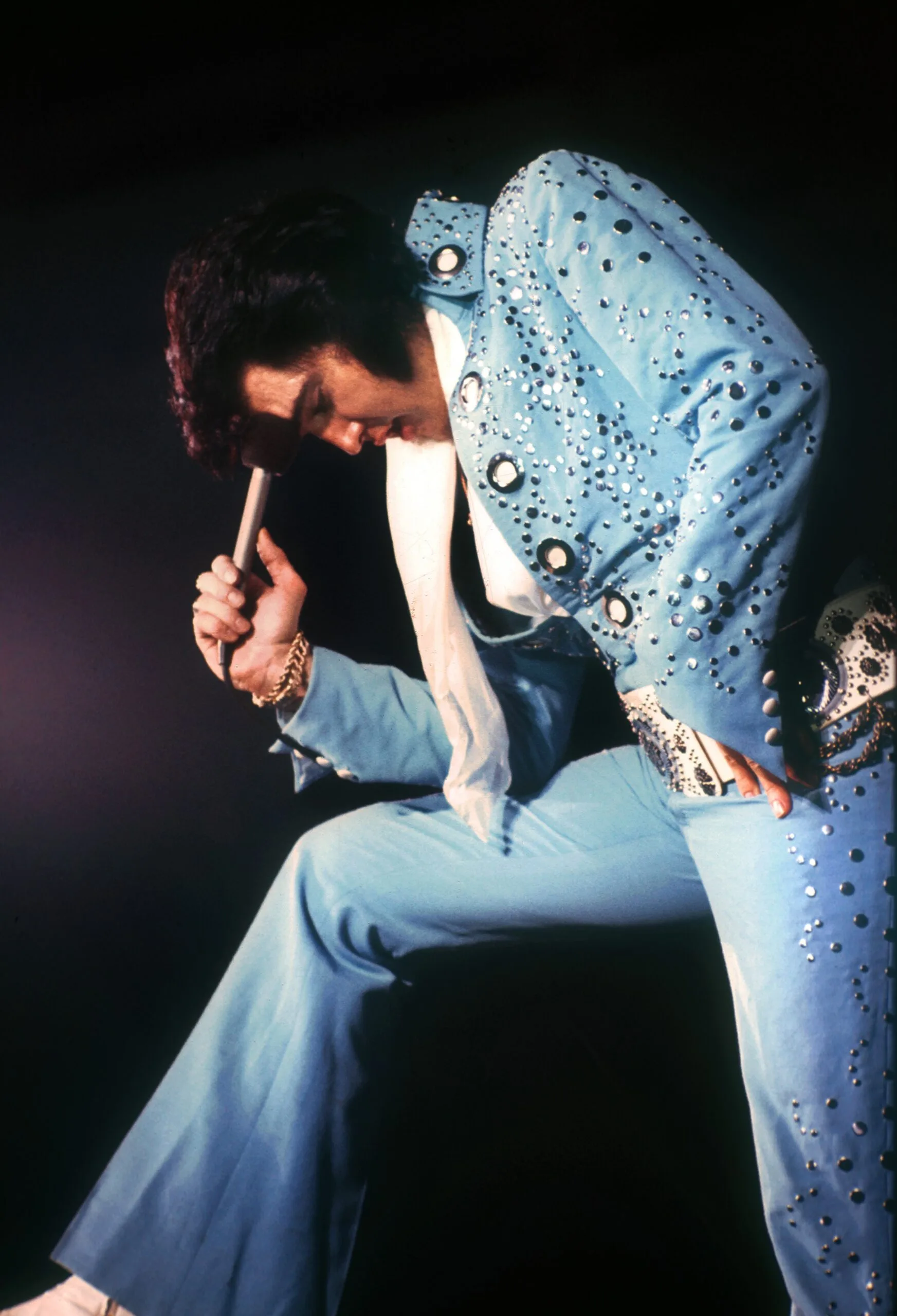
“I may lose four or five pounds a show, easily,” Elvis reveals in EPiC. He would perform night after night. sometimes up to three shows a day, and each session was unique. People deserved a spectacle, he felt. It was his job to ensure that nobody left without having the best night of their life.
“If I stood up in front of an audience and did nothing but sing,” he explains, “they wouldn’t come and see me next time they came back.”
Elvis had a repertoire of more than 150 songs to choose from. If something wasn’t working, he would swap it out for something different to get the audience back in the zone.
He was a born showman, and that shone through in every performance. On stage he was invincible. But despite these gifts, says Baz, when the lights went down, that charismatic confidence faded away.
“Deep down, he was still that little kid from East Tupelo,” the director says. “That’s important to say, because that was the poorest of the poor. His father went to jail – and it was one of the worst jails in America. You cannot overstate how shameful that was. And I think it made Elvis forever have an insecurity and a vulnerability.”
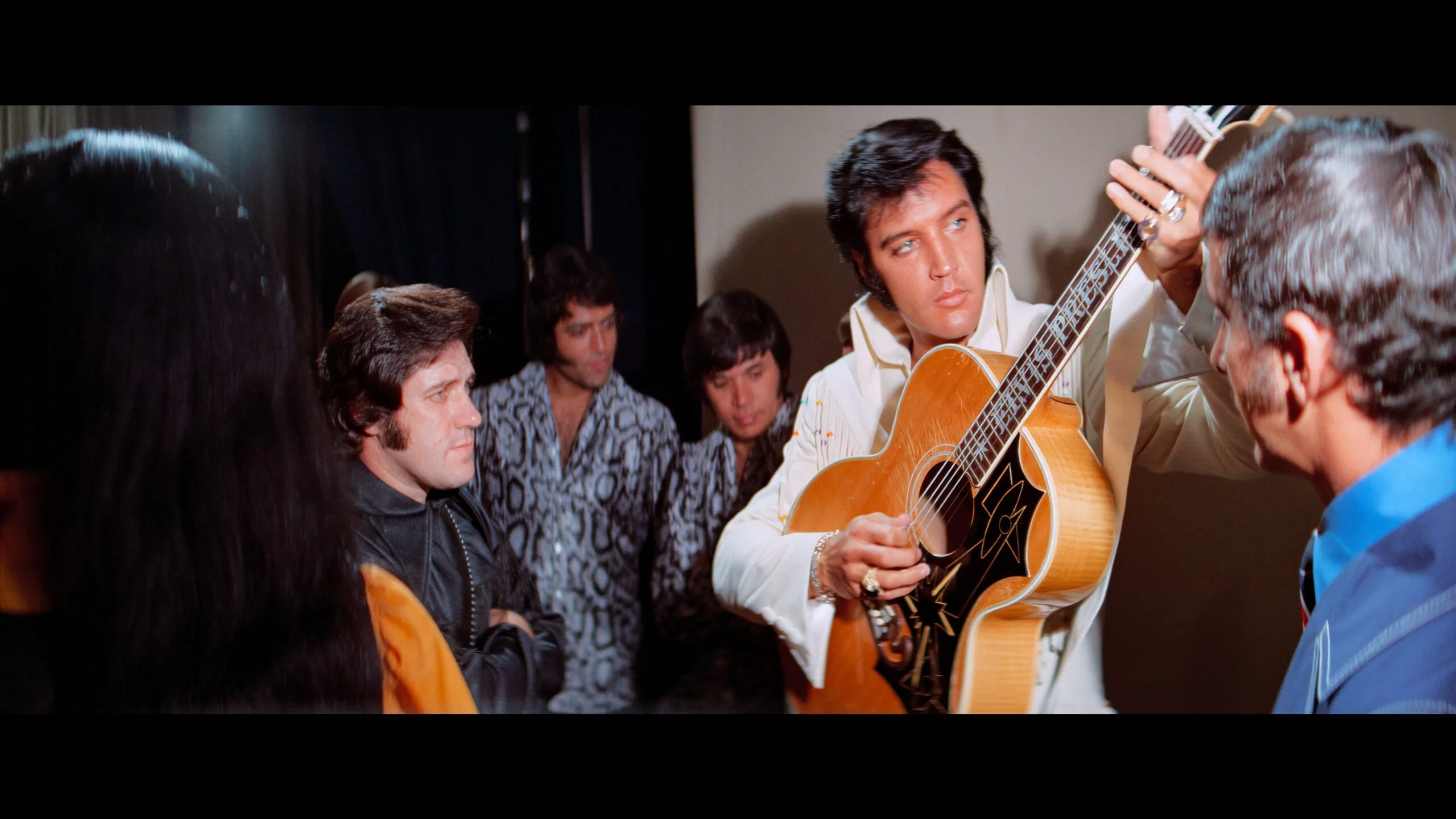
Elvis on tour
During the filming of the footage that would become EPiC, there were no signs of the ill health and addiction that would mar Elvis’ final years, leading to his premature death in August 1977 at the age of just 42.
“If there’s anything I’ve tried to do, I’ve tried to live a clean, straight life,” he tells a reporter in one scene.
When the shows were done for the day, far from hitting the party scene, Elvis and his band would often wind down by playing gospel songs together until dawn.
He steered clear of political topics, declaring himself “just an entertainer”. But he was making songs that were giving incredible social commentary.
The songs that enraged the Colonel
In the game-changing ’68 Comeback Special, the singer closed the show with the track If I Can Dream, which was penned in the wake of the assassinations of Martin Luther King Jr and Robert F. Kennedy.
He croons in the first verse: “If I can dream of a better land, where all my brothers walk hand in hand/Tell me why, oh why, oh why can’t my dream come true? Oh why?”
Baz recalls finding telexes from an enraged Colonel Parker when he learned of the plan to perform the song – one that would see Elvis declare he’d never again sing something he didn’t believe in.
“He was saying, ‘If Elvis doesn’t close the show with a Christmas song, you’ll never work in this town again’,” the director tells us.
And then there was In The Ghetto. The haunting track recounts a cyclical tale of poverty, imbalance and urban struggle, a message that resonated with Elvis’ audience. Coming as it did so soon after the special, Colonel Parker was unhappy with the choice. But again the singer stayed true to his convictions.
“We are in a very politically volcanic moment right now where people are divided and taking sides, and something’s getting lost in the smoke and mirrors of politics,” says Baz. “That was also very alive in 1969. Elvis is not a particularly talkative person. But he can really touch and communicate on a profound level through song. I think he always tried to express himself in the one way that he knew he wouldn’t fumble, that he wouldn’t be misunderstood.”
What was Elvis Presley really like?
In wading through all this footage and following years of research, Baz discovered many unremarked-upon layers of the man they still call the King. But the one which stands out most is that Elvis had a great sense of humour – something you discover for yourself when watching the film.
“It is striking how self-effacing and funny he is,” Baz says. “He’s been given the gift of beauty – he’s not just handsome, he’s beautiful. And he’s sexy, which he worked on cultivating. And then he can sing and move. But a part of him is always a bit like, ‘Why me?’ And so he makes fun of it, of himself, a lot. And I think that’s surprising. He certainly doesn’t take himself seriously.”
It’s discoveries like that which continue to delight Baz. And certainly it means there may be more to come – something that will hearten fans both old and new.
“I thought Elvis had left my building some time ago,” Baz says, as we wrap up our chat with a question about whether is his last Presley project. “But I think probably Elvis will never leave the building for me.
“I’ve realised that somehow by osmosis I’ve become entwined in the fabric of Elvis’ legacy, life, character, all of that. I can’t devote all my life to it, but I can’t see myself ever being untangled. And I’m quite at peace and happy with that.”
EPiC: Elvis Presley in Concert is released in cinemas on February 19.

