




At a glance
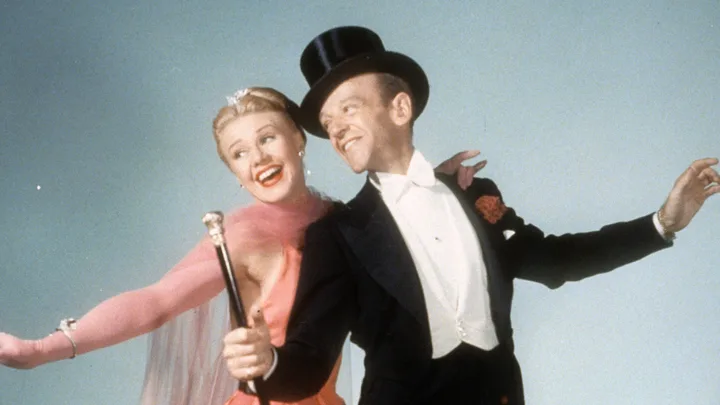
- During the 1930s, Fred Astaire and Ginger Rogers made nine films together – and set the box office on fire.
- Each star had gone their separate ways until director Charles Walters reached out to Ginger in 1949 after his lead actress called in sick.
- The Barkleys of Broadway would be their 10th outing – as well as their only film in colour.
- Content Warning: This article touches on the topic of suicide and substance abuse
Director Charles Walters had barely called “Action!” on the first scene of the 1949 film The Barkleys of Broadway when it became evident things weren’t going to go well. The leading lady, Judy Garland, was a mess.
Judy and her co-star Fred Astaire had proven chemistry. Their first film – Easter Parade, released less than 12 months earlier – had been a massive box-office success. It was MGM’s highest-grossing film of the year, winning critical and audience praise for both actors.
But Judy had recently made her first suicide attempt. She had spent two weeks in a psychiatric hospital and was struggling with prescription drug and alcohol dependency. Soon, she was calling in sick and missing shooting days.
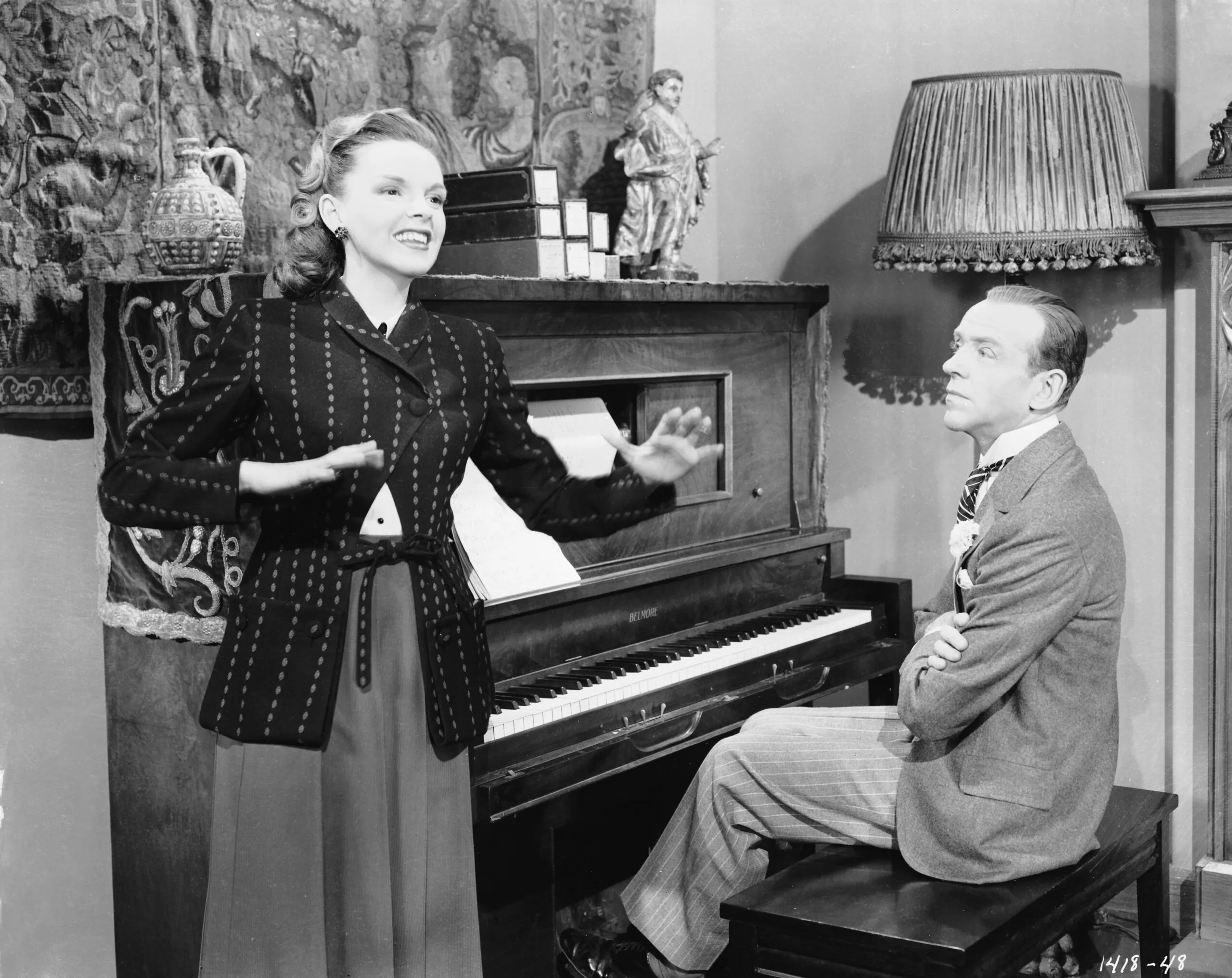
With her doctor advising she’d only be able to work for short bursts of time, with massive rest periods in between, MGM Studios executive and producer Arthur Freed decided she was too big a risk and suspended her contract less than a month into production.
Now, what to do about finding a new star?
She needed to be someone who could sing and dance. Someone with impeccable comedic timing. And someone who could hold their own against the estimable Fred.
It had been 10 long years since Fred had danced alongside his old pal Ginger Rogers. But the duo had never been anything short of a smashing success – and she certainly fit the bill. Ginger had recently sent Arthur a note of congratulations on the success of Easter Parade. And it had planted a seed in the producer’s brain. Would, he wondered, Ginger step in?
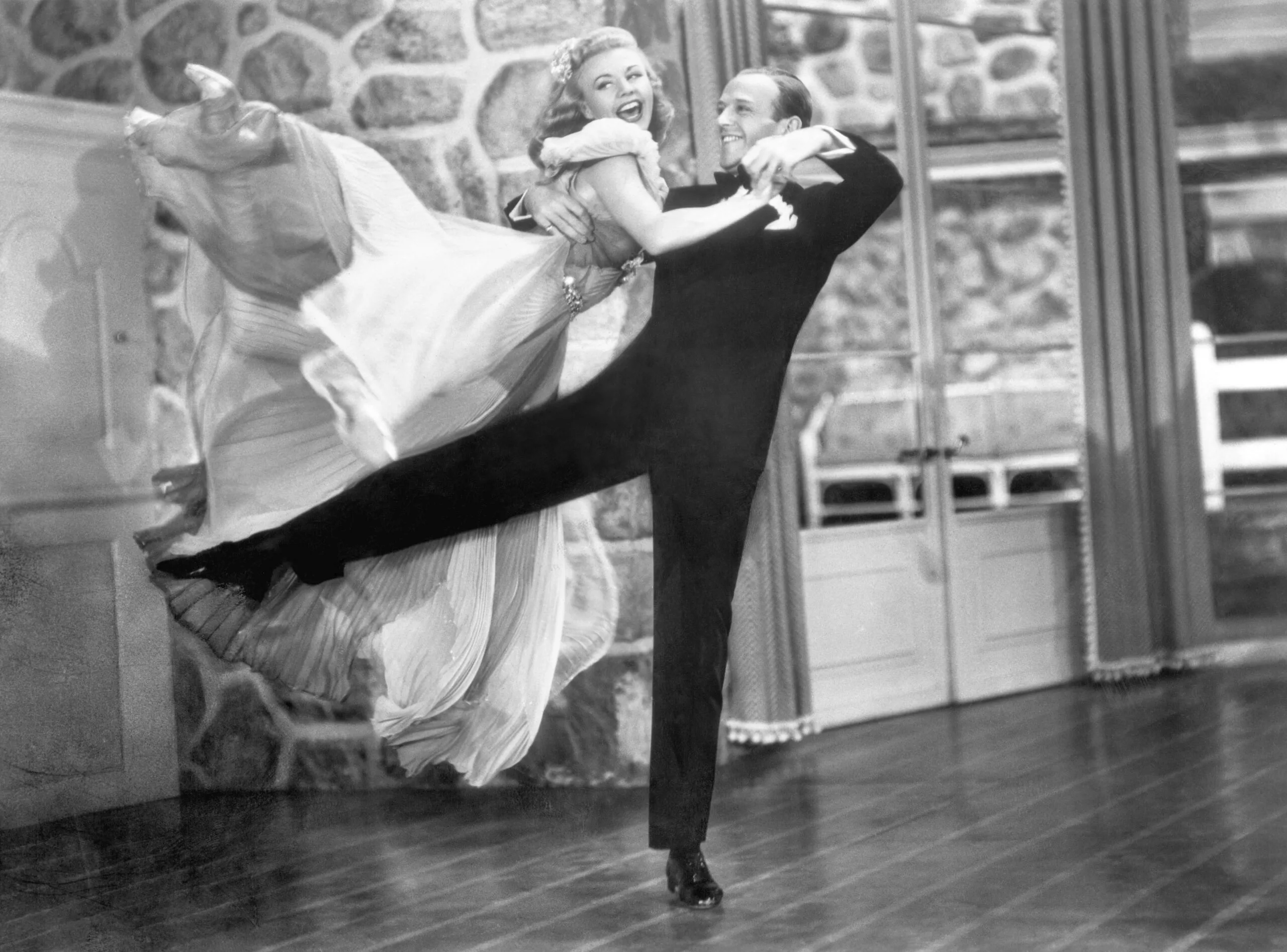
The answer was yes, she would.
“When they found out that Ginger was available, it was one of the great moments,” Fred’s daughter Ava Astaire McKenzie later said. It would be the pair’s 10th film together, and their only one in colour. Meanwhile, the news that Fred and Ginger were getting the band back together again caused a sensation.
The New York Times reported that no reunion was more “universally desired” – with the possible exception of Russia and the US.
“When Ginger Rogers arrived on the sound stage for the very first time, everybody was standing around with great anticipation, tears in their eyes, as they watched her come in and walk over to [Fred],” says biographer Larry Billman. Her old friend reportedly hugged her and said, “Let’s get to work.”
It was immediately clear the magic was still there after all those years. “The jewel in the picture is when they perform ‘They Can’t Take That Away from Me’,” says Larry. “It’s everything they meant to us.”
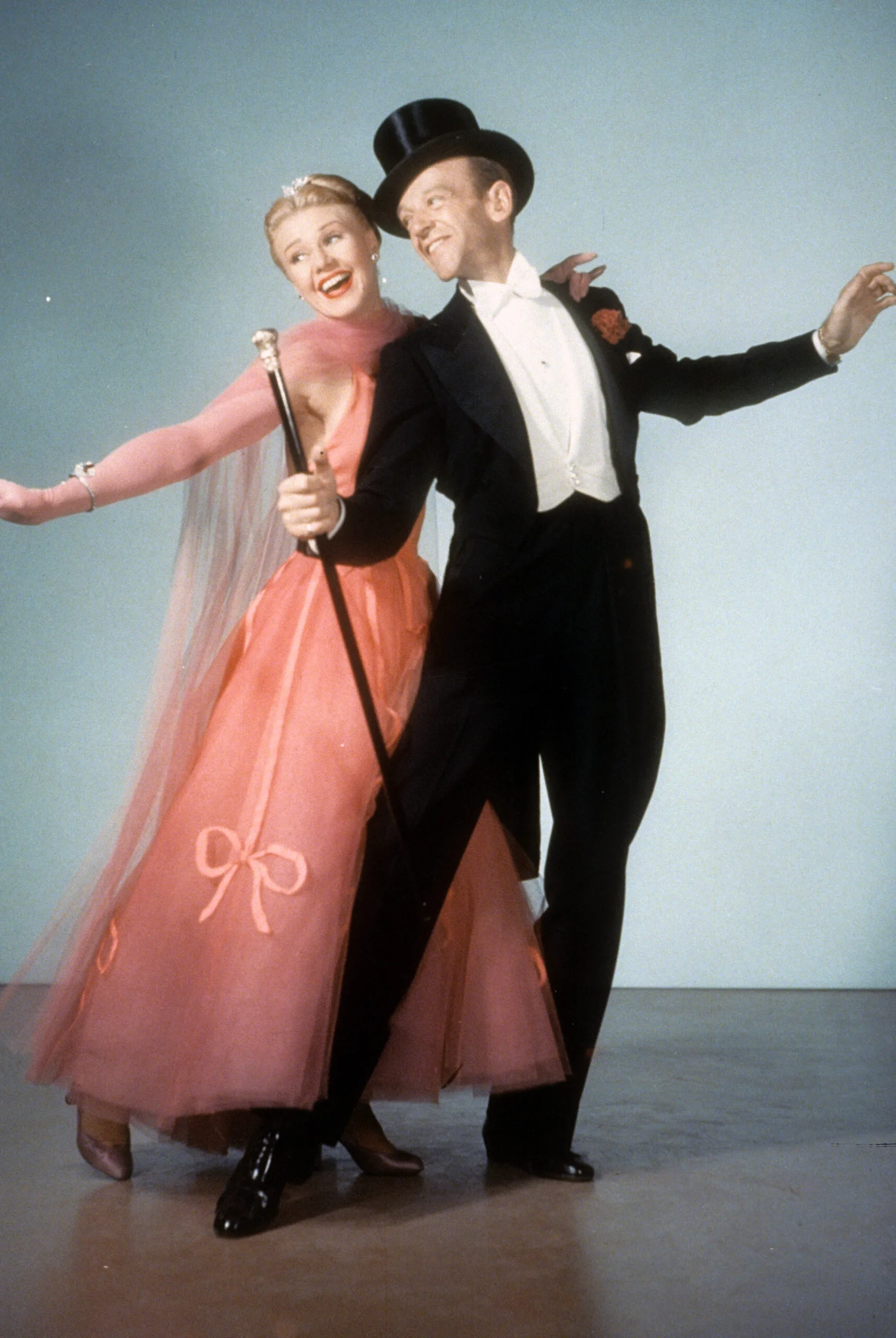
Fred and Ginger’s final film together, about two performers who split up when the wife pursues a dramatic career, was in some ways life imitating art.
Fred had been a devoted dancer from the age of four, whereas Ginger had always felt an inexorable pull towards serious roles. However, they both got their start on the stage.
In 1923, a 12-year-old named Virginia Katherine McMath won a Charleston competition in Texas. Part of the prize was a vaudeville tour, so Virginia’s mother Lela gave up her job as a reporter so her daughter could work on the stage. The girl with the strawberry-blonde hair used her childhood nickname as her stage name: Ginger.
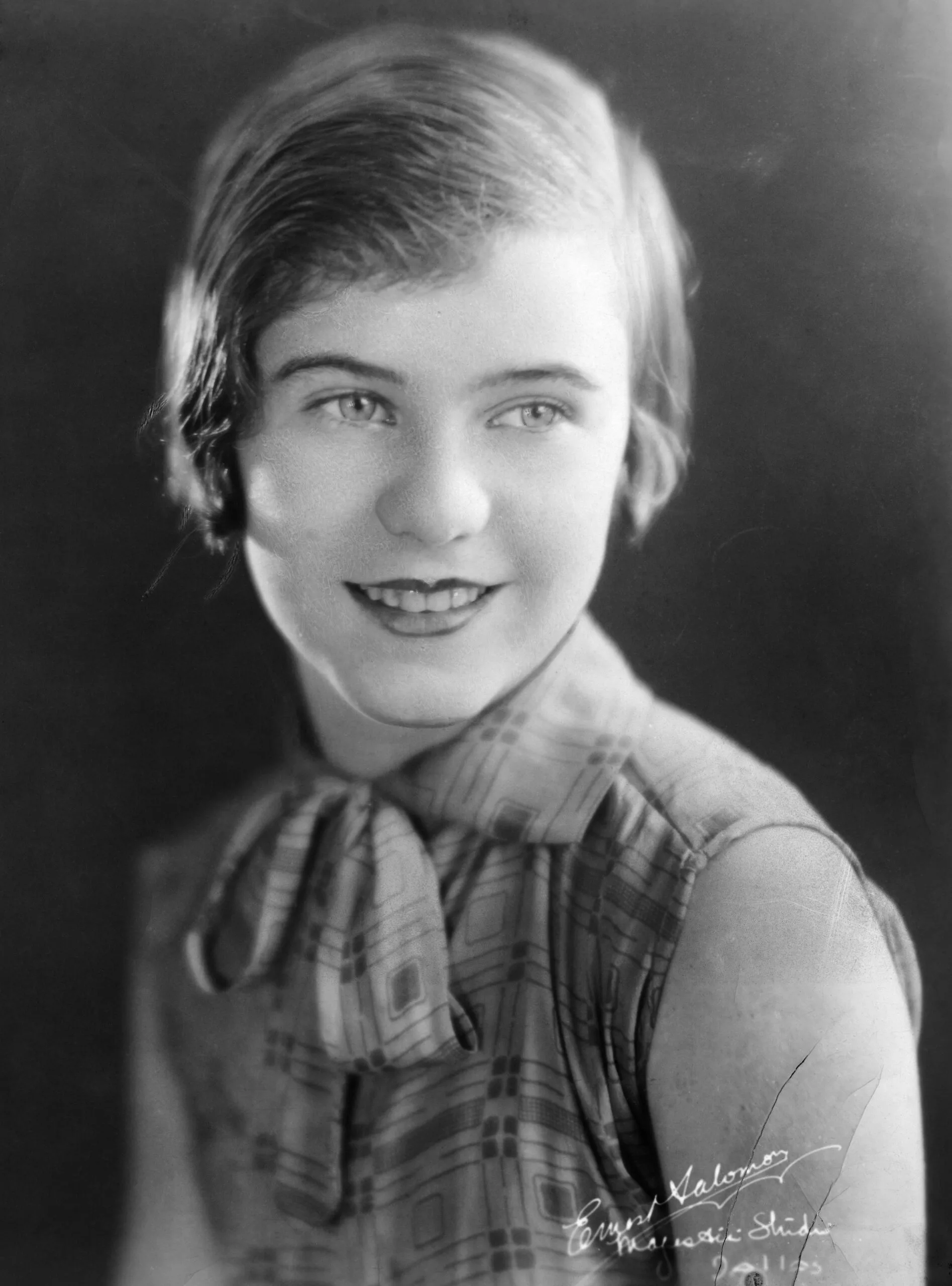
“I was on the stage before I knew it and I had to learn my craft as I went,” Ginger said in 1980. When she was 17, Ginger fell in love with and married another dancer, Jack Pepper. The marriage quickly fell apart, and in 1931 Ginger went to Hollywood, appearing in films such as 42nd Street and Gold Diggers of 1933 as a contracted player.
At the same time, a stage performer named Fred Astaire was letting it be known that he was interested in making movies. Fred was already a well-known theatre star, together with his sister Adele. But when Adele abruptly left their partnership to marry a British aristocrat, Fred decided to pursue new opportunities.
While Ginger was working at RKO Studios, a talent scout for the same company, Katharine Brown, met with Fred to do a screen test involving a polite conversation on camera.
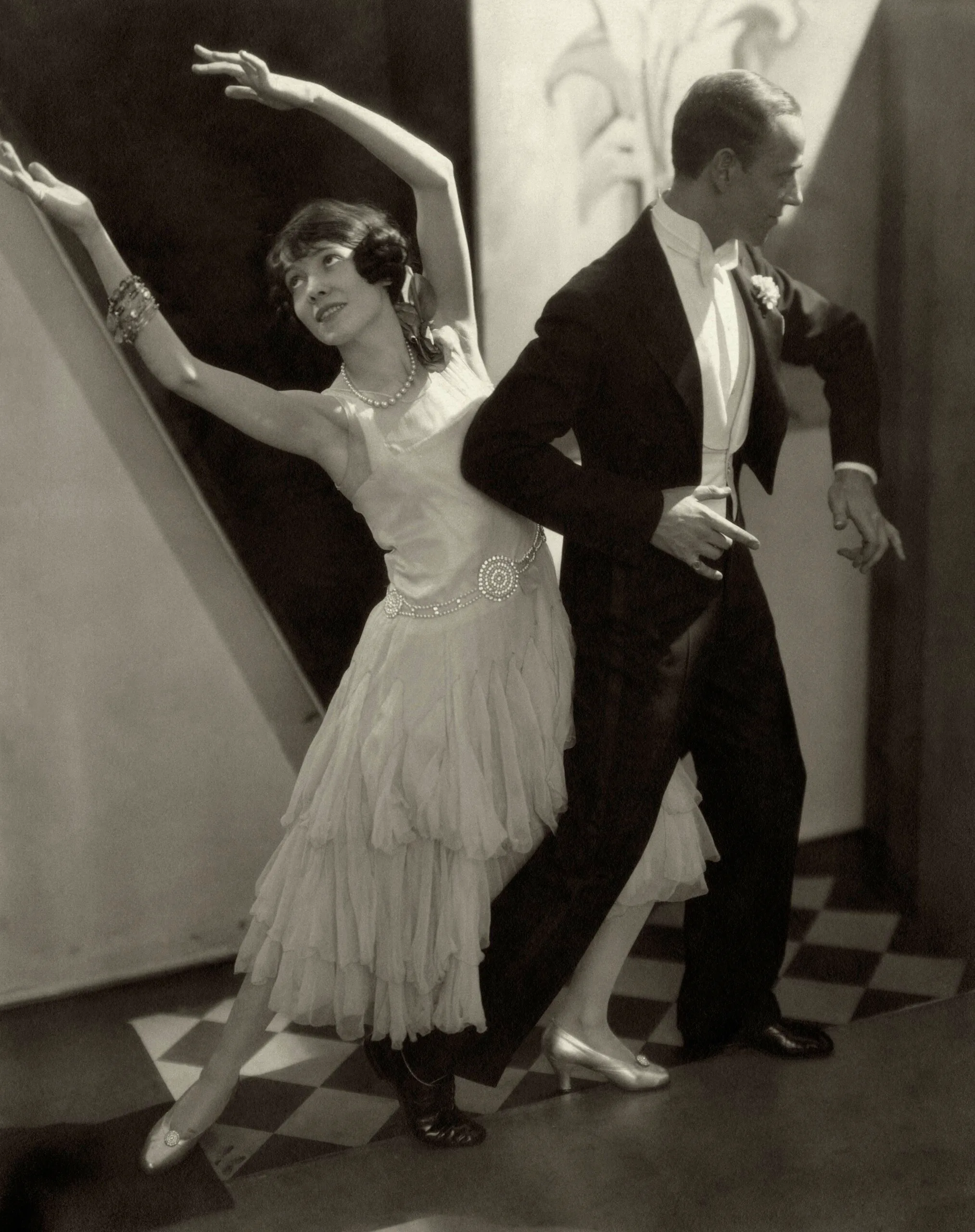
“Mr Astaire was a great star – you didn’t ask Mr Astaire to come and do a scene,” Katharine explained. The studio simply wanted to see what he was like on camera. “What that cameraman got … was absolutely charming,” she added.
Fred was first cast to appear as himself with Joan Crawford in Dancing Lady (1933). Debuting on screen in top hat and tails, the 34-year-old star took the first steps in a career that would change the way Hollywood made musicals.
Next, the studio gave him a larger part, pairing him with Ginger in the film Flying Down to Rio (also 1933). It was the first time they have ever danced together on screen – but Fred and Ginger had actually met in a club years before they would meet again in Hollywood.
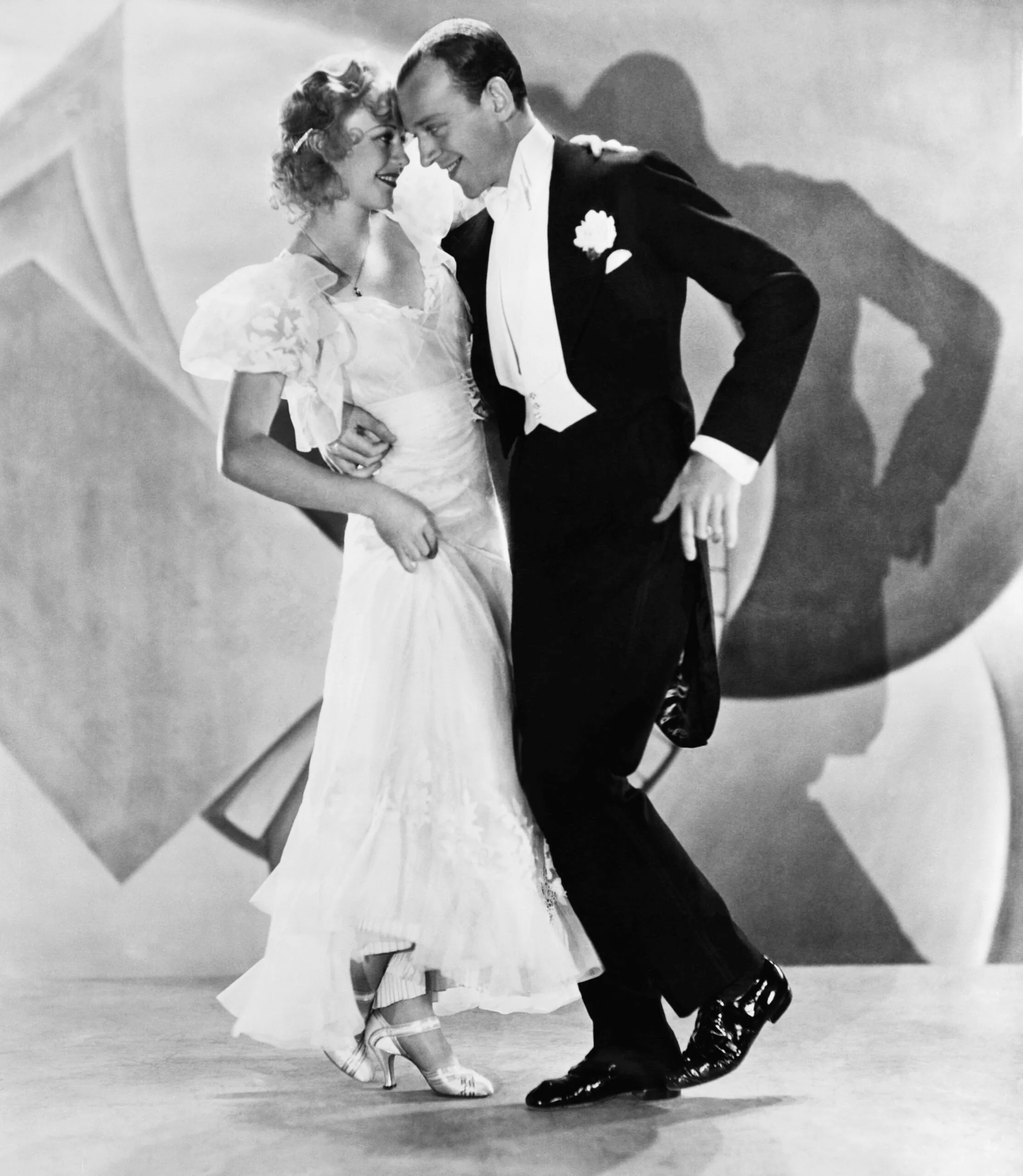
“I was from Texas – I had never heard of Fred Astaire, so it didn’t mean anything to me,” Ginger said in 1991, describing dancing with Fred at the nightclub. “That’s why I guess I had such fun dancing with him.
“I thought, ‘Gee, he’s great to dance with’. We did all sorts of whirls and turns and everything like that automatically, and the band leader was so pleased with us. He said, ‘You really should do something together,’” she laughed.
The band leader was on to something.
In the original Flying Down to Rio screenplay the stage directions for Fred and Ginger’s scene simply said, “They get up and dance.” The two characters then performed a routine so show-stealing that cinema audiences burst into applause.
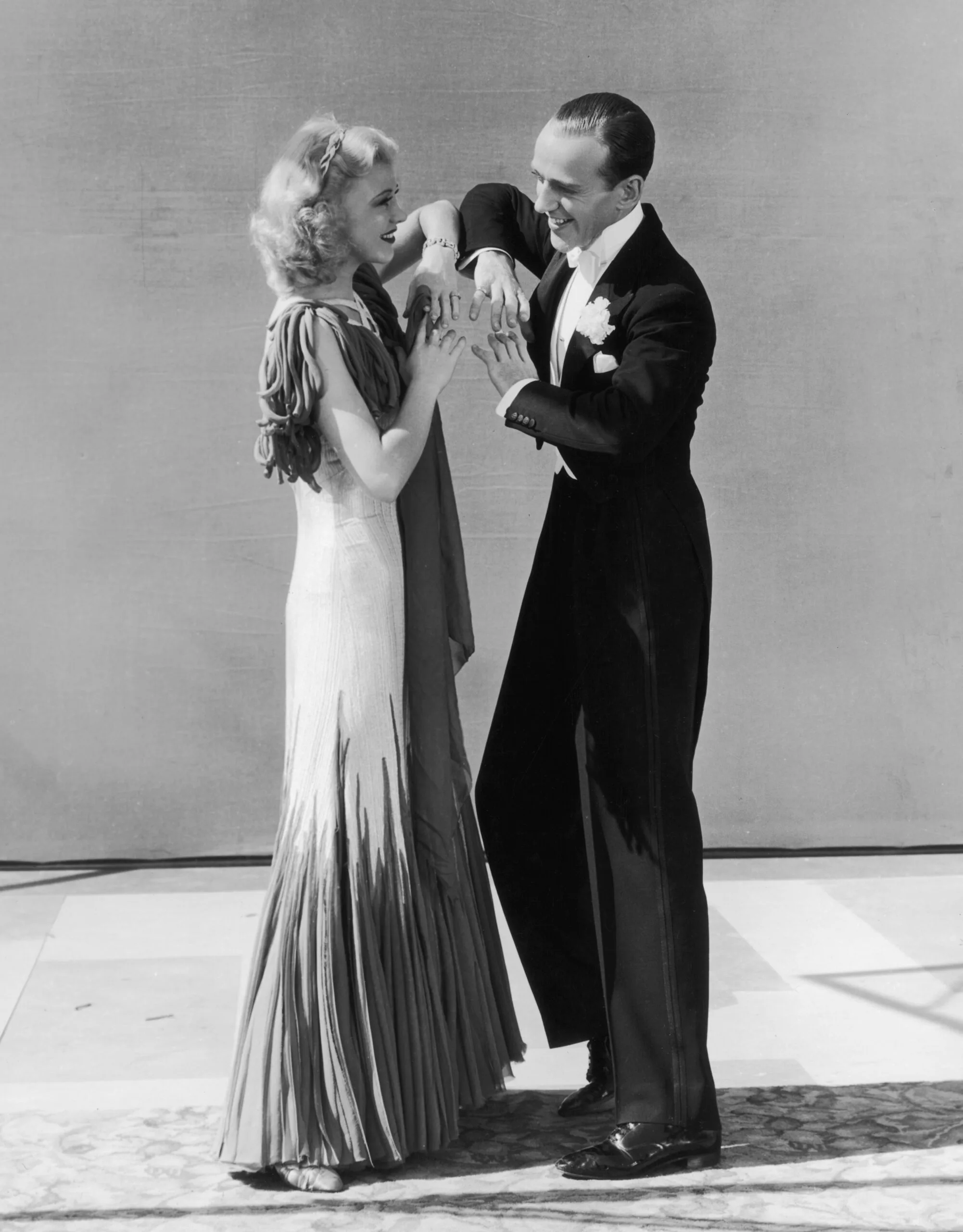
“I’d never heard applause in a movie theatre before,” recalled choreographer Hermes Pan. “Right away the studio knew, ‘We’ve got something big.’”
RKO decided to cast Fred and Ginger as the leads in The Gay Divorcee (1934). Fred wasn’t thrilled at the idea, and producer Pandro S. Berman said he went through “a lot of hell” getting the two of them to make picture after picture.
Finally, Pandro convinced RKO to give Fred a new contract cutting him in for 10 per cent of the profits. “His reluctance to work with her evaporated,” Pandro said.
After The Gay Divorcee, the stars made seven more films in quick succession.
They were an unexpected match, but the combination worked. Ginger was a good dancer, but Fred was in a league of his own, and she worked hard to bridge the gap.
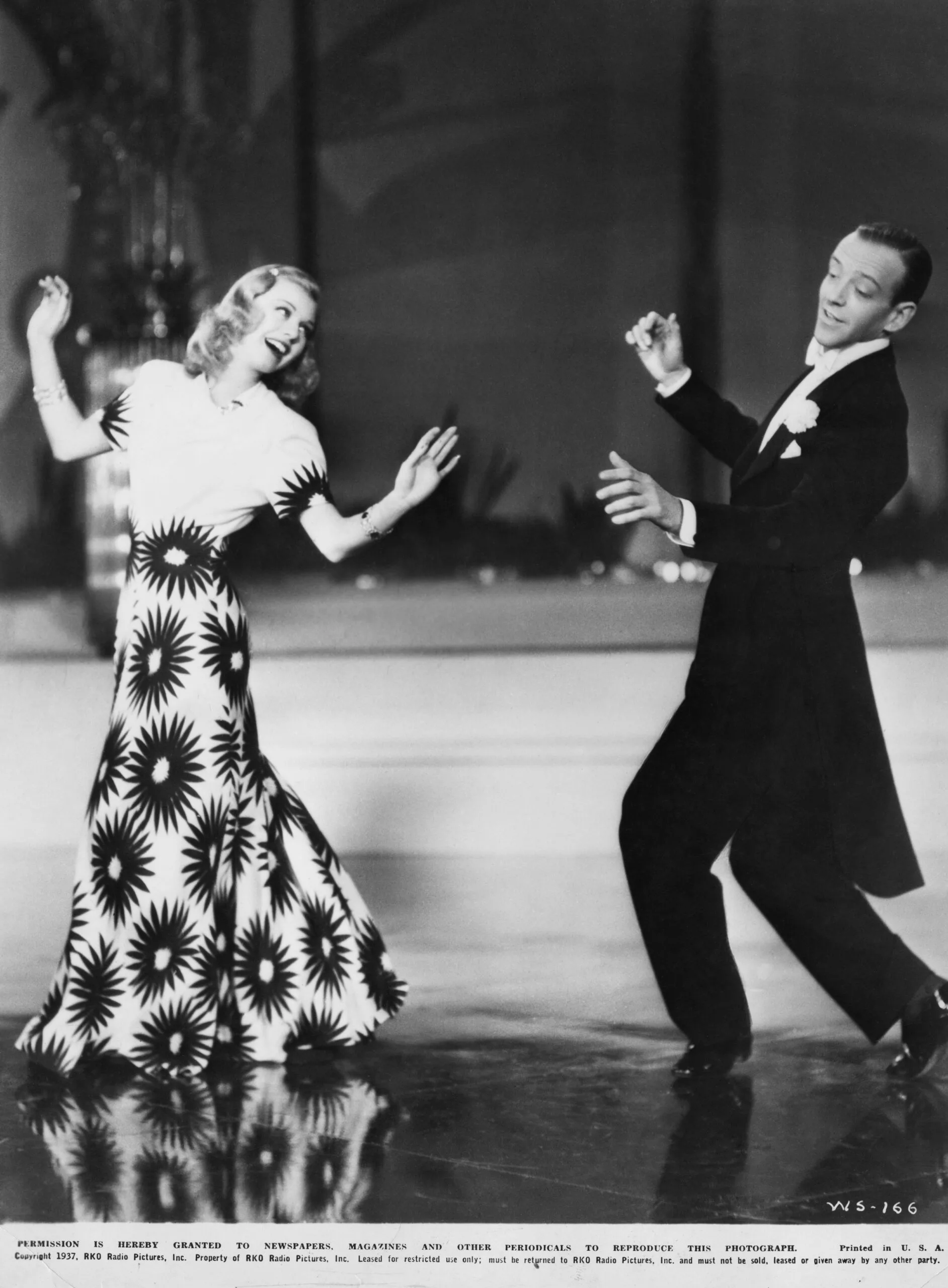
“We spent six weeks in daily rehearsal and didn’t go into principal photography until after the six weeks were used up,” she remembered.
“We’d dance all day, every day in a rehearsal hall on the stage at the studios. We had a great deal of fun because something about rehearsals [is] really very exciting.”
Fred grew to appreciate her work ethic and ability to deal with his perfectionism.
“When you have a dancing partner, there’s always going to be a time that the girl is going to cry,” he once said. “Ginger didn’t do that. But most every other girl that I worked with cried because they said, ‘Oh, I can’t do it.’”
And Ginger’s riposte? “Fred is quite a perfectionist!”
But they respected each other, and each other’s commitment to their work.
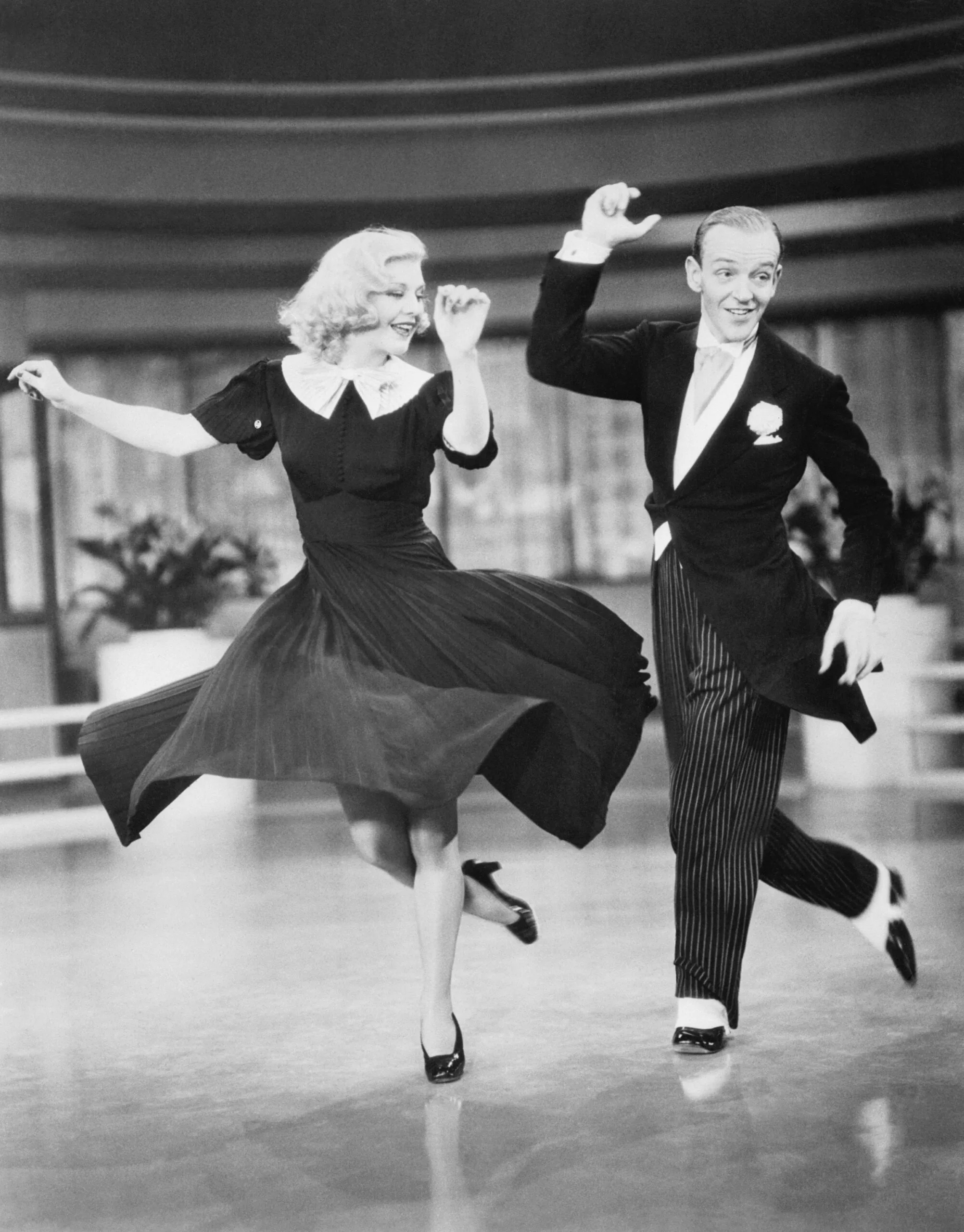
One dance scene that was particularly challenging was a performance in Swing Time in 1936, as the two dance and then run up a double staircase to complete their routine on the second level – requiring filming to halt so the cameras could be lugged upstairs.
“Those numbers were long,” Ginger recalled. “We took something in the neighbourhood of 80-odd takes. I don’t remember the exact number.”
Writer Allan Scott once noticed Ginger change her shoes during a break. “I thought they were pink, but they were slippers filled with blood.”
“She could hardly walk,” recalls Hermes Pan. “Fred was dripping. He had changed his shirt five or six times.” But they kept at it until the scene was done.
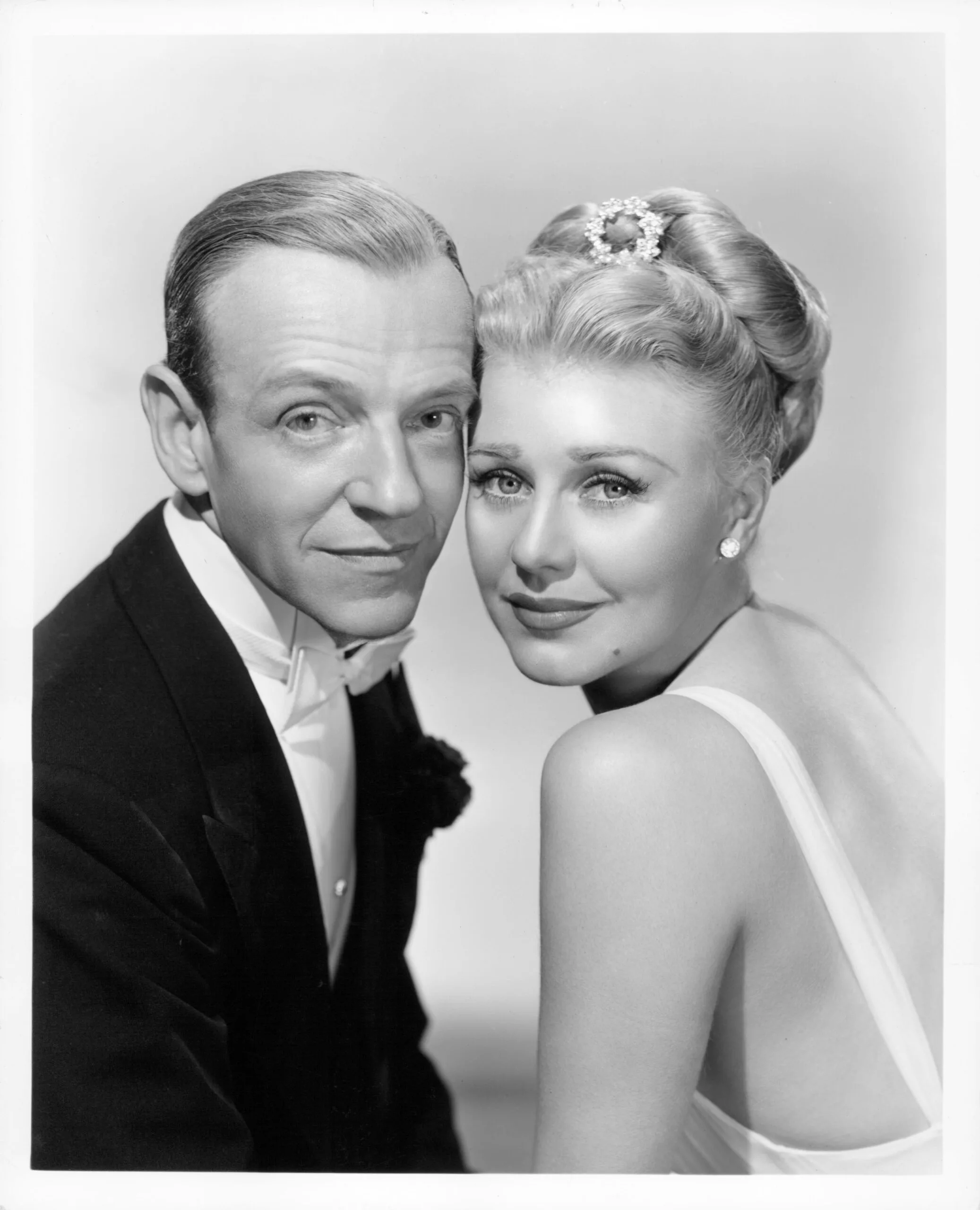
Fred and Ginger were fully committed to every routine they did. During one sequence – ‘Let’s Face the Music and Dance’ in their fifth film together, Follow the Fleet (1936) – she wore a beaded dress that weighed 16 kg. It had long bell sleeves that became dangerous weapons as she twirled.
“As I would spin I’d come around, and I didn’t realise it, but it would slap him in the face,” Ginger recalled.
“I said, ‘What the hell was that?’” Fred laughed.
The Hollywood press loved to report rumours of a rivalry between the long-standing co-stars, but both insisted this was something cooked up by the RKO Pictures publicity department, and in fact they were the firmest of friends from start to finish.
“I love him. I just adore him and he knows I do too,” Ginger said in defence of her favourite co-star. “We’ve always had the nicest camaraderie between us.
“We were a team.”

This story appeared in the 4th issue of The Australian Women’s Weekly ICONS. Buy back copies HERE.

