




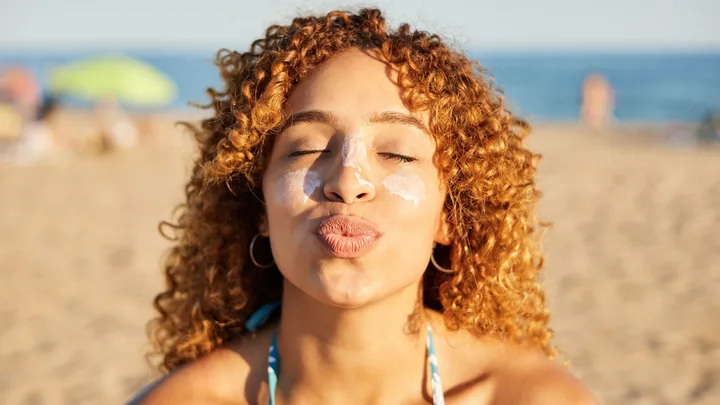
Australian’s are no strangers to sweltering weather, but a heat wave can have damaging effects on our health which is why you need to prepare immediately.
Yet another heat wave is coming this summer, with the Bureau of Meteorology warning that some states will experience temperatures of about 40C and over.
The week-long event will start Monday, January 5, 2026. These 40C temperatures will be felt in NSW, Victoria, South Australia and Western Australia, according to BoM forecasts.
The highest temperature ever recorded in Australia is 50.7°C, and it happened twice. Once in Oodnadatta, South Australia, on January 2, 1960, and again in Onslow, Western Australia, on 13 January 2022.
Could we be in for a third occurrence? Here’s everything you should know about heat waves and how to protect yourself:
How heat affects our health
“Prolonged exposure to high temperatures can lead to heat-related illnesses, including heat exhaustion and heatstroke,” says Dr Tanya Unni.
“These conditions can manifest with symptoms such as excessive sweating, dizziness, nausea, and in severe cases, confusion and loss of consciousness. Individuals with pre-existing medical conditions, particularly cardiovascular diseases, may experience worsened symptoms due to the stress placed on the body by extreme heat.”
While there is collective worry about the impending heatwave, Australian Red Cross’ Chief of Staff, Penny Harrison, claimed that this “concern is not translating into active preparation”.
“We know the better prepared you are, the better your capacity to respond and recover from any emergency. Just thinking about it is not enough.”

How to prepare for a heat wave
“To prepare for the impending heat wave in Australia, it is imperative to adopt a proactive approach,” says Dr Tanya.
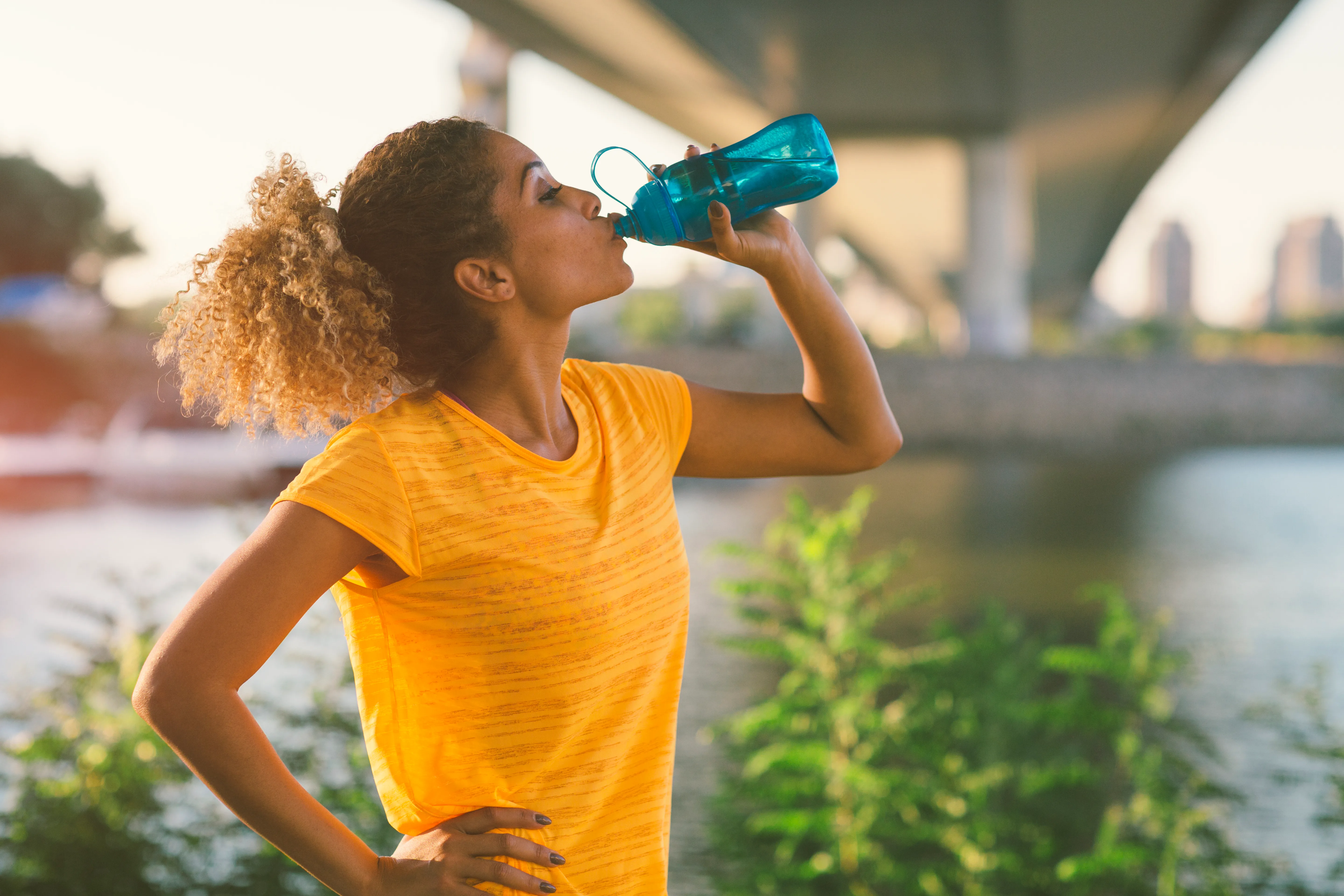
“First and foremost, staying informed about weather forecasts and heatwave warnings is essential. Adequate hydration is crucial; individuals should consume ample water throughout the day to maintain proper fluid balance.
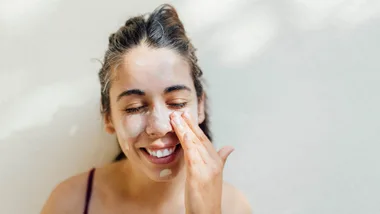
“Additionally, it is advisable to wear lightweight and loose-fitting clothing, use sunscreen to protect against harmful UV radiation, and avoid strenuous physical activities during the hottest parts of the day.”

Those are the steps we can take to prepare, but the reality will always be different. So, once the heat hits, how can we protect ourselves?
How to protect ourselves from extreme heat
- Stay hydrated: “Drink plenty of water throughout the day, even if you don’t feel thirsty,” says Dr Tanya. “Dehydration can worsen the effects of heat, so aim to maintain proper fluid balance. Avoid excessive caffeine and alcohol, as they can contribute to dehydration.”
- Time your activities wisely: “Plan outdoor activities during the cooler hours of the day, typically in the early morning or evening, to minimise heat-related risks.”
- Use sunscreen: “Apply a sunscreen with a high SPF rating to exposed skin to protect against harmful UV rays. Sunburn can increase your risk of heat-related illnesses and make you feel even hotter.”
- Seek shade: “When outdoors, shade significantly reduces the heat absorbed by your body and helps you stay cooler. Wearing a wide-brimmed hat and sunglasses can offer additional protection from UV rays.”
- Remember to check on vulnerable individuals: “During summer, it is also important to keep an eye on vulnerable individuals around you, such as the elderly, children, and those with pre-existing medical conditions as they are more susceptible to heat-related illnesses.”
It’s one thing to protect ourselves from the health consequences of the heat wave in Australia. But what about when we have been exposed to heat, and simply need to cool down?
How to cool down quickly
- Use cool compresses: “Apply cool, damp washcloths or compresses to areas with high blood flow, such as your forehead, neck, wrists, and ankles,” says Dr Tanya. “This helps lower your body temperature by promoting heat loss through the skin.”
- Wear appropriate clothing: “Look for lightweight, loose-fitting, and light-coloured clothing in natural fibres such as cotton or linen, as they provide breathability during the hotter months.”
- Take cool showers or baths: “A refreshing cool shower or bath can provide immediate relief from the heat. The water should be comfortably cool, but not too cold, to avoid shock.”
- Utilise cooling measures: “If available, use fans or air conditioning to maintain a comfortable indoor environment. If these options are not accessible, employ cool damp cloths, take cool showers, or use a spray bottle to mist your skin.”
- Stay hydrated with electrolytes: “Although staying hydrated is necessary all year round, when you do drink water, consider adding electrolyte solutions. These can help replace essential minerals lost through sweating, aiding in your body’s cooling mechanism.”


