




At a glance…
- CONTENT WARNING: This article discusses matters relating to domestic and family violence, animal abuse and coercive control.
- Lucy’s Project is an Australian organisation focused on the intersection between family and domestic violence and animal abuse.
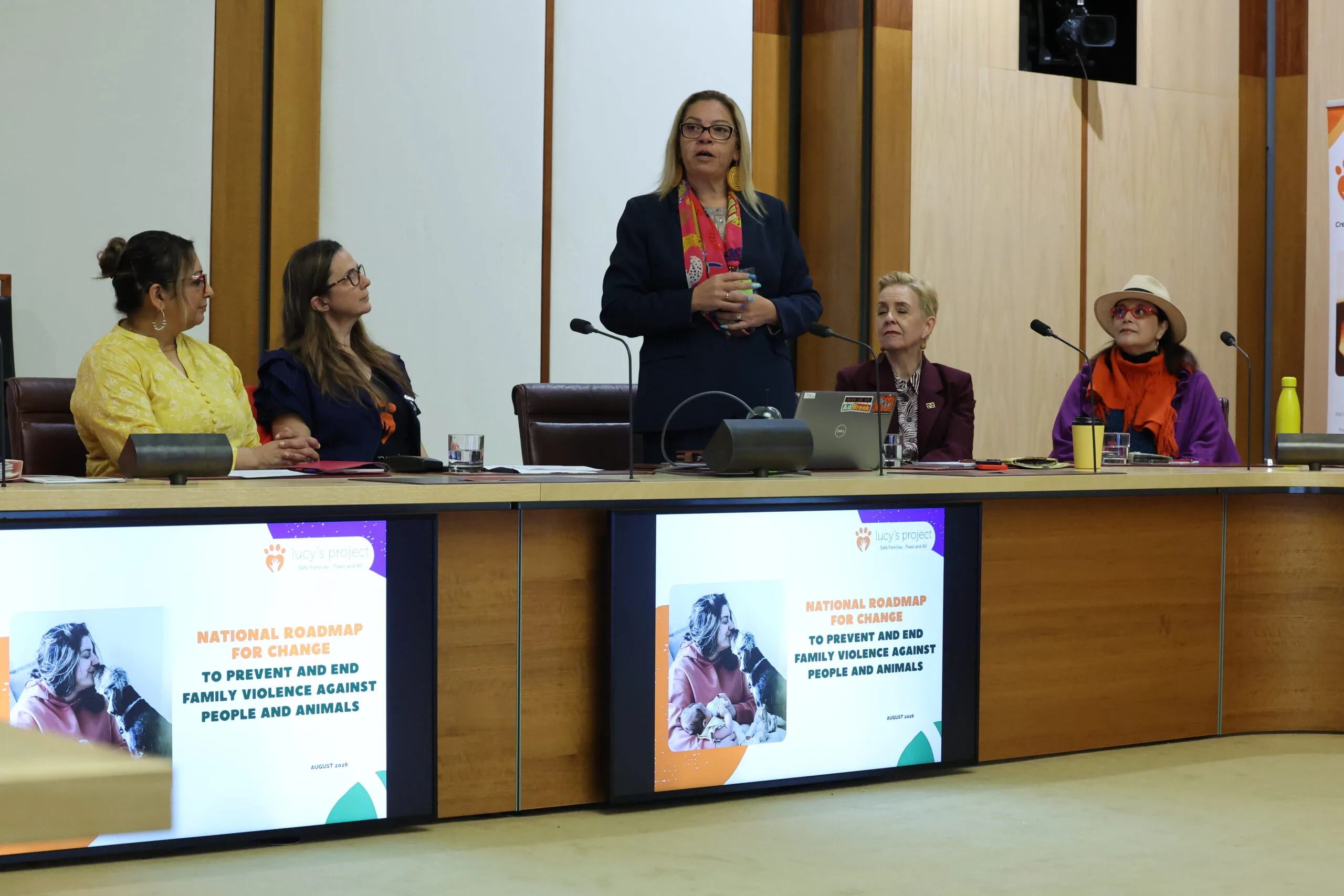
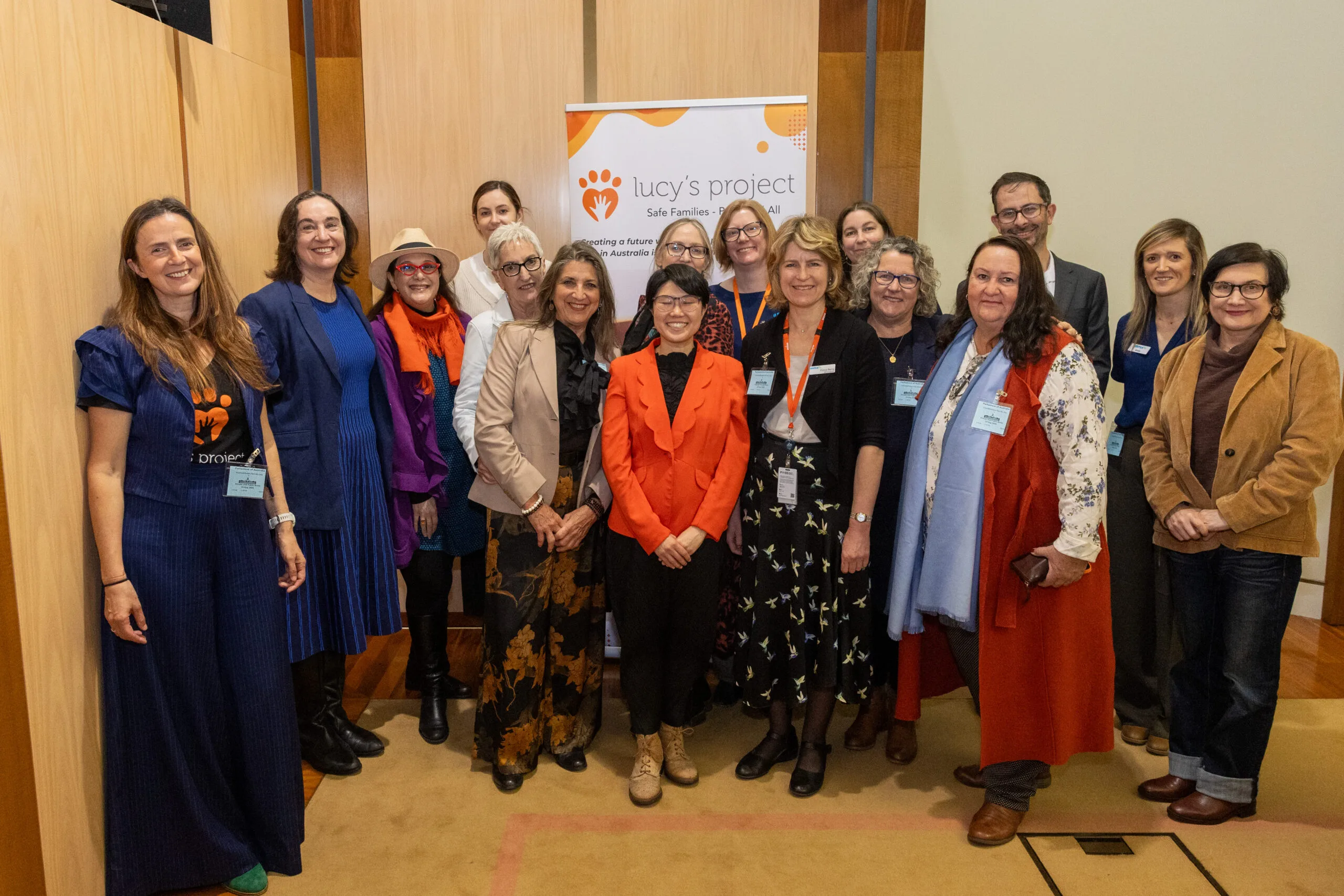
- On 19 August 2026, Lucy’s Project launched its National Roadmap at Parliament House.
- Its roadmap includes 33 recommendations for the government and support services can do to support survivors and their pets.
- We spoke with Lucy Project’s CEO Monique Dam about the obstacles for people trying to escape a dangerous situation and how the organisation hopes to help survivors.
Imagine escaping a terrible reality only to be told that you have to leave a beloved family member behind. That is the reality facing countless Australians.
1 in 4 women in Australia report experiencing domestic violence. 73 per cent of Australian households have a pet, and 69 per cent of those pet owners consider their pets to be a member of their family. But currently animals aren’t recognised as victims of domestic or family violence.
So, what would you do if you had to choose between your pet and your own safety?
It is a question many Australians experiencing domestic and family violence have had to ask themselves. And until recently, the safety of animals in domestic violence situations has been largely overlooked. Which is something that Lucy’s Project is trying to change with its National Roadmap for Change to Prevent and End Family Violence against People and Animals, launched at Parliament House on 19 August.
For Lisa Smajlov, who shared her story in the National Roadmap, the connection between family violence and animal abuse has shaped her life from childhood.
“I have had three animals impacted by family violence across my life,” says Lisa, a lived experience advocate, campaigner and thought leader.
Growing up, her childhood best friend was Soxy, a rescue dog with black fur and four white feet.
“I’ve got a very clear memory of when he kicked Soxy down the stairs,” Lisa says of her father. “I remember being really distraught. I heard the howl.”
She was about nine years old at the time. Soxy was getting older and already suffering from arthritis, which became worse after the incident.
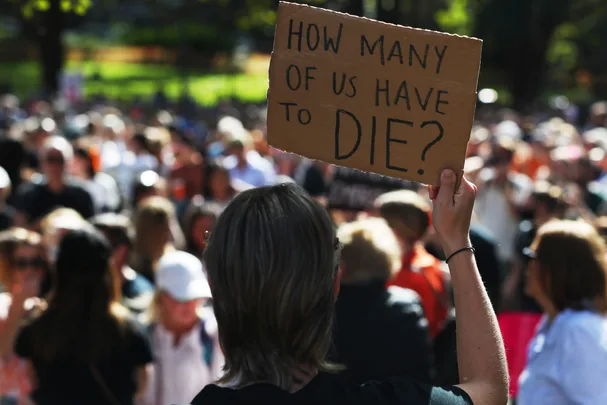
“Looking back, I can see that family violence was part of his life, and the ripple was on my mum, myself, my brother and, unfortunately, my beautiful dog Soxy.”
Years later, Lisa experienced family violence in a relationship of her own. She had a dog named Shelly and a hand-reared cockatiel named Tommy.

“One time we were having a massive argument, and he was being really verbally and physically abusive towards me,” Lisa says. “He stormed out of the house and then came back in saying, ‘Where’s Shelly? I want Shelly.’
“I was terrified he was going to harm her because I knew that he had actually killed his previous partner’s dog.”
But leaving the relationship brought another impossible choice.
“I had to leave my bird behind,” Lisa says. “I was so distraught having to leave him for a couple of days, but I was too scared to go back to the house. It was a safety issue.”
When she eventually returned, Tommy had become aggressive and she had to give him away.
“It was one of the reasons I stayed a bit longer, because I had nowhere to go with pets.”
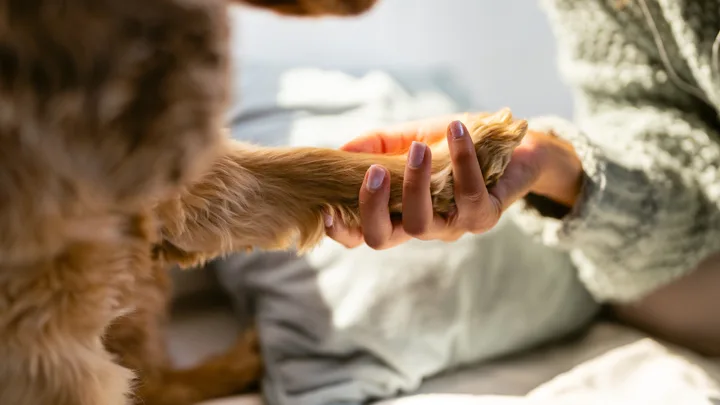
It is stories like Lisa’s that have informed the National Roadmap for Change to Prevent and End Family Violence against People and Animals, launched by Lucy’s Project supported by Petstock Foundation.
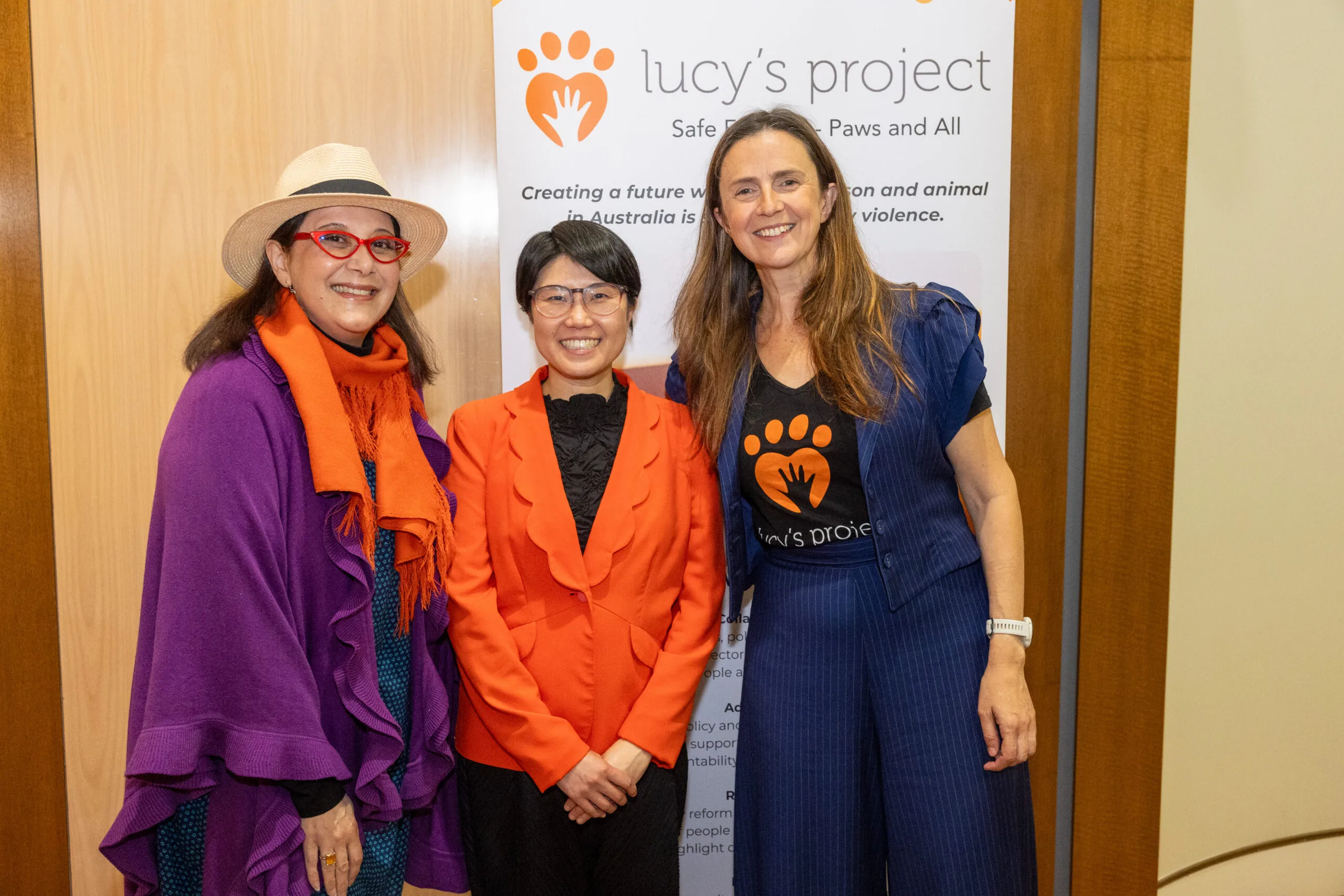
Lucy’s Project CEO Monique Dam says the Australian charity seeks “to create systems change to improve the safety and wellbeing of people and animals experiencing domestic and family violence across Australia”.
And that change is urgently needed.
“One of the key challenges is if they do reach out for support, it’s possible that the service or, in some cases, likely that the service may not be able to accommodate them together with the animals,” Monique tells me as we talk ahead of the National Roadmap launch.
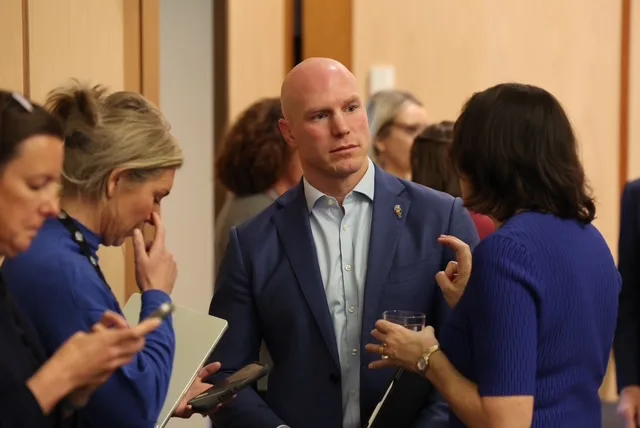
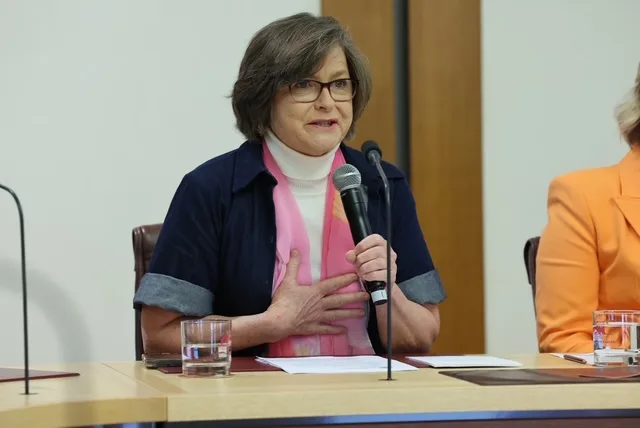
Plenty of us lament that we can’t bring our pets on public transport or, in particular, hire cars or taxi services; or find decent accommodation that also permits our four-legged family members. But add domestic and family violence to that situation, and it becomes even more unbearable.
“The reality is that there are many women who are making a very difficult decision to delay leaving or stay with a violent partner until she can find a safe place for her and her children to live with their animals.”
For some, the alternative is homelessness.
“Today, in reality, there are many women and children with animals who are experiencing homelessness or choosing to live out of their car because there isn’t somewhere safe for them to live together.”
The connection between human and animal safety is at the heart of Lucy’s Project’s work.
“Particularly if they’re experiencing domestic and family violence, their animal or their animals may be their one safe relationship, a relationship of unconditional love,” Monique says.
For children and young people experiencing violence, she says, animals can also be an important source of comfort and safety. This only adds to the emotional power an abuser can wield over their victims, aka coercive control. Lisa understands that connection all too well.
“People don’t realise how attached you are to your animals when you’re living with domestic violence,” she said in her testimony in the National Roadmap. “They’re your safety and your therapy.”
“You can give the animal a cuddle, and for that moment in time, you forget about all the chaos going on in your life.”
Animals, she says, can provide purpose and moments of joy amid chaos.
“They give you something to get up and care for. Whatever’s going on in your life may be chaotic, but if you have an animal relying on you, it gives you purpose and moments of positive connection and joy in life again.”
Yet Australia’s systems have not always recognised those relationships. Monique believes one reason is that services have historically operated in silos.
“Our systems and services are working in quite siloed ways,” she explains.
The Roadmap, which contains 33 recommendations, calls for greater collaboration between the domestic and family violence, community homelessness, animal welfare and veterinary sectors, alongside changes to policy, legislation and programs. One of its major recommendations is for animals to be recognised as victim-survivors in their own right.
“If the animals are not safe, then the people who love them are not safe as well,” Monique says.
Lucy’s Project is also calling for greater animal-inclusive accommodation, as well as national or state-based directories of services that can accommodate people with their animals.
Currently, Monique says, there is no national directory of refuges that will accommodate people alongside their pets. Which means that if someone is trying to escape family violence with their pets, there’s no easy way for them to find out if a refuge or crisis centre will accept them.
“We need much more animal-inclusive accommodation and housing across emergency crisis, transitional accommodation, as well as longer-term public, community and affordable housing and private rentals.”
She has seen what is possible overseas. Earlier this year, Monique travelled to Aotearoa New Zealand and the United States as part of a Churchill Fellowship, visiting a number of animal-inclusive refuges.
“In the USA, one in five refuges are now animal inclusive, meaning that people can stay there together with their animals,” she says. “And we want to see a lot more of that happening here.”
The Roadmap also calls for greater training and collaboration across frontline services.
A veterinarian or animal welfare practitioner who becomes aware of an animal experiencing violence may have an important opportunity to identify whether the people living with that animal are also at risk, Monique says.
Similarly, social workers and health workers supporting families experiencing violence should be asking about animals.
“By asking questions about whether animals have been harmed or threatened to be harmed, that gives a really important insight into the level of risk,” Monique says.
Research has shown that violence against animals can indicate a risk of more severe and more frequent violence.
The Roadmap is informed by the experiences of survivors, like Lisa, including those whose animals were harmed or killed, and those who faced barriers while trying to find safety for themselves, their children and their pets. For Monique, those voices have made one thing clear: Australia needs to stop forcing people to choose.
“We really want there to be as many options and choices available as possible for victim-survivors so that they can decide what is going to work best for them and their family to ensure their safety and the safety of their children and animals,” she says.
Because for survivors like Lisa, the grief of leaving an animal behind does not simply disappear once the immediate danger has passed.
“I carried all the guilt,” she says.
And that is the choice Lucy’s Project hopes no one will have to make in the future.
With the support of the Petstock Foundation, Lucy’s Project is driving greater collaboration, investment and policy action to keep people and pets together and ensure both can access the support they need to be safe.
If someone is in immediate danger, call 000. If you or someone you know has been affected by any of the issues raised in this article, help is always available. Call 1800 RESPECT on 1800 737 732 or visit their website.

