




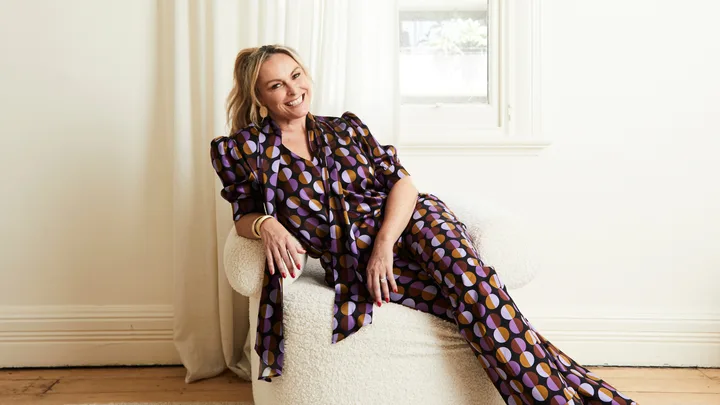
Married At First Sight Australia dating expert Mel Schilling has confirmed the return of her cancer, and sadly, she will not recover.
During a “routine scan” in February 2024, the doctors discovered small nodules in her lungs, revealing “the cancer had metastasised.” Over the last two years, Mel has undergone 16 rounds of chemotherapy.
Over Christmas 2025, she experienced horrible symptoms and later discovered the cancer had spread to the left side of her brain.
“My oncology team hyave now told me there is nothing further they can do,” Mel wrote on Instagram. “My light is starting to fade – and quickly. But I am still here, still fighting, and surrounded by the most incredible love… I honestly don’t know how long I have left, but I do know I will fight to my last breath and will be surrounded by the love and support of my people.”
For more information on Mel’s journey, click below, or continue scrolling to read The Weekly’s 2024 interview with Mel, who bravely shared the intimate details of her journey.
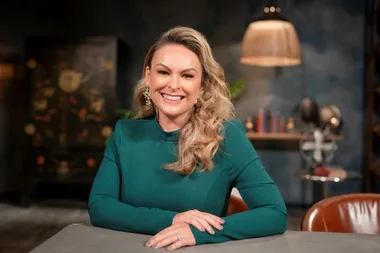
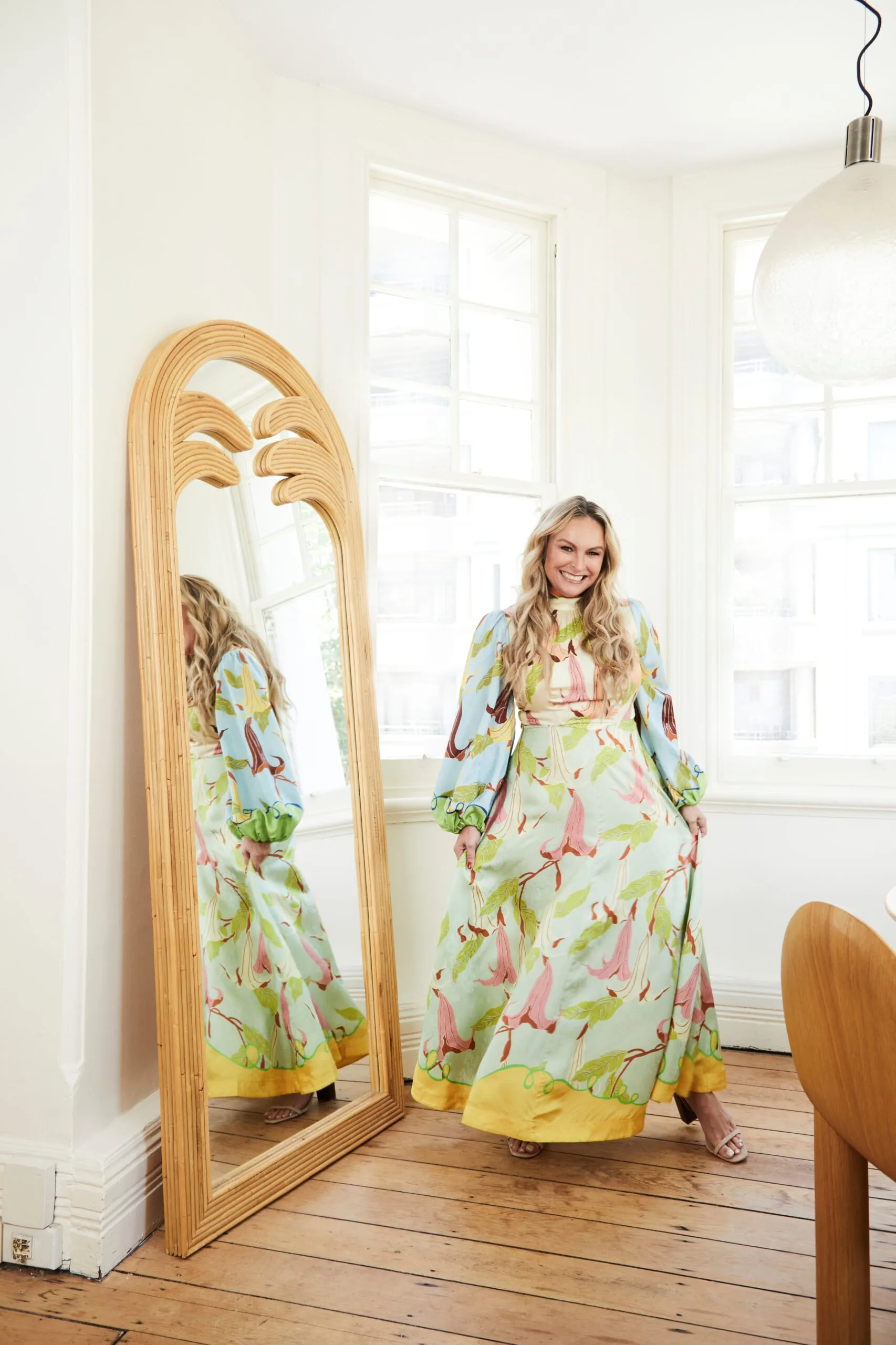
One year on from going public with her bowel cancer diagnosis, Married at First Sight (MAFS) dating expert, Mel Schilling, discusses her health journey. And how cancer has changed her irrevocably.
Walking into The Weekly’s shoot back in November 2024, Mel Schilling admitted to feeling triggered. It was a year ago to the day, she revealed, that she was on this same street to see a doctor about her stomach pain. She’s been suffering in silence for weeks. But she’d put it down to jet lag and overwork at first. But then the pain had become excruciating. Yet instead of picking up the symptoms of what she would later learn was early-onset bowel cancer – including unexplained weight loss and an inability to go to the toilet – the doctor sent her away with a sachet of laxatives. Plus, the impression she was being dramatic.
“It was basically medical gaslighting; he completely minimised it,” Mel says. Weeks later, she discovered that she was actually suffering from a complete bowel blockage, thanks to the existence of a tumour.
“I’ve been learning a lot about the gender pain gap. What I find interesting is that anything to do with our abdominal region, as women, is straight away considered to be something hormonal. That you should just suck it up and get on with it, princess. When I made it clear it wasn’t anything to do with periods, that it was definitely a digestive issue, then he said it was constipation.”
Leaving his office to return to the set of Nine’s Married at First Sight (MAFS), where she works as a relationships expert, Mel gritted her teeth and took some strong painkillers. But they hardly “touched the sides”.
“I can barely even remember those two nights of filming,” she admits. “When I watch it back, it’s like this out-of-body experience because I know it’s me, but I don’t remember saying any of those things. I think my body was in shock.”
A self-professed workaholic, Mel had pushed herself to turn up professionally and finish out the season without complaining. She could wait, she thought. There would be time when she returned home to the UK to sort herself out. Plus, she’d be reunited with husband Gareth Brisbane and their daughter, Maddie.
So, she booked a gastroenterologist appointment. But first, Mel wanted to go on the trip to Dublin her family had planned for a friend’s 40th birthday.
“That’s how deluded I was, thinking ‘I’ll get to the party, I’ll have a bit of a dance, and I’ll be fine’,” she says. In reality, the weekend was far from the celebration the trio had planned. There was no dancing – she didn’t even attend the party itself. She was vomiting uncontrollably, her daughter holding back her hair and reminding her mother to breathe. Mel experienced what she equates to labour pains in her gut as they boarded the plane home.
Luckily, the appointment the following day picked up what her first doctor had missed. And after having emergency scans, a few days later, she heard the dreaded “C” word for the first time. She’d need surgery to remove the tumour (which she nicknamed Terry), then chemo.
Gareth, says Mel, immediately went into shock. He’d recently lost his brother, and the double emotional whammy hit him hard. Maddie, when they sat down to tell her, went into “hyper-positive mode, saying things to cheer us up, bless her”.
As for her own reaction?
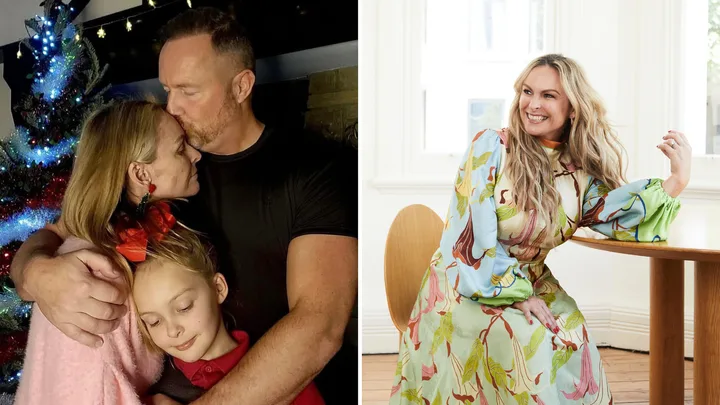
“I just completely disassociated and started talking about the practicalities of my work,” Mel says. On December 20, 2023, Mel was scheduled for surgery. But first, she went onto Instagram. She posted an image of her little family gathered around their Christmas tree, hugging each other tight.
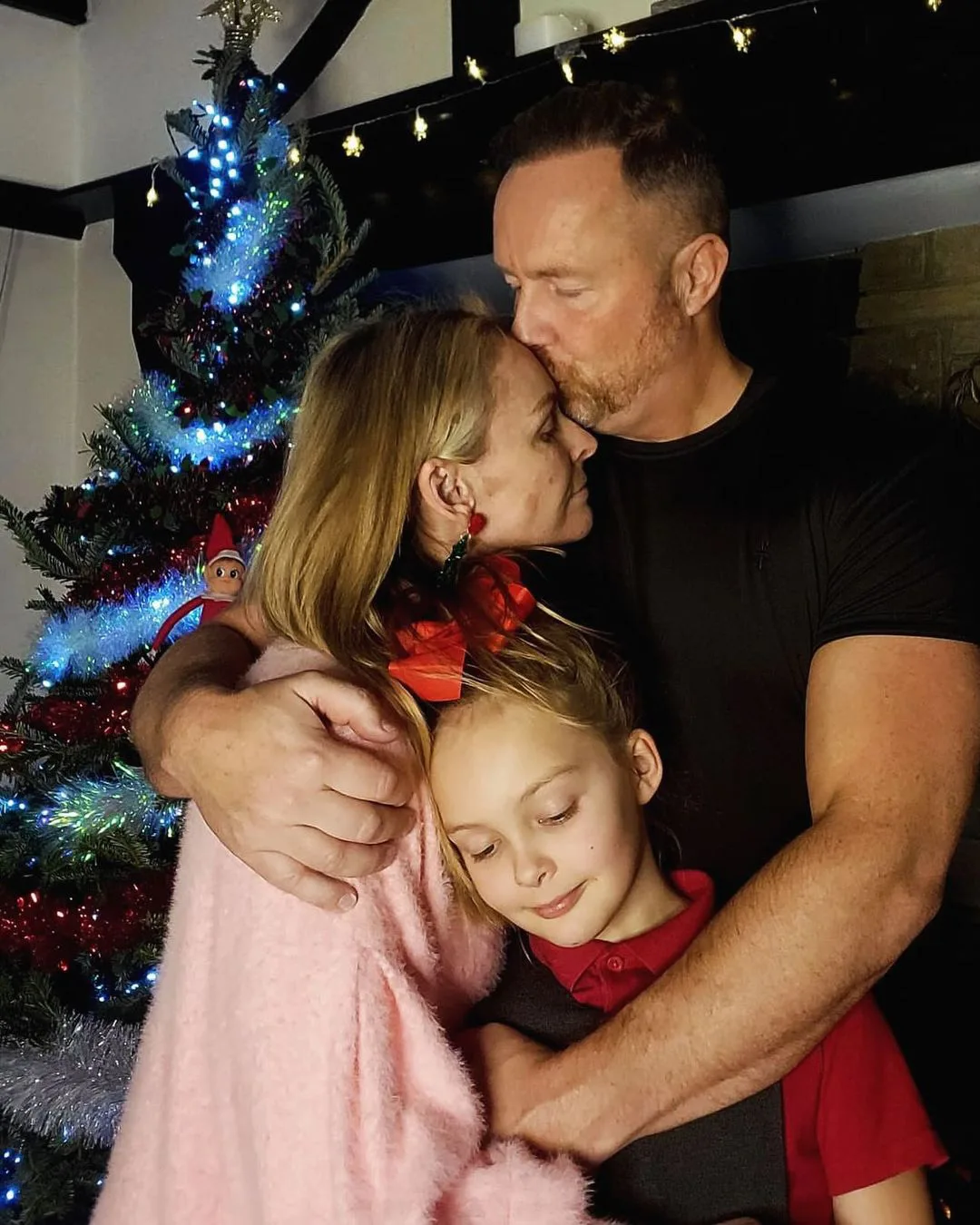
“John Lennon famously said that life is what happens when you’re busy making other plans,” she wrote beneath the picture. “How right he was. This week I’d planned to travel to Northern Ireland with my family to spend Christmas. Instead, tomorrow morning I’m checking into the hospital to have an operation to remove a 5cm tumour in my colon. A tumour that had gone undetected much longer would have killed me.”
Because, as Mel would learn during her journey, bowel cancer is currently our country’s second deadliest cancer. One in 16 Australians will receive a bowel cancer diagnosis within their lifetime. It claims 102 lives each week, and survival rates lag behind those of other common cancers. Despite the factt hat almost 99 per cent of cases can be successfully treated when detected early.
And that’s something that certainly wouldn’t have happened for Mel if she’d continued pushing through without complaint and not sought a second opinion. Raising awareness and sending that message to others was a huge reason she went public with her diagnosis.
“I know the position I’m in and the profile I have,” she explains of her decision to document her journey. “And I found myself in this position because I wasn’t listening to my body. A lot of people do that, particularly women, and particularly when it’s something in our gut region. I had a sense that this could be something people could gain from, but I had no idea what sort of impact it was going to make.”
The fear took a while to kick in, she says, but it happened when she started chemo in February 2024. The physical changes, too, began in earnest. There was constant and crippling nausea. Having recently
been diagnosed with perimenopause, her brain fog doubled down. Mel didn’t lose her hair (“Which I was grateful for because it would have been a visible symbol that I was sick. And I didn’t want people looking at me like I was vulnerable or weak”), but she did have peripheral neuropathy along with incredible exhaustion. Each time she’d finish a course of treatment – infusions, then a tablet form of chemo – she would take a week off. And just as she felt herself begin to regain her strength and energy, it was time for the next infusion treatment to swiftly rob it all from her again.
And all the while she was trying to balance a busy working life with being a present parent. Something many women juggle – but add cancer, and Mel often felt she was failing on all fronts.
While she and Gareth were a team in finding her the right treatment options, their marriage took a back seat. And despite her “happy cheerleader”, Maddie continuing to rally her spirits, Mel says there were times when she could tell the stress was taking a toll on her daughter.
“She became a lot more clingy,” she says. “Even though I was physically present, sometimes I wasn’t. I can remember lying in bed and her coming in to show me one of her dances, and I just had to say to her, ‘I’m so sorry, I just haven’t got the energy to watch’. And that just killed me. My body was literally shutting down, and trying to explain that to a kid is just so tricky.
“Another day, she came home from school, and I was upstairs in bed, and she didn’t come up to greet me. For her, she was just busy and showing Daddy something, but for me, I felt, ‘Oh my God, I’m not relevant, she’s forgotten me’. I know that’s not the case, but that’s how I felt. I felt like my body was betraying me; that was the overwhelming feeling.”
Through it all, however, Mel kept her trademark bright smile intact as she turned up to work – there was another season of MAFS UK to film after all, and press to do for the Australian series. She probably overdid it, she admits, but being in a passive role isn’t how she perceives herself. Going to work “meant the world”.
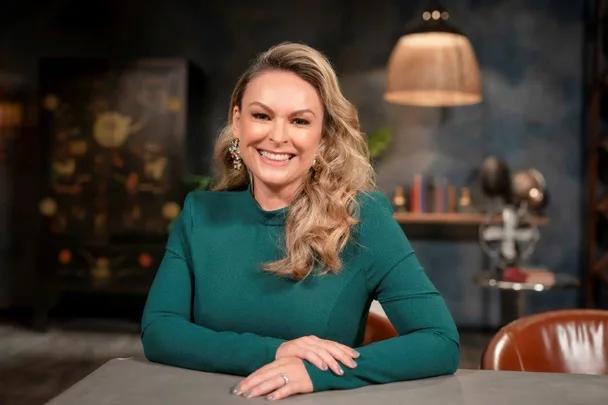
To outsiders – those not following her journey on social media and in interviews – she appeared absolutely fine, if not flourishing.
“I realised the strength of my capacity to compartmentalise,” she says of what her illness and commitment to carrying on would teach her. “And whilst that’s good in the short term and it means I can be cool in a crisis, I realised I was doing it too effectively because I wasn’t thinking about the scary stuff at all. There was a big dose of denial in there. An unwillingness to accept it was happening to me because my self-image is all about health and strength. I had to look at myself in a different way; in a way that I was weak. And of course it wasn’t weakness, but that was what I was telling myself.”
To that end, she engaged the help of a psychologist – one who specialised in treating cancer patients. Her psychologist encouraged Mel to dig deep into the “dark stuff” even if it was just for one hour a week. Therapy was a key to her recovery, she says now. So too was continuing to find the humour. Talking about poo, she says with a burst of laughter, isn’t glamorous.
But it’s imperative to our health. To that end, she’s commissioned a glittery pair of earrings to be made in the shape of a poo emoji, which she plans to wear loudly and proudly once they arrive. And she certainly
has reason to celebrate. Because one year on from her diagnosis, she is happy to tell us – after surgery, six months of gruelling chemotherapy and a myriad of lifestyle changes – Mel is officially in remission.
“I’m not cancer-free,” she caveats, “but I’m out of the woods. The surgery was great and got rid of the tumour, and the chemo mopped up everything that was left behind. What it means is that now I need to have a scan every three months. I’ve had the first one where they said you’re officially in remission, and the next one will be coming up soon. So, I’m now tuning into a thing I’ve learnt is called ‘scanxiety’ – the anxiety building up until you get the scan results.
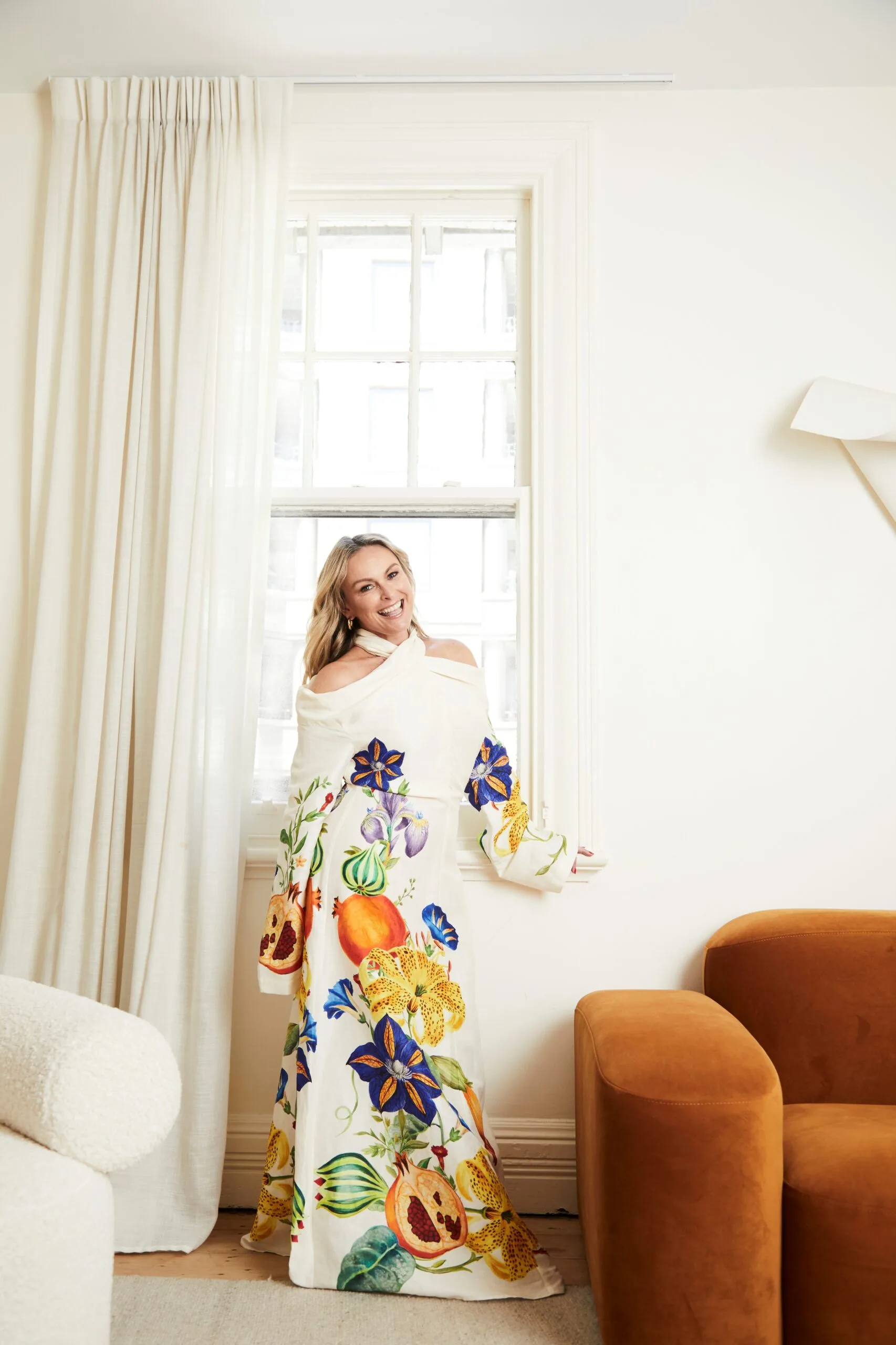
“As we know with cancers, they can come back, so it’s constant monitoring.” Priorities for Mel have shifted during her treatment and recovery. She’s still driven, but now that drive is taking new forms.
She’s been blown away by how many people reached out to share their own cancer journeys. And she’s also been stunned by the age of many of those contacting her. More than she expected are in their 20s and 30s.
Bowel cancer, she tells us, has always been thought of as an “old man’s disease”. But it affects men and women equally and is becoming far more common in younger generations.
Bowel Cancer Australia is reporting a 266 per cent increase in bowel cancer incidence rates in adolescents and young adults. And sadly, younger people are more likely to be overlooked when it comes to early detection. This means that treatment – when it comes – will be far more aggressive with a likely less positive outcome.
“Something is happening in our world that is making cancer affect people a lot younger,” says Mel. “And it’s not just in bowel cancer. Next year I’m hoping to get a documentary off the ground about early-onset cancer.”
“I’m ready to shake it up. I’ve realised I’ve been doing a lot of the same things. I want that learning curve again, to really engage my brain and challenge myself. People say that when they go through cancer, they get this whole new perspective on life, and it’s true. I really don’t want to waste time on projects that don’t fill me up.”
Mel also wants to show people that she’s far more than the person they see on their screens on MAFS.

In person, she says – and we agree from our time together on this fun-filled shoot – she’s far less serious, she’s quick to laugh and a natural jokester. She has a theatre background and is manifesting a turn on the British reality show Strictly Come Dancing for herself next season. She’s also passionate about lifting others up in arenas outside relationships and dating.
She’s written a book on confidence for women and has worked with people battling eating disorders.
And while work has necessarily been Mel’s top priority for years, cancer has seen her “put stuff into perspective”.
“Family and health now are equal first, and work comes next,” she says. “It’s affecting decisions I’m making about projects that I’m saying yes and no to. Because I’m thinking, okay, is it going to take me away from my family?”
With Maddie now 10, “puberty isn’t far away, and I see that as such a pivotal part of my role with her,” Mel explains. “It’s so important that she has me there consistently.”
It’s also important to Mel that she continues to encourage a positive body confidence stance as her daughter enters a new stage of life. She wants Maddie to see her body as something that helps her achieve things – she has strong legs that help her run fast, for example – rather than something to define herself by. There are no scales in their home. But there is plenty of Vegemite. Despite the family now calling the UK home, her daughter remains a proud Aussie who starts the day with a Vegemite and cheese toastie and recently wore a T-shirt to school that said, “I’m half British, half Aussie, 100 per cent awesome”.
“She wore that with pride,” Mel says with a wide smile. “She’s very aware that she’s of two cultures and she’s very proud of both.”
As we wrap up our shoot in Sydney, Mel is preparing to return to the UK to her family for the Christmas break – a far cry from the last fear-filled holiday they spent together, worried about her cancer
diagnosis.
“It was such a scary time,” she says. “So I’m getting ready to go OTT when I get back. We’re going to go crazy with decorations and do all the Christmas-y stuff to make up for last year. I can’t wait.”
To learn more about bowel cancer – including the early warning signs, risk factors and screening tests – visit bowelcanceraustralia.org or call 1800 727 336.
Married at First Sight (MAFS) premieres on February 2, 2026, on Nine.
This article originally appeared in the January 2025 issue of The Australian Women’s Weekly. Subscribe so you never miss an issue.


Share this post