




At a glance…
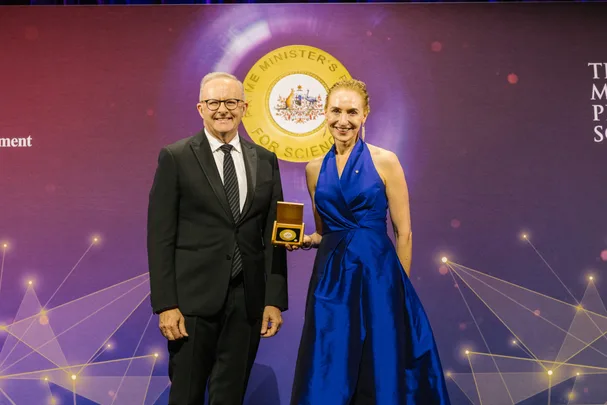
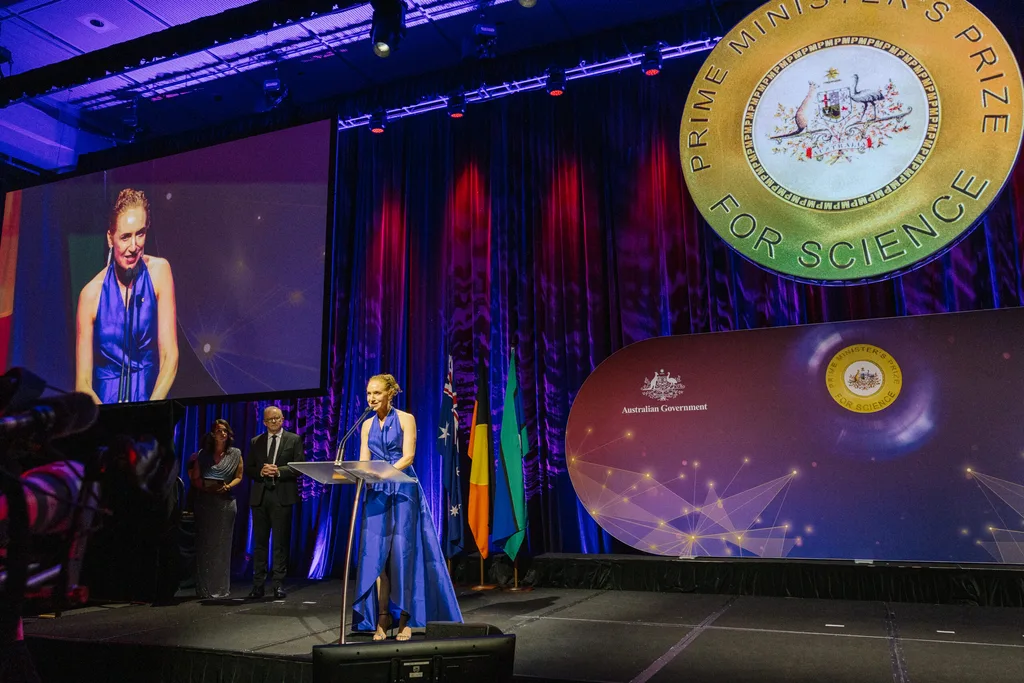
- Professor Georgina Long AO is the latest recipient of the Prime Minister’s Prizes for Science Award in November 2026.
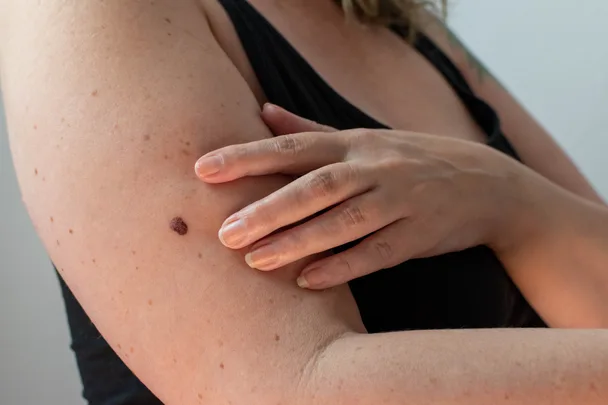
- She was recognised for pioneering melanoma research that transformed cancer treatment.
- The Prime Minister’s Prizes for Science are Australia’s national awards recognising outstanding achievements in scientific research, innovation and science education.
“Science saves lives,” says Professor Georgina Long, winner of the 2026 Prime Minister’s Prizes for Science Award. And her work proves it. Trials led by the trailblazing oncologist and 2024 Australian of the Year have revolutionised the treatment of melanoma and led to a paradigm shift in cancer treatment – not just in Australia but internationally.
The clinical and scientific breakthroughs she has made – working with the most difficult-to-treat patients – have improved survival tenfold for those with stage four melanoma and 24-fold for those with brain metastases. And her most groundbreaking trial – too recent to be included in this award nomination – achieved two more firsts. It was the first time a large clinical trial proved an mRNA cancer treatment worked. And it was the first time a “personalised cancer vaccine” made from a patient’s own tumour has proved beneficial at significant scale.
Those benefits were enormous. The trial found that the combination of a personalised vaccine and an immunotherapy drug reduced the risk of melanoma recurrence by a hitherto unimaginable 42 per cent.
It is an extraordinary list of achievements, but the Sydney-based medical director at the Melanoma Institute Australia is not yet ready to rest on her laurels. Her next goal, she tells The Weekly, is to “eradicate” cancer.
Professor Asha Bowen received the Frank Fenner Prize for Life Scientist of the Year for her groundbreaking research into childhood skin infections, which can lead to serious complications, including rheumatic heart disease. Central to Asha’s work is the belief that science and Aboriginal knowledge must work hand in hand. Her research involves close partnerships with Aboriginal communities, with initiatives incorporating local languages, storytelling, art and even music to promote healthy skin.
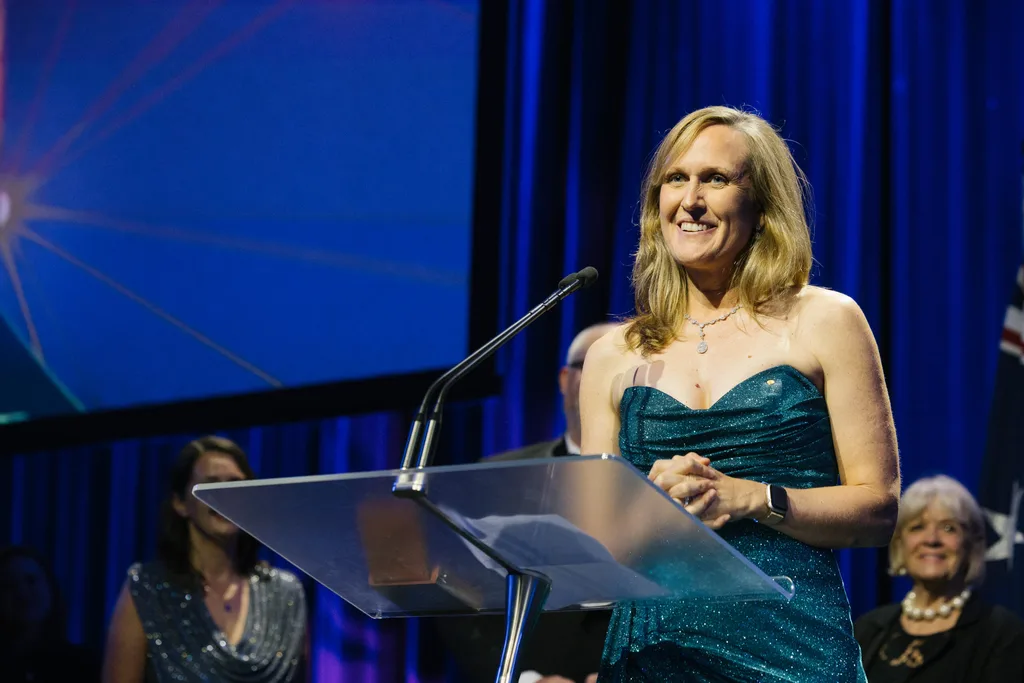
“I also really value that our way of working in partnership with communities is celebrated at a national level,” she tells The Weekly about the importance of the awards. “It showcases to girls out there that they can be amazing scientists.”
On the eve of the announcement of the awards this week, Professor Long shared her thoughts with The Weekly.
What was motivating you as a young person starting out in science?
Curiosity and a desire to make a difference are my drivers, and for as long as I can remember, I challenged the status quo – even as a six-year-old sitting at the dinner table with my five siblings and parents. As I got older, this turned into wanting to tackle the seemingly unsolvable problems.
I grew up in a house of doctors and books, which also helped my curiosity. My mother was a public health doctor whose mantra was “making a difference to many”, and my father brought epidurals to labour wards in the 1960s, so taking on challenges was part of the fabric of our family life.
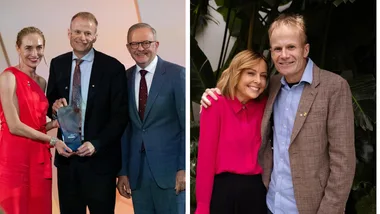
You have said, “My goal is to cure cancer.” How important has it been to think big?
Very. Thinking big changes what you are willing to do, how hard you are willing to push, and your approach. It is a different perspective, bigger than oneself.
Take the ABC trial. People whose melanoma had spread to the brain were routinely excluded from trials, and before immunotherapy, they survived less than 16 weeks. We designed a trial for them, raised the funds and opened it across Australia. Today, about half of patients with active brain metastases are alive at seven years, without active melanoma in the brain – effectively cured. I would love people to live well with a cancer diagnosis, and I want to find advances that eradicate the disease.
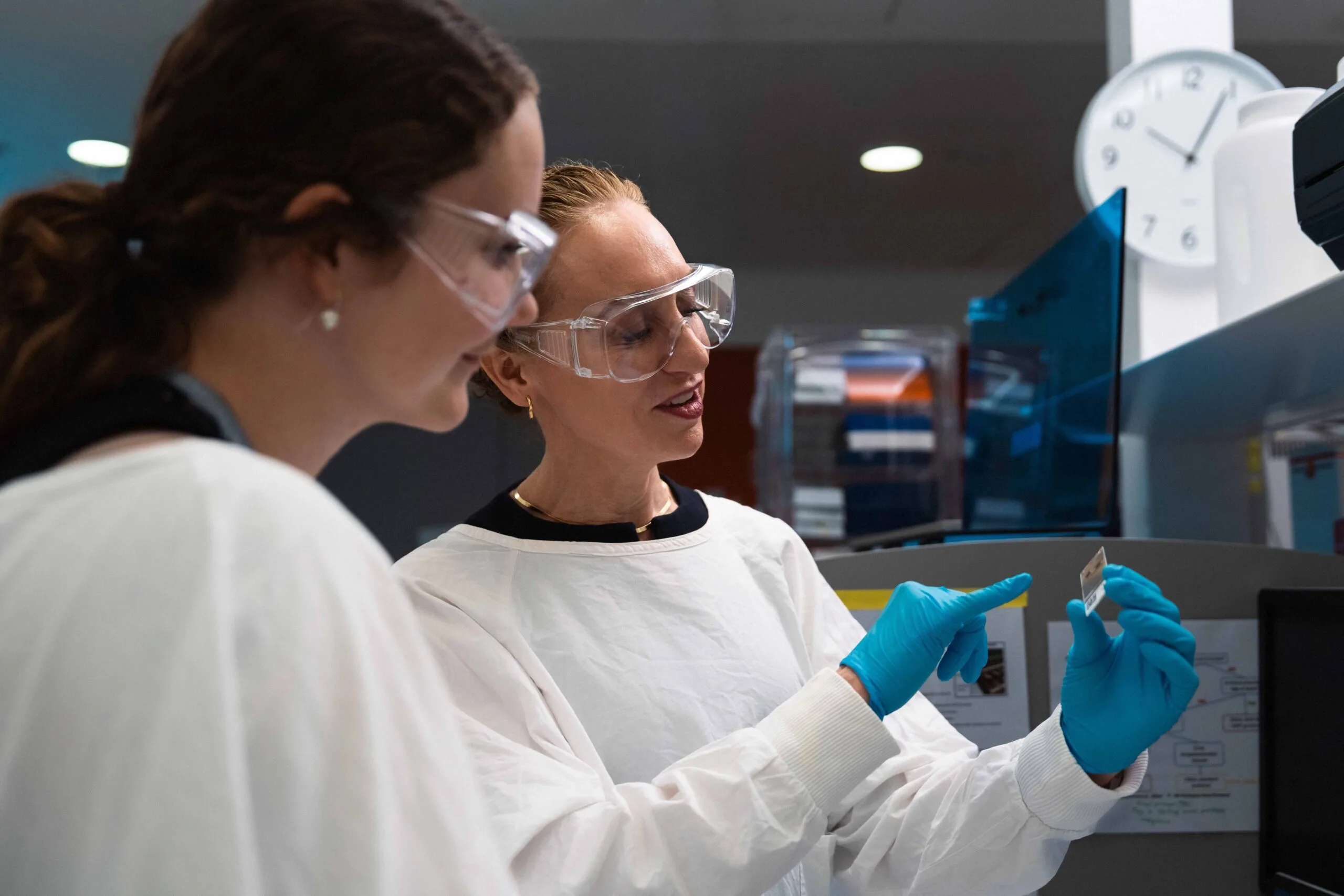
How close are you now to that goal?
We have come a very long way. Not long ago, melanoma that had spread was almost always fatal. Today we cure more than half of those patients. But someone in Australia still dies of melanoma every six hours, so we are not finished.
My focus is on those patients in what I call the ‘third space’. The first space is those cured with a single immunotherapy drug, the second space is those cured with combination immunotherapy drugs and the third space is people who are not cured and still die from melanoma. It is a space of uncertainty, and it is where I like to work.
What are the implications, in layperson’s terms, of the recent mRNA trial results?
Every cancer is different, so in the case of the mRNA trial, we read the genetic changes in a patient’s own tumour and make a treatment for that one person. It trains their immune system to recognise and attack the cancer. It is a personalised therapeutic cancer vaccine for people with active cancer. In the trial I lead, it is active melanoma.
It is not a preventative vaccine. It is the first mRNA cancer treatment proven to work in a large clinical trial (what we refer to as a Phase 3 randomised controlled trial), and the first personalised cancer vaccine of its kind to show benefit at this scale. The message for patients is that immune treatment can now be built around each person’s own cancer.
How did you react when you learned the results?
I could not contain my excitement when I got the phone call from the sponsor of the trial … I was not allowed to share the news at the time, so I celebrated on my own with a very joyous heart. It was August 2026 and I was on sabbatical in Portugal, at the Champalimaud Foundation [an advanced biomedical research organisation].
It was incredibly thrilling to think we had done better than the current standard … It was a greater leap forward than we had ever had in melanoma before, so much better than expected. And that is saying something.
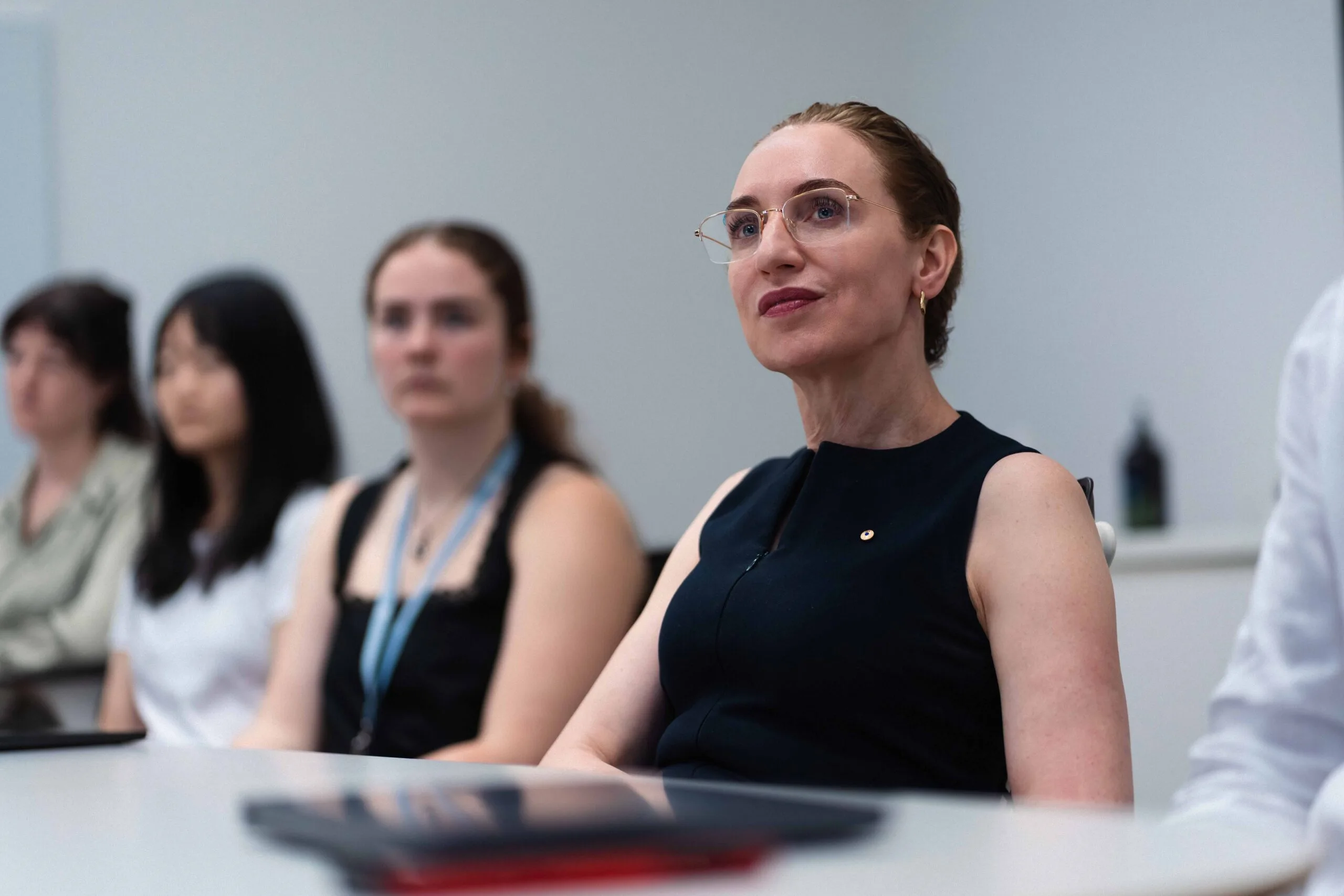
Once I had realised the trial was truly positive, I immediately asked the size of the benefit. This is when I realised it was a huge leap forward, and then I thought about patients and getting the data out there for the whole world to see as soon as we could, and in the best way possible.
You can see my presentation when I shared it with the world for the first time at the European Society of Medical oncology. Seeing the presentation is important, as it is the data delivered properly and in the proper context of medicine and science.
What do you see as the future for cancer treatment?
We will give checkpoint immunotherapy before surgery, where it works best. We will use biomarkers to match each patient to the right treatment, so we do not waste time on one that will not work. And we will use platforms like mRNA to build treatments around the individual. One of my greatest hopes is that we eventually prevent cancer from happening in the first place.
And where will your work go next?
Into the third space: the people who are still dying because none of our current treatments work for them. A trial I designed, called NeoIRENIE, aims to identify those patients early and offer them something better, and it is now opening internationally. Using biomarkers at the beginning of the patient’s melanoma journey, we aim to de-escalate therapy (for those who are predicted to respond very well to a single drug) and escalate treatment (for those who are predicted not to do well). If we solve resistance in melanoma, it helps other cancers where we have almost nothing.
How important is it that treatments are available to everyone who needs them?
Fundamental. A treatment that cannot be reached by patients is not yet a success. That is why I have advocated for subsidy of neoadjuvant immunotherapy (therapy before surgery), which has been available to all Australians in routine care (for melanoma) since 2025. And when Australians make a discovery, Australia should own it and build it here, so the treatments, jobs and industry stay here at home.
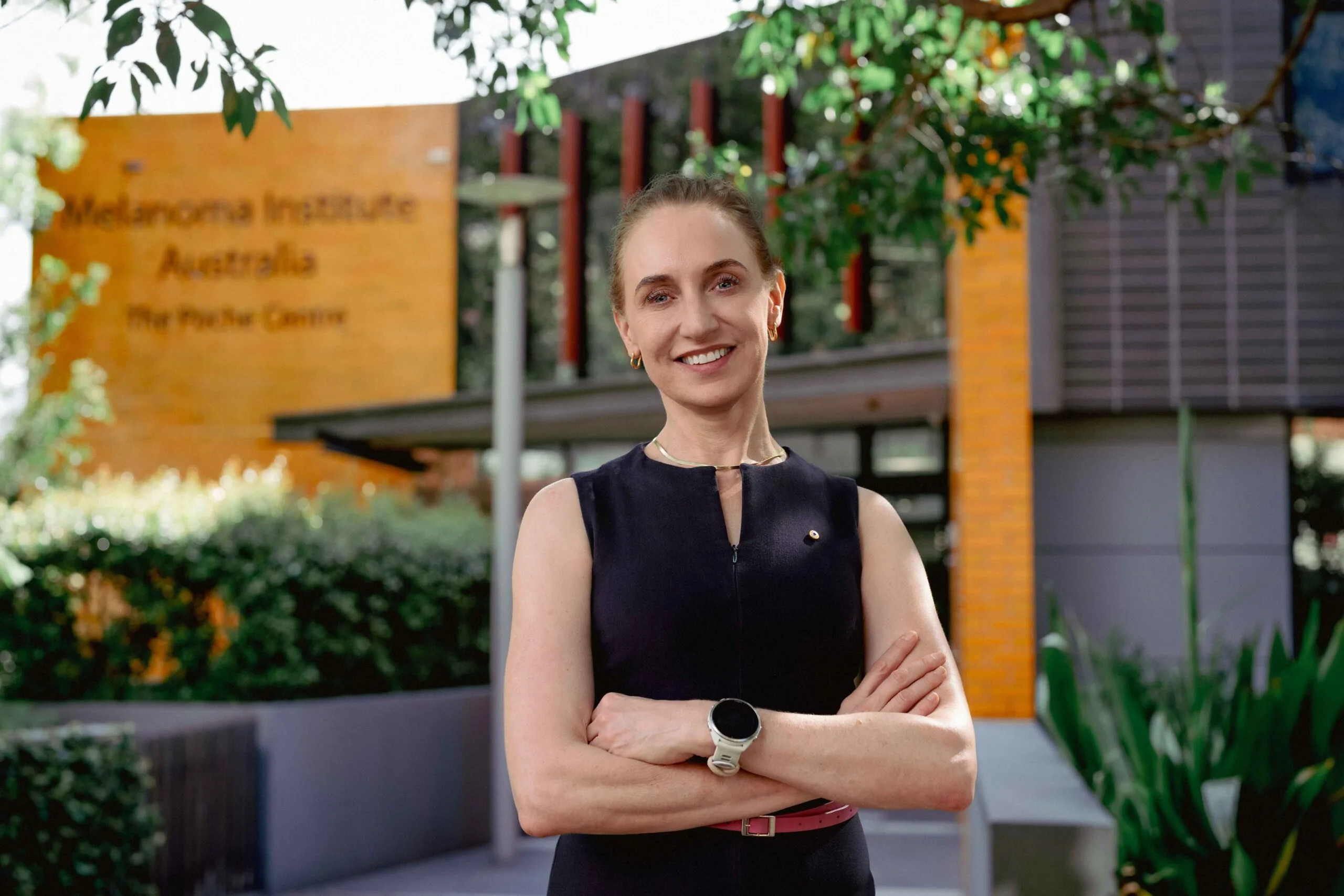
How important is it that women receive the type of recognition we’ve seen this year in the Prime Minister’s Prizes for Science Award?
Recognition matters in science. It garners support, it can turn great ideas into real breakthroughs, and it shows young people that a research career is worth chasing.
It is a real honour to be recognised by the Prime Minister’s Prizes for Science, and I hope it shows every person, including girls and young women, that science is a place for them. Science is at its best when it brings together a breadth of trained minds, with many lenses and perspectives. That is what makes my team so strong. To any young woman wondering whether science is for her: it is, and we need you.
Who are the women who have most influenced you?
My mother, who taught me to think about making a difference to many. Margaret Harding, my PhD supervisor, who taught me to be persistent and structured. My Chemistry teacher, Dianne Reid, who encouraged curiosity. My three daughters who humble me, support me and challenge me. And the women I work with now, who have supported me in good times and tough times, but are relentless in pursuing facts, truth and making a difference in cancer and to the broader community – Helen Rizos, Ines Da Silva, Maria Gonzalez, Angela Hong and many others.
I also want to call out some of the men too. My husband Greg and my colleague Alex Menzies, who has worked alongside me for over a decade. He was my PhD student many years ago, and is a significant key opinion leader in his own right, and together we keep the important work of seeing people with cancer at the centre of our focus. Also my father, and my brothers and sisters, and my colleagues at Melanoma Institute Australia.
What is the most important message you would like The Weekly’s readers to glean from your work?
There are three things I would like people to take away: science saves lives, we are not finished, and Australia should back its own science.
Professor Long shared this year’s PM’s Prize with Adelaide University physicist, Professor Anthony Thomas, while the winner of the Prize for Life Scientist of the Year went to Professor Asha Bowen for her work with the treatment of skin conditions in First Nations communities.

