




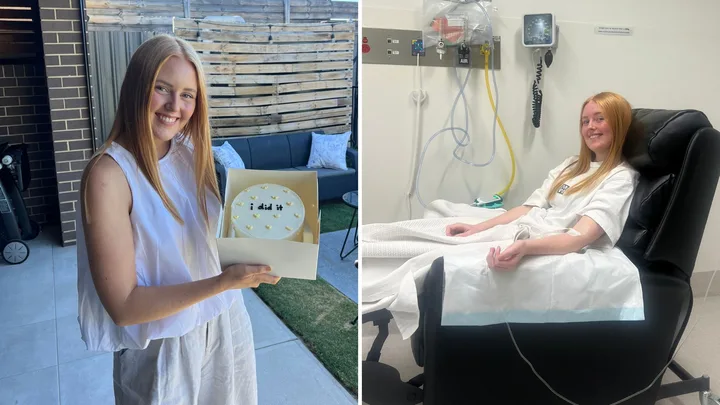
Holly Guffogg had never worried much about skin cancer.
The 23-year-old wore sunscreen and a hat and avoided tanning. As far as she knew, she was doing everything right.
“I always presumed that being young, fit… keeping safe in the sun, nothing could ever lead to something like a melanoma diagnosis,” the Adelaide woman tells The Weekly.
Then, in the middle of winter, a mole on her thigh suddenly became raised and itchy. It looked different from every other freckle and mole on her body.
“I remember seeing it kind of protrude out of my leg, and I was like, ‘That’s really strange,’” she recalls. “This is just not sitting right with me.”
Holly went to her GP, who referred her to a skin specialist. The mole was removed and a biopsy confirmed it was melanoma.
“My mind just kind of shut off,” she remembers. “My ears started to go blocked. I felt like I could’ve genuinely passed out on the spot.”
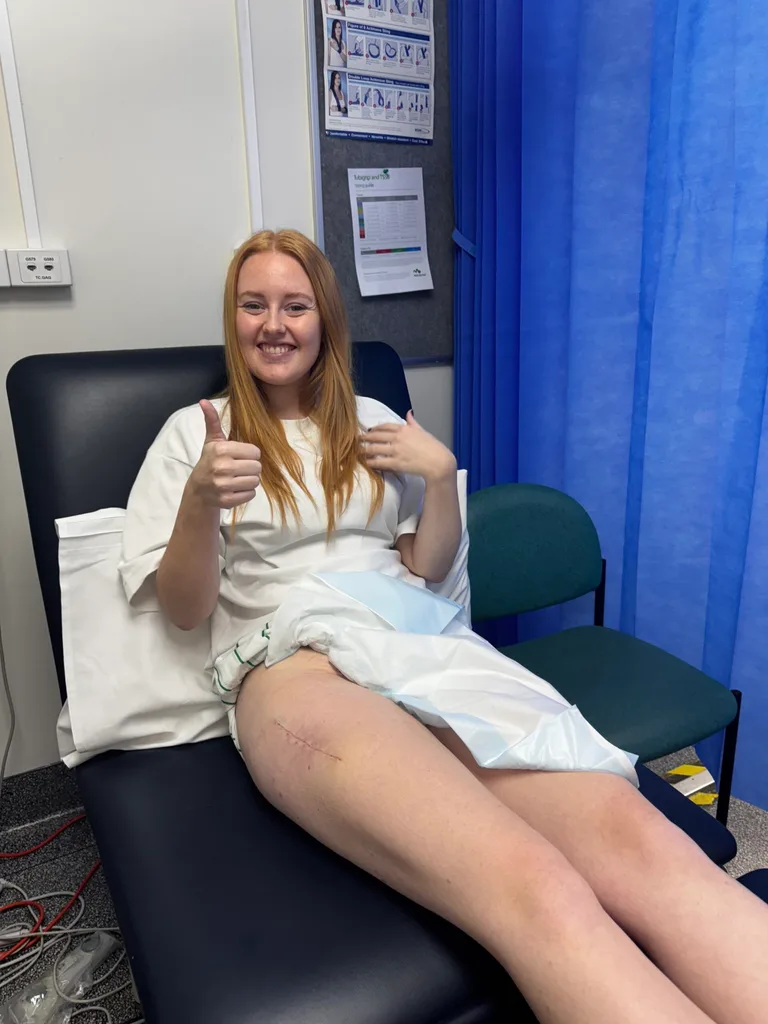
At first, she struggled to believe it. “I was convinced almost that it was the wrong thing and they got it wrong,” she says. “I thought that being healthy meant that this couldn’t happen to somebody like me.”
Melanoma is the third most commonly diagnosed cancer in Australia and the most common among Australians aged 15 to 29, according to Cancer Council Australia. When found early, 90 per cent of cases can be cured with surgery.
Why melanoma is underestimated
“When I thought of things like melanoma or skin cancer, it was sort of a thing that like, oh, if you had one, you got it removed, and you were fine,” Holly says.
It’s a belief Harriet Clayton sees often in her work as a travelling skin cancer nurse, visiting workplaces all around Australia.
“The way that we talk about skin cancer probably needs to change,” she notes.


People often talk about all skin cancers as though they are the same. Basal and squamous cell carcinomas are more common and are often treated locally. Melanoma, however, “does have the potential to metastasise,” Harriet stresses. “It has the potential to move around the body.”
After Holly’s mole was removed, people reassured her it must now be gone.
“They said, ‘They’ve taken it out now, so even if it is melanoma, it’s gone now, so there’s nothing else to worry about,’” she remembers. “I was like, ‘Oh, yeah, true. Maybe I’m just freaking myself out for no reason.’”
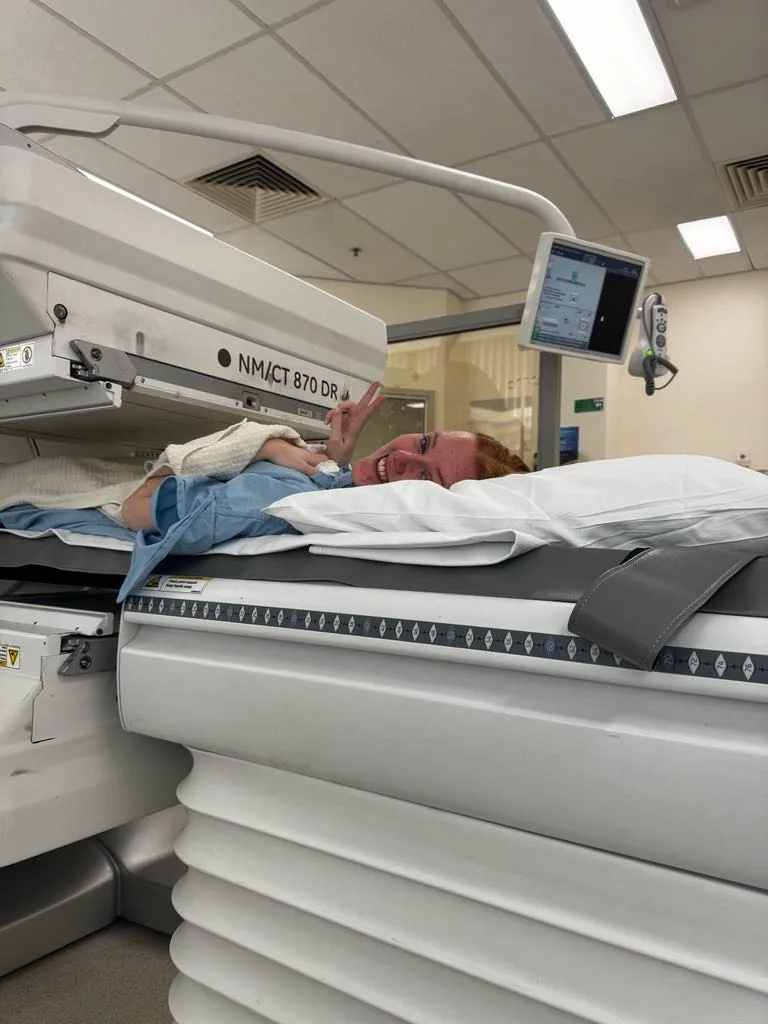
But a scan showed the melanoma had spread. Cancer was found in a lymph node in Holly’s groin and she was diagnosed with stage 3B melanoma.
When the hospital called to arrange an oncology appointment, Holly had to Google what the word meant. It wasn’t until she sat in the waiting room that her cancer diagnosis began to feel real.
“You’re sitting in that room like, ‘Oh my God, I’m here too.’”
For the next 12 months, Holly took five tablets a day as part of targeted therapy. The treatment caused body shakes, vomiting, nausea, fatigue and a loss of appetite.
“If I was at work all day, I couldn’t do anything after work because I was just so tired,” she says. On weekends, she could usually manage only one activity a day.
“Some days things were too much and I just had to step away and deal with my emotions.”
What to look for when checking your skin
When most of us think of skin cancer, we think of the parts of our body that get the most sun.
“Melanomas don’t have to have ever seen the sun,” Harriet says of the most common misconception she hears. “It is something that can occur literally anywhere.”
In her work, Harriet has seen melanomas on the soles of the feet, between the toes and even around the genitals. They can also develop beneath the nails, in the mouth and inside the eye.
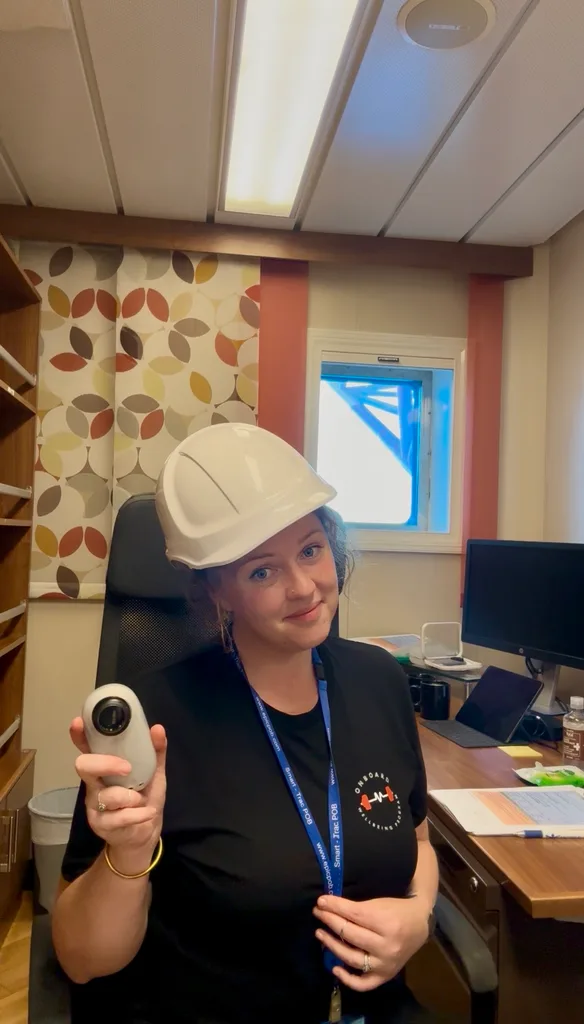
She recommends checking your skin every couple of months and getting to know what is normal for you. Look out for the “ugly duckling”- anything that doesn’t look like the other spots on your skin.
“Nothing should ever spontaneously bleed,” she adds. “If you rub yourself with a towel and something oozes, it’s really important to go and get it checked.”
A sore or scabby patch that hasn’t healed after a few weeks should also be checked.
And if a mole is giving you a “gut feeling” that something isn’t right, Harriet suggests taking a photo and setting a reminder to take another one a month later.
“If there is any change, go to the doctor straight away,” Harriet advises. “It means that there’s actually photographic evidence as well. So you can then show that doctor, ‘Look, this is what it looked like, and this is what it looks like now.’”
How often you need a professional skin check depends on factors including your skin type and personal or family history, so speak to your GP about your individual risk.
Don’t stop at sunscreen
For many Australians, tanning is still seen as part of summer.
“A tan is simply your body’s way of expressing that it’s been damaged,” Harriet points out.

Sunscreen is important, but it shouldn’t be your only line of defence. Harriet stresses it should be combined with another layer like protective clothing, a broad-brimmed hat, sunglasses and shade.
“Realistically, sunscreen is never going to block out 100 per cent of the UV,” she explains. “There’s also a lot of user error. If you haven’t put enough on… if you go for a swim, if you miss that two-hour period of reapplying, there’s so many things you can do wrong. You generally can’t get a piece of clothing wrong.”
And don’t judge your UV risk by how sunny it looks.
“The UV and the heat are not one and the same,” Harriet points out. “Even on an overcast, coldish day, the UV index can still be really high.”
‘I’m starting to feel like myself again’
Holly finished treatment in December 2025. She is back at the gym, seeing friends and enjoying the ordinary things she missed during treatment.
“I really just feel like I’m starting to feel like myself again now,” the now 24-year-old shares. “I feel like I can smile and be happy and genuinely feel the happy and the smile, rather than just pretending like it was okay.”

Now an ambassador for the Australian Melanoma Research Foundation, Holly is sharing her story to encourage others to take skin cancer seriously and get any changes checked.
“I would never have thought that this one thing changing, and such a little thing, could’ve meant so much.”
If you notice a new or changing spot, speak to your GP or another qualified health professional. For more information or to download the Australian Melanoma Research Foundation’s free Sun-Safe Spring Guide, visit melanomaresearch.com.au

