




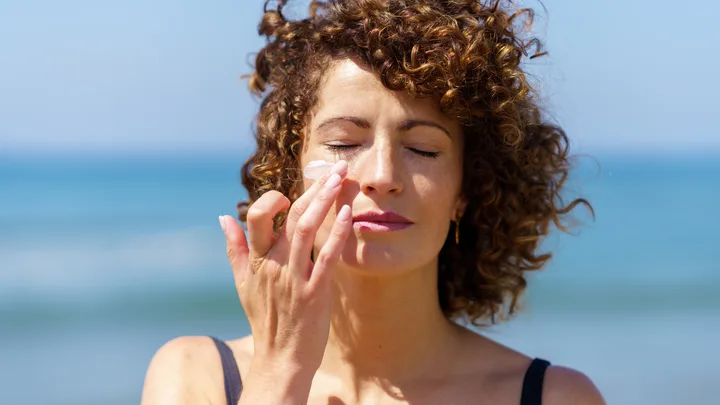
For many Australians, sunscreen is as much a part of summer as beers, backyard barbecues and long days at the beach. But recent findings have left plenty of us wondering – can we actually trust what’s written on the bottle?
In June 2025, consumer advocacy group CHOICE revealed that a number of SPF 50+ sunscreens didn’t live up to their claims after independent testing showed several offered far less protection than advertised. By September, the Therapeutic Goods Administration (TGA) confirmed that 21 products sharing the same base formula were under review or had been pulled from shelves. One sunscreen tested as low as SPF 4.
And now reports are emerging that some zinc sunscreens also failed preliminary SPF testing.
Understandably, that sent a wave of anxiety through consumers who’ve long relied on these products to keep their skin safe. But according to dermatologist and founder of Bespoke Skin Technology, Dr Katherine Armour, this isn’t a reason to stop using sunscreen altogether.
“In view of the recent CHOICE magazine findings, the TGA explicitly states on their website, ‘It’s important that Australians continue to use sunscreens to protect against the harmful effects of UV radiation.’”
Instead, she says, it’s about knowing how to choose a reliable product – and how to use it properly.
What SPF actually means
First things first: what do those numbers really mean?
“SPF stands for Sun Protection Factor,” explains Dr Armour. “It indicates the amount of UVB radiation that can reach the skin with sunscreen compared with no sunscreen.”
She adds that SPF 30 filters around 97 per cent of UVB rays, while SPF 50 filters about 98 per cent. The difference might sound minimal, but in real-world conditions, the higher protection is more likely to hold up against sweat, water and less-than-perfect application.
“For the purpose of primary UV protection, you should choose a sunscreen that provides an SPF of 30, but ideally 50+,” Dr Armour says.
If you’re outside most days, or have fair skin or a history of skin cancer, higher is definitely better.
The importance of broad-spectrum protection
While SPF measures UVB rays (the ones that burn), it’s UVA radiation that penetrates more deeply into the skin – causing premature ageing, pigmentation and contributing to skin cancer.


“Broad-spectrum protection is crucial,” Dr Armour says. “Both UVA and UVB radiation contribute to precancerous changes in the skin, including sunspots, actinic keratoses and skin cancers such as basal cell carcinoma, squamous cell carcinoma and melanoma. UVA is also responsible for many of the signs of skin ageing – fine lines, dryness, pigmentation, and loss of skin glow.”
In Australia, sunscreens that meet UVA standards must be labelled ‘broad-spectrum’, so always check the front of the packaging.
Primary vs secondary sunscreens – and why it matters
Here’s a term you might not have heard before: primary versus secondary sunscreen.
“Primary sunscreens are products that are used primarily for protection from ultraviolet radiation,” Dr Armour explains. “These are the products that we should choose to protect our face and body from the effects of UV radiation.”
On the other hand, secondary sunscreens are your everyday moisturisers, BB creams or foundations with added SPF 15 or 30. “These can be considered as a useful adjunct, but not a replacement for a primary sunscreen,” she says. “I find that a lot of my patients have relied on their foundation as SPF until we discuss this.”
In short? Your tinted moisturiser is not enough to protect your skin at the beach, the park or even a café courtyard on a sunny afternoon.
How to tell if your sunscreen is reliable
Because sunscreen is regulated as a therapeutic good in Australia, every approved product must appear on the Australian Register of Therapeutic Goods (ARTG).
“When selecting a sunscreen, you should make sure it has an ‘AUST’ number on the label as this indicates it’s in the ARTG,” says Dr Armour. “Sunscreens in Australia are regulated as medicines through the TGA, which requires rigorous standards to be met for safety and effectiveness prior to sale.”
That means if it’s being sold legally in Australia – and hasn’t been subject to recall – you can generally trust that it’s passed strict quality control.
And before you get out the credit card, expensive doesn’t necessarily mean better.
“Pharmacy-based sunscreens are absolutely just as good as more expensive options,” says Dr Armour. “There are numerous highly effective sunscreens that are really affordable and available at your local pharmacy or supermarket.”
Find your perfect match
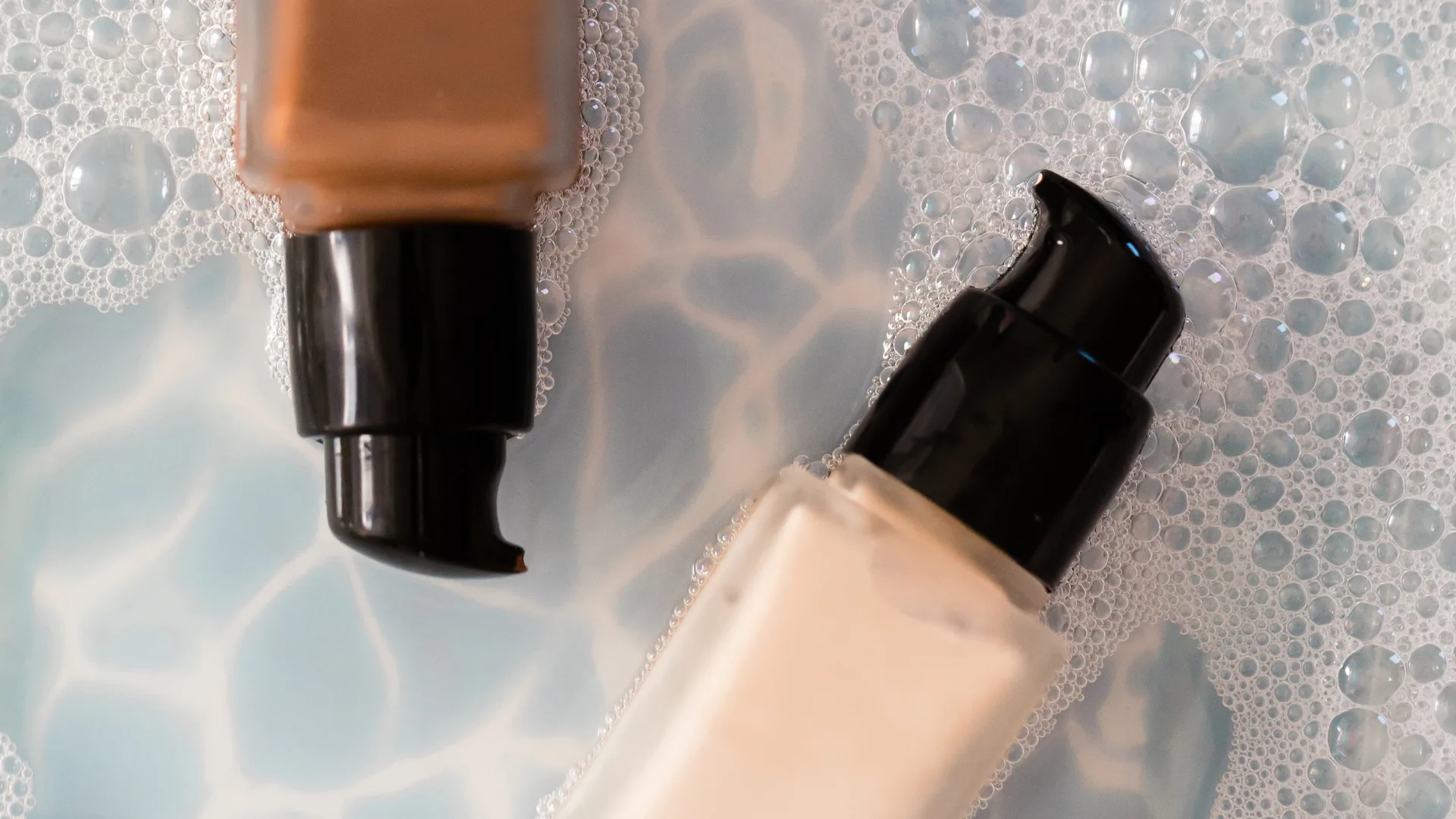
Not all sunscreens feel (or look) the same – and finding one you like can be the difference between wearing it daily and leaving it in your beach bag or bathroom drawer.
“If you have acne or oily skin, look for sunscreens that state they are ‘matte’ or ‘mattifying’, or for ‘acne-prone’ skin,” says Dr Armour. “These sunscreens also usually state that they are ‘oil-free’ and ‘non-comedogenic’.”
For sensitive skin, she recommends mineral or physical sunscreens containing zinc oxide or titanium dioxide, as they tend to be less irritating.
And if you have a darker complexion, “tinted sunscreens are often easier to match to your skin colour,” she adds. “There are many options available in Australia that won’t leave a white cast.”
How to apply sunscreen properly (and why most of us get it wrong)
Even the best sunscreen won’t protect you if you’re not using enough – or applying it too late.
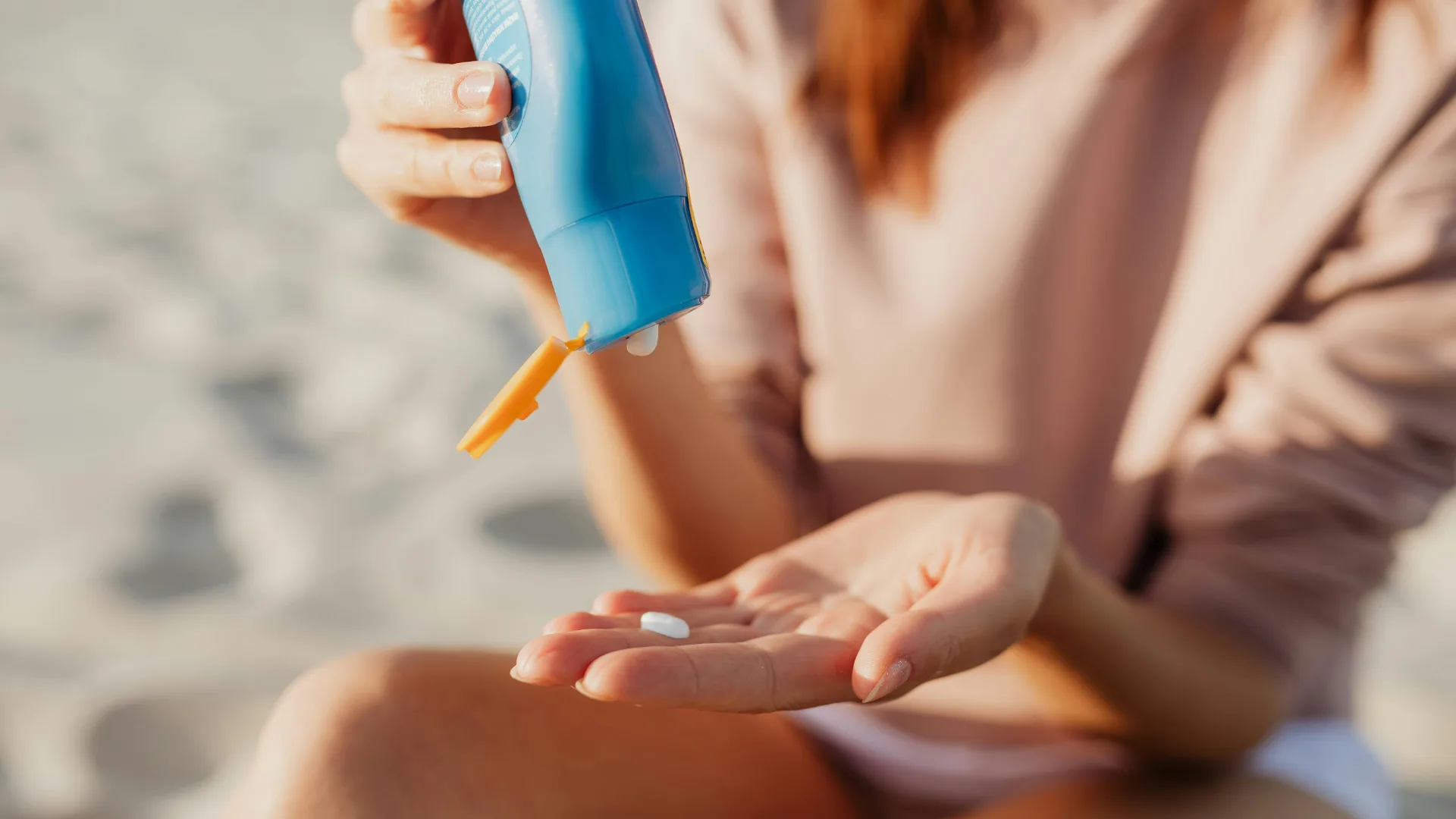
“The efficacy of sunscreen is closely tied to how well it is applied,” says Dr Armour. “Apply sunscreen liberally to the skin at least 20 minutes before going outdoors. This allows the product to be evenly dispersed and absorbed into the outer layers of the skin.”
Her rule of thumb? Use at least one teaspoon (5 mL) per body part – that’s one for each arm, each leg, your front, back, face and neck. Don’t forget your ears, hands, feet and the back of your neck, which are all high-risk areas for skin cancer.
Reapply every two hours, or immediately after swimming, sweating or towel-drying. And remember: water-resistant doesn’t mean waterproof.
“Sunscreen needs time to do its job. If you only apply it once you arrive at the beach, your skin has already been exposed to harsh UV rays, and damage has been done.”
Those living in Australia and New Zealand, Dr Armour adds, should apply sunscreen to all exposed skin on any day the UV index is 3 or higher – which is most days of the year.
What to do if you’re unsure about your current sunscreen
If you’re feeling confused by the recent recalls, head to the TGA website, which lists all affected products. Most of the underperforming sunscreens were manufactured by the same contract company and have since been withdrawn from the market.
“The TGA has reacted swiftly and efficiently to the revelation that a number of sunscreens were underperforming,” says Dr Armour. “The TGA website contains a wealth of information around sunscreen regulations and how they are dealing with the recent revelations.”
If your sunscreen isn’t on the recall list and has a valid AUST number, it’s safe to continue using it.

