


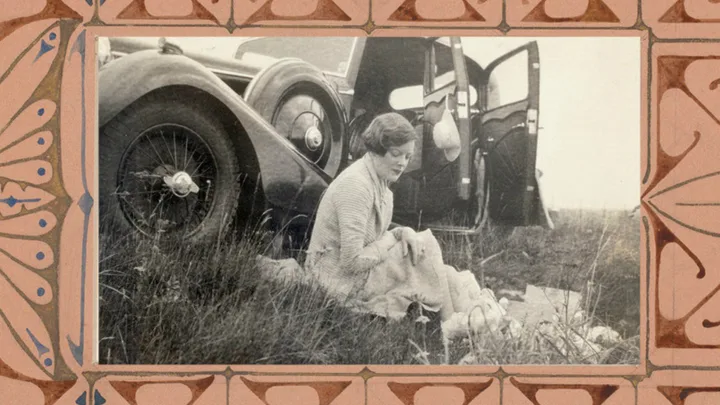
Australia’s forgotten duchess, Nell Stead, moved to the UK to wed after a chance encounter with Alexander Montagu. Though forgotten by many, she remains Australia’s only duchess. Here is how a woman from Melbourne became the Duchess of Manchester.
In winter 1926, a Melbourne woman, Nell Stead, and her sister Erin boarded a ship to Ceylon (now Sri Lanka). The trip was their father’s idea. Meant to be a brief holiday after nursing their cancer-ridden mother through the final two years of her life.

Demure but feisty, Nell had been prominent on the city’s social circuit. She was described as a “piquant beauty”; she had caught the eye of newspaper executive Keith Murdoch, among others. Yet with her mother’s illness, she had stepped back from society. And now, aged just 24, she had given up on finding a husband. She even describes herself as a spinster in her diary.
But a chance meeting with a handsome young naval officer in a hotel swimming pool in Colombo would change everything. The encounter sparked a love affair with all the twists and turns of an old English fairytale. And turned this young woman into Australia’s first duchess.
Meeting the man who’d make her a duchess
“I bumped into the man who would be my husband,” Australia’s forgotten duchess, Nell, would explain to eager journalists many years later.
In her diary, she was more direct.
“There was a sexy man standing near to me dressed in his undies,” she wrote.
The young couple fell in love in that moment. But, tragically, they had to part company a few days later when he went back to his ship and Nell to Australia. She was unsure of what she would tell her father about the union, which was already a betrothal.
The man who’d become duke
Alexander “Mandy” Montagu was more than just a promising lieutenant. The eldest son of the ninth Duke of Manchester was heir to a dynasty that stretched back almost 500 years to when his ancestor, Sir Edward Montagu, was Chief Justice of the King’s Bench and an executor of the will of King Henry VIII.
The family motto Disponendo me, non mutando me (You may displace me, but you cannot change me) was reinterpreted as “pay me well and I am yours”. It was in reference to another ancestor, Edward the second Earl of Manchester, who had a role in the restoration of the Crown to Charles II in 1660.
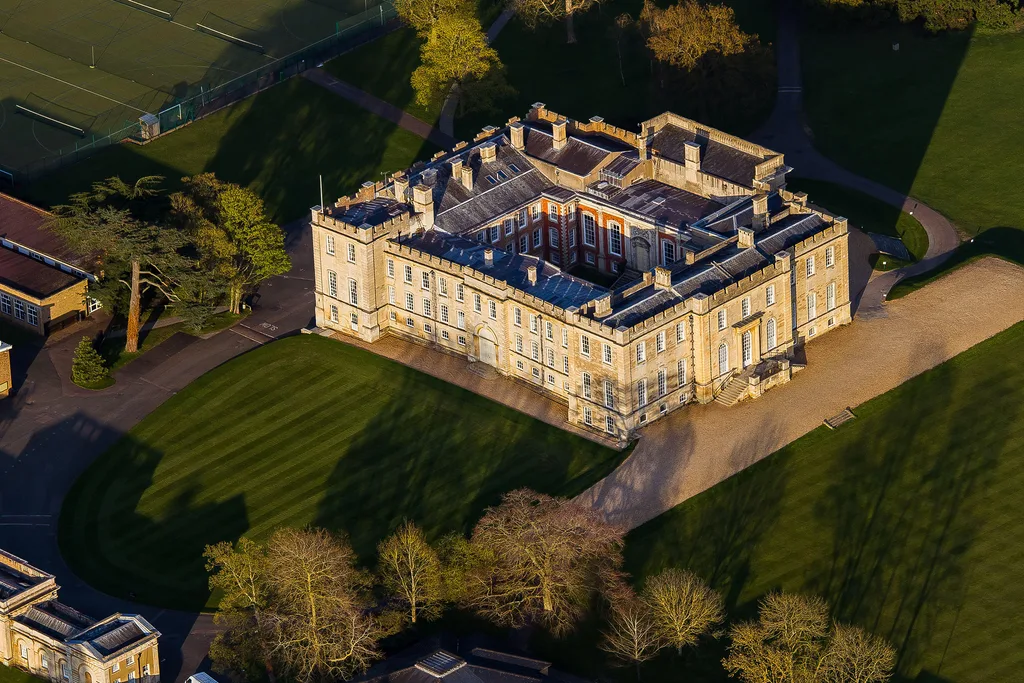
Their home, Kimbolton Castle in Cambridgeshire, had another significant link to the monarchy. It had been the home of Catherine of Aragon in the years after her divorce from Henry VIII and his creation of the Church of England. She died in the building. Her ghost was said to walk the halls, trapped between two floors of the castle, which had since been remodelled.

The lovers wed
In May 1927, Nell sailed again, this time to Europe. Mandy, who was in France on shore leave, waited on the docks of Marseilles to escort her to London. There, they wasted no time in marrying.
The ceremony at Kimbolton Castle almost didn’t take place because Mandy, who had a penchant for fast cars, crashed as he left London, injuring his bride in the process. Nell limped up the aisle the next day, her legs swathed in bandages, earning immediate plaudits in London newspapers as a “plucky bride”.
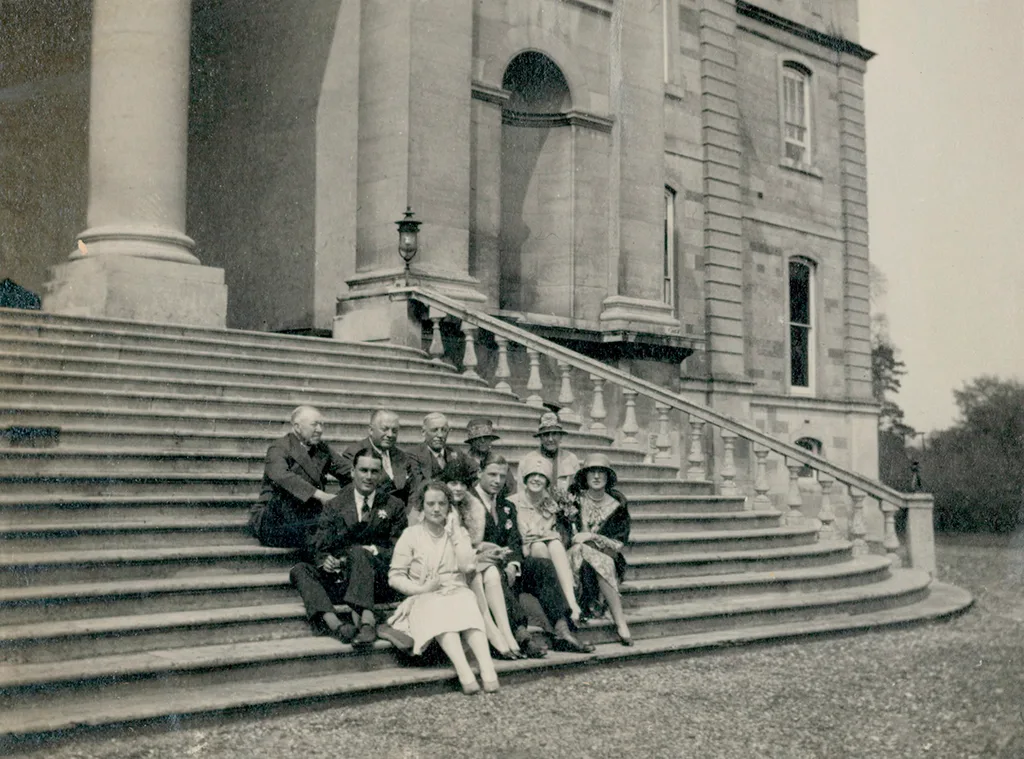
Not only was London society taken aback at the speed and secrecy of such a prominent wedding, but so too were the villagers of Kimbolton, who greeted their new Australian mistress with a mix of enthusiasm and suspicion. Although the Montagu family had long been the feudal masters of the district, its finances were in disarray.
The castle was shuttered and no longer used other than occasional weekends during the hunting season and for sex trysts, which sent tongues wagging.
The previous Dukes of Manchester
Most of the financial problems had been caused by Mandy’s grandfather, George, and his father, William. The eighth and ninth Dukes of Manchester had both married American heiresses. Although not out of love, but to bolster family finances stretched by the astronomical and rising costs needed to manage large, feudal estates.
But it was their own scandalous behaviour which had exacerbated the decline.
In 1876, George had wed Consuelo Yznaga, daughter of a wealthy American-Cuban plantation owner who came with a $6 million dowry. But by 1890, when he succeeded his father to become the eighth duke, the money was largely gone, spent on gambling and mistresses. He was declared bankrupt the same year.
“Kim”, as he was known in reference to Kimbolton, died two years later, unsurprisingly of cirrhosis of the liver, leaving the embattled estate to his fifteen-year-old son.
“Little Kim” would prove even more scandalous. Following his father’s example by marrying Helena, the daughter of American industrialist Eugene Zimmerman, who said of his new son-in-law, “He has the potential to be a good husband even if he is in debt.”
Family history
Zimmerman’s optimism proved misguided, and the marriage lasted only long enough for Helena to bear four children before they separated. Like his father, Little Kim pursued West End theatre actresses and spent his life fighting off bankruptcy applications from creditors.
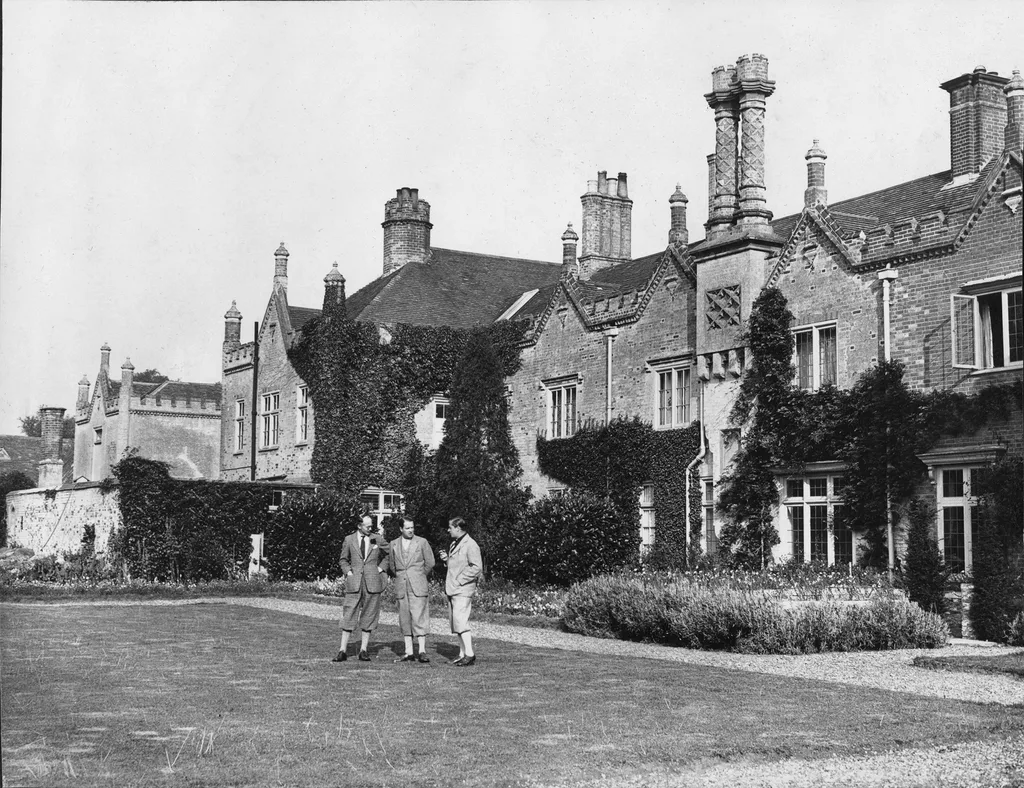
By the time Mandy met Nell Stead, Kimbolton had been abandoned and was rotting. There were also two other ‘boltholes’, Tandragee Castle in County Armagh, Ireland, and Kylemore Abbey in County Galway, which had been mortgaged and would be sold.
“I own three castles and can’t afford to live in any of them,” Mandy’s father would often tell reporters.
Restoring dignity before becoming Duke and Duchess
It was left to Mandy, whose title as the duke’s son was Viscount Mandeville, and his new wife, to try to rescue and restore the family’s fortune and reputation. They launched renewed efforts to return the estate farm to its glory days using pioneering methods that were considered among the most forward-thinking in Europe.
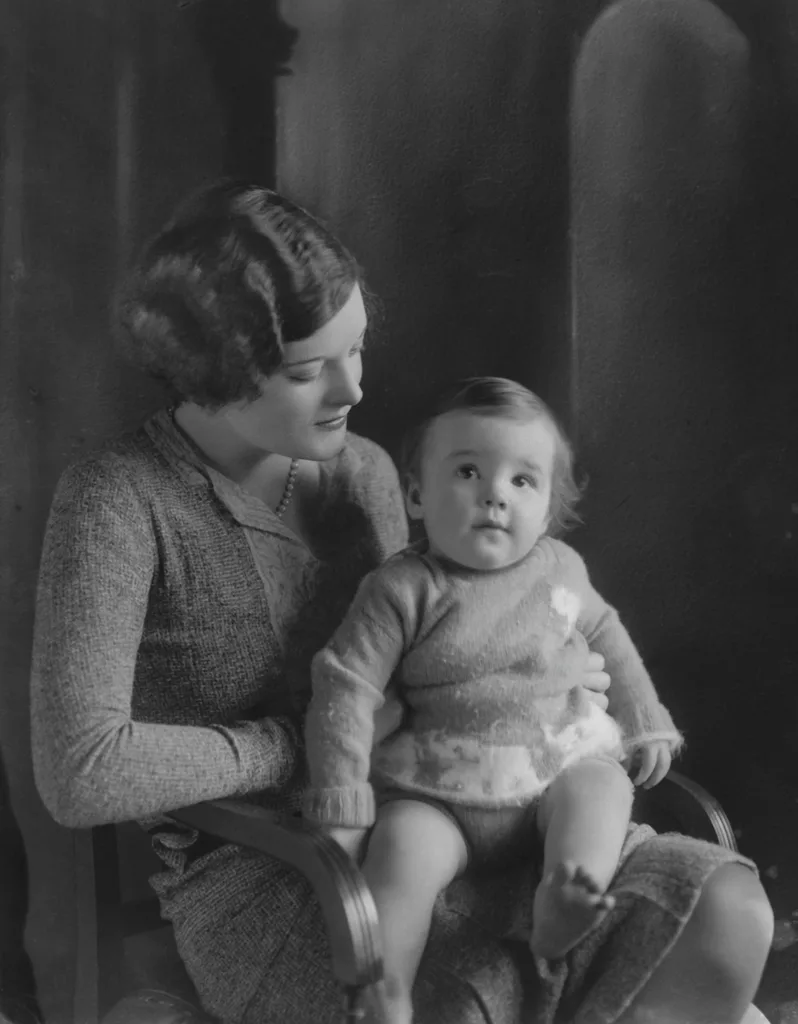
Their pheasant, duck and rabbit hunts also became famous, often bagging hundreds of birds in a single day’s shoot. The day would end invariably in the bar at Brampton Park House – a majestic 18th-century manor that formed part of the Montagu estate – or at Kimbolton, where a handful of rooms were maintained for entertaining guests. This was also where, in 1929, Nell gave birth to her son Sidney, named after her father.
Their coterie of friends included the Duke of Kent, Prince George, American actress Tallulah Bankhead, and famous race car driver Woolf “Babe” Barnato, who won three 24-hour Len Mans races and owned the Bentley car company. They flirted with London social life, occasionally getting caught up in the antics of a group of bohemian socialites and aristocrats known as the Bright Young Things, whose members included a young Cecil Beaton, the Mitford sisters, and another notable Australian socialite named Sheila Chisholm.
Befriending the locals
Nell was something of an enigma around Kimbolton village, a woman happy to open the local sports carnival and judge vegetables at the annual agricultural show as Lady Mandeville, but who would also happily roll up her sleeves to help in the field mixing feed for the baby pheasants they bred by the thousands.
Nell was determined to fit into her new aristocratic role but refused to abandon her Australian background, daring to wear trousers in the main street and astonishing onlookers by riding bareback when she joined fox hunts.
Whispers of scandal
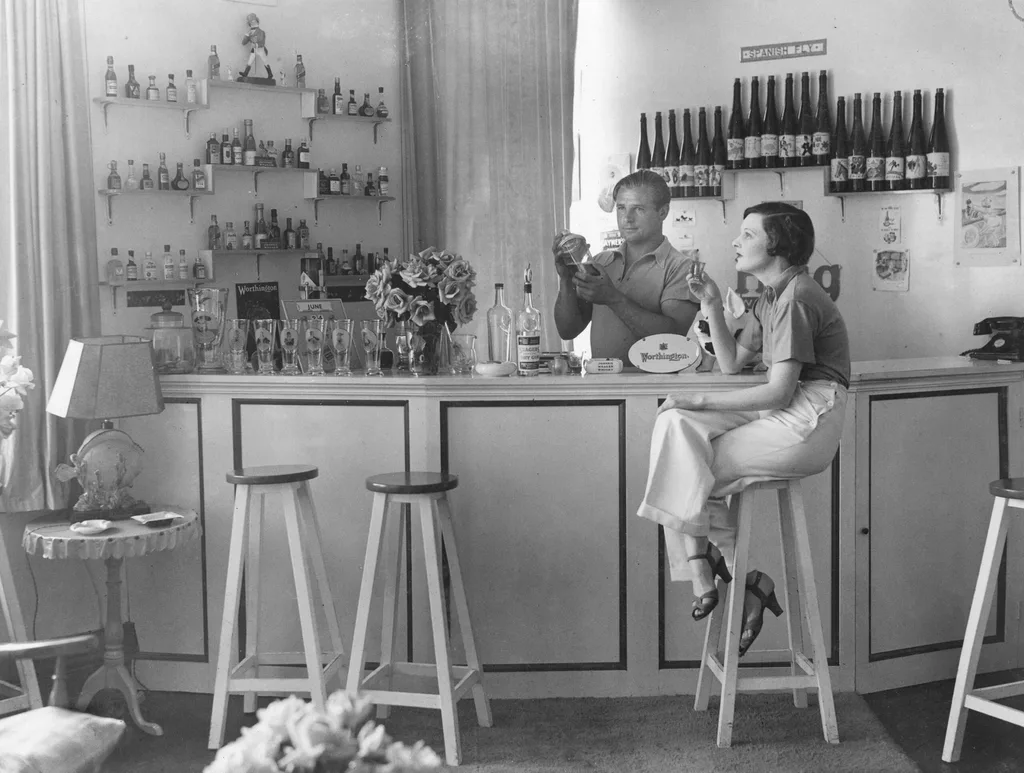
There were dark rumours of sex games at the castle. Stories emerged of her and Mandy turning the Kimbolton Castle chapel into a bar, the shelves lined with pornographic glasses. There was even a story told of the night that she stepped naked from a fur coat to eat dinner at the home of a local politician.
The only real evidence of controversial behaviour, however, was the night that Nell was caught with a dozen others playing roulette and chemin de fer at a house in Piccadilly which had been turned into a gambling den. When she appeared in the Magistrate’s Court the next morning, charged with gambling, she was the only one who revealed her identity. Rather than causing a scandal, her conviction was greeted in London newspapers with admiration.
Yet she and Mandy could not escape the spectre of the Montagu family problems. Mandy’s father, the Duke, and his younger brother, Edward, both faced court in 1935 for separate financial crimes.
The Duke allegedly tried to hock some of the family jewels kept locked away in a family trust, and Edward – a flamboyant figure who lived mostly in America – was accused of stealing while working as a secretary for a wealthy widow. Both were convicted, although the Duke, who arrived at court puffing on a cigar and lamenting the cost of his chauffeur and butler, would be released on appeal.
Restoring Kimbolton Castle
While the social stain proved difficult to erase, Nell and Mandy decided to plough money into restoring and renovating Kimbolton Castle, hoping to move back in and make it the family home once more.
It would take two years and tens of thousands of pounds to restore a liveable section of a castle that had not been touched in 300 years, including installing electricity for the first time. The work would be finished in late 1938, just in time for Nell to give birth to their second child, a boy named Angus.
The war years
Yet their joy was short-lived as the Second World War began. Mandy was recalled to the navy and sent back to Ceylon, while Nell first took Sidney to America, where he would spend the war years at boarding school, before she and one-year-old Angus joined Mandy.
Lieutenant Commander Mandy would serve aboard the aircraft carrier HMS Eagle for almost three years, during which time he was awarded an Order of the British Empire (OBE) for his act of bravery when a bomb unloaded from an aircraft detonated below decks. Mandy was injured in the explosion and yet helped another sailor search for survivors and bring wounded men out of the bomb room despite the fear of a second blast.
In 1942, he was assigned to naval headquarters in Colombo, where he would see out the war while Nell spent her time volunteering for the American Red Cross.
Starting a new life
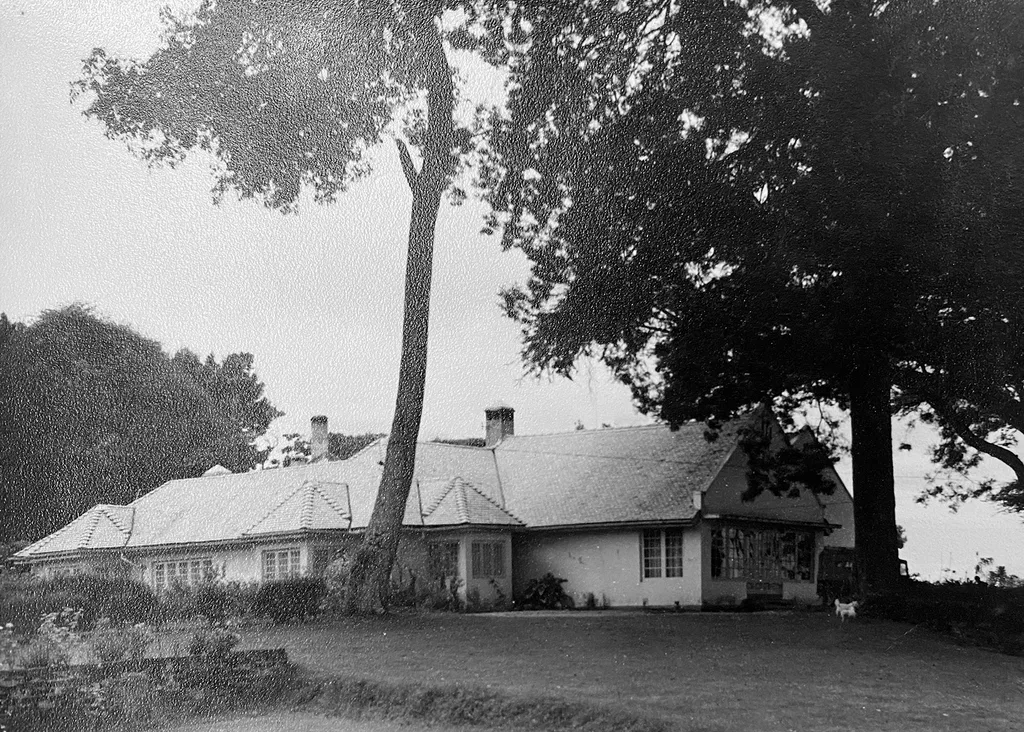
By the end of the war, their old home, Kimbolton Castle, was a wreck, trashed by the Royal Army Medical Corps, who had used it as a base. As Nell would observe in her diary: “Well, it’s been a busy day. We have been to Kimbolton, and it’s in a rather sorry state. The soldiers have trashed it plus have taken all my clothes, including my panties. Furniture is trashed … it’s so sad, and this is our home. I am still trying to establish where my mother’s sideboard is. I hope it’s not lost.”
All their restoration work had been for nought, and the couple chose, instead, to pursue a new life in Kenya, where land was cheap and farming promising. They bought an established cattle property, Kapsirowa, in the highlands north of Nairobi, where they planned to spend half the year while returning to Kimbolton for the rest of the time. They also travelled to America, where they had been welcomed by a Californian society in awe of the British aristocracy.
Becoming the Duke and Duchess of Manchester
Britain’s tough inheritance laws only underlined the wisdom of their decision when Mandy’s father died in 1947, handing him what remained of the crumbling estates as he was named the 10th Duke of Manchester.
Nell Stead had become Australia’s first and only duchess, and was celebrated whenever she went back home, declaring to a reporter’s question: “Am I still Aussie? Of course, I am! This is my home.”
Because of their long absences from England and Kimbolton Castle’s abject condition, the property eventually fell foul of an obscure law that allowed it to be compulsorily acquired by the local grammar school.
Selling off history
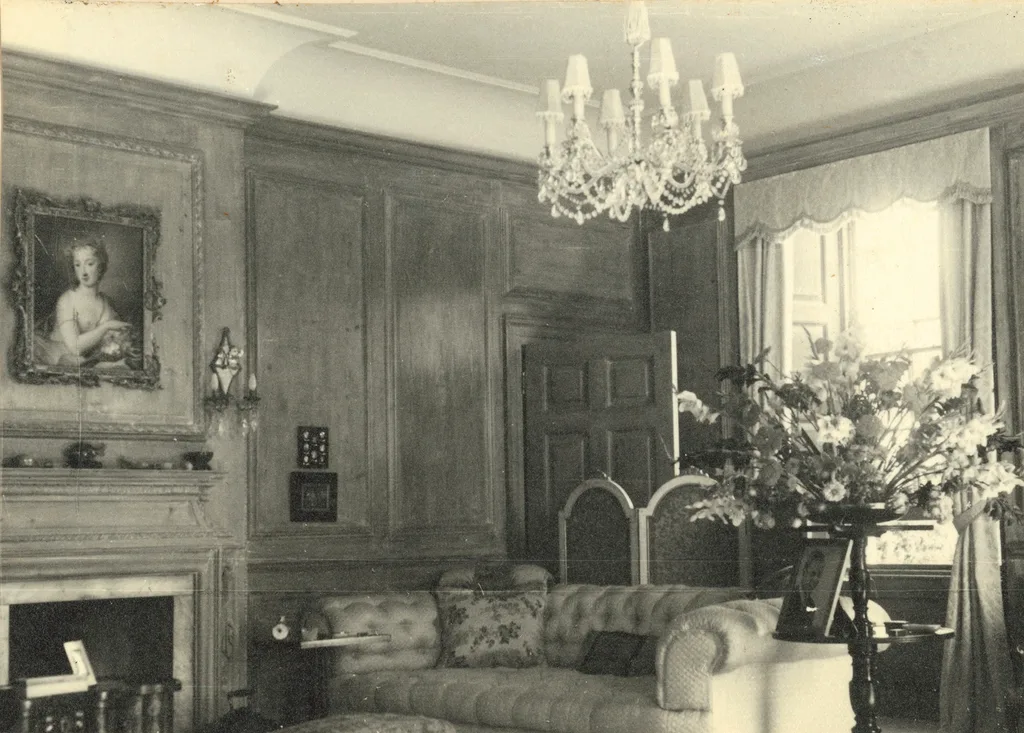
In the summer of 1949, the couple hosted one of the largest home and estate sales in British history. It would take four days to sell the contents of the castle, which was full of paintings by some of England’s greatest artists, including Sir Joshua Reynolds, Charles Lucy and Godfrey Kneller, as well as European masters such as Reubens, Van Dyck, Mytens, Veronese, Correggio, Tintoretto and Canaletto.
If the quality of the paintings, mostly portraits of the duke, earls and their families, as well as the kings and queens of England, was astounding, then the prices were truly shocking, with most being sold off for less than the equivalent of $100.
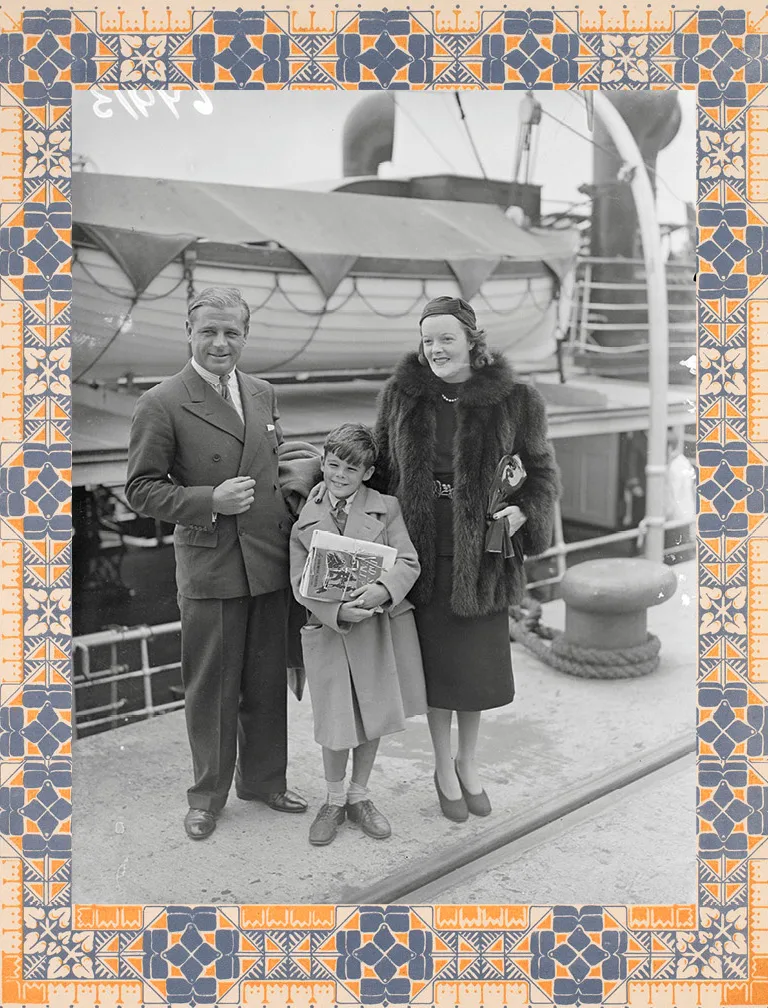
The dream to restore the Montagu name and Kimbolton had failed, and Mandy and Nell would end their days at Kapsirowa, where they tried to recreate the Kimbolton estate cattle breeding success, even amid the Mau Mau wars.
The couple visited London occasionally as remnants of the estate continued to be sold off. Only the title would remain as their sons, Sidney and Angus, eventually became the 11th and 12th dukes. Angus’s eldest son, Alexander, who is Australian-born, is the 13th duke and lives in the US.
Written by Robert Wainwright, author of Nell, the Duchess of Manchester, a book about Australia’s forgotten duchess.
This article originally appeared in the April 2025 issue of The Australian Women’s Weekly. Subscribe so you never miss an issue.

