




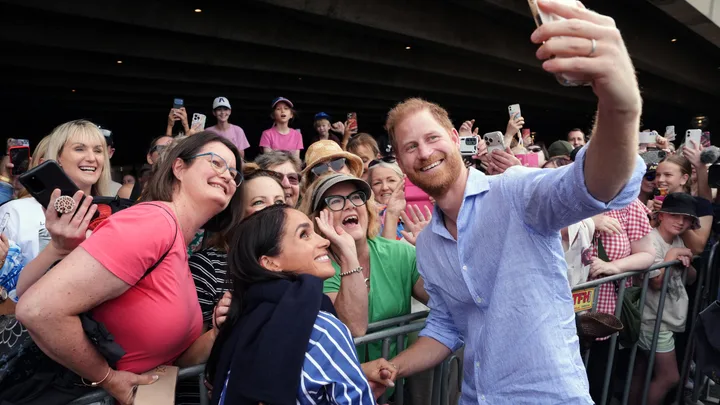
Anyone intent on devouring every word about Harry and Meghan’s tour of Australia in recent days might well be forgiven for thinking the couple made not one but two different visits, so vast is the chasm between Aussie and Brit news coverage.
Sitting at my correspondent’s desk in London, flicking between news sites is a surreal experience: “…a pathetic cry for public love”, snarked The Spectator about the “nonroyal” tour.
“Harry and Meghan need to stop pretending they’re Royals”, sniffed London’s Daily Telegraph.
“Meghan and Harry’s trip to Australia is already a disaster”, warned The Times.
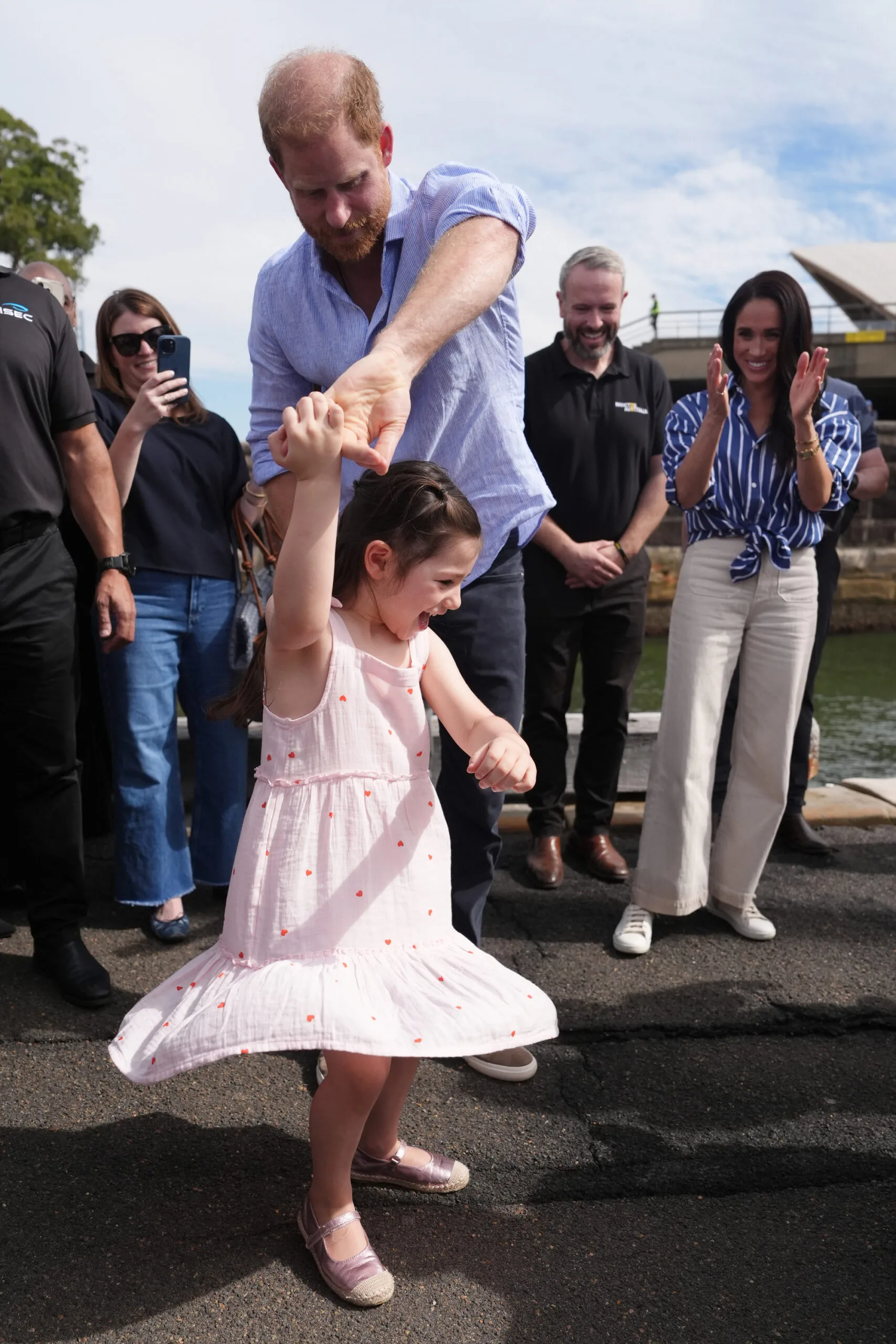
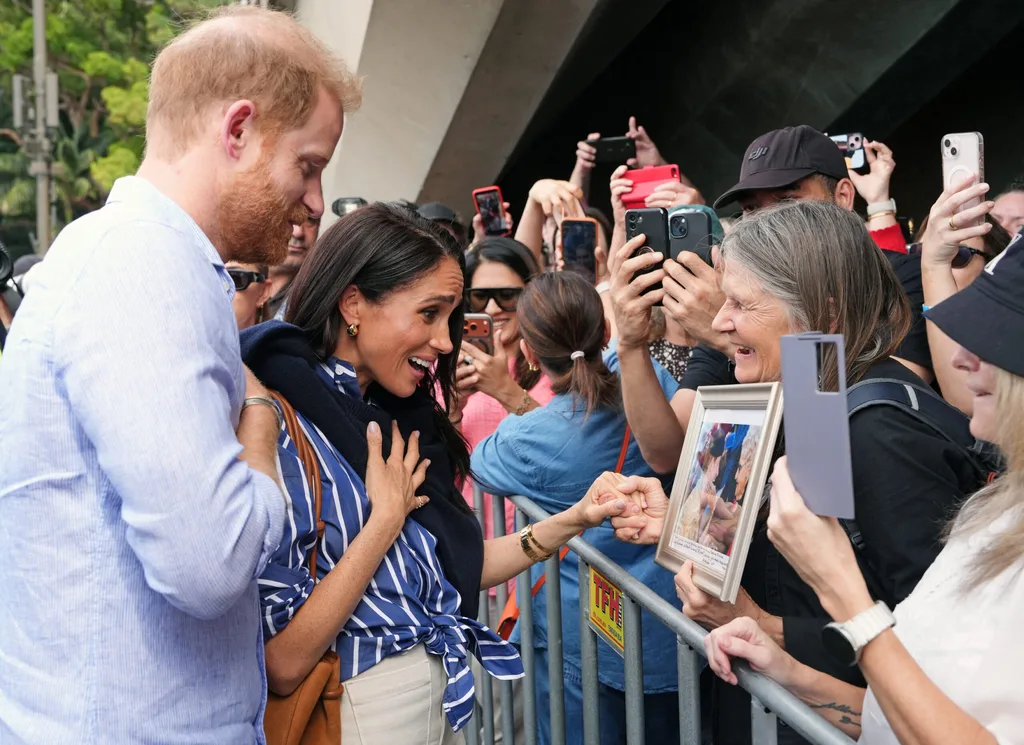
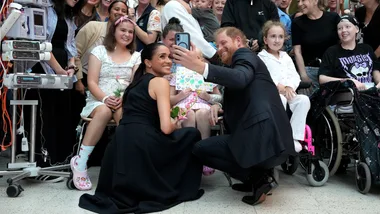
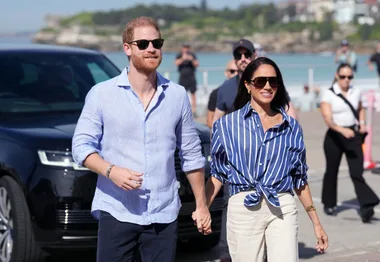
Where was all the love I saw on Aussie social media of the crowds on Bondi Beach, the long lines of young people – and their nans and grandpas – waiting patiently for selfies or the myriad flowers and souvenirs handed over by smiling, waiting children.
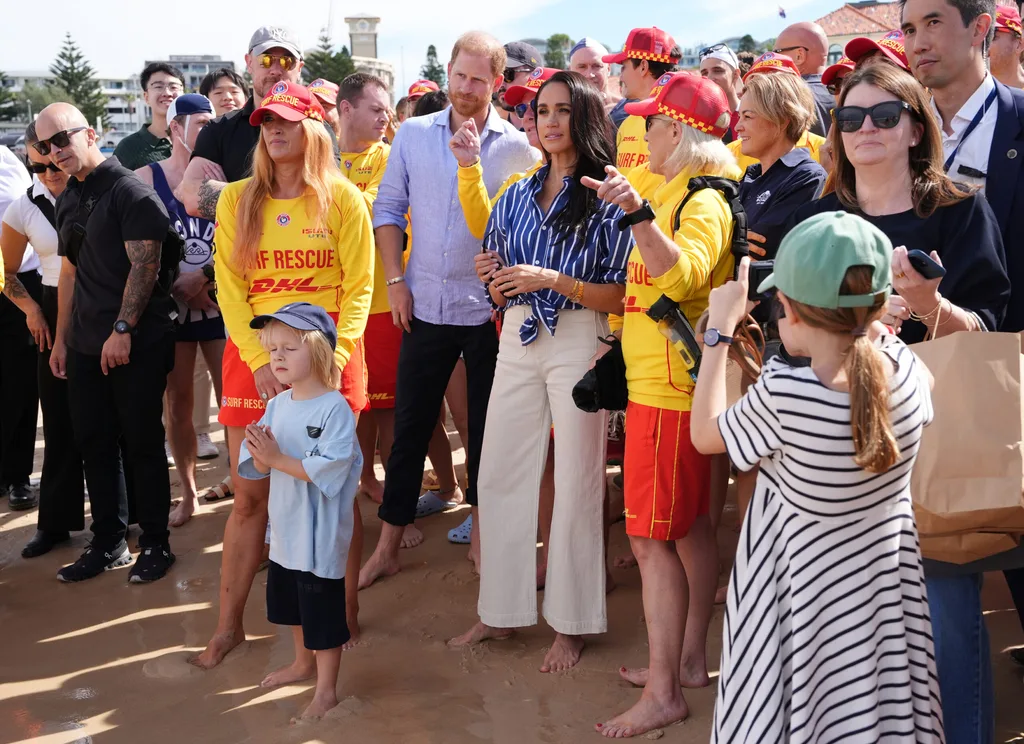
And who could forget the moment that went immediately viral as a woman who had been napping in the sun on the sand at Bondi Beach woke and looked up, unfazed from her towel as a phalanx of lifesavers, security men, and the Montecito Royals strode past toward the sea.
“Peak Bondi attitude” pretty much encapsulated the humorous and generally affectionate public response on Australian threads and posts when the vision went public.
Don’t get me wrong, Australian media did not just gush or report uncritically: questions were indeed asked about the cost of security to the taxpayer and the relevance of non-working Royals in a 21st century democracy not to mention the dissonance between the late Queen’s categoric ‘no’ to the Sussexes taking on a ‘half in half out’ Royal role and events that undoubtedly had a commercial flavour.
But the reality is that Australia, proudly independent, multicultural and seemingly Republican in spirit if not in letter, received Harry and Meghan with a much more pragmatic and benignly interested coverage than the polarised and overtly hostile response of the UK media.
“A quasi-royal tour”, snorted the Daily Mail, triumphant about an alleged snub by the Irwin family because “they’re loyal to William”. A poll suggesting an “overwhelming four to one of Brits” are opposed to the use of their Royal titles was given huge Mail headlines.
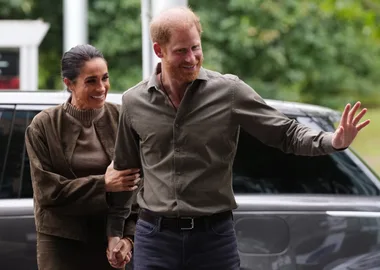
Strangely, the British tabloids, including The Sun, were kinder to the Sussex roadshow than their grander, more snobby cousins. The Spectator, arch conservative and known for its high Tory royalist stance, seemed to be particularly at odds with what unfolded on the ground in Australia: “… there’s a sadness to this visit”, it reported. “The attempt to recapture the aura of the Sussexes’ highly successful 2018 official visit, while attempting to play down their lucrative side hustles and their patent desire for media attention, is, frankly, a costly yet pathetic cry for public love.”
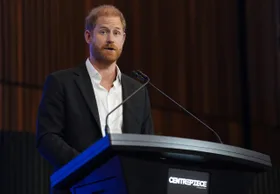
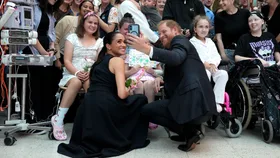
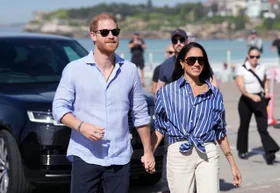
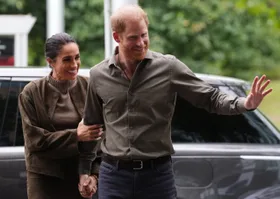
“For most Australians, monarchists and republicans alike, the Sussexes have come and, in a few days, will go. They are welcome here as private American residents, but if they think they have a place in Australian hearts simply because they are Meghan and Harry, they are sadly mistaken.”
This says much, much more about British attitudes to the ‘Spare’ and his bride than Australian beliefs, I believe: Harry has been at war with the UK tabloids for years, fighting them in the courts, not always on the winning side but forcing them to at least argue and defend their side in public. As a result, he has been the target of years of open media hostility, crystallised by a perhaps more understandable national disquiet (and distaste) for his role in Royal family tensions, particularly at the end of the much-loved Queen’s long life.
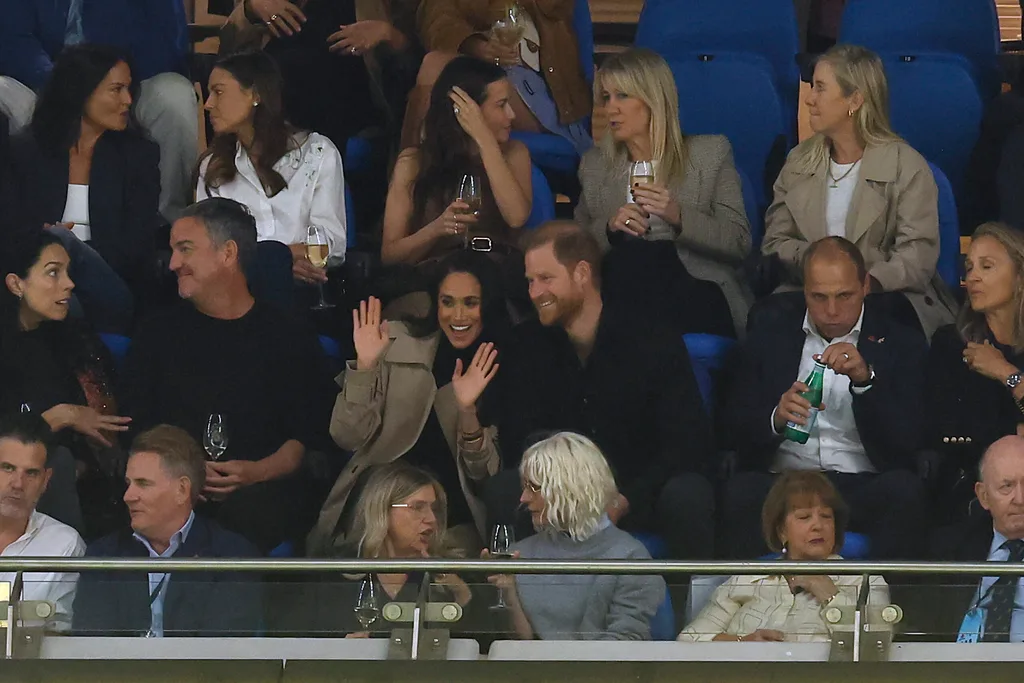
But the reality is that Harry and Meghan chose carefully the events and issues that resonate with many Aussies: mental health and youth, indigenous issues, the role of women, and care for military veterans. And they ditched the bowties and tiaras, the curtseys and protocol that comes with working for ‘The Firm’ and used their status – admittedly a little nebulous between celebrity and aristocracy – to make their own mark.
“We have to be seen to be believed”, declared a young Queen Elizabeth II, resigned to the reality that Royal tours are a necessity of modern monarchical life.
Harry and Meghan have certainly been seen Down Under – and shown a different, perhaps less deferential love, one more for who they no longer are than who they once were.

