




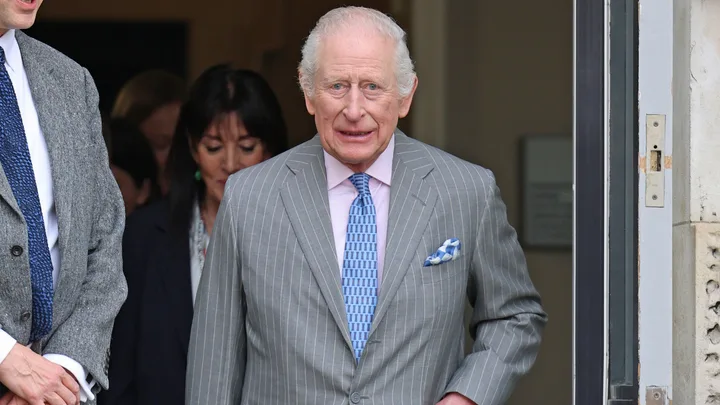
King Charles has long pleaded for people to undergo cancer screening to encourage early cancer diagnosis, which has led to his successful cancer treatment and the happy news that he has reduced his cancer treatment in 2026.
In collaboration with UK charity Stand Up to Cancer, King Charles touched on how early diagnosis aided in his cancer treatment.
“I know too what a difference [early diagnosis] has made in my own case, enabling me to continue leading a full and active life even while undergoing treatment.”
He also shared the news that thanks to “early diagnosis, effective intervention, and adherence to doctor’s orders”, he can reveal that his “schedule of cancer treatment can be reduced in the new year”.
“This milestone is both a personal blessing and a testimony to the remarkable advances that have been made in cancer care in recent years.”
He said that people may be reluctant to undergo the screening as it may be “frightening, embarrassing or uncomfortable”, even “overwhelming.”
“A few moments of minor inconvenience are a small price to pay for the reassurance that comes for most people when they are either told they don’t need further tests or, for some, are given the chance to enable early detection with the lifesaving intervention that can follow.
On World Cancer Day 2026, King Charles asked people to take a moment and think about the “hundreds of thousands across our United Kingdom who receive a cancer diagnosis each year and for the millions more who love and care for them.”
“Throughout my own cancer journey, I’ve been profoundly moved by, what I can only call, the community of care that surrounds every cancer patient. The specialists, the nurses, researchers, and volunteers who work tirelessly to save and improve lives.”
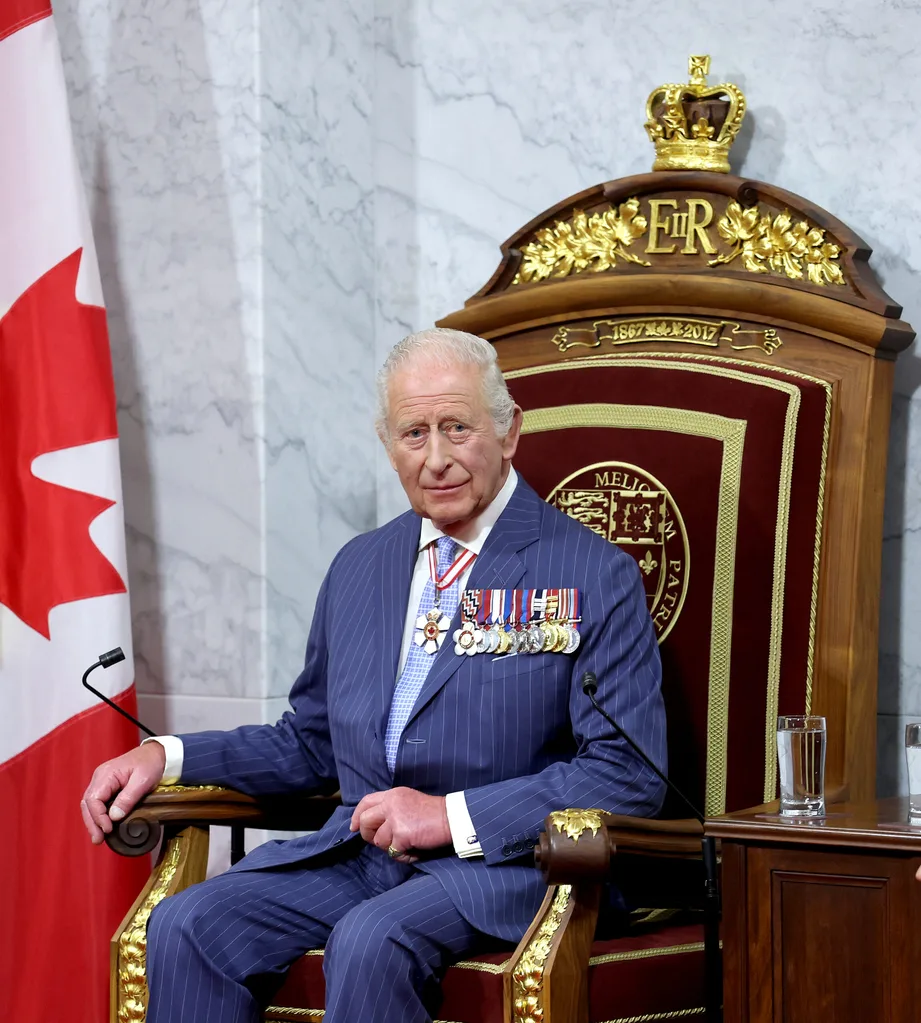
What King Charles says helps him in his cancer journey
In February 2024, King Charles first announced his cancer diagnosis. He has been quite reserved since his diagnosis and hasn’t made many statements on his road to recovery. However, since 2024, he has shared what is helping him through his cancer journey.
As Charles and Queen Camilla ended their official tour to Canada, a royal aide made a statement that the monarch is “managing” his cancer and trying to maintain his lifestyle “as normal as possible.”
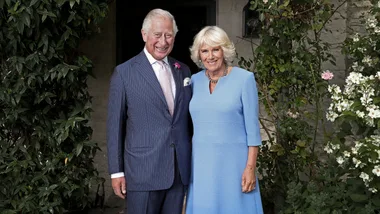
“The thing you learn about this illness is that you just manage it. And that’s what he does. Medical science has made incredible advances and I genuinely see no difference in him. As long as you just do what the doctors say, just live your life as normal as possible and that’s exactly what he is doing. It’s no secret that he is still having treatment but because he is incredibly fit, he is just dealing with it all incredibly well. As everybody knows he is driven by duty, so he just gets on with it.”
A senior royal aide. Source
At an event in May 2025, at Buckingham Palace, King Charles III revealed how food is helping him as he recovers from cancer — he received a diagnosis in 2024.
Charles was heard speaking with another attendee, who is also battling cancer, saying, “It’s sometimes about the diet and what you eat. It can help.”
King Charles gave a rare update on his “frightening” cancer
His Majesty gave a rare update on his cancer journey on a recent visit to Bradford, UK, with his wife, Queen Camilla. When speaking to a local florist, he reportedly said: “I’d like to think I’m on the better side [of my cancer journey]” and gave her a thumbs up!
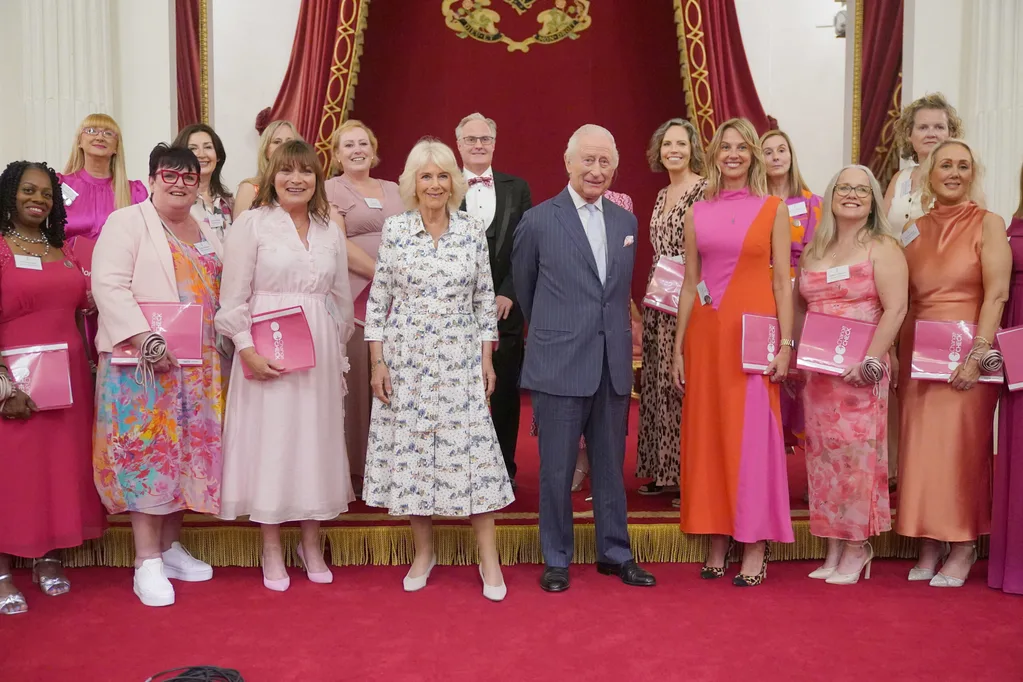
Ahead of a previous event held at Buckingham Palace to honour cancer organisations, King Charles described in a statement that his experience with cancer was “frightening” and praised healthcare workers, researchers, volunteers, and support groups for bringing out “the very best of humanity.”
The King, who is still undergoing treatment, did not disclose the type of cancer he has. His message emphasised empathy for those affected by cancer and expressed deep appreciation for those working in the field.
“It has certainly given me an even deeper appreciation of the extraordinary work undertaken by the remarkable organisations and individuals gathered here this evening, many of whom I have known, visited and supported over the years. And it has reinforced what I have long observed during these visits – that the darkest moments of illness can be illuminated by the greatest compassion.
King Charles III, Source.
He also quoted late cancer campaigner Deborah James to highlight hope and resilience in the face of illness:
“Find a life worth enjoying; take risks; love deeply; have no regrets; and always, always have rebellious hope.”
King Charles hospitalised for cancer treatment
In March 2025, His Majesty was hospitalised in connection with his ongoing cancer treatment.
“Following scheduled and ongoing medical treatment for cancer this morning, The King experienced temporary side-effects that required a short period of observation in hospital,” the palace’s statement – which was released on March 27, 2025 – read.
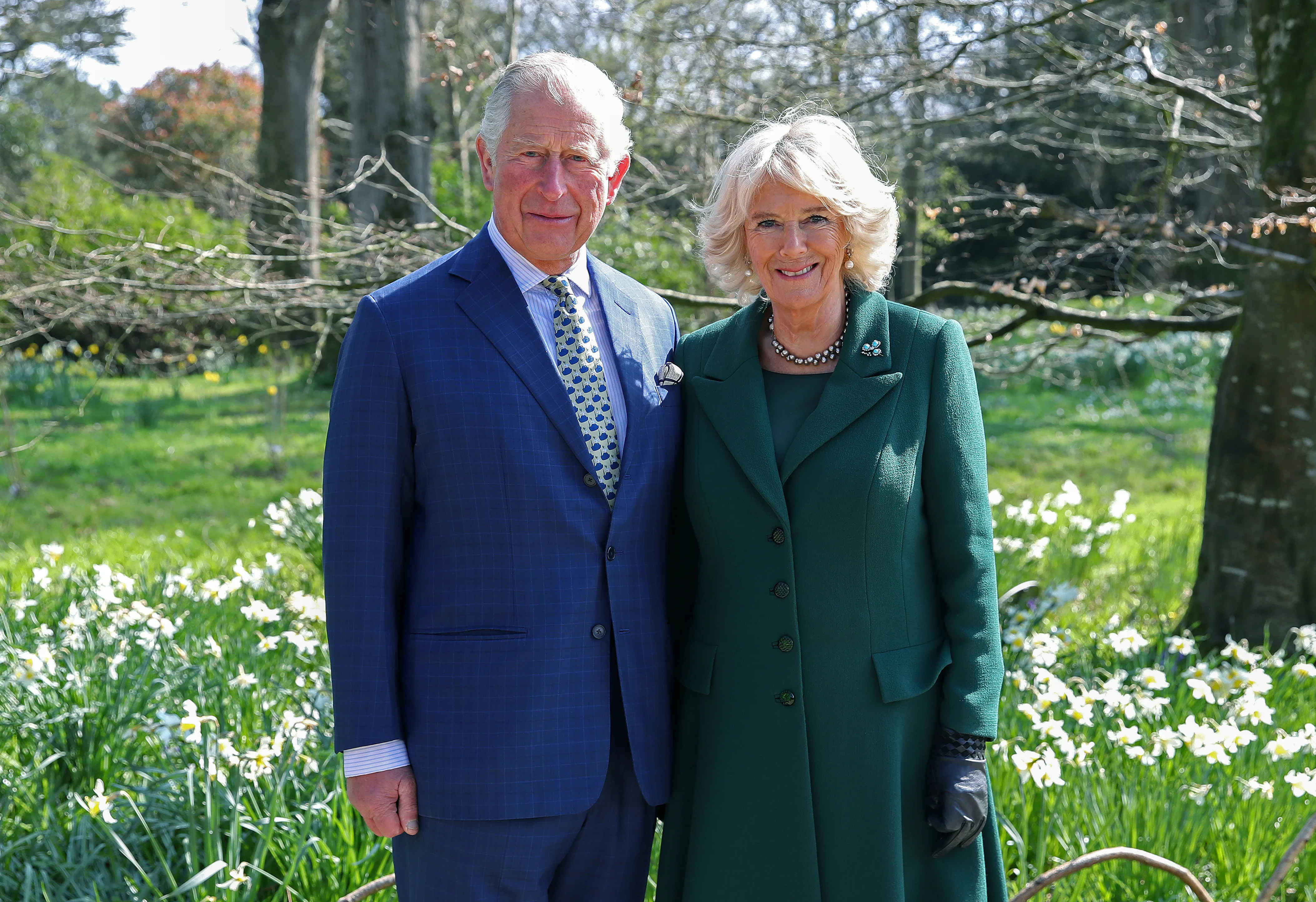
King Charles first announced his cancer diagnosis on February 6, 2024.
The revelation came just days after the monarch had been admitted to The London Clinic for a corrective procedure related to an enlarged prostate.
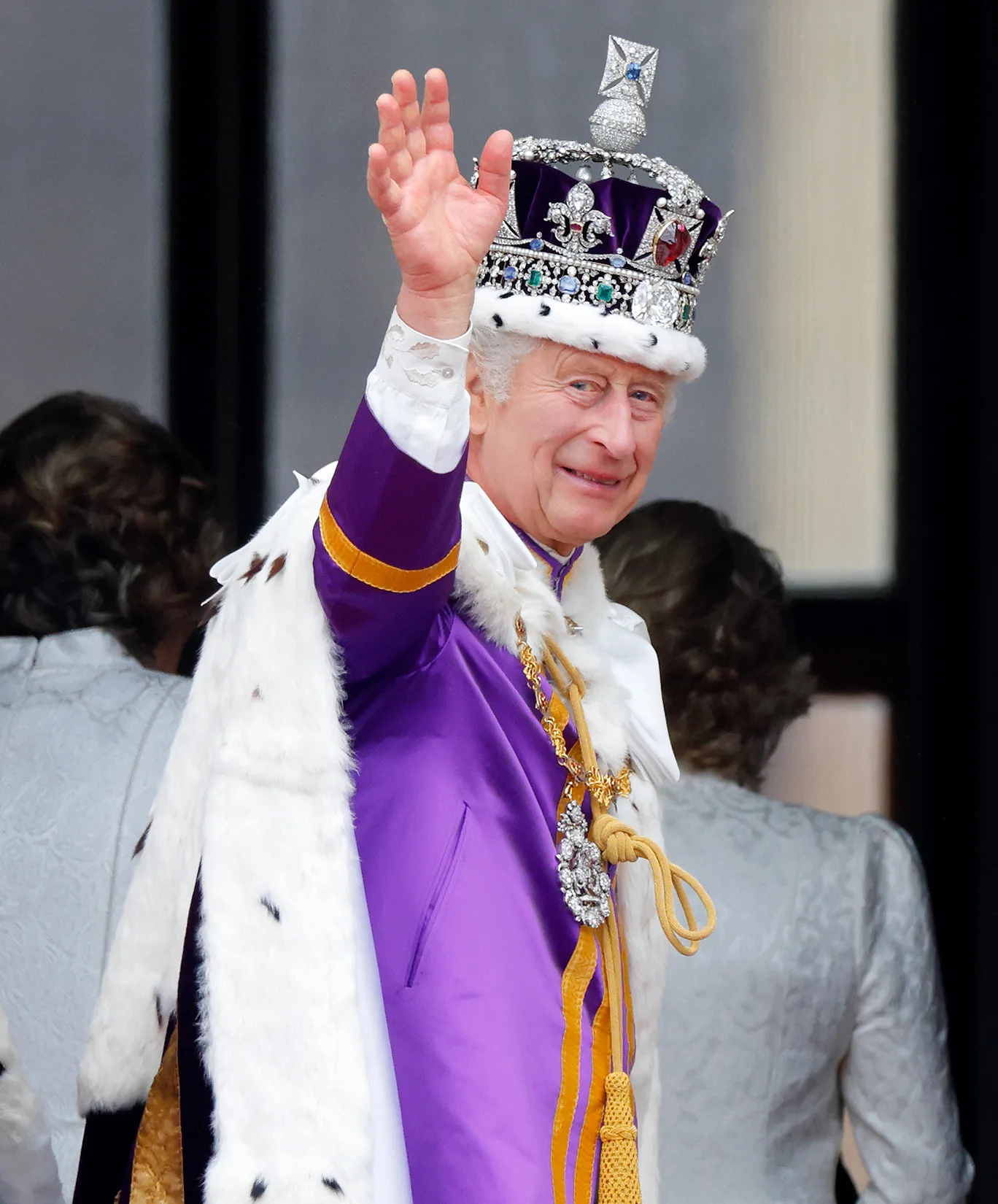
At the time, Buckingham Palace assured the public that the prostate condition was benign.
However, during the routine hospital stay, doctors identified a separate, unrelated form of cancer.
While the palace did not disclose the specific type of cancer, they confirmed it was not prostate cancer.
Following the announcement, Charles commenced treatment and temporarily stepped back from public-facing duties.
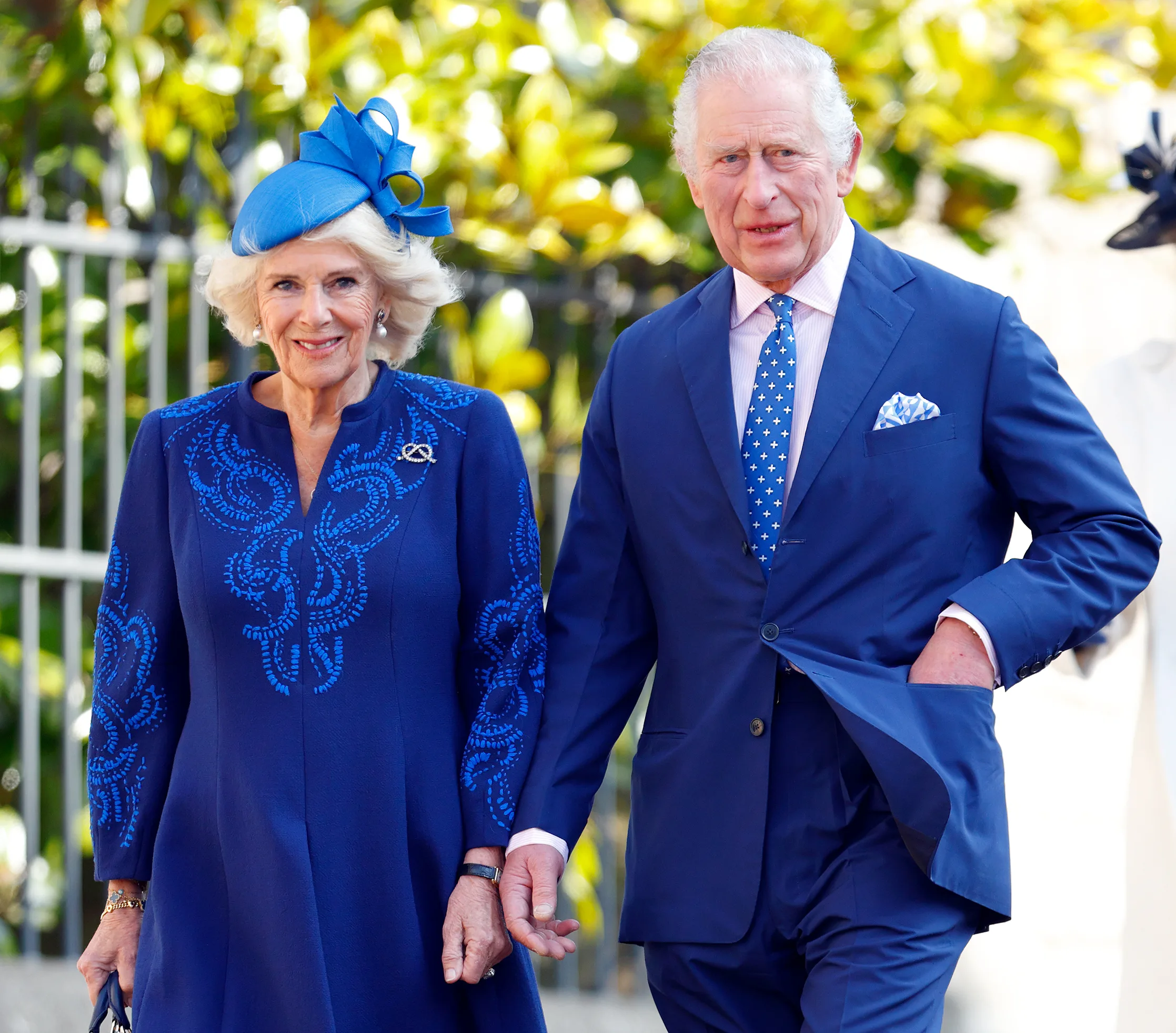
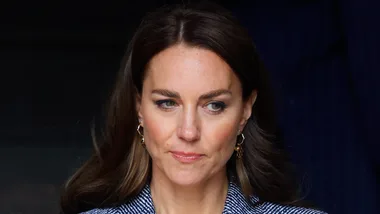
During this period, Queen Camilla and Prince William took on additional responsibilities; Princess Catherine was unable to though as she was sadly diagnosed with cancer herself.
In April 2024, Charles officially resumed his royal duties and since then, has seemed in excellent health; he even undertook a royal tour of Australia in October last year.
The monarch even joked with a fellow cancer patient about the troubles of getting older during a visit to Balmoral Castle in Scotland in September 2025.
“Bits don’t work so well once you get past 70,” he said.
According to The Times, palace sources aren’t too concerned about the previous hospitalisation, having described it as “a minor setback.”

