




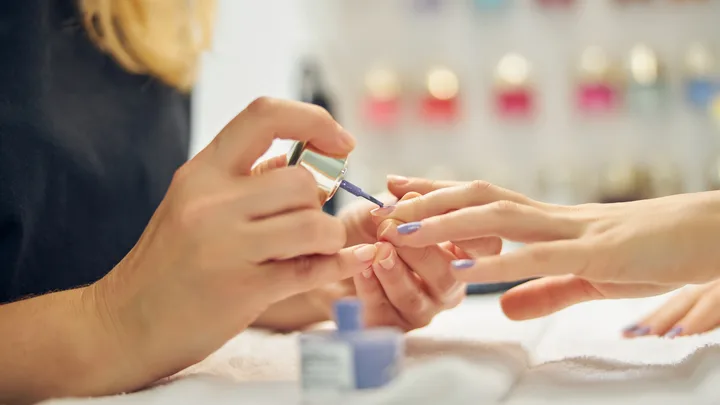
Whether it’s a longstanding fortnightly appointment or just something you book for special occasions, you’ve likely had a gel manicure or pedicure before.
Long-lasting and chip-resistant, they’re readily available from thousands of salons in cities and suburbs across Australia, with most being competitively priced.
Beyond choosing a colour, however, most of us are unlikely to ask about the brand or the ingredients in the bottle, although a recent ban in Europe might have you thinking twice.
On September 1, the European Union officially banned trimethylbenzoyl diphenylphosphine oxide (TPO), a common chemical in gel nail products, over concerns it could affect fertility and long-term health.
TPO is the ingredient that makes gel polish work. Known as a ‘photoinitiator,’ it reacts under a UV lamp to harden polish, leaving nails glossy and durable.
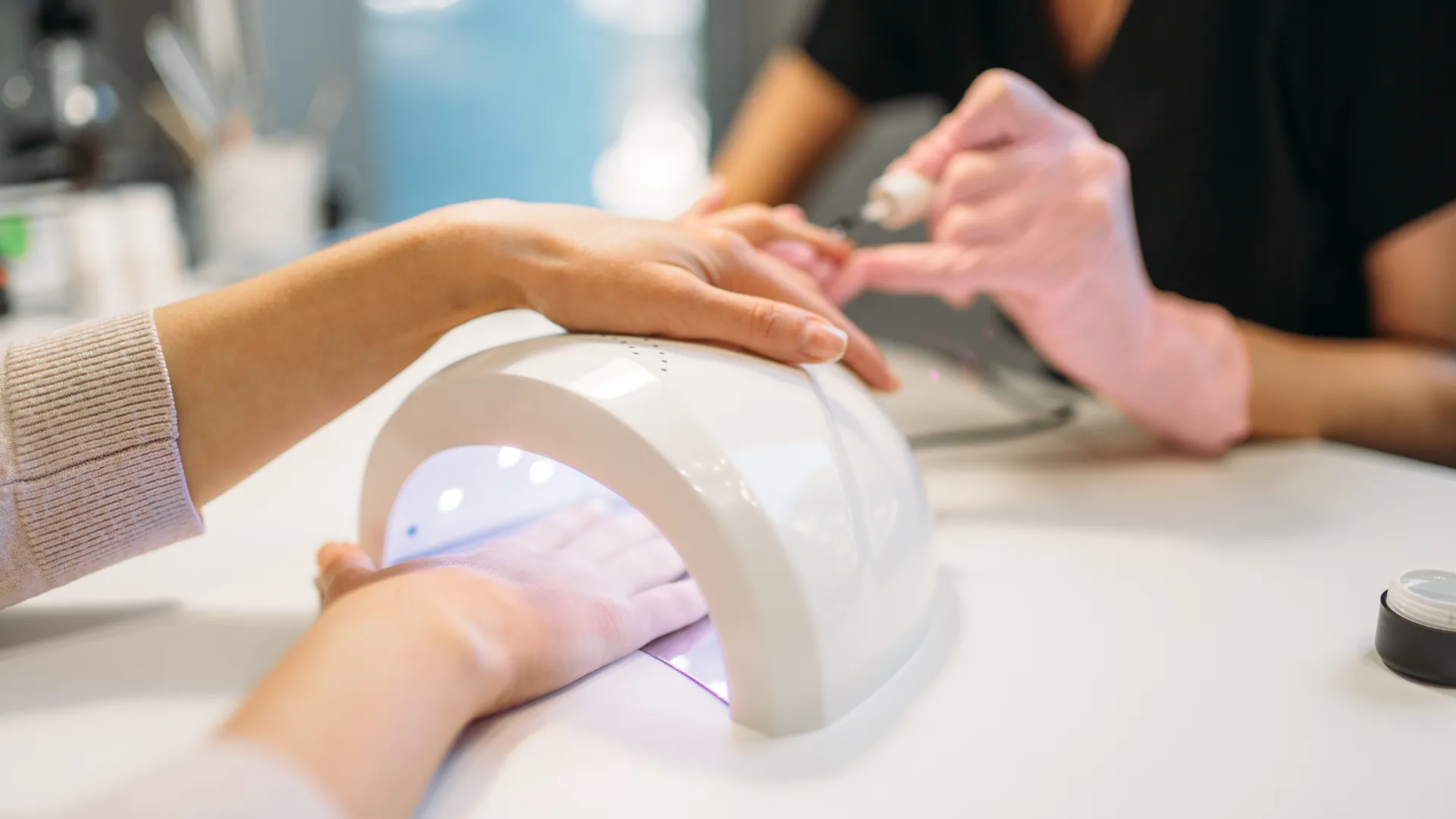
European regulators have classified TPO as a chemical that may be carcinogenic or harmful to reproduction. Under the EU’s precautionary principle, that was enough to have it removed from shelves and salons across 27 countries, as well as Norway, Iceland and Switzerland. The United Kingdom has also confirmed it will follow suit in 2026.
Closer to home, the picture is different. The national chemical regulator, AICIS, last reviewed TPO in 2019. Its conclusion was that the chemical could remain in use, provided manufacturers and salons followed strict labelling and safety guidelines.
This means the next gel manicure you book could quite possibly contain the ingredient Europe has ruled out. For Australian women, that leaves an understandable sense of uncertainty: if it’s banned overseas, should we be worried here?
“In the cosmetics industry, we often forget that when a new product is launched, it takes time to see the long-term impact of new ingredients. For example, gels, acrylics, and semi-permanent polishes weren’t fully understood when they first came out, but now we are seeing the results,” explains Doris Maute, CEO of Swiss nail care brand, Mavala.
“Consumers today are far more aware of what’s going on and are increasingly looking for safer products, paying close attention to formulas, something that wasn’t the case in the past.”
Much of the concern around TPO comes from laboratory studies on animals exposed to very high doses – far higher than the levels used in nail products. In a typical manicure, experts note that when the polish is properly applied and cured, much of the chemical is broken down during the process.
Still, the EU has opted for a ‘better safe than sorry’ approach, while Australia continues to allow its use under regulated conditions.
How to have a safer manicure
If you’re not ready to give up gel, there are simple ways to reduce risk while still enjoying the treatment.
Ask about alternatives: Some salons now stock TPO-free or EU-compliant brands. A quick question can make all the difference.
Check product labels: At-home gel kits may list ingredients, and some will highlight ‘TPO-free’ on the packaging.
Protect your skin: A layer of broad-spectrum sunscreen on your hands before curing helps shield against UV exposure.
Choose well-ventilated spaces: Fresh air in the salon reduces your exposure to vapours.
Watch for changes: Irritation, redness or peeling nails are signs it may be time to switch products or take a break.
Go DIY: Switch to using an at-home product that provides a gel-like effect. We love Mavala’s Gel Finish Top Coat.

