



We’ve all experienced that sinking feeling when your brush is full of hair, you’re noticing more strands after shampooing, and finding them everywhere around the house. However, the confusing part of it all is whether it is a normal process of the hair shedding cycle or is something else at play.
The truth is there are many contributing factors, from life stages such as postpartum, perimenopause and menopause to stress, illness and genetics. Getting to the bottom of it is the first step in working out a routine that can get your hair health back on track. After all, “hair follicles are highly metabolically active, so even subtle changes within the body can impact the hair growth cycle,” shares Sydney Trichologist Lena Hovardas.
Hair is often the messenger when it comes to our health and as Nat Kringoudis, women’s natural health and hormone expert, puts it plainly “The important thing is not to treat the hair as the problem. When hair changes appear suddenly or progressively worse, it’s worth investigating what the body might be trying to communicate.”
With the help of hair and hormone experts, we unpack the myths and facts around hair fall and some of the common factors that could be contributing to excess shedding.
What causes hair thinning in women?
Hair naturally cycles through phases of growth, transition, rest and shedding before the process begins again. The growth stage alone can take several years. In spring and autumn, seasonal shedding is common too. However, if you’re worried about the amount or noticing some thinning, it’s important to recognise other causes or imbalances.
Lena explains, “some of the most common contributors to hair thinning include hormonal changes, iron deficiency, thyroid dysfunction, chronic stress, and genetics. I also commonly see traction alopecia caused by prolonged tension from consistently tight hairstyles.”
Can my hormones affect the health of my hair?
Recently, it seems that every symptom women over the age of 40 are experiencing is being blamed on perimenopause. Yes, the nuance in this space has been beneficial in helping to understand this life stage and its symptoms, however, it isn’t necessarily the case.
Hormones help regulate the hair growth cycle, oil production and follicle activity, which is why shifts in oestrogen, progesterone, testosterone and thyroid hormones can affect hair density and shedding.
“Hair isn’t necessarily responding to a single hormone. It’s responding to the cumulative effect of hormonal shifts, stress, inflammation, nutrient status, blood sugar regulation and overall health. Hair is rarely the first priority for the body, so when resources are limited, it’s often one of the first places we notice a change,” Nat shares.
Other hormonal conditions such as thyroid dysfunction, PMOS (Polyendocrine Metabolic Ovarian Syndrome, formerly known as PCOS) can also affect the hair and scalp. This may show up as increased shedding, loss of volume, dry or brittle hair and thinning through the outer third of the eyebrows. PMOS, meanwhile, can cause hair to thin around the crown and temples while also triggering unwanted hair growth elsewhere on the face or body.
Is stress a factor in hair thinning?
Significant physical or emotional stress can trigger a condition called telogen effluvium, where many hairs shift prematurely into the shedding phase of the hair cycle.
Nat explains, “Hair growth requires the body to feel safe. When stress becomes chronic, the body shifts resources toward survival and away from things it considers less essential in the short term, including hair growth.”
However, one challenge with telogen effluvium is that excess shedding often appears several months after the trigger, making it difficult to connect the two.
“I always look beyond the hair itself and ask why the body is struggling to maintain resilience. Stress isn’t just emotional. Blood sugar instability, inflammation, nutrient depletion, poor sleep and an excessive workload can all act as stressors on the system,” explains Nat.
Furthermore, Lena shares that simply age can be to blame. “As we age, our hair naturally goes through a number of changes. Growth tends to slow down, and follicles may gradually produce finer, weaker strands over time. This is why many people notice thinning, reduced density or a loss of volume as they get older.”
How can I support my scalp health?
While ageing, hormonal changes and stress are unavoidable, maintaining good scalp health, nutrition and consistent hair care can help support stronger hair over time.
Alongside a balanced, nourishing diet and guidance from your GP, targeted supplementation may be beneficial for some people experiencing hair and scalp changes. MSM (methylsulfonylmethane), a sulphur-containing compound, is increasingly being explored for its potential role in supporting hair and skin health.
Furthermore, Lena shares other key minerals such as zinc, biotin and protein, are crucial in helping your overall hair health.
When it comes to haircare products, peptides is one ingredient that is gaining traction recently for its ability to improve the appearance of density and support the scalp environment associated with healthier hair growth. From scalp serums to everyday shampoo, it’s an ingredient worth incorporating, regardless of your hair concerns. For those curious about incorporating peptides into their routine, the OGX ProGrowth + Peptide range is built around nine per cent Long7vity Complex peptide technology, and is designed to support scalp health, reduce breakage and encourage stronger-feeling hair over time. What makes the range special is the densifying scalp serum pen which is fast-absorbing scalp serum hydrates and reinforces roots to support natural hair growth for visibly thicker, fuller hair from the root.*
However, creating healthy hair habits is also just as important. Scalp massage and reducing the amount of dry shampoo and styling products used, right down to the hair ties you use all play a part. “People often underestimate how much small daily habits like aggressive brushing, repeated slick hairstyles or excessive heat exposure can contribute to long-term breakage, thinning and scalp stress. Proper cleansing and targeted treatments suited to your scalp and hair concerns can make a significant difference over time.”
Your strand-strengthening essentials:
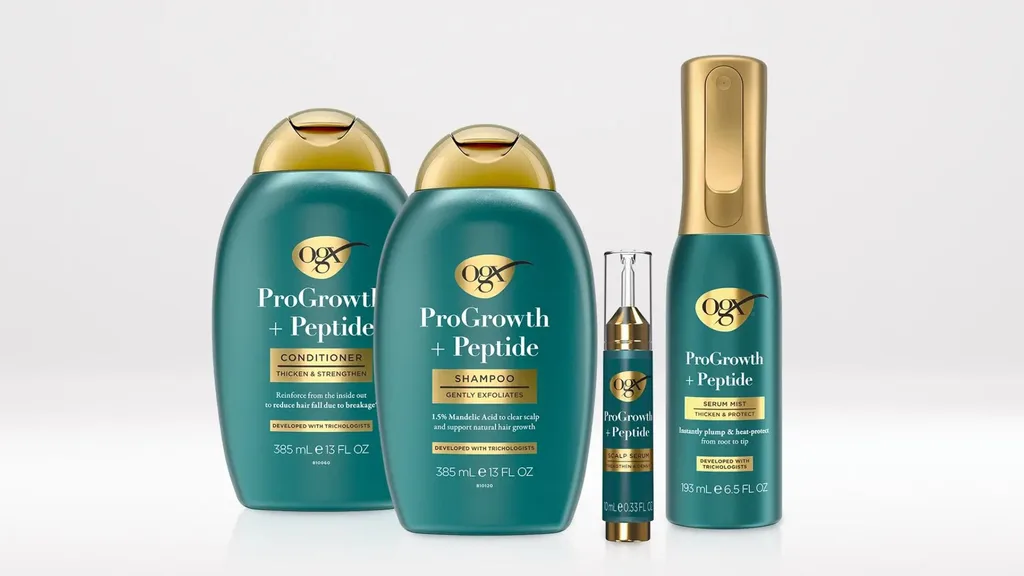
01
OGX ProGrowth + Peptide range
from $25 at OGX
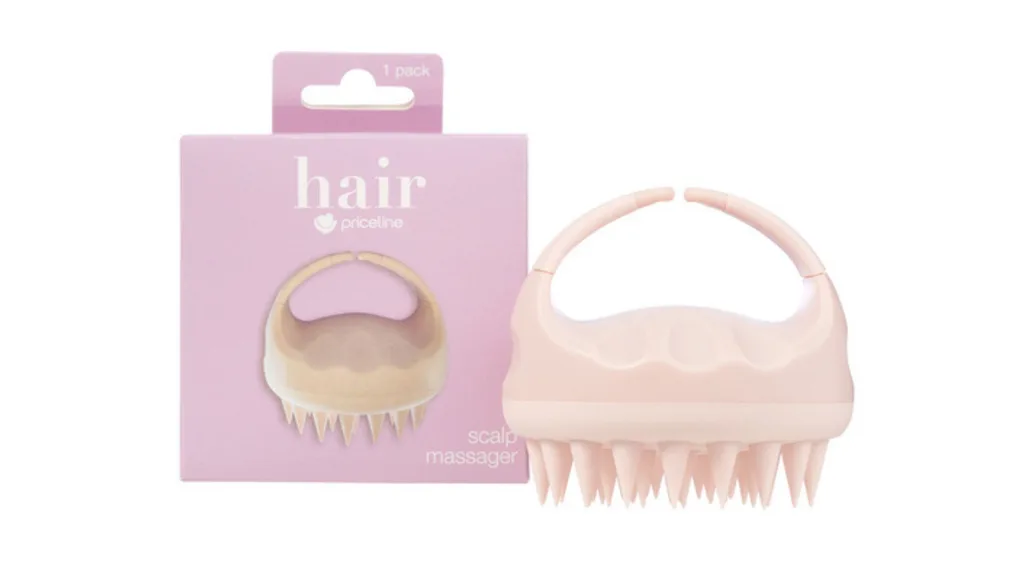
02
Priceline scalp massager
$10.50 at Priceline

04
M BODY Minerals MSM Beauty Mineral
$37.95 at M BODY Minerals
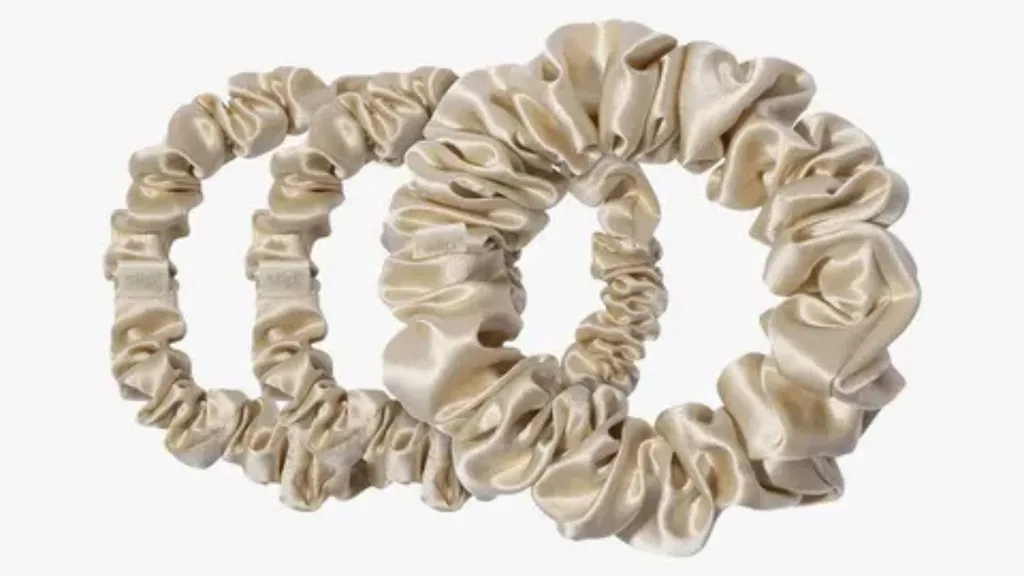
03
Slip assorted scrunchie set
$56 at Mecca

At OGX, we believe healthy hair gives you the confidence to boldly be yourself. Our high-performance, ingredient-led formulas help support hair health and resilience from root to tip, empowering you to wear your hair your way, every day.

Related stories
Native ad body.

Native ad body.

Want healthier, stronger hair? We spoke to a trichologist to find out how
Native ad body.
Can stress really lead to hair loss?