




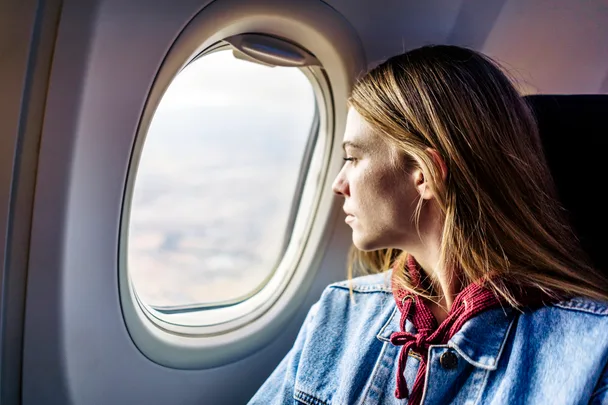
When it comes to flying, you’re either a window person (views! Somewhere to rest your head!) or an aisle person (No climbing over strangers! Space to stretch your legs!). Obviously, no one likes the middle seat.
I’m firmly in the window camp. Give me blue horizons and fluffy clouds, headphones on and the chance to pretend I’m in my own music video.
But it turns out my favourite seat isn’t doing my skin any favours. According to a new analysis by beauty and wellness booking platform Fresha, window seats are the worst choice for skin due to higher UV exposure and reduced airflow.
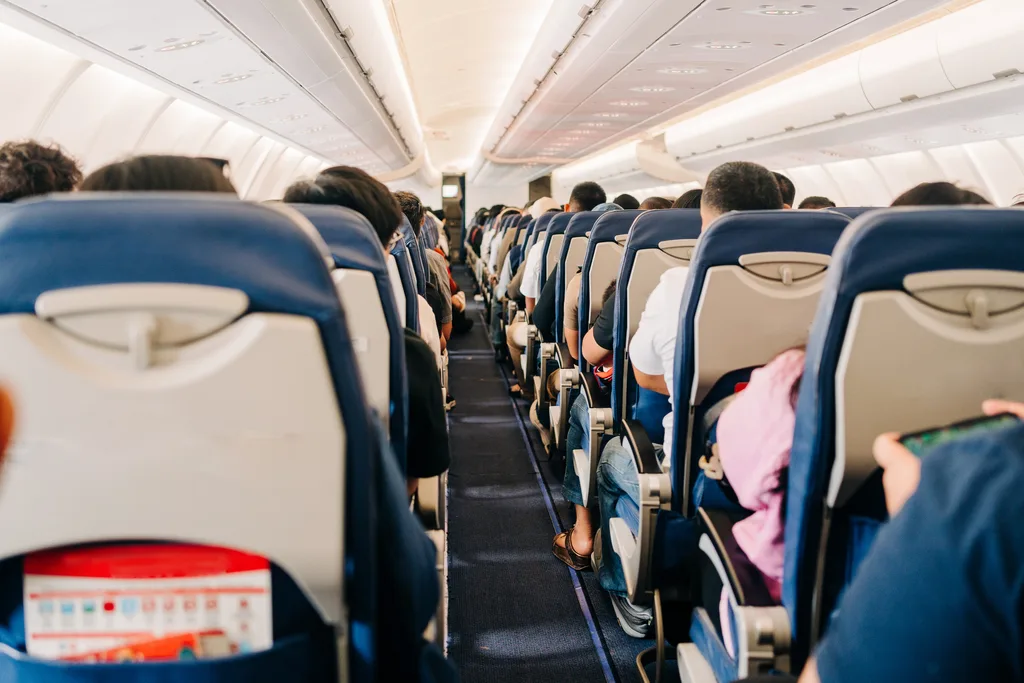
Aisle seats in the middle of the cabin were the best choice. The first and last five rows had the biggest fluctuations in airflow, temperature and humidity, while seats above the wings had the most stable humidity levels.
So, how much difference can a plane seat really make? Sydney-based dermatologist Dr Emily Forward says there is genuine science behind the warning about window seats, particularly if you fly regularly.
Why is the window seat worse for your skin?
“Standard aircraft windows filter out most UVB, but they don’t fully block UVA, the wavelength responsible for premature ageing and a contributor to skin cancer risk,” Dr Forward explains to The Weekly.
“It’s the same principle behind the well-known case of a long-haul truck driver whose left, window-facing cheek showed decades more sun damage than his right.”


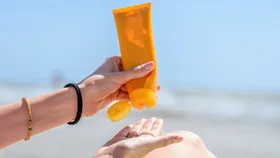
That doesn’t mean you have to give up the window seat (thank goodness for me).
“A single short-haul flight isn’t going to age half your face, but if you’re a frequent flyer who regularly takes window seats on daytime or long-haul routes, that UVA exposure adds up cumulatively over years, just like driving does,” she adds.
Dr Forward also points to studies measuring UVA inside aircraft cockpits, which found an hour at cruising altitude can equal a short tanning bed session, with exposure increasing with altitude and flight time.
“It’s not something to worry about on an occasional short flight, but for frequent flyers or long daytime sectors, it’s worth a moment’s thought,” Dr Forward reassures.
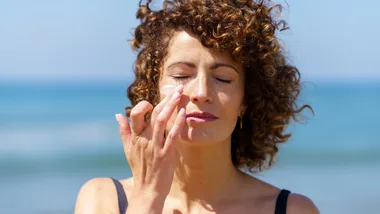
“If you’re in a window seat during daylight, apply a broad-spectrum SPF 30–50 beforehand and keep the blind down when you can.”


Why does your skin feel so dry after flying?
No matter where I sit though, my skin feels parched by the time I land.
Dr Forward notes cabin humidity typically sits at around 10 to 20 per cent, well below the 40 to 60 per cent our skin is used to. At that level, moisture leaves the skin faster than it can be replaced.
“Studies show measurable hydration loss within the first hour of flight,” she says. “Skin feels tight, dull and flushed, and eczema or rosacea can flare. It’s temporary, not lasting damage, and recovers once you’re rehydrated back on the ground.”
How to protect your skin on a flight
Despite what you see on social media, you don’t need a sheet mask and a bag full of miniature skincare products.
“Elaborate mid-flight routines and sheet masks look good online but rarely outperform a moisturiser reapplied a couple of times,” Dr Forward notes.
A facial mist can help but don’t stop at a quick spray.
“Spritzing a hydrating mist without sealing it in with moisturiser can leave skin drier, as the water evaporates and takes moisture with it,” she explains.
So what should we actually be doing? Before flying, Dr Forward recommends cleansing, skipping new actives such as retinoids or acids for 24 to 48 hours, and applying a moisturiser with ceramides or hyaluronic acid. If you’re sitting by the window during the day, apply SPF.
Once you’re in the air, reapply moisturiser and lip balm every few hours, drink water regularly and go easy on alcohol and caffeine.
“A glass of wine to help you sleep undoes most of your hydration efforts in one go.”


Share this post