




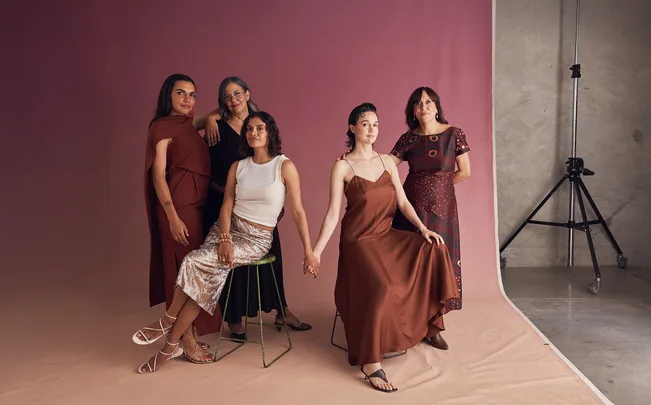
In this exclusive interview, Rachel and Hetti Perkins share their heartfelt family story. They are joined by Hetti’s daughters, Thea, Lille and Madeleine. This article first appeared in the December 2025 issue of The Australian Women’s Weekly. Warning: It includes names and images of Aboriginal people who have died, and descriptions of historic violence.
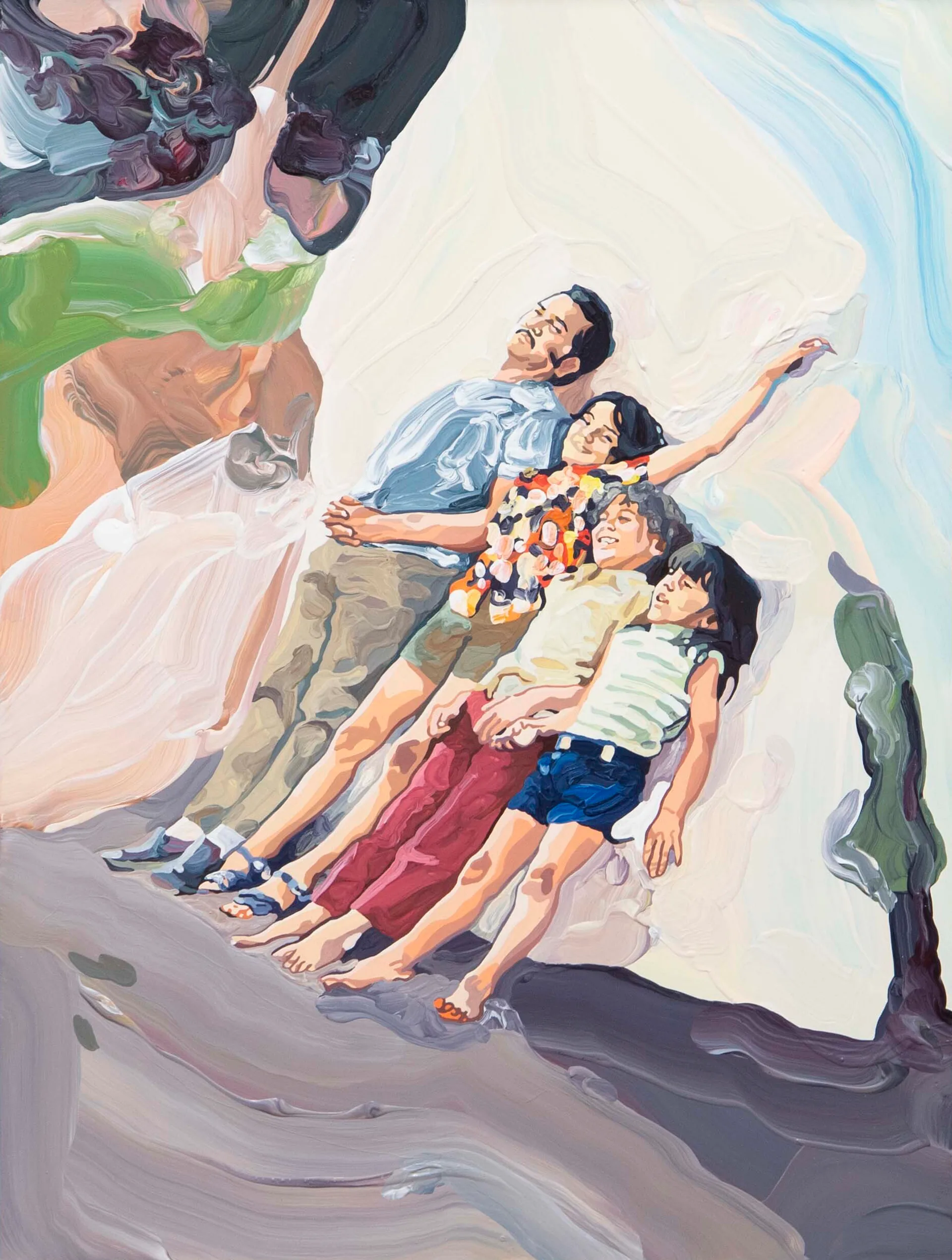
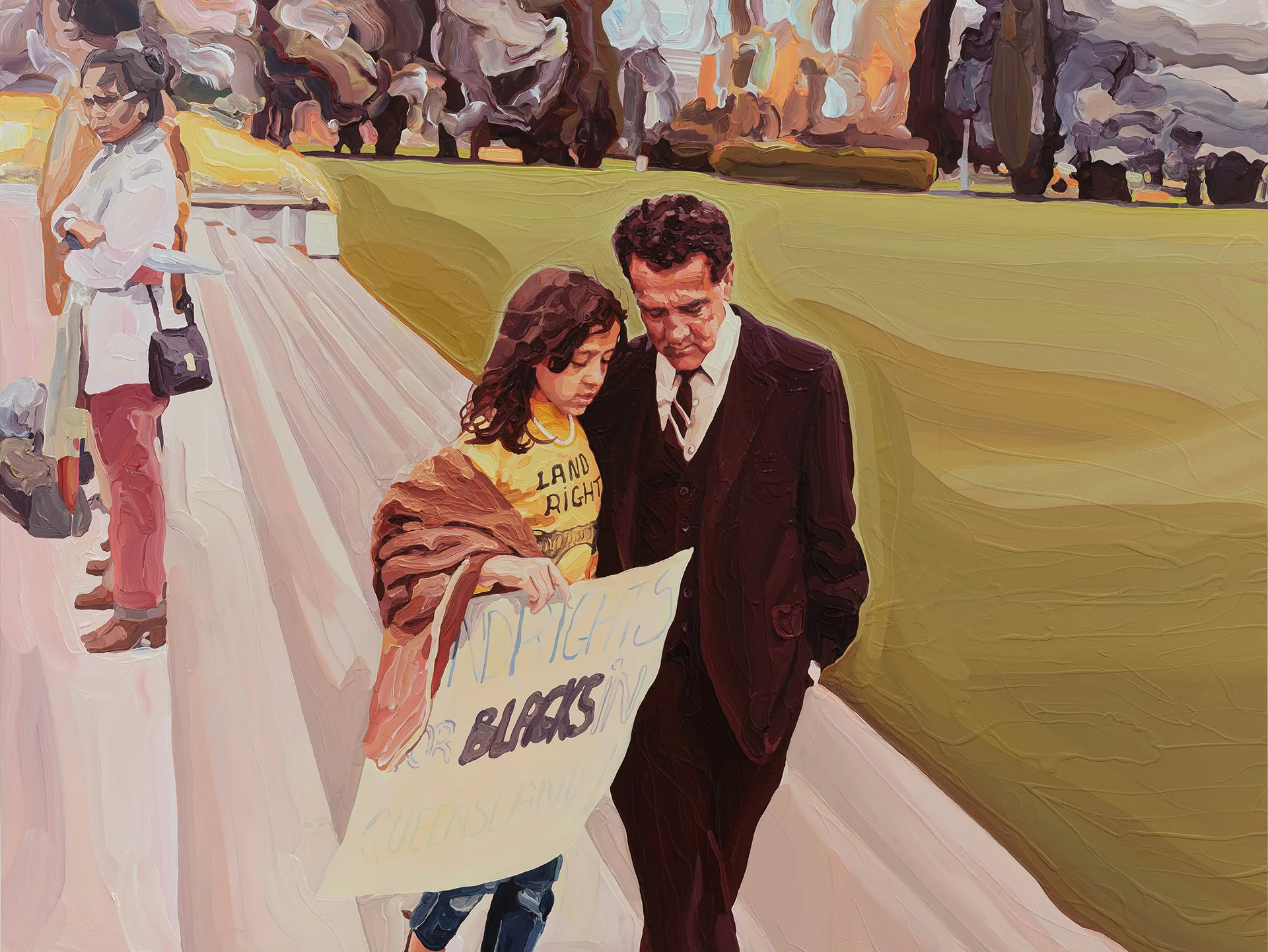
Two little girls run across the lawn in front of Old Parliament House in Canberra. It’s the summer of 1974, back in the days when it was the only parliament house. They’re groovy kids, dressed in denim jeans and stripy tees. Hetti, nine, and Rachel, four, play tag with their brother, Adam, six, while their father takes a meeting at the Aboriginal Tent Embassy.
Another memory. Three years later. Hetti is playing lifesavers with a neighbour in Lake Burley Griffin. Little does she know the neighbour truly cannot swim, and in his clutching and flailing almost drowns her. The last thing she thinks as she struggles gasping to the surface is, “What would Rachel and Adam do without me?”
An unbreakable family bond
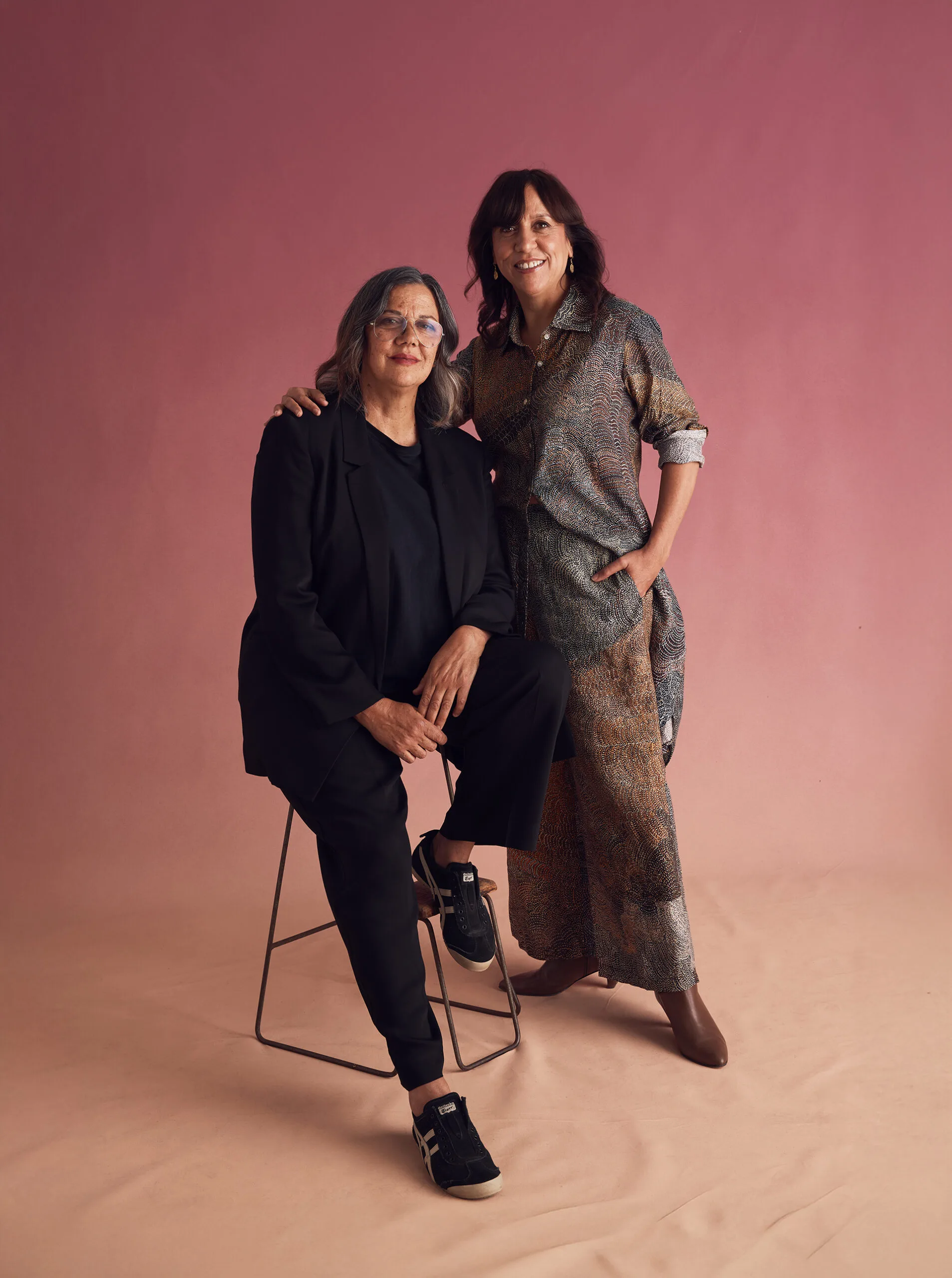
Then, as now, the Perkins sisters had an unbreakable bond.
“She is my big sister, friend, confidante,” Rachel tells The Weekly. “If I ever lost her, I don’t know what I’d do.”
“Growing up in Canberra,” Hetti says, “Rachel, Adam and I felt a bit outsiderish, and we stuck together.”
Their father, Dr Charles Perkins AO, was an Aboriginal rights advocate and the first Indigenous head of the Department of Aboriginal Affairs.
“Charles Perkins is to the Aboriginal population in Australia what Martin Luther King Jr. was to the black people in the United States,” the founder of the Wayside Chapel, Rev Tedd Noffs, wrote at the time. “The raising of the national consciousness on the Aboriginal question began with … the Freedom Rides.”
Charles Perkins’ Freedom Ride
Hetti was born in 1965, the same year that her father led the Freedom Ride. Her mum, Eileen, was pregnant when Charles and a busload of fellow students drove west, desegregating pubs and public pools across regional NSW by picketing and sometimes simply walking through their doors.
Their bus was run off the road outside Walgett. They were spat on, pelted with eggs and needed a police escort to leave Moree. But they brought national attention to the problem of racism and began a shift in public sentiment that would lead to recognition of First Nations people in the ’67 referendum.
Hetti remembers growing up in a house buzzing with conversation and ideas. “People would come to Canberra from all over the country, so there was a barbecue every five seconds – black fellas all over the place, which was really lovely.”
“Dad was very busy politically,” Rachel adds, “and we’d trail around after him … We learned more about Aboriginal history from him than we ever did at school.”
Perkins family life lessons
Eileen had met a young Charlie Perkins when he was a soccer star in Adelaide, where her German ancestors had settled. Now she also took the children’s education in hand.
“Mum got some of the local Aboriginal kids together and did after-school cultural classes,” Rachel remembers. “Thinking back on her initiative – this young, white woman – it was wonderful for her to try where the education system was lacking.
“She would make dresses out of Tiwi Islands fabric and have fashion parades in our house with Aboriginal girls modelling. No one was doing Aboriginal fashion back in those days. I remember being a kid, sitting under the dining room table, looking at these models and these fabulous backless dresses.”
Hetti and Rachel’s teenage years
Meanwhile, Hetti’s cultural education was of another order. As she became a teenager and moved on to university, she kept her siblings close.
“Hetti taught me how to play guitar, how to drive. I had my first cigarette with her, which is bad,” Rachel smiles mischievously.
“I remember introducing them to bands like Joy Division and The Clash,” Hetti adds, “alternative English music mostly.” And she raises her eyes heavenward. “Me, Adam and Rachel would cruise around together in my little orange Datsun. I remember sneaking Rachel into nightclubs.”
Trailblazing in the arts
Hetti would go on to become an eminent curator. She worked with the Art Gallery of NSW, the National Gallery, and co-curated an Australian exhibition for the Venice Biennale. For the past four years, she has co-curated the annual Desert Mob exhibitions in Mparntwe (Alice Springs), where she now lives.
At 18, Rachel moved to Mparntwe for a traineeship with the Central Australian Aboriginal Media Association (CAAMA). It immersed her in culture, community, inspiration and technique. At 23 (with late filmmaker Michael Riley), she founded her production house, Blackfella Films. Rachel went on to create award-winners like Radiance (which gave Deborah Mailman her start and an AACTA Award), Bran Nue Dae (a glorious film adaptation of Jimmy Chi’s stage musical, starring Jessica Mauboy and Ernie Dingo), and the trailblazing television series Redfern Now and Total Control.
They’re high achievers, these Perkins women, and that barely touches the surface.
On the shoulders of giants
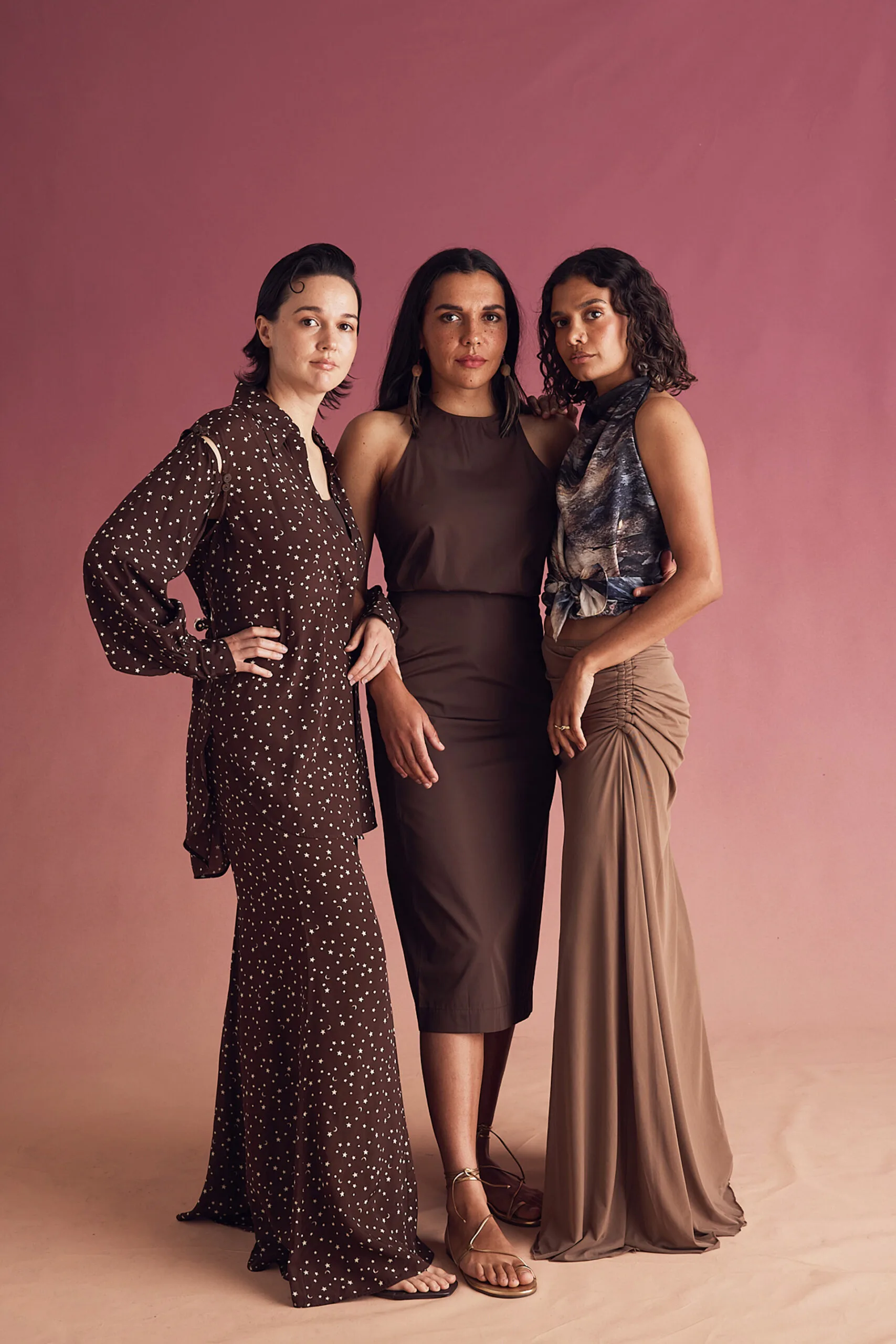
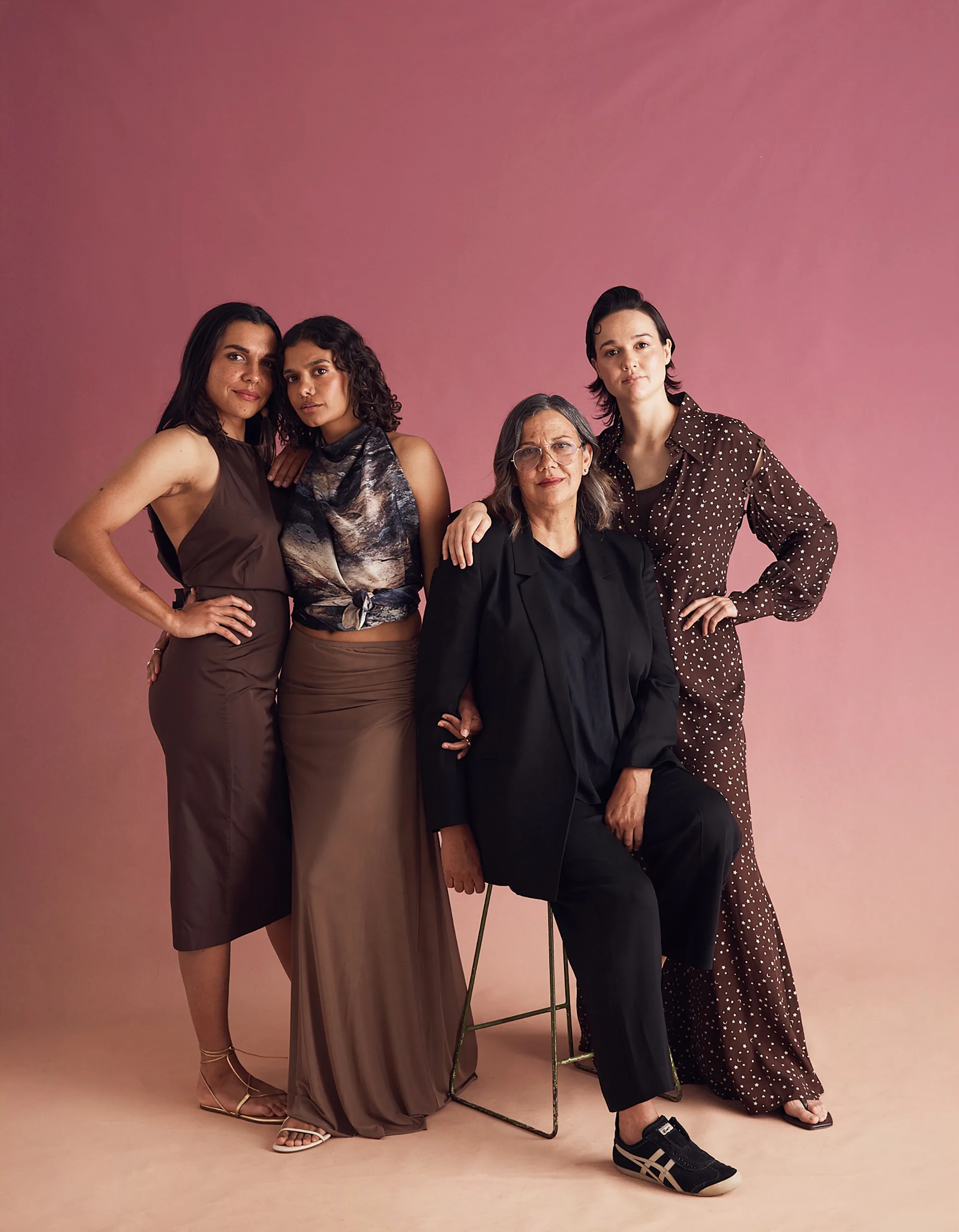
The photographic studio is lit like a sunrise and filled with cheerful conversation and the aroma of coffee. The Perkins women arrive one by one. First Hetti, then her daughters, Thea Anamara (the artist), Lille (the conservationist) and Madeleine (the actor, recently back from Ireland where she’s been filming the crime thriller, Chasing Millions). Finally Rachel arrives, wearing a dress she’s had sewn, as her mum would have, from Tiwi Islands fabric.
The Perkins women have come together today to celebrate family and some recent achievements. Thea’s work has been selected for the National Gallery’s prestigious Indigenous Art Triennial. And a book which Rachel conceived and co-edited as an extension of her landmark documentary, The Australian Wars, is about to be published. None of this would have been possible, they believe, without the courage and vision of generations of wise, strong women who went before them.
“We’ve been able to stand on the shoulders of giants because they’ve really battled for us to have the life that we do,” Madeleine explains.
The frontier wars
Hetti and Rachel’s great-grandmother was born at a time of violent change for her people, the Northern Arrernte, whose Country spread north from the Macdonnell Ranges, surrounding Mparntwe. She was born on Country and named ‘Araka’, a word connected with a local sun dreaming site. Later she was given the European name Nellie.
“Her father was a senior man,” Rachel tells The Weekly. “She grew up completely in the bush – lived from hunting and travelled with her family, speaking her language.”
However, that life ended abruptly when she was still a girl. In late September 1884, Nellie survived a notorious massacre of Arrernte people. It was led by a local mounted constable and a party of stockmen. In his 1975 memoir, Charles Perkins recalled what his mother, Nellie’s daughter, had told him:
“A massacre took place at an area … near Mt Riddock, which involved the shooting of Aborigines by police. The people who were involved were mainly from Mum’s own family … Mum’s mother was very young at that time. She managed to escape but her sister was captured. An Aboriginal mother was shot while still bearing a child and carrying another child in her arms. An Aboriginal boy was shot next to her.”
The site (which Rachel visited during the making of The Australian Wars) earned its name, she says, “because their bodies were just left on the ground where they lay”. There was no burial or ceremony. “Their bones bleached in the desert sun at the place now called Blackfellows Bones.”
Afterwards, Nellie and some other young girls were captured by police, chained by their necks to a tree and sexually assaulted.
Women of the frontier
Nellie fled to a local mining town, Arltunga, and there she met an Irish miner and farmer, Harry Perkins, who by all accounts was a good man. The couple, Charles wrote, “married in the bush way” and had two children – one of them, his mother Hetty, after whom his firstborn daughter would be named. Tragically, however, Harry went back east for a time to work in the mines and there he succumbed to arsenic poisoning. After his death Nellie returned with her children to the bush.
“Women’s stories are so often overlooked in war histories,” says Rachel. “We find people like my great-grandmother who were moving in and out of the frontier, having relationships with white men – consensual and not – learning new skills and being part of this new world.
“They were making new lives and doing courageous acts, like saving their children, protecting their families. Often Aboriginal women were used as mediators, as spies, because they were able to move in and out of war zones much more easily than men. Throughout history, there’s been a great untold story of women generally in war, and also here in Australia.”
A brave new life
Nellie’s daughter, Hetty, grew up in and around Arltunga, learning to navigate two worlds. She worked as a domestic servant and learned to cook in the kitchen of an Arltunga hotel. She also worked as a stockwoman.
“My mother, at 14, was riding horses and branding cattle and working in the gold mines,” Charles wrote. “Seven days a week, from dawn or before the sun gets up, till the sun goes down at night, and after that as well – branding cattle, rounding them up, living in the bush, sleeping on stones, under trees – that was the life for Aboriginal girls in the Territory.”
“She was a tough woman,” Rachel adds, “a very capable woman. She had 13 children, many of whom died or were removed from her, and she worked hard – hard labour.”
Inspiring the next generation
Hetty married a station owner, Jim Turner. She ran the station when her husband and his brother went away to war, but when the brothers came back, there was an “epic fight” over her. “Disgusted with both of them,” Rachel says, “she walked off the station” and into Mparntwe.
Hetty found work in an “institution” for stolen-generation kids (now known as the Telegraph Station or the Bungalow). Charles and his brother, Ernest, were born and spent much of their childhoods there.
The reason Hetty left in the end, Rachel tells The Weekly, was that the manager was sexually abusing young girls. Hetty went to court and gave evidence against him and the manager was convicted, but his wife made it impossible for the young women who had testified to remain working there. Later, Hetty “made the immense sacrifice”, Rachel says, of sending her son Charles away to Adelaide, at just 10 years old, to get an education.
To look forward, we need to see where we came from
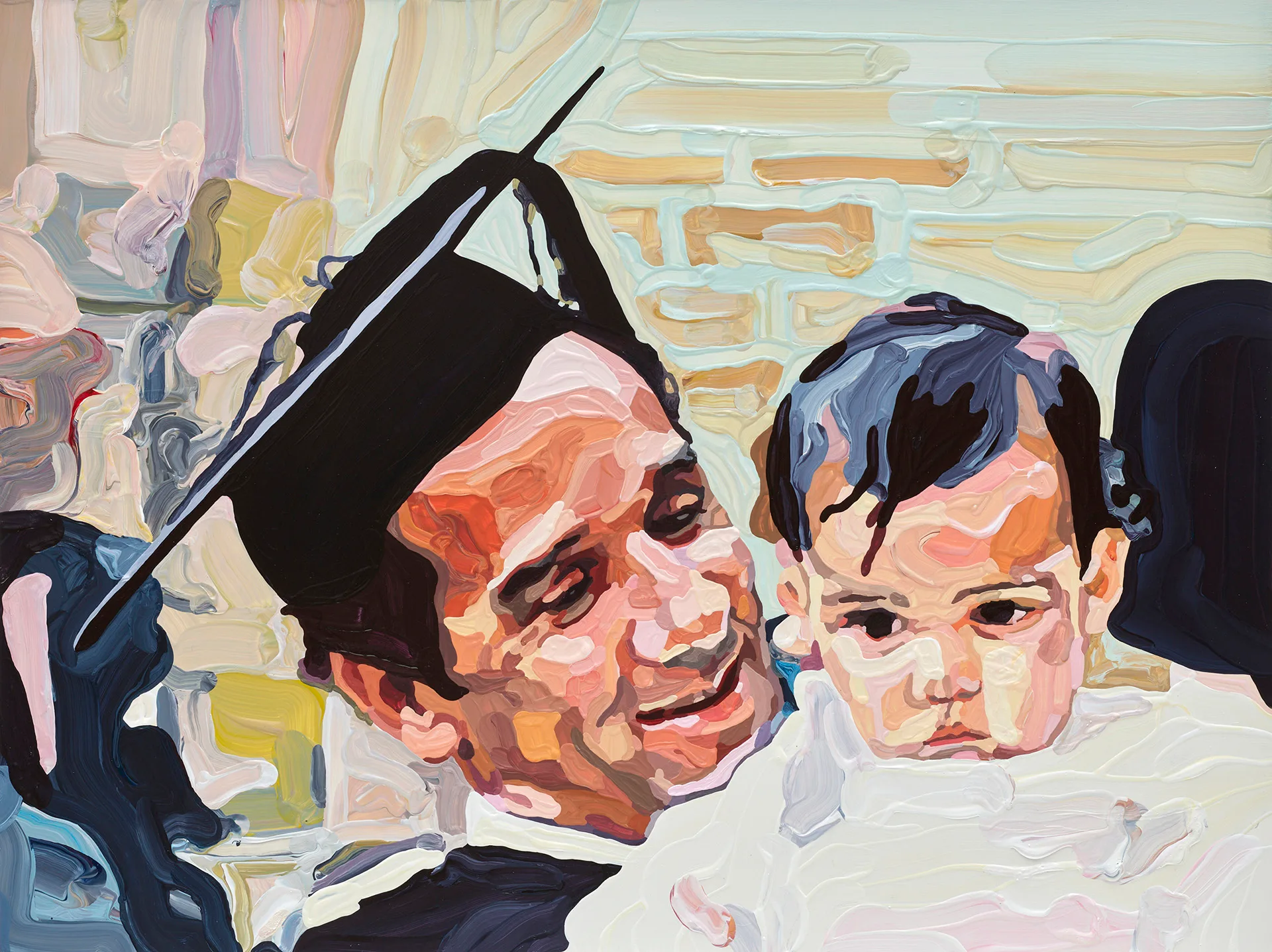
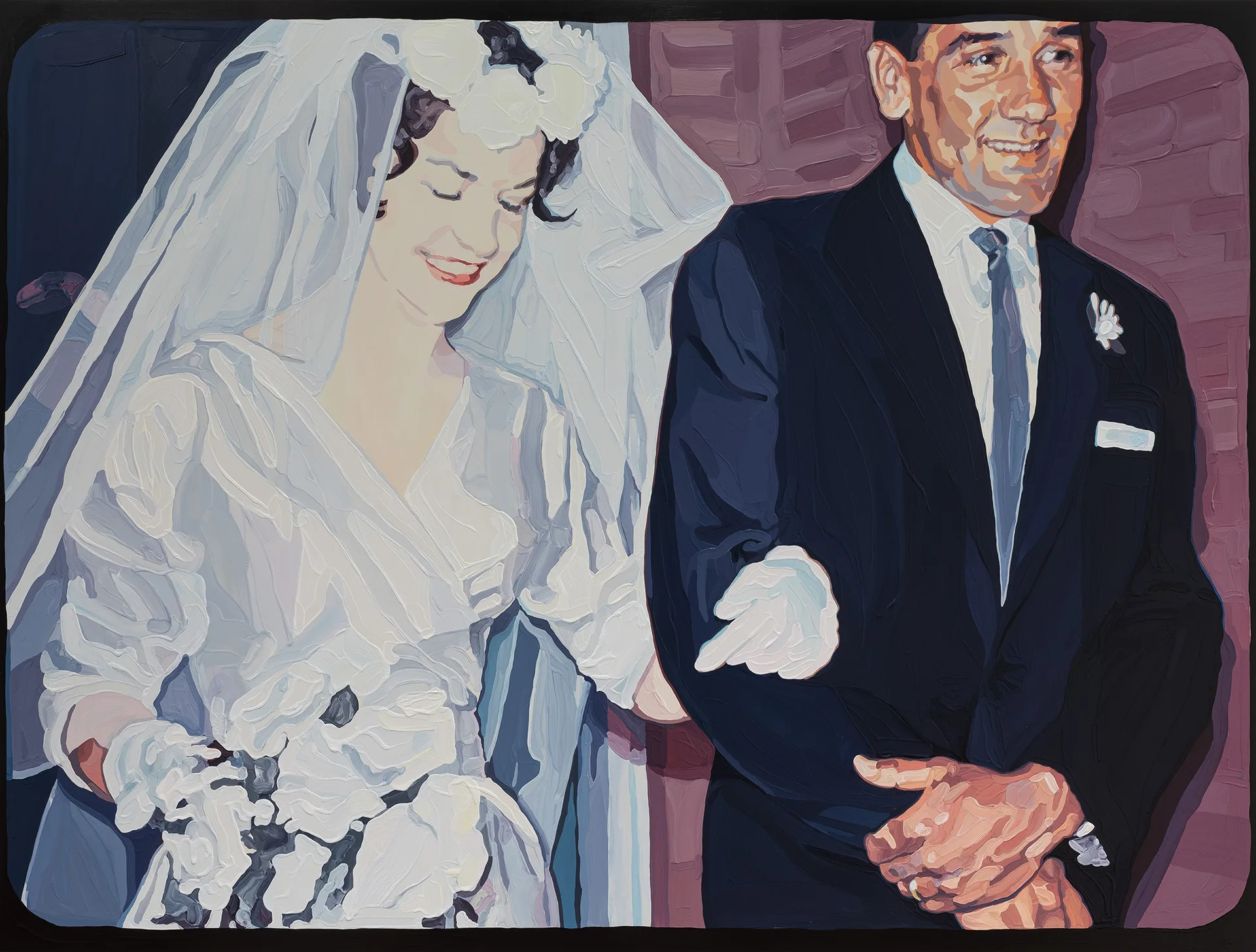
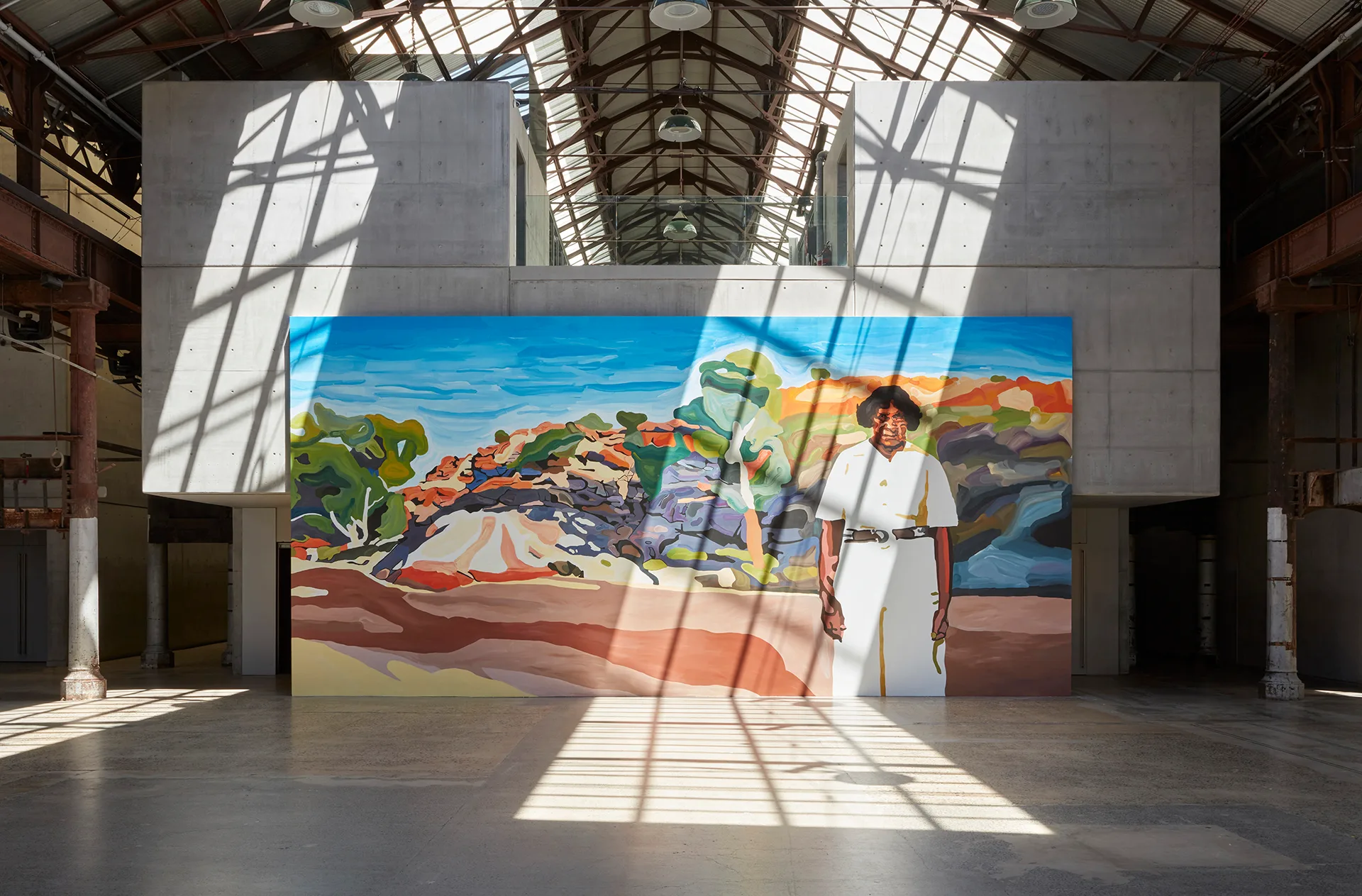
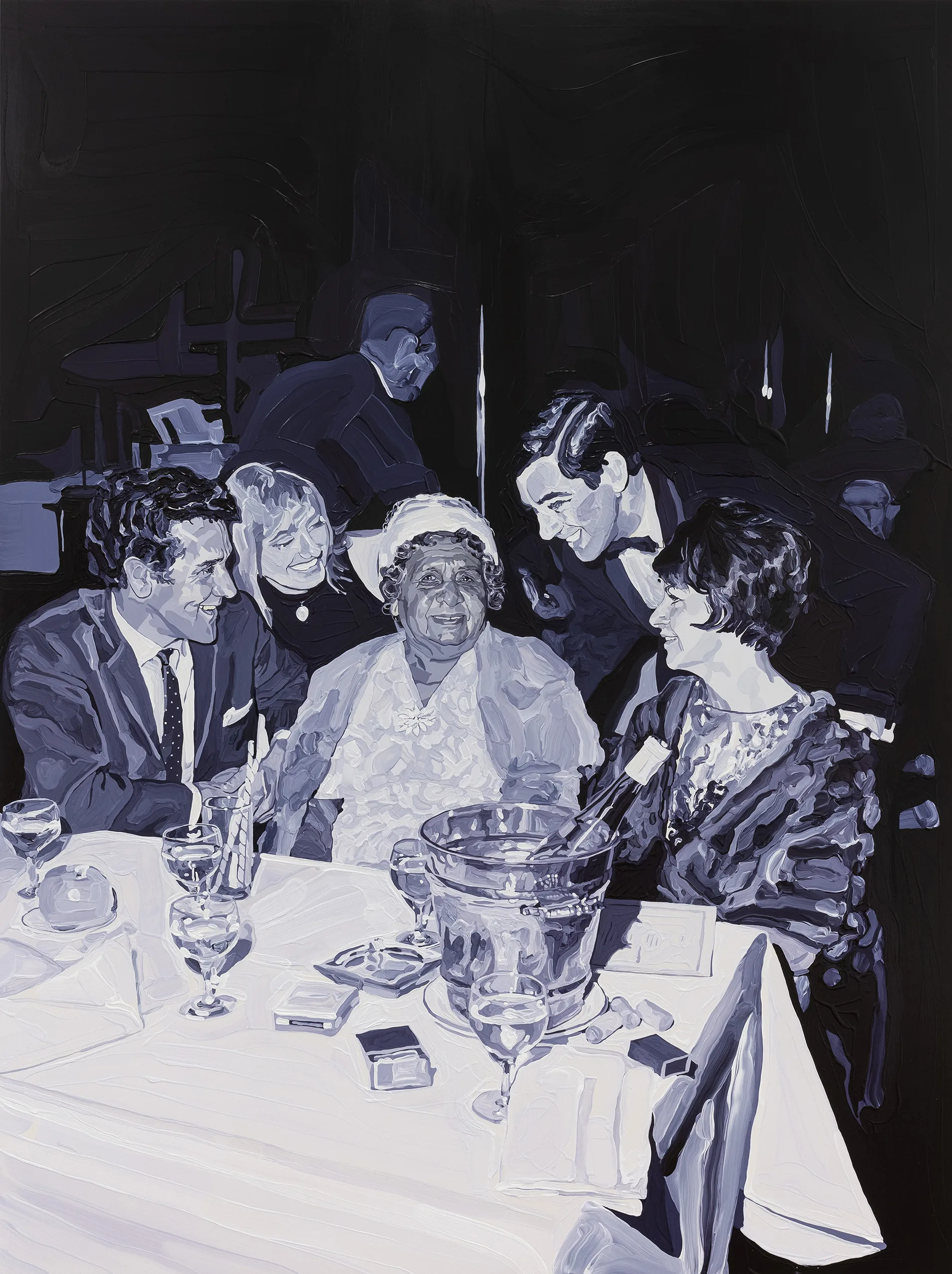
Thea, who has always been inspired by tales of her grandmother’s life, painted a large-scale mural of Hetty at the Carriageworks arts precinct in Sydney. “I wanted to tell a monumental story,” she says. “I’d been encountering a lot of art and stories about Ned Kelly, and I started thinking about who we venerate and mythologise in our collective imagination, and who we should perhaps venerate instead … Nanna Hetty perfectly encapsulated that for me, being this strong woman who, presented with extraordinarily difficult circumstances, kept everyone together and predicated care …
“Presenting her image on that monumental scale was important to me,” Thea adds, and she looks around at her sisters, her mother, her aunt, all gathered around a table. “We all know that, without Nanna Hetty – without her sacrifices – none of this would be possible.”
“It’s really important,” Madeleine says, “that we look to those women in our communities who helped pave the way for us. In order to look forward, we need to see where we came from.”
Returning to Country
In recent years, the whole family has travelled constantly back and forth between the east coast and Mparntwe, putting their feet in red earth and learning all they can about Araka-Nellie and Nanna Hetty’s Country.
Much of their traditional land is locked away on a cattle station to which they have no access. But recently – with family and friends, and support from the Paul Ramsay Foundation – Rachel mapped the area onto a large canvas. She has plotted sacred sites and dreaming tracks as they’ve been passed down through word-of-mouth and records made by 20th century linguist Ted Strehlow.
“It was our way,” she explains, “of being able to learn about our Country, and somehow physically see it without being able to go there. Part of doing that map was a learning for me, and it’s also for Hetti’s kids, my kid [Rachel has a son, Arnhem, who is 15] and the kids to come. It’s about keeping that knowledge going for future generations.”
Stepping into the stream
Rachel and Hetti are both deeply cognisant of their place in a stream that stretches from Araka-Nellie’s forebears through them to their children and grandchildren, and on into the future.
“It’s a personal responsibility,” Rachel says. “No one can do it for you. If you don’t learn it, capture it, record it, pass it on, it’s going to be lost.
“We’ve recorded women’s ceremonial songs from the area. And about a month ago, we sat in the studio and learnt a song from a recording – reawakened it from an archive. There were no singers left who knew it, so we’ve all learnt that song, and a dance to go with it … Right now, that’s the most important thing I can do. I’ve put my filmmaking aside for the moment, and I’m concentrating on this.”
Rachel is not alone in her quest. Hetti and Lille have been based in Mparntwe for a little over three years now. Hetti is working with local artists; Lille working in conservation and learning language from Arrernte Elder and linguist Veronica Dobson.
“Being taken back and forth to Alice Springs, and also to our grandmother and grandfather’s Country on our dad’s side [their late father, Lee Madden, was Bundjalung], that definitely drew me to working in conservation and climate advocacy,” Lille says.
“All of us go back and forth quite a lot,” says Hetti. “And in some ways, spiritually, we’re always connected, no matter where we are.”
A passion for truth
These women are deeply connected to one another too. They worried about Rachel when she took on leadership of the Yes campaign for an Indigenous Voice to Parliament in 2023.
“We worry that she does too much,” says Hetti, “but she had a very good role model for what she’s doing now in Dad. He was always travelling, networking, truth telling. That’s Rachel’s work too, whether it’s The Australian Wars or the referendum. Sometimes truth hurts, but she’s not afraid of that. Her driving passion is truth.
“Rachel comes across as very determined and motivated … but people don’t realise that she has this vulnerable, soft core that I feel it’s my job to protect. She can run around and do everything she does, but if she gets her feelings hurt, she comes back to me, to family.”
Rachel smiles. “Hetti is like our counsellor,” she says. “She’s constantly fielding calls about everything from ‘should I go to the supermarket?’ to massive life decisions. She gives great advice, she has huge, boundless loyalty for everybody, and when you’re feeling a bit down, she builds you up and gives you confidence. There’s also a great moral strength in her. She takes both our grandmothers’ names – Hetty and Laura – and she has some of their qualities too. She’s got that caring and strength, and a sense of right and wrong.”
“And as a single black mother with four kids,” Lille notes, “I think she’s incredibly impressive, and always looking very gracious whilst doing it.”
Holding family in their hearts
Hetti has recently become a grandmother (to baby Jude) thanks to her son, cinematographer Tyson Perkins and his wife, Alice Schulz. So there’s a whole new generation now to guide, love and dip in that culture stream.
Hetti shares a memory of her own grandmothers. “Mum’s mum came up to Alice Springs once,” she says, “and she and my dad’s mum just sat together – this German woman, descended from immigrants, and this Arrernte woman, sitting side-by-side.”
“I remember you talking about your two nannas,” Thea adds, “and how, even though they’d had these very different lives, there was a mutual understanding and respect.”
Hetti nods. “It was an interesting insight into Australia,” she muses, “and what it could be with mutual respect and understanding.
“What made that possible was this sense of family. Family is so important. It brings people together.”
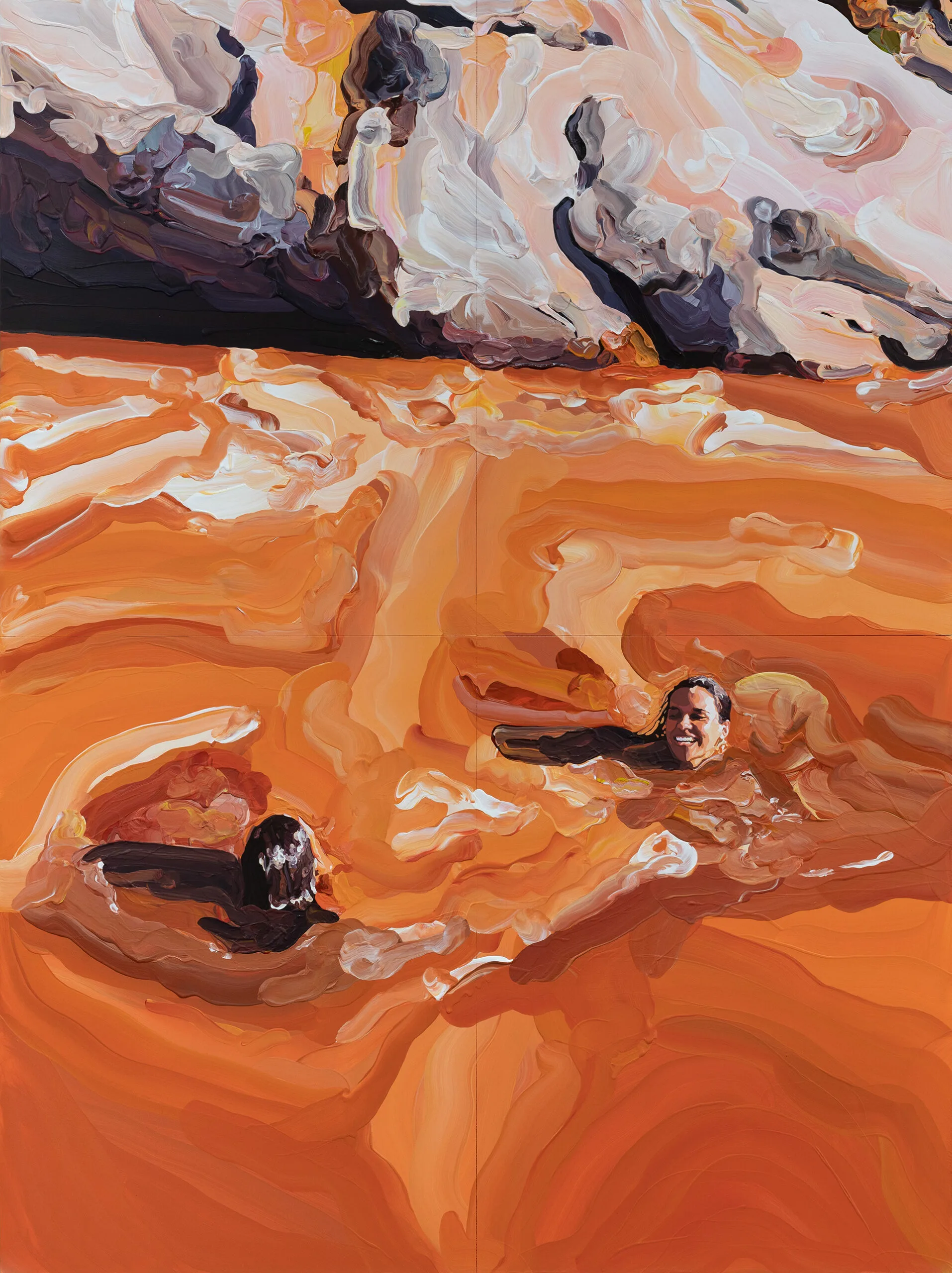
The Australian Women’s Weekly thanks Thea Anamara Perkins and the National Gallery of Australia for permission to reproduce her beautiful artworks. The 5th National Indigenous Art Triennial, After the Rain, is on show at the NGA Canberra until April 26, 2026. The Australian Wars, edited by Rachel Perkins, Stephen Gapps, Mina Murray, Henry Reynolds, (Allen & Unwin), is in bookshops now. If you need support, contact Lifeline on 13 11 14 or 1800YARN on 13 92 76.

