




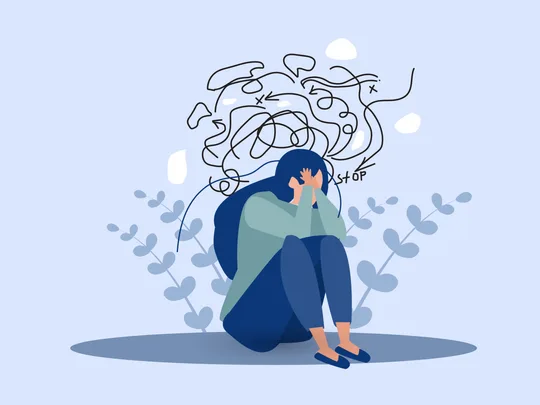
If stress had a sound, it would be the constant ping of notifications, the calendar reminder popping up just as you sit down, or the background hum of a brain that never quite switches off. Ah, yes, modern life can feel relentless.
We’re juggling work deadlines, family, financial pressures and the expectation to stay constantly connected, so it’s little wonder so many Australians report feeling overwhelmed, tired and emotionally stretched. Surveys suggest nearly half of us rate our stress levels at seven out of 10 or higher.





It’s not just individual stress events either. Experts increasingly point to something called “chronic stress exposure”. Ongoing pressure keeps the stress-response system switched on for longer than it was designed for. The brain keeps releasing hormones such as cortisol and adrenaline, leaving the nervous system in a low-level “fight-or-flight” state which can disrupt sleep, digestion, immunity and mood. Over time, that’s been linked to fatigue, anxiety, headaches, gut issues and increased risk of longer-term problems including heart disease and depression.
Our nervous systems are still wired for short bursts of danger followed by recovery. The problem is that today’s stress rarely ends. “Modern life can be challenging, as we’re constantly asked to multitask, manage financial pressures, and constantly exposed to social comparisons and distressing content on social media,” agrees clinical psychologist Dr Kaitlin Harkess, author of The Somatic Workbook for Nervous System Regulation and Anxiety Management. “But,” she adds, “there are things we can do to help ourselves limit exposure to the stress – and build our resilience in the process.”

When time feels scarce
There’s enormous pressure today to do more and fit more in, yet many of us feel we never have enough time. Between work deadlines, family responsibilities and everyday logistics, the to-do list rarely ends, creating a persistent sense of falling behind or letting someone down.
Dan Auerbach, executive coach and Clinical Director of Associated Counsellors & Psychologists in Sydney, says this sense of “time poverty” is very much a modern phenomenon, largely because technology has blurred boundaries between work and personal life.
“We check emails at midnight, take meetings during school pickup and often measure our worth by how busy we are,” he says. “The result is a constant feeling of being ‘on’, with very little room left to rest or just be.”
Protecting downtime, setting clearer work boundaries and time for device-free moments can have a significant psychological payoff.
“That might mean setting a hard stop on work hours, reclaiming unscheduled time in your day, carving out time for family or even just slowing down enough to eat a meal without multitasking,” he advises.
Dr Harkess acknowledges that our feelings around setting those boundaries can be subtle but persistent. “Whether it is caring for kids, working, ageing parents, or the communication pressures of modern work, we can feel relentless demands and guilt when taking any downtime.”
She advises speaking kindly to ourselves at these moments: “Remind yourself that this sort of stress does not mean that you’re mismanaging your time or not doing enough,” she says. “It’s often a sign of too much responsibility or expectation.” She also suggests a shift in perspective: “Try to lower the bar in areas where you can perform ‘good enough’.”



Financial pressure that doesn’t switch off
Rising living costs have become one of the most commonly reported sources of stress in Australia. More than half of Australians say financial pressures are significantly affecting their mental wellbeing, according to Mental Health Australia.
Money coach and founder of The Intentional Wealth Co., Tara Saxon, says financial wellbeing is often overlooked in conversations about stress. “When money feels tight or unpredictable, the nervous system doesn’t fully relax,” she explains. “Even if we’re managing day to day, there’s often a low-level sense of vigilance – a background hum of ‘what if something goes wrong?’ That can show up as irritability, trouble sleeping, or feeling constantly on edge.”
Says Mindplace psychologist Fatan Arjmand, “Take the time to think deeply about what’s driving your feelings about money. Is it anxiety over bills and mounting costs or perhaps it’s shame about your lifestyle? Getting to the bottom of the driver can help you address the underlying cause of the stress.”
“One of the most effective ways to reduce money-related stress isn’t dramatic action, but small clarity steps,” adds Tara. “Spending five minutes reviewing what’s coming in and going out, making one practical adjustment or building even a modest buffer can restore a sense of control. The nervous system responds strongly to certainty – and even small amounts of financial clarity can create measurable emotional relief.”
Dealing with an always-on world
From news alerts to group chats and emails – the constant ping of notifications rarely stops, and the cumulative effect can be more draining than we realise.
According to Dan Auerbach, constant notifications can quietly chip away at our mental state.
“Every time we get a notification, it pulls our attention away from what we’re doing,” he says. “That might not seem like much, but over time it fragments our focus and keeps our brain in a kind of low-level alert mode – always waiting for the next interruption. That state of constant readiness can be draining and makes it harder to be present with ourselves and others, which is crucial for our emotional wellbeing.
“Notifications can act like emotional triggers,” he adds. “A message from a close friend might lift your mood instantly. But a news alert about something distressing or a work email late at night can spark anxiety or tension.”
His advice? Reducing non-essential notifications is a simple but effective step. “Turning them off is a way of setting boundaries between yourself and the outside world,” he says. “We don’t need to be available 24/7, and reclaiming even a small amount of uninterrupted time can do wonders for mental clarity and a sense of calm.”
Getting help around setting boundaries is always an option, adds Fatan. “If you struggle to establish limits and boundaries in your day-to-day life, seek support and don’t feel you have to go it alone. There’s always help if you need it.”
Reset and destress
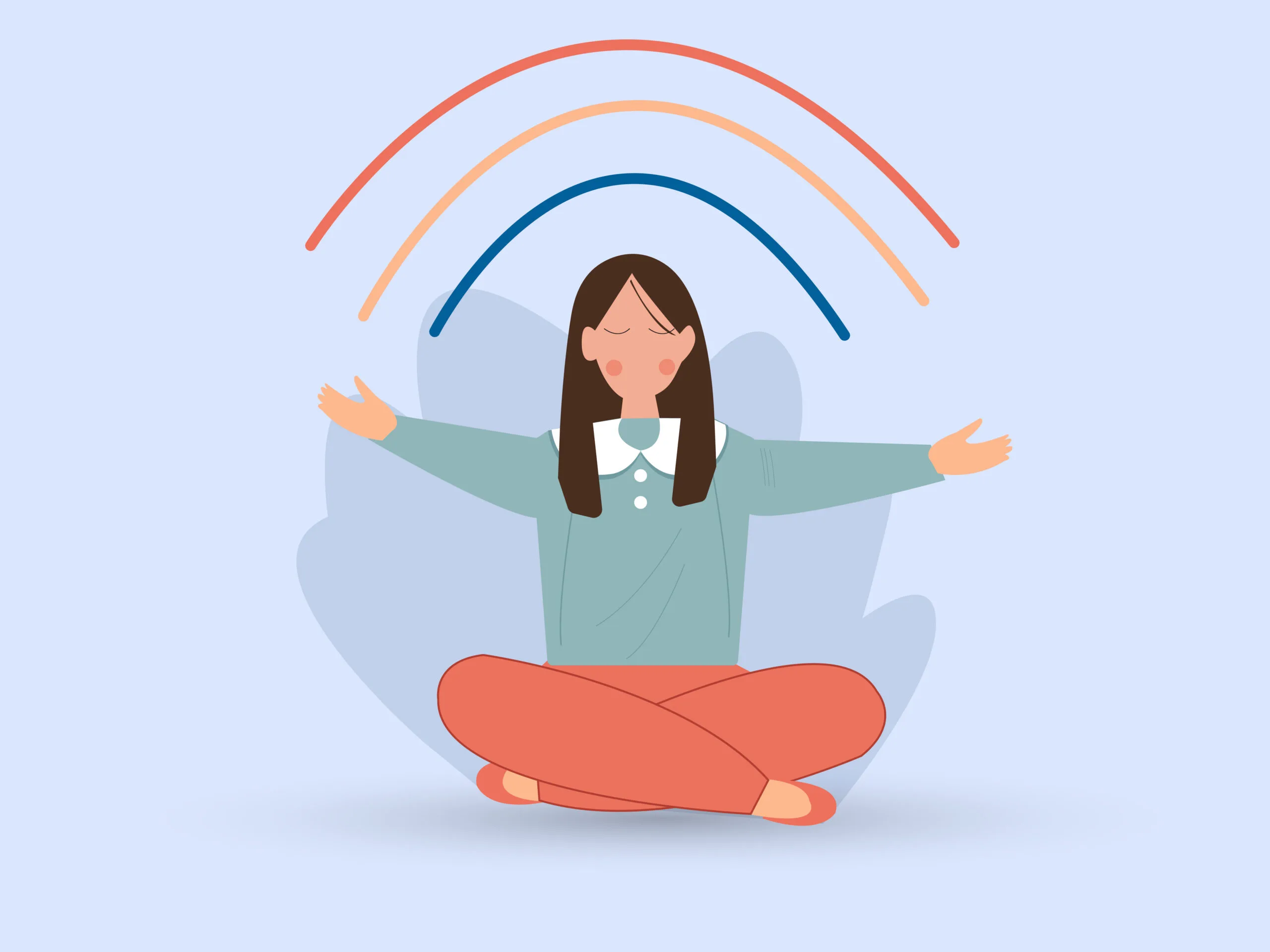
Feeling overwhelmed? Try these physiological reset methods for quick relief from anxiety or stress …
Engage in grounding (the 5-4-3-2-1 technique)
Grounding brings your focus back to the present moment, breaking the cycle of anxious, racing thoughts. “This can pull you out of the overwhelm,” says Dr Kaitlin Harkess. Identify 5 things you can see, 4 things you can touch, 3 things you can hear, 2 things you can smell, and 1 thing you can taste.
Use controlled deep breathing
(the 4-7-8 method) By consciously slowing your breath, you trigger the body’s parasympathetic “rest and digest” system.
How: Inhale through your nose for 4 seconds, hold your breath for 7 seconds, and exhale slowly through your mouth for 8 seconds. Repeat this cycle 3 to 4 times.
This feature originally appeared in the September 2026 issue of The Australian Women’s Weekly. Subscribe so you never miss an issue.

