



If you’ve clocked people out for a morning run or regularly head along to your local farmer’s market, you’d probably consider your suburb healthy.
Although according to new research, the health of your neighbours stretches beyond eating the recommended five serves of vegetables and going for the odd jog.
Now in its second year, Wesfarmers Health: Australia’s Health Index 2025 report draws on data from 3.6 million health checks from 2.4 million Australians to provide the most comprehensive, real-time view of our cardiometabolic health.
The Australian Capital Territory (ACT) has taken the top spot as the country’s healthiest region, while Tasmania sits at the other end of the scale, with higher rates of obesity, blood pressure and chronic disease.

According to Priceline Pharmacist Amy Jones, the differences are as much about access as they are about lifestyle.
“We’re seeing a clear contrast in how behavioural factors, healthcare access and socio-economic conditions play out in different parts of Australia, and the data really highlights this,” she says.
While residents in the ACT are more likely to visit their GP or pharmacist and stay on top of preventive care like blood pressure checks, Tasmanians face more barriers.
“The ACT really stands out for access and prevention – people are more likely to see their GP or pharmacist and to check things like blood pressure,” Amy explains. “Tasmania, on the other hand, faces more barriers. Obesity and high blood pressure are higher there – impacting around one in three compared to the national average of one in four – and access to care can be tougher outside cities.”
Heart health still a national challenge
Beyond geography, the report reveals a worrying national trend: more than one in nine Australians are living with multiple risk factors for heart disease. These include obesity, high blood pressure, diabetes and being a smoker – a combination that can quickly compound.
“Living with multiple risk factors for cardiometabolic disease means having two or more of things like obesity, high blood pressure or diabetes,” she explains.
Heart disease remains the leading cause of death in Australia, and for women, the signs aren’t always what you’d expect.
“For women, heart disease can sometimes present differently than the classic chest pain – symptoms can include fatigue, breathlessness, nausea, or back and jaw pain,” Amy says. “That’s why it’s so important to pay attention to your body and keep track of your numbers. Early awareness makes prevention much easier.”

The silent risk most of us are ignoring
The report also found that almost three in five Australians haven’t had their blood pressure checked in the past year – despite high blood pressure being one of the biggest risk factors for heart disease.
“High blood pressure is often silent – most people feel fine, so checking it doesn’t always feel urgent,” Amy says. “Yet it’s one of the biggest risks for heart disease.”
Blood pressure checks are fast, free and available at most pharmacies – yet they’re often overlooked. As Amy notes, “Knowing your numbers early gives you the power to act before issues develop.”

Why women are facing unique metabolic challenges
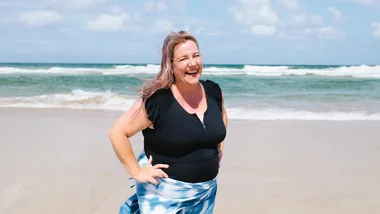
While women are slightly less likely than men to have obesity overall, more women now fall into the higher BMI category of 35 and above.
“Women face unique challenges when it comes to weight and metabolism,” Amy explains. “Hormonal changes – pregnancy, perimenopause, menopause – affect how our bodies store fat and process energy.”
These hormonal fluctuations can make maintaining a healthy weight feel harder, especially during midlife.
“The key is understanding your own body, making consistent small changes, and seeking support when needed.”
A five-minute check that could save your life
For those who haven’t had a health check in a while, Amy says the first step is simple – and it doesn’t take long.
“The simplest first step is to know your numbers,” she says. “A free, under five-minute check at your local Priceline Pharmacy of your blood pressure, BMI and diabetes risk and more, can give you a clear picture of your health.”
From there, small but steady habits make the biggest difference.
“Once you know where you stand, you can take practical steps – move more, eat well, manage stress – or seek professional guidance,” Amy adds. “Small actions taken consistently can have a big impact, allowing you to track your health over time.”

