




It’s one of those things we don’t think about until it happens. A stumble in the hallway. That moment of unsteadiness while getting dressed. Grabbing onto the kitchen bench just in time.
Falling might seem like just “part of getting older”, but it’s more common and more serious than many people realise.
In Australia, falls send more than 400 older people to hospital every day and 17 people lose their lives. Around one in four people aged over 65 will fall each year. For women, they’re the leading cause of fractures, especially hip fractures, which can have a significant impact on independence and quality of life.
The reassuring part? Many slips and trips are preventable, and there’s a lot we can do to reduce our risk.
“One of the biggest misconceptions is that falls are just part of ageing and can’t be prevented, but that’s simply not true,” says Professor Kim Delbaere from Neuroscience Research Australia’s Falls, Balance and Injury Research Centre.
“They can be prevented. And often, it’s the small things you do every day that make the biggest difference.”

The early warning signs to look out for
“For many women, the first sign of risk isn’t a fall,” says Professor Delbaere. “Feeling unsteady or worried about falling is an early warning sign and not something to ignore.”
A simple self-check can help:
- Have you fallen in the past year?
- Do you feel unsteady?
- Do you worry about falling?
If you answered yes to any of these, it’s a sign to take action now, not later.
Why waiting is the biggest mistake
Professor Delbaere says the most common mistake she sees is waiting until after a fall to do something about it.
“Often people think, ‘I’m fine, I haven’t fallen,’ but the early signs, like feeling unsteady or slowing down, are when prevention is most effective,” she says. “Acting early can make a big difference.”
How to reduce your risk of falling
Work on your balance, not just walking
While walking is excellent for your overall health, it’s not enough on its own to prevent falls.
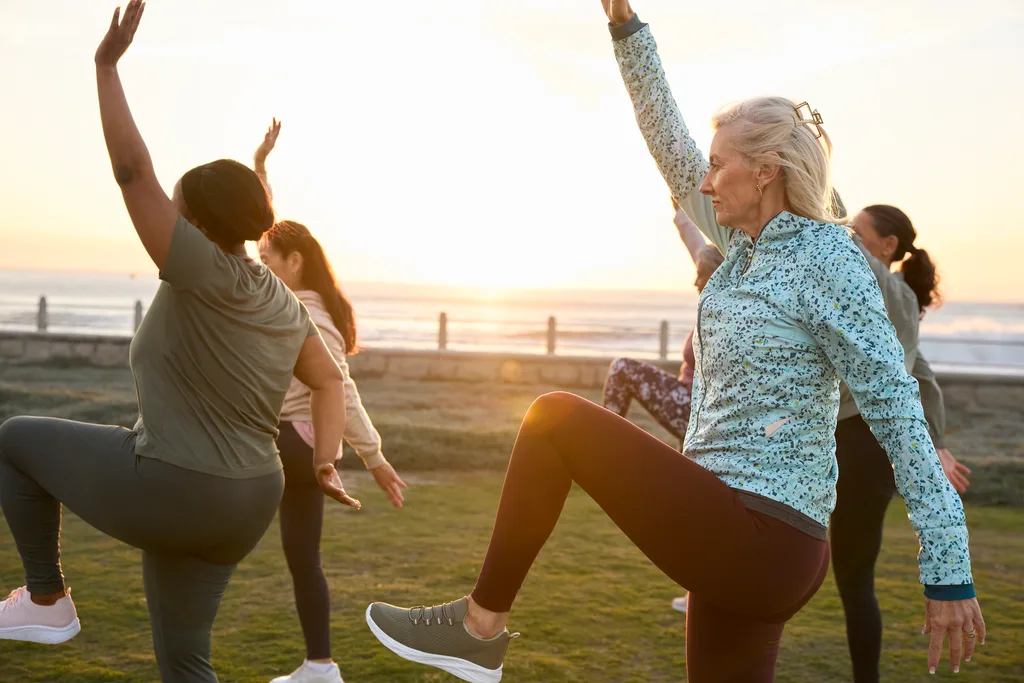
“The most effective exercises are those that challenge your balance, such as standing on one leg, walking heel-to-toe, or exercises that make you slightly unsteady in a safe way,” says Professor Delbaere.
The good news is it doesn’t have to mean a formal class. Small habits at home can be just as effective.
“Standing on one leg while waiting for the kettle to boil or walking heel-to-toe while holding the kitchen bench are easy ways to improve your balance over time,” she says.
Aim for around two hours a week in total, done regularly, to really make a difference.
If you prefer more structure, programs like StandingTall offer tailored exercises you can do at home, helping you build strength and confidence gradually.
And importantly, it’s never too late to start.
“Our balance gets worse as we age,” she says. “The good news is you can build it back at any age.”
Make your home safer
Many people assume falls happen outdoors, but in fact most happen in familiar places.
“Most falls happen in the home,” Professor Delbaere explains. “A few small changes, such as clearing clutter, removing loose rugs or using a nightlight, can make your home much safer almost immediately.”
Check in on your health
A quick check-in with your GP can help identify anything that might be increasing your risk.
“Medications, vision, hearing and even foot comfort can all affect your balance,” says Professor Delbaere.
Don’t let fear stop you moving
It’s completely understandable to feel more cautious if you’re worried about falling. It can even feel safer to slow down or avoid certain activities. But over time, this actually makes things worse.
“One thing to stop is avoiding going out and doing the things you love because you’re worried about falling,” says Professor Delbaere.
“It might feel safer in the short term, but it actually leads to weaker muscles and poorer balance, which increases your risk over time.”
Instead, staying active, safely and consistently, is one of the best ways to protect yourself.
April is Falls Month, a reminder to talk about falls, understand the risks and take steps to prevent them.

