





Perimenopause and menopause can bring a bewildering array of symptoms, from hot flushes and mood changes to brain fog, fatigue and changes in appetite, skin and body composition.
Some symptoms can be particularly unexpected, including dry mouth and itchy ears. According to the Australasian Menopause Society, more than one in four women experience menopause symptoms severe enough to affect their quality of life.
“Speaking from personal experience, the symptoms that you start to experience are the fatigue, the brain fog, the lack of energy and your skin starts to go haywire,” shares Monique Bolland, co-founder of Australian plant-based nutrition brand Nuzest.
As oestrogen levels decline, women can experience a wide range of physical and emotional symptoms, while the hormonal fluctuations of perimenopause can begin years earlier.
“Menopause may be a natural process, but the myriad of changes it brings can often feel far from ordinary,” says accredited Clinical Nutritionist Megan Jones. “For those going through menopause, nutrition can feel like an uphill battle.”
“Many women experience a range of symptoms, from mood swings and hot flashes to weight changes, brain fog, and decreased energy levels.”
For some women, these changes can affect everyday life, from concentration and energy to mood and appetite. Changes in body composition are also common, while declining oestrogen is associated with a gradual loss of muscle mass. Bone health also becomes increasingly important as oestrogen levels fall and bone density can decline.
Why protein matters during menopause
One nutrient Megan particularly highlights is protein.
Adequate protein intake supports the maintenance of muscle mass, which becomes increasingly important as women age. Protein also contributes to bone health, while other nutrients including calcium and vitamin D are essential for maintaining strong bones.
Megan notes that some experts suggest women may benefit from increasing their protein intake during menopause, with around 1.2 to 1.5 grams per kilogram of body weight suggested, depending on individual circumstances.
But protein isn’t the only consideration. B vitamins, magnesium and iron all play important roles in normal body function and energy metabolism, while a varied, balanced diet provides a broad range of nutrients needed throughout midlife.
Megan says the sheer volume of nutritional advice available can make knowing where to start difficult.

“A simple search for ‘nutrition during menopause’ reveals millions of results, each offering different advice on what to eat or what to avoid,” she says.
Rather than focusing on restrictive diets or quick fixes, a considered approach to nutrition, alongside regular physical activity, can help support overall health throughout perimenopause and menopause.

Making nutrition a little easier
For Monique, finding practical ways to support nutritional needs was part of the motivation behind Nuzest.
“Menopause has always been the scary monster under the bed, but you could have years of perimenopause before that. What’s great is how much people talk about it now,” she continues. “Women have been experiencing this since the beginning of time, but I feel like it’s only been in the last few years that people have started really talking, particularly about perimenopause.”
As a mother and someone balancing work and family life, Monique says convenience was important when developing her approach to nutrition.
“I have a seven-year-old daughter and a full-time job,” Monique shares. “I don’t need anything added to my life that’s going to put more work on my plate,” pun not intended.
“So if trying to figure out what supplements I need to take at what time, with what food, that’s not helping my life, right?”
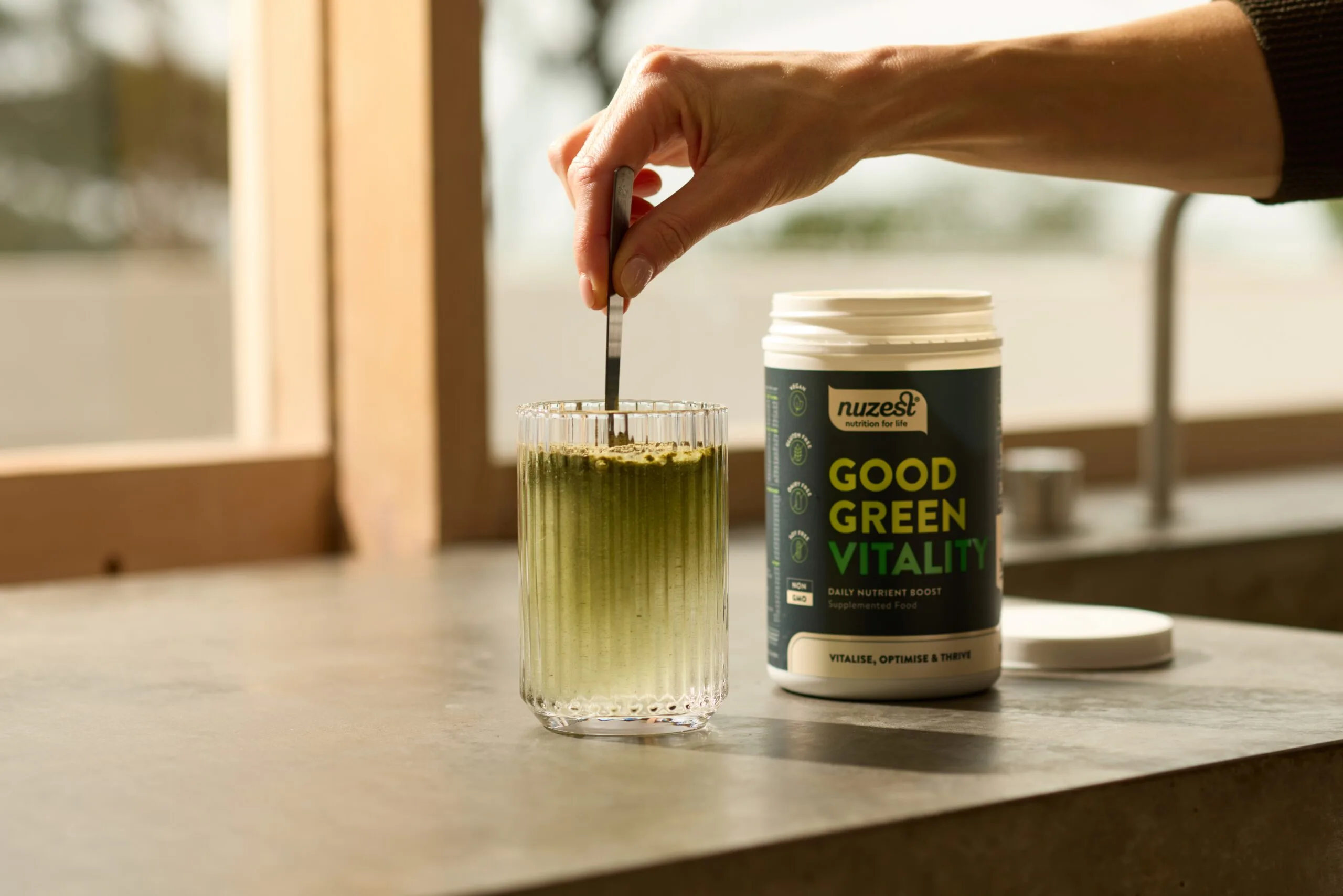
Nuzest makes plant-based nutritional products including protein powders and daily multinutrient supplements. Its Good Green Vitality is a powdered multinutrient supplement containing more than 75 ingredients, including vitamins, minerals, probiotics, plant foods, adaptogens and herbal extracts.
For Monique, the intention isn’t to replace the foundations of a healthy diet.
“It’s not to replace a healthy diet,” Monique advises. “It’s just making sure that it’s giving your body that little bit of extra support that it needs each day.”
Good nutrition won’t make the changes of menopause disappear, but ensuring you’re getting enough protein and a broad range of essential nutrients can be one part of supporting your health through this significant stage of life.
Disclaimer: Always read the label of any products mentioned and speak to your healthcare provider before use.
Good Green Vitality is designed to complement a balanced diet and support general health and wellbeing. It is not intended to diagnose, treat, cure or prevent menopause or any medical condition. Find out more about Good Green Vitality here.
Find out more about Nuzest and score an exclusive discount on a purchase of the product on the Nuzest website.
To help you find a doctor who specialises in women’s health in midlife and menopause, the Australasian Menopause Society has compiled a directory of GPs around the country. Visit menopause.org.au.

Founded in 2012 by father-and-daughter team Trevor and Monique Bolland, Nuzest was inspired by Monique’s diagnosis with multiple sclerosis and their global search for better health through nutrition. Still family-run today, the Australasian-born company creates science-led nutritional products with a focus on rigorous ingredient sourcing, formulation and testing, and now has customers in more than 20 countries.


Share this post