




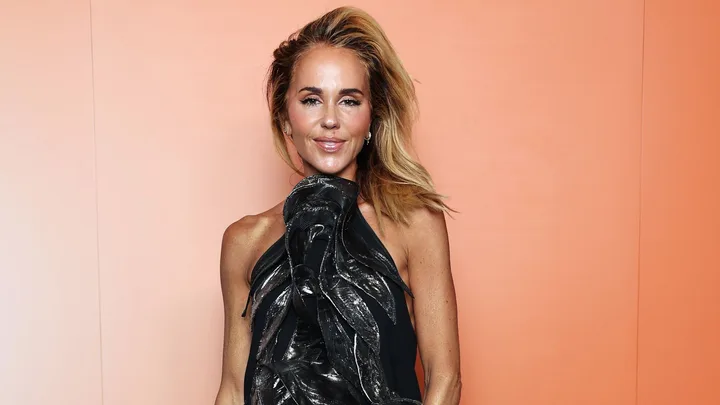
At 39, Pip Edwards went through perimenopause. She just didn’t realise it at the time.
“I wasn’t sleeping. I was emotional. I was experiencing mild hot flushes that were building,” she tells The Weekly. “My body was changing, and everything felt quite stressful.”
Like many women, she found herself trying to make sense of a change she hadn’t been prepared for.
“It was confusing, and I was in denial that anything was actually happening to me.”
Searching for answers
When she did start looking for help, it wasn’t straightforward.
“To be honest, I was extremely time-poor, working around the clock as a single mum, and didn’t really know where to start,” she says.
The initial advice was to take a “natural” approach. Pip saw a nutritionist, changed the way she was eating and exercising, and started weekly acupuncture. She also tried a range of non-hormonal supplements.
But nothing really seemed to help.
“The flushes were debilitating, and I didn’t sleep for months,” she says. “The irritability, anxiety, frustration and exhaustion were incredibly overwhelming.”
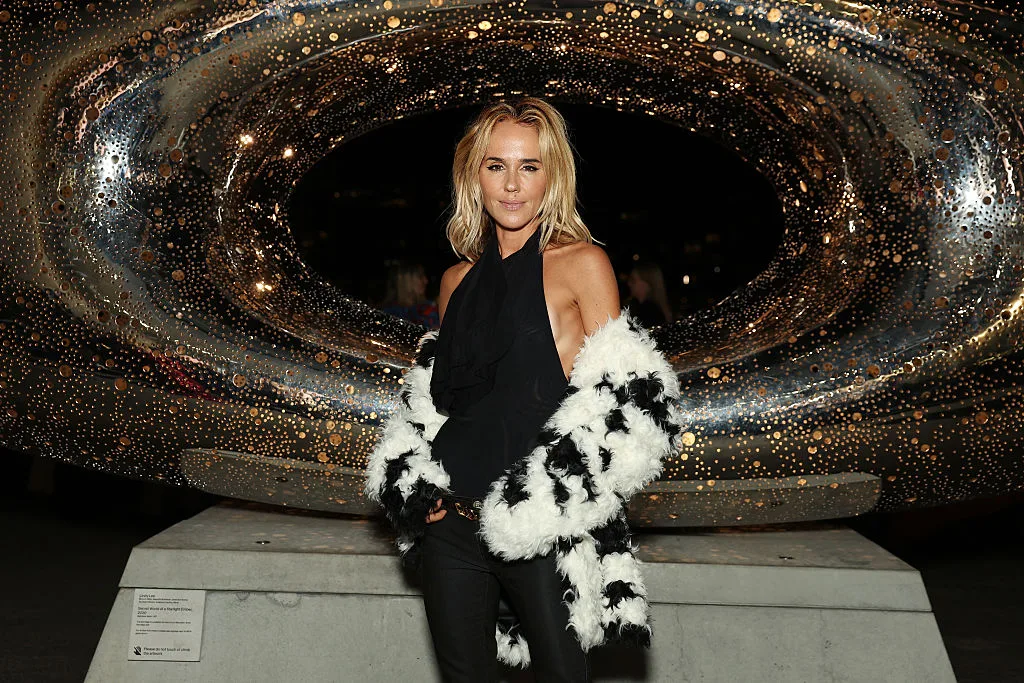
Eventually, she decided to try hormone replacement therapy (HRT), even though she felt unsure.
“I knew I had to try it, despite the mixed reviews,” she says. “That, too, was a process of trial and error. Multiple doctors, finding the right one, and testing different products and dosages.”
When it finally worked, the difference was immediate.
“HRT quickly became my saving grace. It gave me back my sleep.”
Keeping it together on the outside
Through it all, the Sydney-based fashion designer and entrepreneur kept going – running a business, showing up publicly, getting through the day.
“You put on a mask and keep going,” she says. “There’s still a stigma, and it makes it hard to say out loud what you’re actually going through.”
But for her, one of the biggest things that helped was actually talking about it.
“Talking about it made me realise that there were more women experiencing it, but keeping it an internal journey,” she says.

Speaking more openly – at work, at home, with friends – helped her feel less alone.
“Conversations really alleviate the feeling of isolation and the private pain that we experience alone at night,” she says.
“It’s such an emotional time anyway, and hiding the experience just compounds the emotions.”
Why so many women feel unprepared
Looking back, Pip, now 45, says the hardest part is how little she knew going into it.
“We know about periods, we know about fertility, and we know about all of these things, and yet we get to midlife and no one knows a thing,” she says.
She believes that needs to change, starting with earlier, more honest conversations.
“I wish women were told that it’s normal to go through perimenopause in their late 30s and early 40s, so they are better prepared to recognise the symptoms,” she says. “You can’t treat what you don’t know.”
For women yet to go through it, she keeps coming back to one thing: “intergenerational conversation is key.”
“It’s important to talk to our mothers as a first port of call… the hereditary line can be the greatest source of insight.”
Making it easier for other women
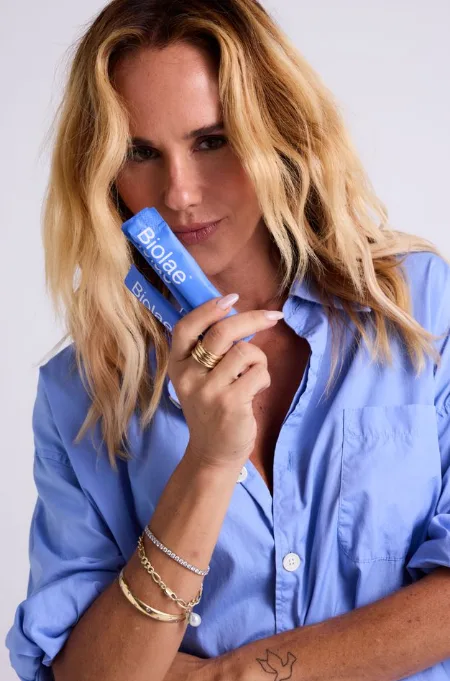
That experience is what led Pip to step more publicly into that space, recently joining perimenopause health brand, Biolae.
After feeling so in the dark herself, she wanted to be part of something that focuses not just on treatment, but on breaking down the silence around this stage of life.
“They’re starting real conversations and offering solutions women need to know about,” she says.
For Pip, it’s about helping other women feel more informed, and less alone, than she did.

