


At a glance…
- This Champagne Day (23 October), why not support Australian and opt for a sparkling brut from Tassie?
- Jansz Tasmania winemaker Teresa Heuzenroder speaks to The Weekly about the state of Australian sparkling wine, her favourite wine pairings, and yes, the glass does matter.
When I first started working in the wine industry, I didn’t know my shiraz from my cab sav, never mind my Champagne from my sparkling brut. I genuinely had no idea that Champagne was the name of a region. And I definitely thought that all sparkling wine was the same. In other words, I was a complete novice.
It wasn’t until my first wine education class that I even learned there are different kinds of sparkling wines. For instance, blanc de blancs (literally translated from French to “white from whites” which is sparkling made from chardonnay grapes only), blanc de noirs (translated to “white from blacks” meaning sparkling wine made from dark-skinned grapes like pinot meunier or pinot noir), Cuvée (not a specific style but instead a term for a a selected wine or blend, so it depends on the producer) and brut (this means dry as in not sweet, “brut nature” is bone dry, and extra brut is very dry, if you want very sweet look for sec, demi-sec, or doux for really sweet).
I also learned that the short gush of air forcefully leaving a bottle of sparkling wine when it’s been opened properly has a memorable name: a nun’s fart. Have I mentioned that anecdote every time a bottle of sparkling was opened around me? You better believe it. When I say “properly”, I mean without the fountains of foam you’d see at celebrations, the gentle “pfft” you hear when you slowly twist the bottle (not the cork!), and the cork eases out.
Now, over a decade later, I’m revisiting my love of Australian wine and our winemakers. In Australia, we make some of the world’s finest sparkling wines, and yet they continue to be overlooked for their French counterparts. I couldn’t help but wonder why. So, who better to ask about Australian sparkling wine than Teresa Heuzenroeder?
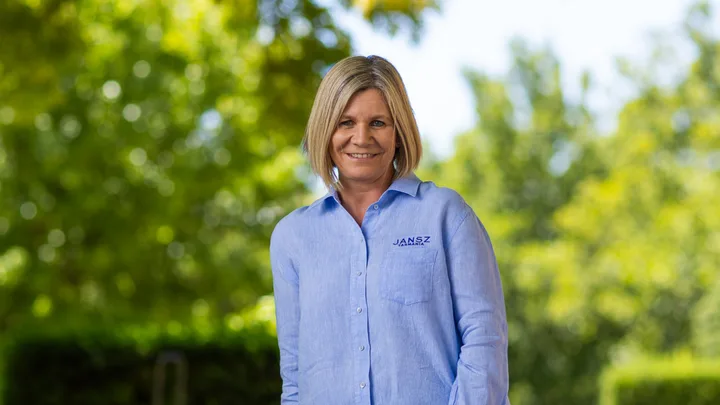
Teresa is the head winemaker at Jansz Tasmania. Teresa joined Jansz in 2025 after almost 27 years with Yalumba Wines. She also spent time at other names known for their sparkling wines, including Petaluma and Croser, then became Senior Sparkling Winemaker at Paragon Estates; while there she worked with labels including Oakridge in the Yarra Valley and Josef Chromy in Tasmania.
“It feels like coming home,” Teresa said in a statement about joining the team. “Jansz Tasmania is an iconic name in Australian sparkling wine, celebrated for its exceptional quality and dedication to tradition.”
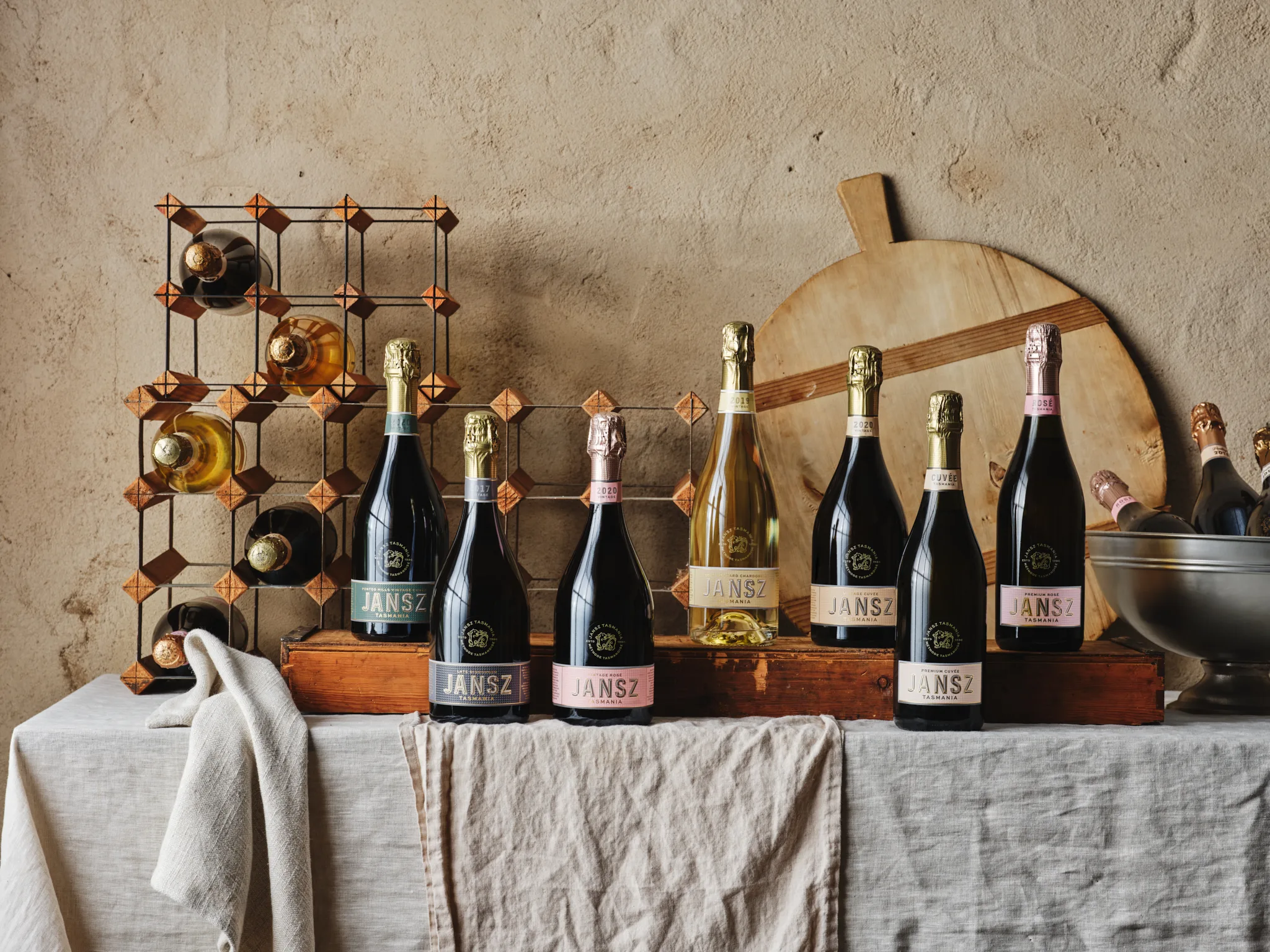
Recently, five of their sparkling wines received 92+ points from the 2027 Halliday Wine Companion (Late Disgorged Vintage Cuvée 2017, awarded an impressive 95 points). Since 1986, Jansz Tasmania has been dedicated to crafting premium Australian sparkling wine, and has even perfected the philosophy of ‘Méthode Tasmanoise’.
I’ve asked Teresa our most burning questions about sparkling wine: what even is it, what should it be paired with, and does the glass you serve it in really matter?
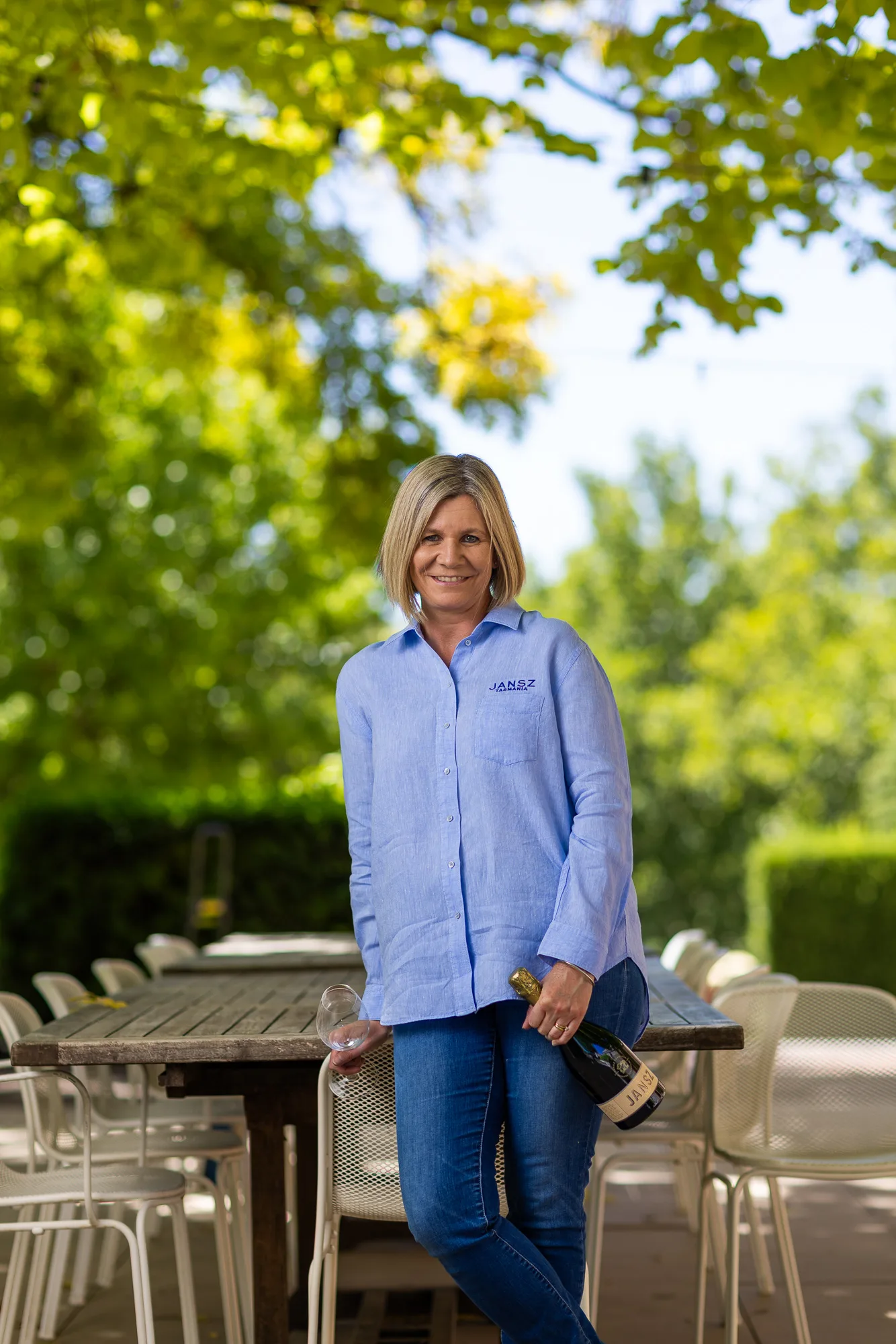
You’ve spent more than 30 years in the wine industry. What first drew you to winemaking, and what has kept you passionate about it for so long?
Winemaking wasn’t something I’d originally planned, but I’d always loved science, which led to a degree in chemistry and microbiology. My wine industry career began as a microbiologist at Yalumba, where I worked closely with the winemaking team. During a chance tasting one day, I had a lightbulb moment when I realised lab life wasn’t for me, but winemaking was – and it all grew from there.
One of the things I most love about winemaking is the diversity of the role. Every day is different, and every vintage brings a fresh sense of anticipation. You never quite know what the season will bring, and Mother Nature plays a big part in that, which is not something you can control. That fine line between excitement and uncertainty keeps you thinking and adapting. It can be challenging, but it’s also what makes winemaking so rewarding – and certainly never boring.
Do you think the wine industry has become more welcoming and accessible to women during your career?
The wine industry has certainly seen an increased representation of women since I began in the mid 1990s. I think there is much more support, mentoring and networking opportunities for young female winemakers now than there was when I started out. The seasonal nature and long hours associated with vintage create challenges, particularly for women who want to have a family, and it does impact work-life balance. I think the lack of flexibility in this area creates a lot of barriers to retaining women in the industry, and that is one of the biggest changes that needs to be made. I certainly found this to be the toughest challenge throughout my career and am thankful that I have a very understanding and supportive partner who has enabled me to continue doing what I love.


What advice would you give to a woman considering a career in wine today?
I would advise finding a trusted mentor for advice and support to use as a sounding board. Find opportunities to taste to build your palate and learn about different wine styles. Do a vintage in the cellar or vineyard, either in Australia or overseas, to see if you really love the industry. It’s hard work but can also be incredibly rewarding.
What actually makes Champagne different from other sparkling wines?
Champagne is different from other sparkling wines in the sense that the name defines both a wine region and wine style. To be labelled as Champagne, the wines must meet very strict requirements. This includes that the grapes (predominantly chardonnay, pinot noir and pinot meunier) must be grown and produced in the Champagne region in France. The winemakers must also use Méthode Traditionnelle and age their wines according to specific minimum requirements.
The Champagne name is legally protected, so producers outside of the region can’t label their wines as Champagne. That covers the legal labelling requirements. But in terms of wine style, there is also the unique climate, chalky soils and winemaking heritage that creates the distinctive style of Champagne.
What can Australian sparkling wines do particularly well compared with Champagne?
Australian sparkling producers are not constrained by the strict regulations that Champagne producers are. We have the freedom to create wines with unique and distinct expressions from regions and sites specifically suited to producing high-quality sparkling wine. This has led to an incredible diversity of styles and quality delivered at a much more competitive price. So, greater value relative to quality. In comparison to Champagne at the mid-level tier, Australian sparkling wine can match Champagne for quality at a much better price.
Look for sparkling from renowned cool climate regions and producers and labelled as traditional method/Methode Traditionelle for high-quality Australian sparkling wines.
Jansz is known for its Méthode Tasmanoise style. What is the Méthode Tasmanoise?
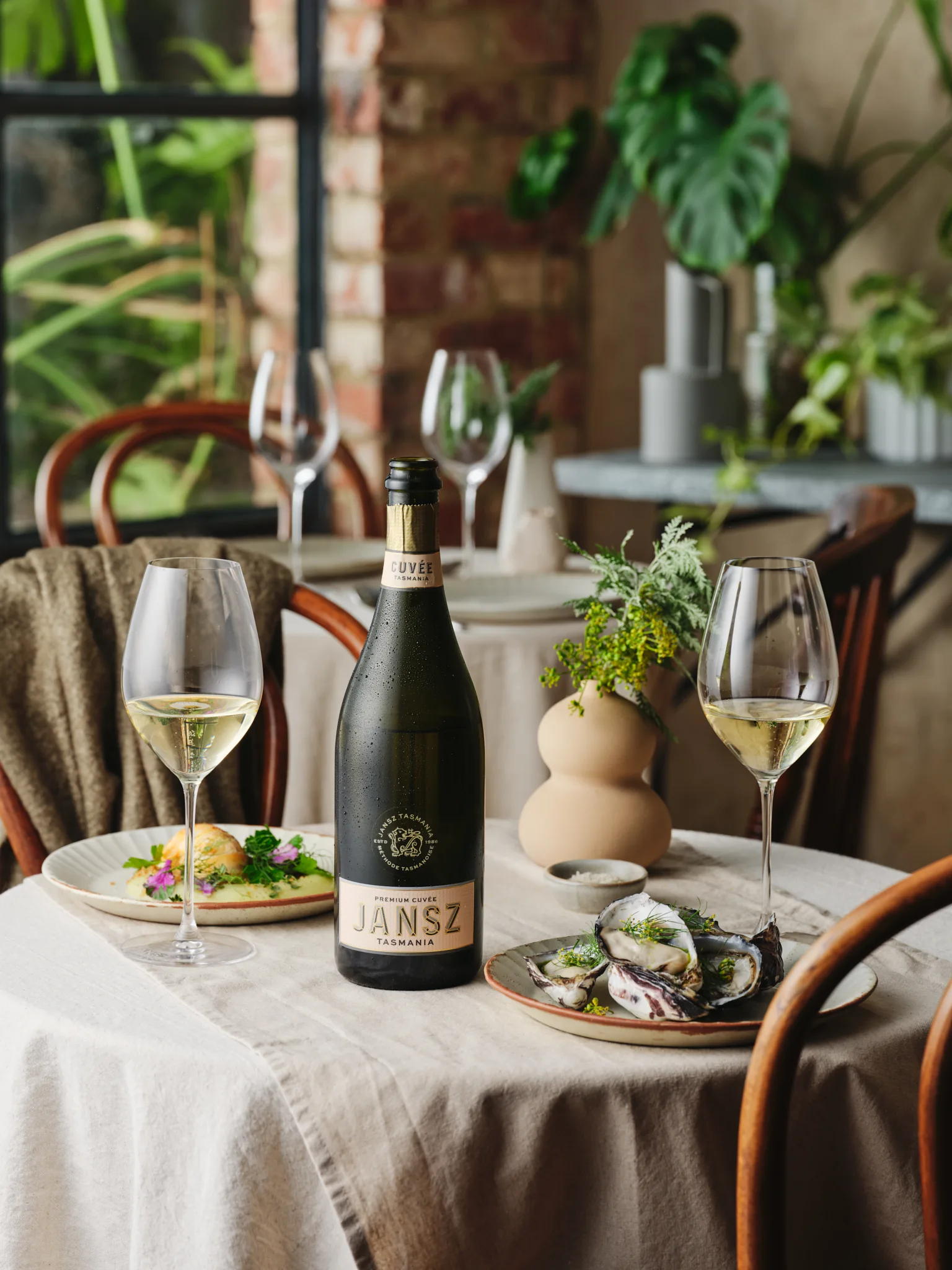
The term ‘Méthode Tasmanoise’ was coined to capture all the elements that go into making luxury Tasmanian sparkling wine. It has become synonymous with Jansz Tasmania. The term represents everything that makes our wines unique, from our winemaking philosophy and terroir to Tasmania’s natural environment. While Méthode Traditionnelle is the traditional method used to make sparkling wine, Méthode Tasmanoise represents our approach to winemaking, and our commitment to working with nature to create sparkling wines that really reflect the character of Tasmania.
What do you love most about working with Tasmanian fruit?
I love the power and intensity of the fruit that we grow in Tasmania, and with that comes a very distinctive acid drive and elegance. As a result of our cool climate and maritime influence, the ripening season across Tasmania is slow and extended. This creates the perfect conditions to produce exceptional quality sparkling wines.

What are the three things our readers should look for when tasting a sparkling wine?
Firstly, the appearance – check the colour, clarity and size of the bubbles. These will provide clues about the quality and style of the wine. A lighter (paler) colour will indicate a fresher, more youthful wine. A darker colour will indicate more age or a riper style. The bubble size matters. The finer and smaller the bubbles, the more time the wine has spent on yeast lees (grape skins), so the wine will be more complex and higher quality. Fine bubbles will also taste more refined and elegant on the palate.
Secondly, the aromas will also provide clues about the wine style. Look for fruit notes like citrus, green apple, floral notes, or berry fruits and yeast notes like bread, toast, brioche, and pastry. Lastly, the taste – think about the texture of the wine – how it feels on your palate, the level of acidity and sweetness. The three factors will interact together to provide an overall impression of balance, elegance and length.
Does the shape of your glass really make a difference when drinking sparkling wine?
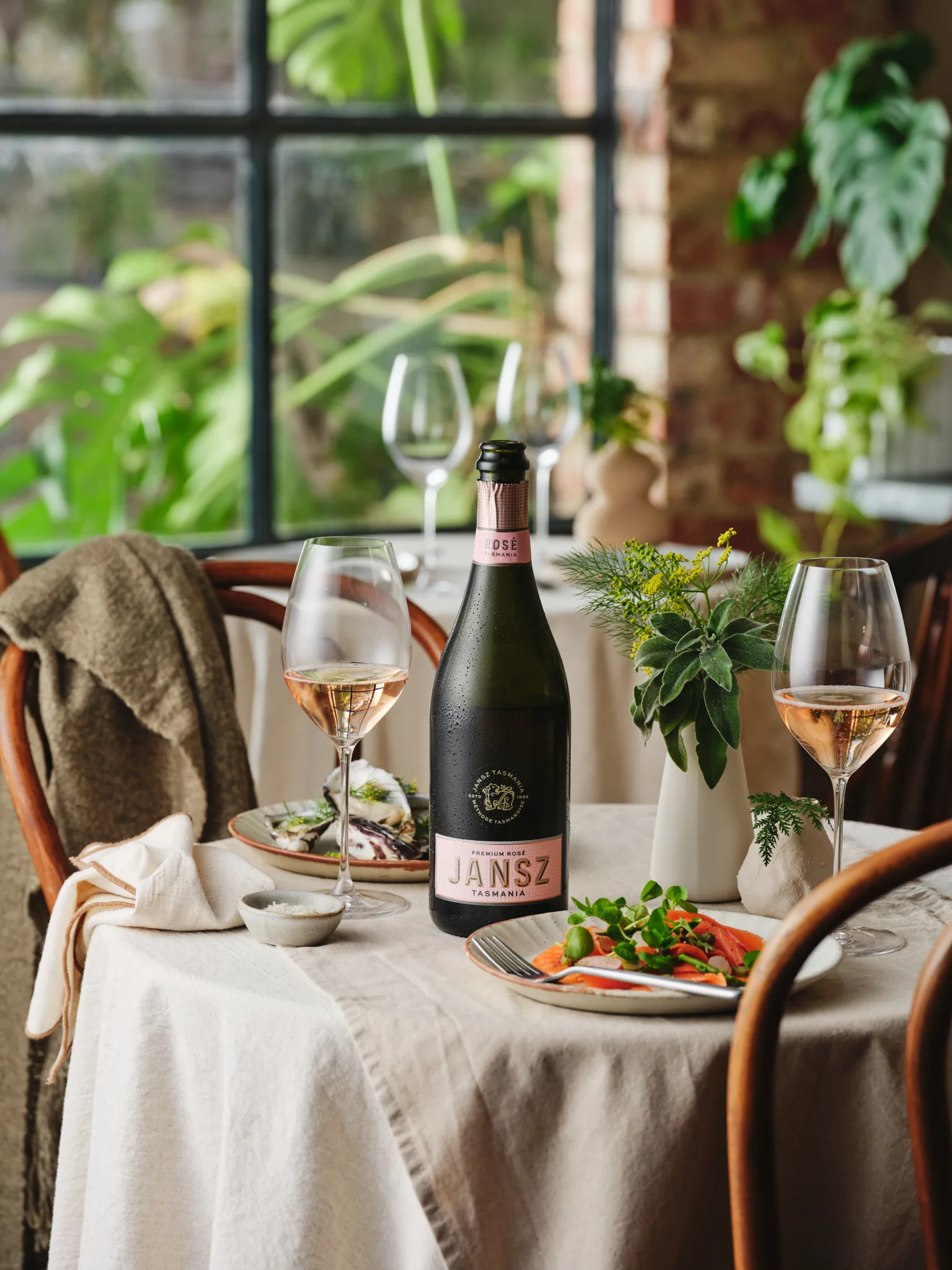
Yes, the glass makes a difference. If you’ve ever used Riedel glasses, you will know. Riedel has an extensive range of glasses designed for specific wine styles, including sparkling. Jansz Tasmania did a collaboration with Riedel a few years ago to design a glass specifically for our sparkling wines. I’ve been using them recently to show our latest releases. They genuinely make an incredible difference to the wine aroma, taste and texture. They lift the wine to a whole other level just from the shape and design of the glass.
What’s the best way to serve sparkling wine at home? Can it be served too cold?
The ideal serving temperature for sparkling wine is around 8 deg C. It needs to be chilled enough to stop the wine gushing when you open the bottle, and to keep the bubbles from dissipating too quickly and the wine tasting flat. Serving too cold (straight from the fridge) will stop the aromas from being expressed in the glass. This means that the wine could appear quite restrained and lacking in flavour.
What are some foods that pair surprisingly well with sparkling wine beyond the obvious oysters and seafood?
Food pairings are somewhat dependent on the style of the sparkling. The naturally high acidity in sparkling wine does work well to balance crispy or fried dishes. Crispy fried (popcorn) chicken has come up a lot in discussion recently in relation to pairing with sparkling!
Generally, white meats such as chicken or pork also work well. More complex, aged sparklings like vintage Champagne or Late Disgorged styles are a good pairing with hard cheeses like comté, aged cheddar or gruyère. Blanc de Blancs styles pair with soft cheeses like triple cream brie that are creamy with a milder flavour. It’s really about balancing the acid and level of complexity of the sparkling with the flavour profile of the food.
How long can an opened bottle of sparkling wine actually last, and do those special stoppers really work?
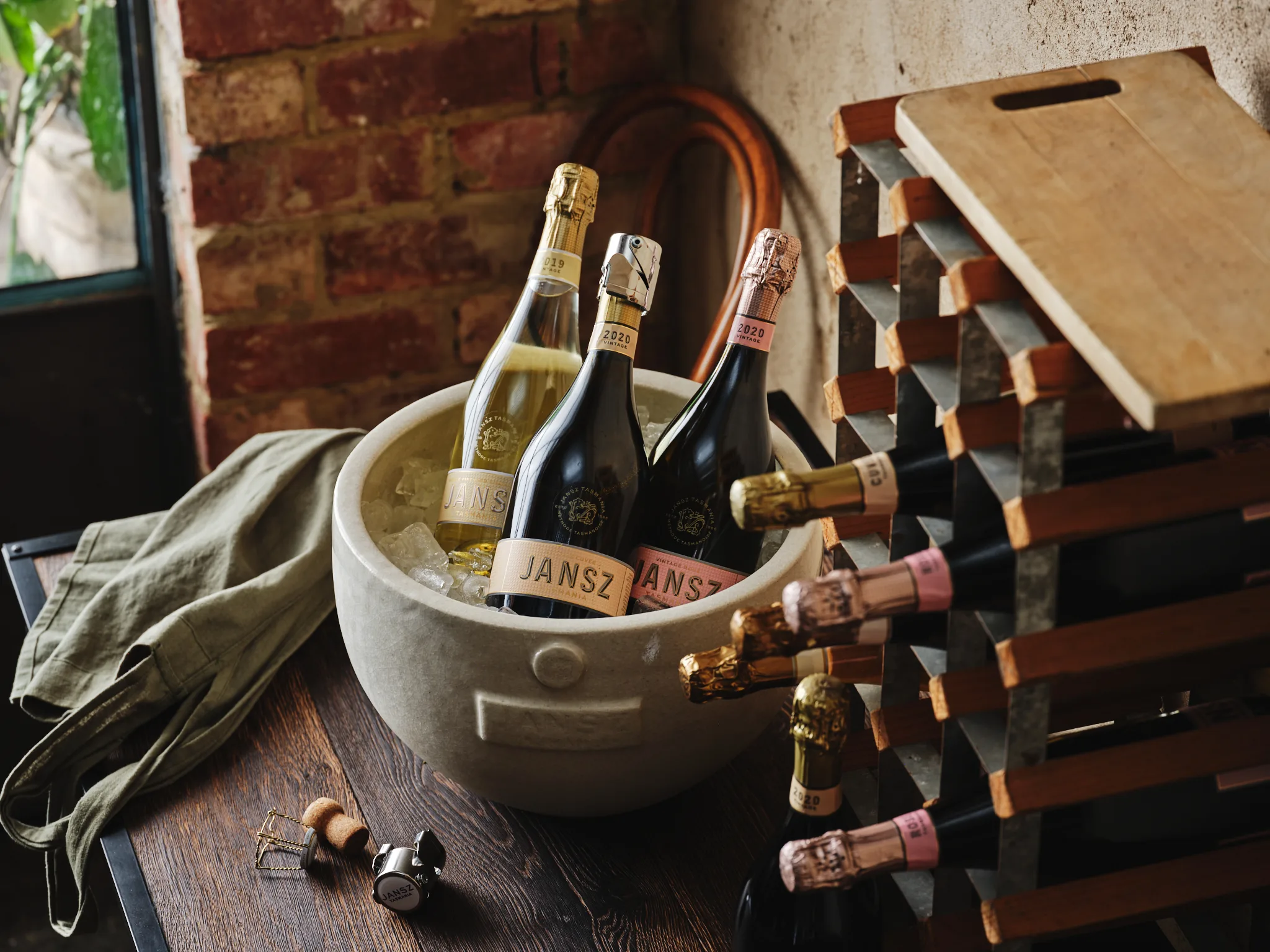
Using a good quality sparkling stopper, you should be able to store an opened bottle for up to 48 hours. This will help to retain the bubbles and flavours for a short period. Generally, after that period, the wine will start to lose its fizz, and the flavours start to oxidise. It’s important to use a stopper with a good seal and ensure that it is applied correctly.
What’s your advice on the best way to open a bottle of sparkling wine?
The most important thing is to ensure the wine is fully chilled before opening and do not shake the bottle! Remove the foil and keep your hand on the wire cage while carefully unwinding the wire. Hold the bottle at a 45-degree angle pointing away from yourself and others. Grip the cork with one hand and keep the other hand on the base of the bottle. Twist the bottle, not the cork and slowly ease the cork out to allow the pressure to release gradually.
After so many years of tasting sparkling wine, can you enjoy a glass simply for the pleasure of it?
Yes absolutely! Particularly when I am out with friends in a social setting and not in work mode. I try not to over-analyse wines and just be in the moment. For me, that is what wine is meant to be about. It is meant to be enjoyed with a meal, with friends or during any of life’s moments.
What’s the bottle you reach for when you’re celebrating something in your own life?
Chardonnay is my favourite variety, whether sparkling or still. So, the wine I reach for would typically be a Blanc de Blancs sparkling. Either the Jansz Single Vineyard Chardonnay or a Champagne, depending on the celebration and setting. To celebrate Jansz’s 40th birthday this year, we have been looking at numerous back vintages of older Jansz wines that have been stored on cork for many years. Some of the older Chardonnays have been amazingly youthful; the 2011 vintage is one that comes to mind as a standout.
Is there a right or wrong way to taste sparkling wine?
There is no right or wrong way to taste sparkling wine. As I pointed out, there are certain things to look for that will provide clues about the wine style. Everyone has a different style preference, which is an entirely individual choice.
My advice would be to taste wines from different producers, varieties and regions and get to know the styles to find the ones that you enjoy.
I think there is a view that sparkling should be saved only for celebratory occasions. I would really love to see people enjoying sparkling more often. It is a much better food match than people think and certainly suits the Australian climate and lifestyle. With the diversity of styles, price points and quality levels of Australian sparkling available, there is a sparkling to suit almost any occasion you choose. Most occasions could use a little more sparkle!
Find out more about Jansz Tasmania here.

