


At a glance…
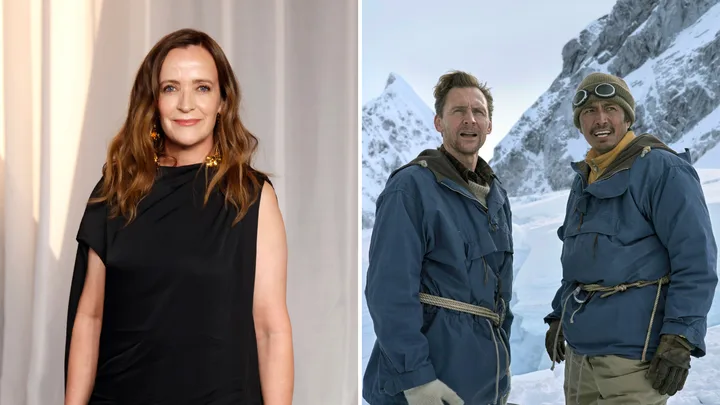
- After more than two decades documenting life in the Himalayas, Australian filmmaker Jennifer Peedom has turned her lens to the remarkable story of Tenzing Norgay.
- She tells The Weekly why bringing his story, and the women who helped him make history, to the screen was so important.
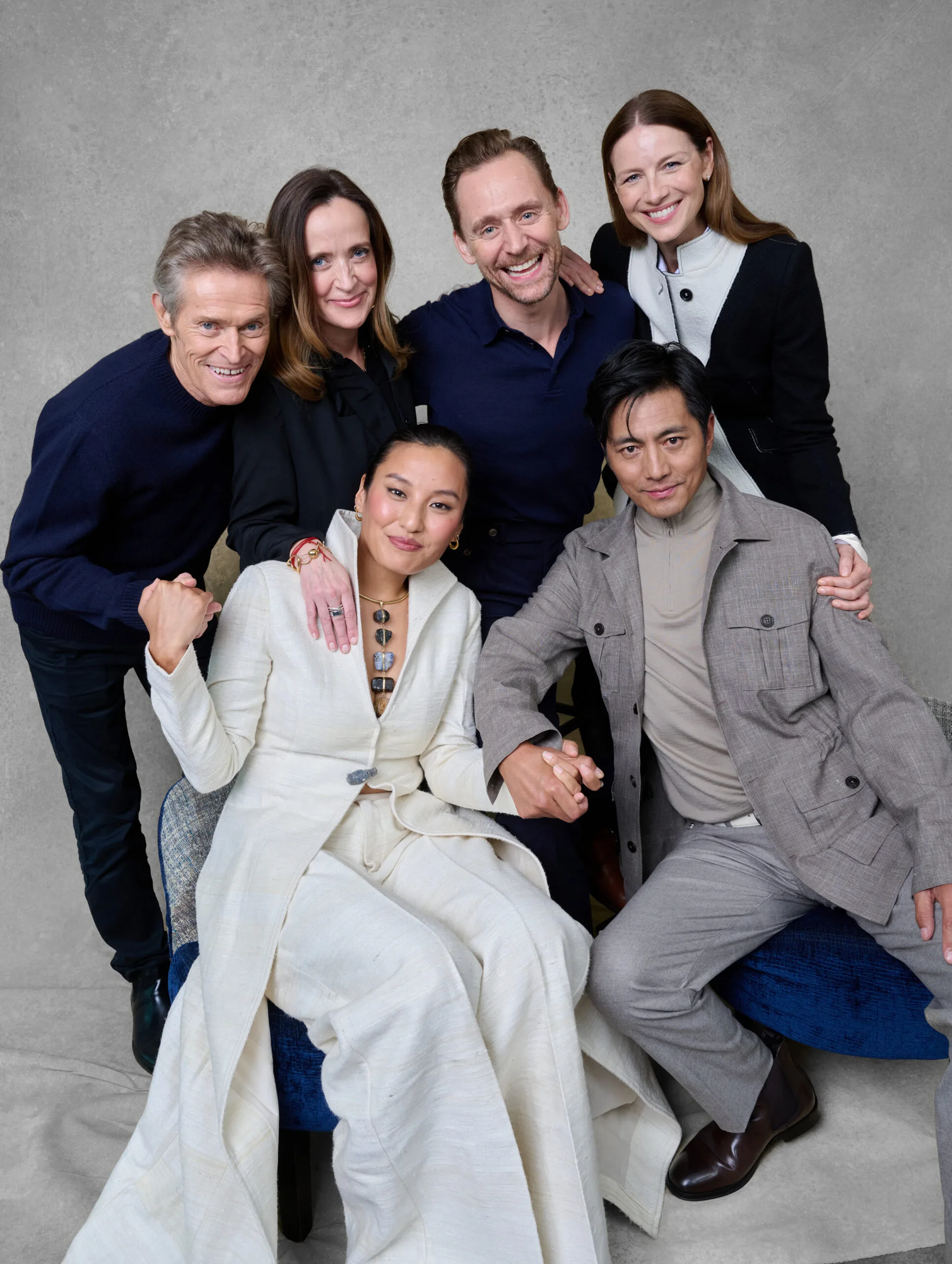
- Tenzing, starring Tom Hiddleston, Willem Dafoe, Genden Phuntsok, Caitríona Balfe and Thunley Lhamo, is available to stream now on Apple TV.+
History is often written by the victors. And for centuries, those victors have overwhelmingly been white, male and, in the case of some of the world’s greatest expeditions, British. But behind history’s most celebrated achievements are countless people whose contributions have been overlooked, diminished or forgotten.
Australian filmmaker Jennifer Peedom addresses this in her breathtaking new film, Tenzing, which tells the story of one of the first two men to reach the summit of Mount Everest.
“History often cut certain people out of the story, and it wasn’t just Sherpas and Tenzing that were cut out of that traditional narrative.”
Described in the film as “the boy with the mountain in his eyes,” from his youth, Tenzing Norgay looked upon Chomolungma – the Tibetan name for Mount Everest – as a Goddess who was calling to him from his youth.
Ask someone to name the first person to summit Mount Everest, and there’s a good chance they’ll answer Sir Edmund Hillary. His name has become synonymous with the historic 1953 expedition, but he didn’t reach the summit alone.
Beside him was Tenzing Norgay, a Nepalese-Indian Sherpa mountaineer whose extraordinary journey to the top of the world began long before he joined the successful British-led expedition. In fact, Tenzing had made six previous attempts on Everest. Yet, as Jennifer discovered, the obstacles he faced just to join that final expedition were every bit as remarkable as the climb itself.
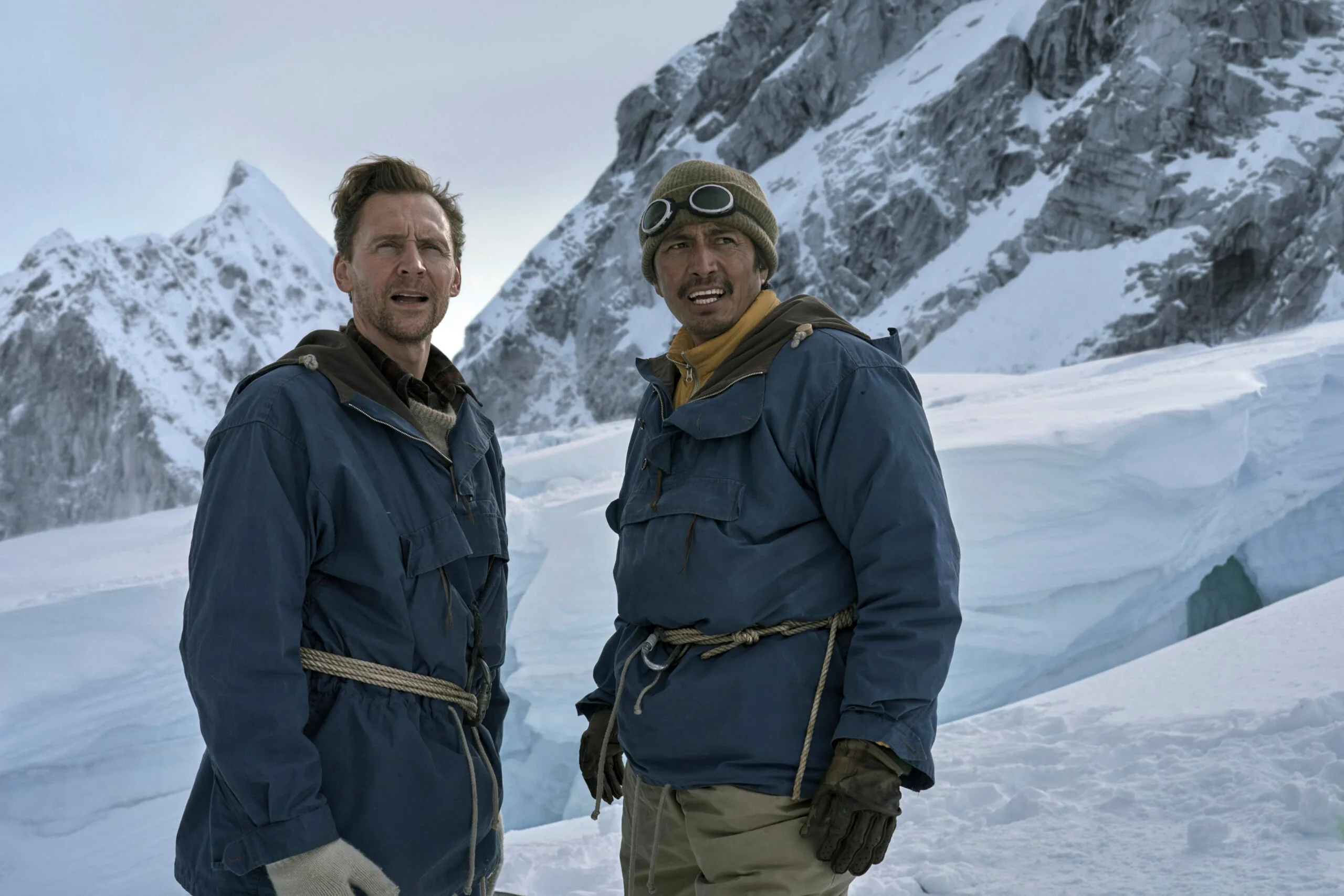
“All of the amazing things that make the achievement so incredible, which is how he even really came to be on Everest in the first place, not even the fact that he climbed it, but all the obstacles that he had to overcome just to get to the starting line.”
The Australian award-winning documentary filmmaker, Jennifer Peedom, first fell in love with the Himalayas over 20 years ago.
“There’s something in me that loves adventure, but it was a curiosity [that brought me there]”, she tells me, that curiosity and a friend who was working as a climbing camera operator for Everest expeditions.
“He said, ‘You should try this out; I think you might be good at it, and I know you’ll love it’, so I went,” she smiles. “From the very first time I went there, there was something about the landscape that drew me, but that’s inseparable from the culture of the people who live in the shadow of those mountains.”
That fascination with the landscape and its people would go on to shape her filmmaking career, including her acclaimed 2015 documentary Sherpa, which explores the lives, culture and often-overlooked contributions of the Sherpa people working on Everest.
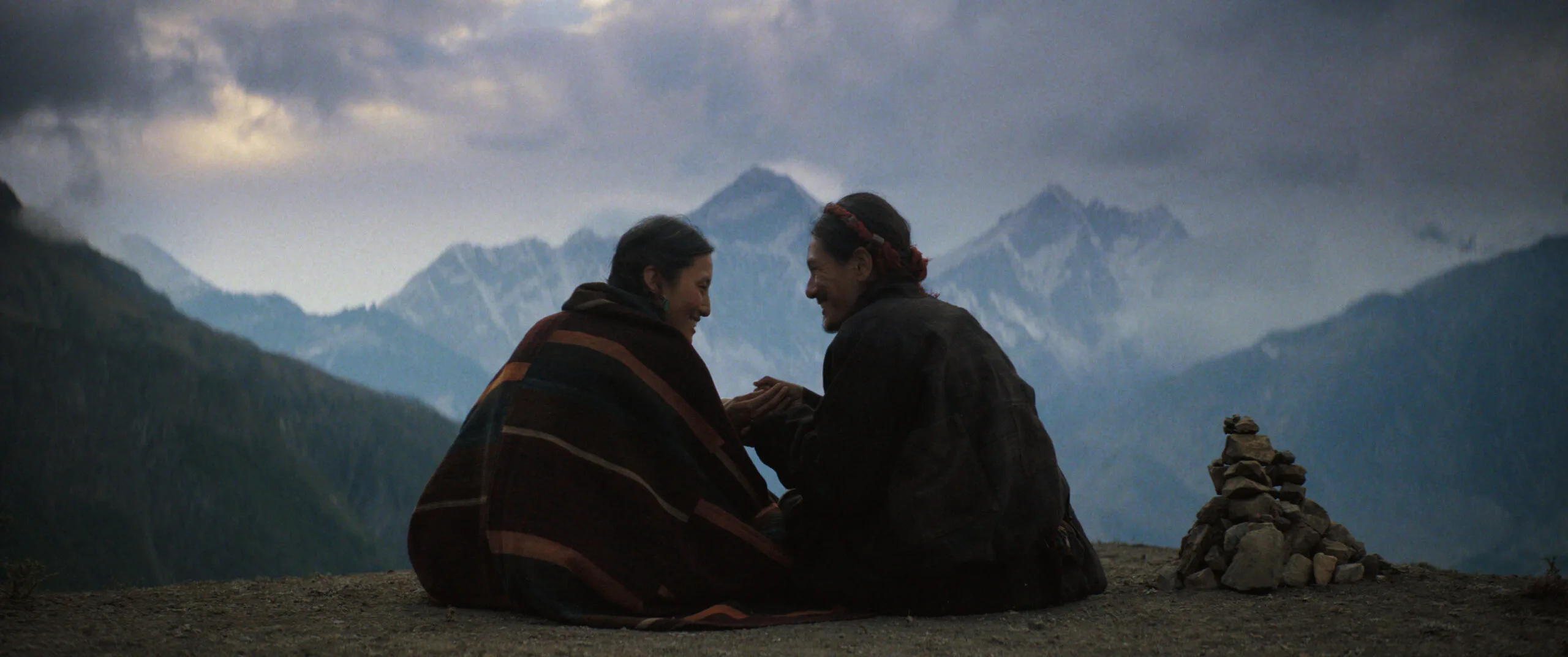
“There is something about the culture of these people living in this landscape, who have to work in this “Everest industry” that kind of represents almost the opposite of what their culture represents. I found it intriguing as a storyteller.”
“You’re trekking through these beautiful places, following these trails and coming across these beautiful villages with communities and monasteries and this deep kind of history that is very special. I find it a very kind of spiritual place.”
And the respect is mutual; her documentaries were all made in collaboration with the local community. And this latest project is no different, with language consultants and community leaders involved to ensure everything was as authentic and accurate as possible – unsurprising, as the director is a documentarian.
“It had been 23 years since I did my first trip to the Himalayas and made my first short documentary about the Sherpa community; it’s been a really long relationship,” she shares. Jennifer told this story with the permission of Tenzing’s family, who were with her from even before the beginning of the project.
“I first met Jamling Tenzing, one of Tenzing’s sons, while on a job in New Zealand. And I remember being absolutely fascinated that this was the son of this man that I had heard stories about. And to me, he was always a hero.”
She remembers asking Jamling a myriad of questions and convincing the producers of that job to allow her to interview him.
“In the aftermath of making Sherpa and after meeting other family members, having interviewed other family members as part of that film, I decided that I really wanted to tell Tenzing’s story.”
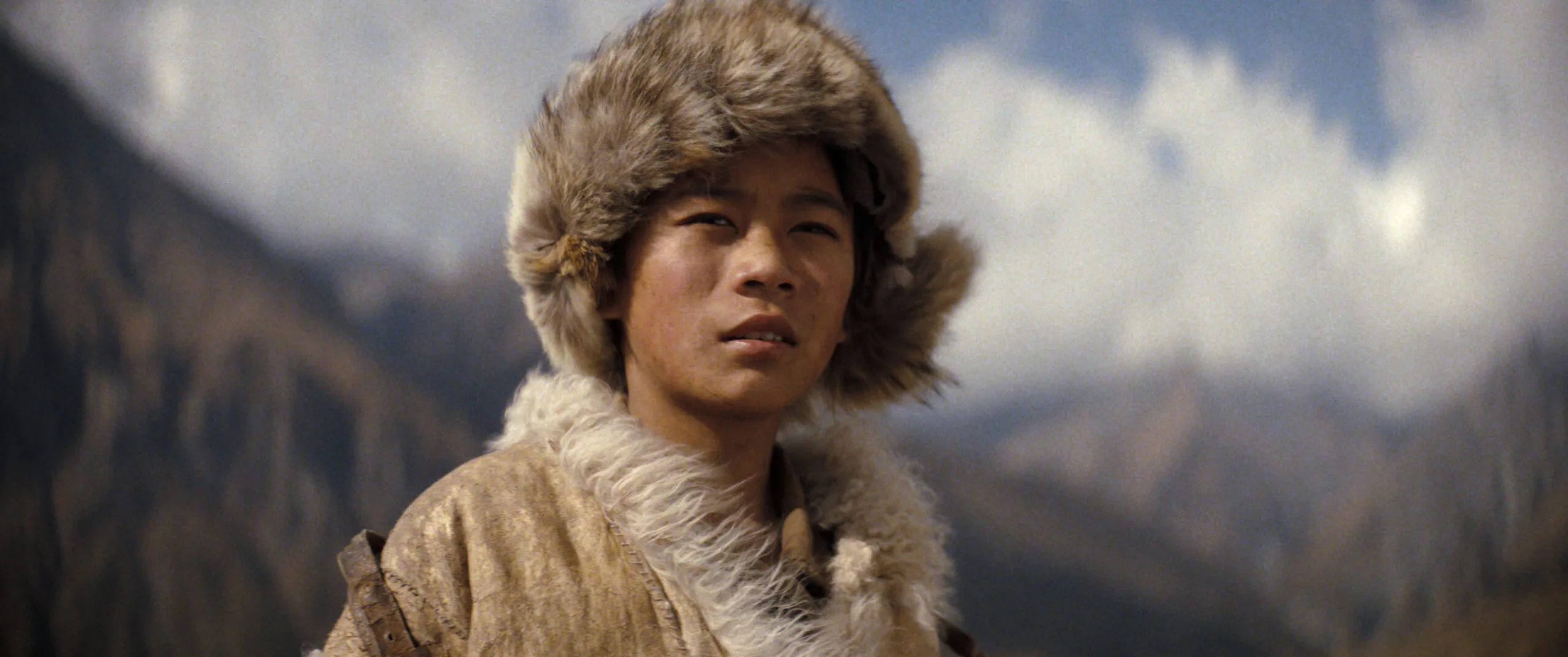
But despite her documentary background, she realised that a documentary wouldn’t do his story justice, as so much of why he journeyed to the top of the mountain was found in his life, much of which wasn’t evidenced.
“None of [Tenzing’s childhood] had been documented, and there were very few photographs, and so it was sort of time to dive into a new form of storytelling in order to be able to tell this story properly.”
She muses that this project was a “natural progression” for her as a director, but a “massive leap in scale and kind of technical expertise.” With more than two decades of experience in the region, and relationships forged with the Sherpa community and Tenzing’s family, Jennifer felt uniquely positioned to tell his story.
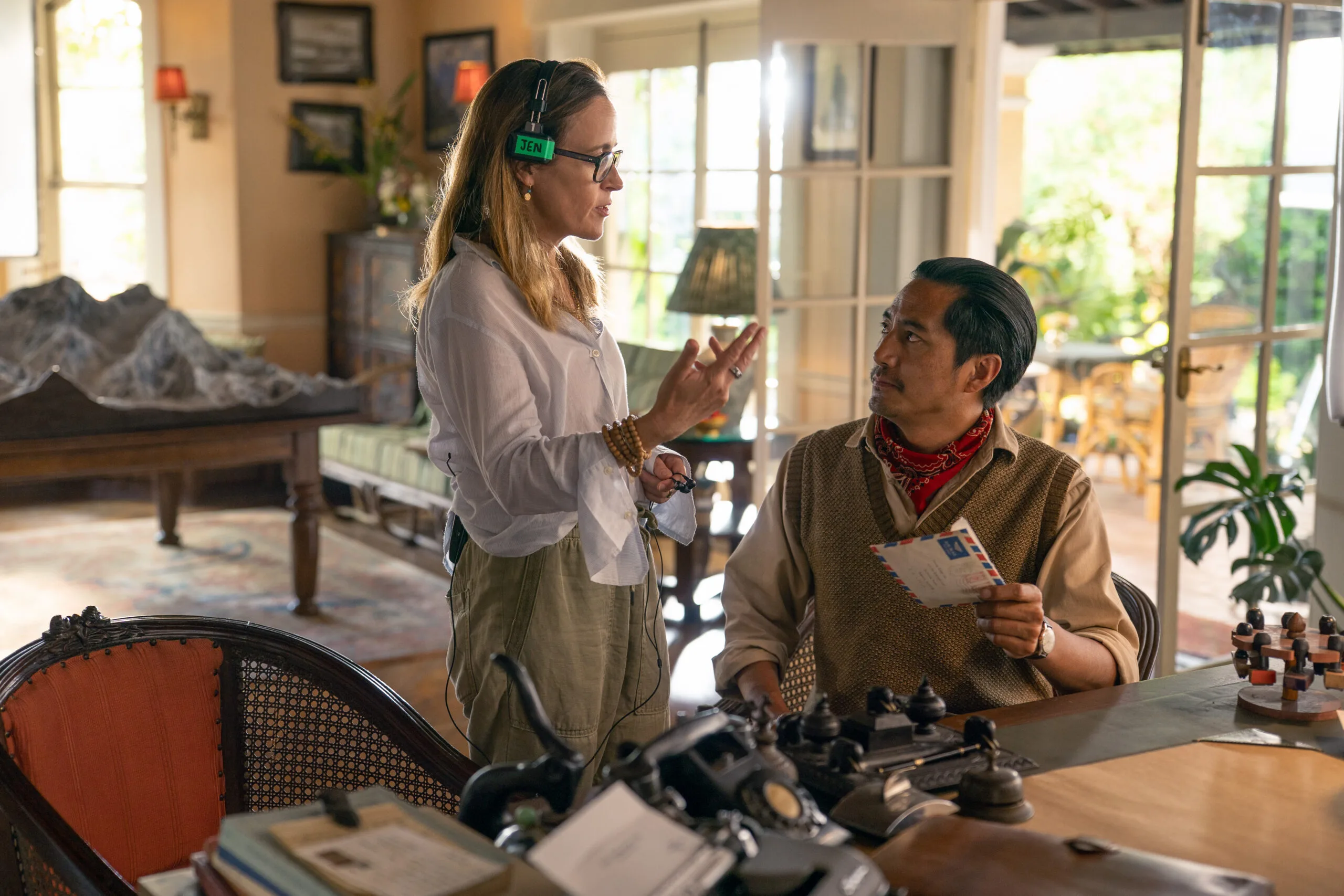
“I think being a director comes down to your ability to communicate and get other people on board with your vision,” she shares. “Often when you’re making a documentary, it can be a tiny crew; I’ve been my only crew, and I’ve worked with bigger crews on bigger projects. But on drama, there is so much more support.”
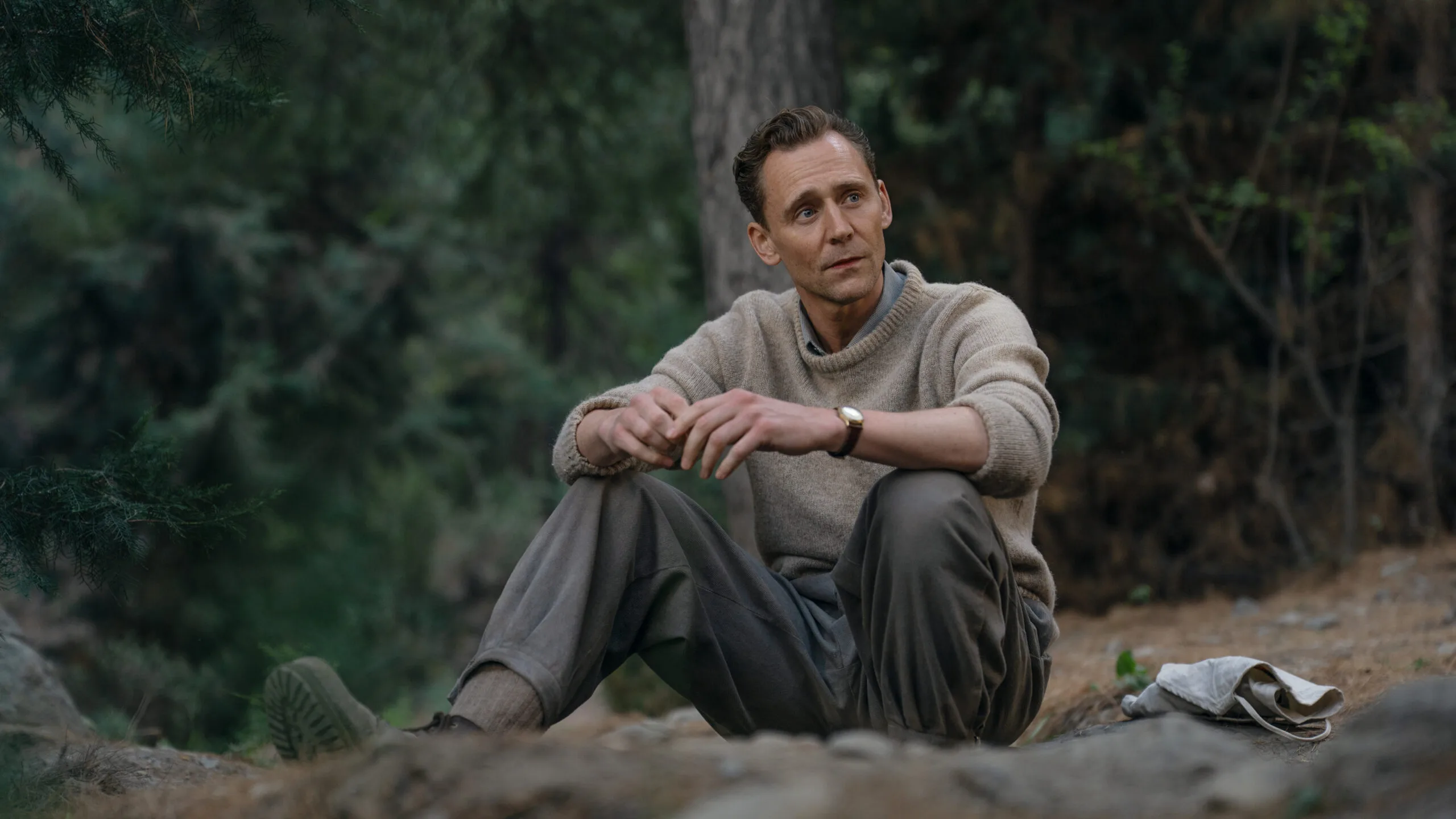
And for an endeavour of this scale, the support was needed. During planning and production, Jennifer was insistent that everything that could be real should be real. The crew filmed in the actual region and on Everest as high as they could – with Aoraki/Mount Cook subbing in for Everest’s peaks. But beyond the stunning shots of the landscapes, the details of each of the homes, villages, camps, and languages were all done with as much authenticity as possible. Even the actors did many of their own stunts. Genden Phuntshok (who plays Tenzing) and Tom Hiddleston (who plays Sir Edmund Hillary in a slight New Zealand accent) spent time climbing together ahead of filming to get a real feel for their character’s journeys.
“You can kind of lean on the support of these talented, creative individuals who are all running in the same direction in a project of this scale, helping you to tell the story, and that includes the actors,” Jennifer says. “You can talk to them about their characters and their hopes and their dreams and the way you want to shape that performance together. But you have production designers, and you have cinematographers, make-up team, the stunt team, the safety team, you have people that can all work together to make something possible.”
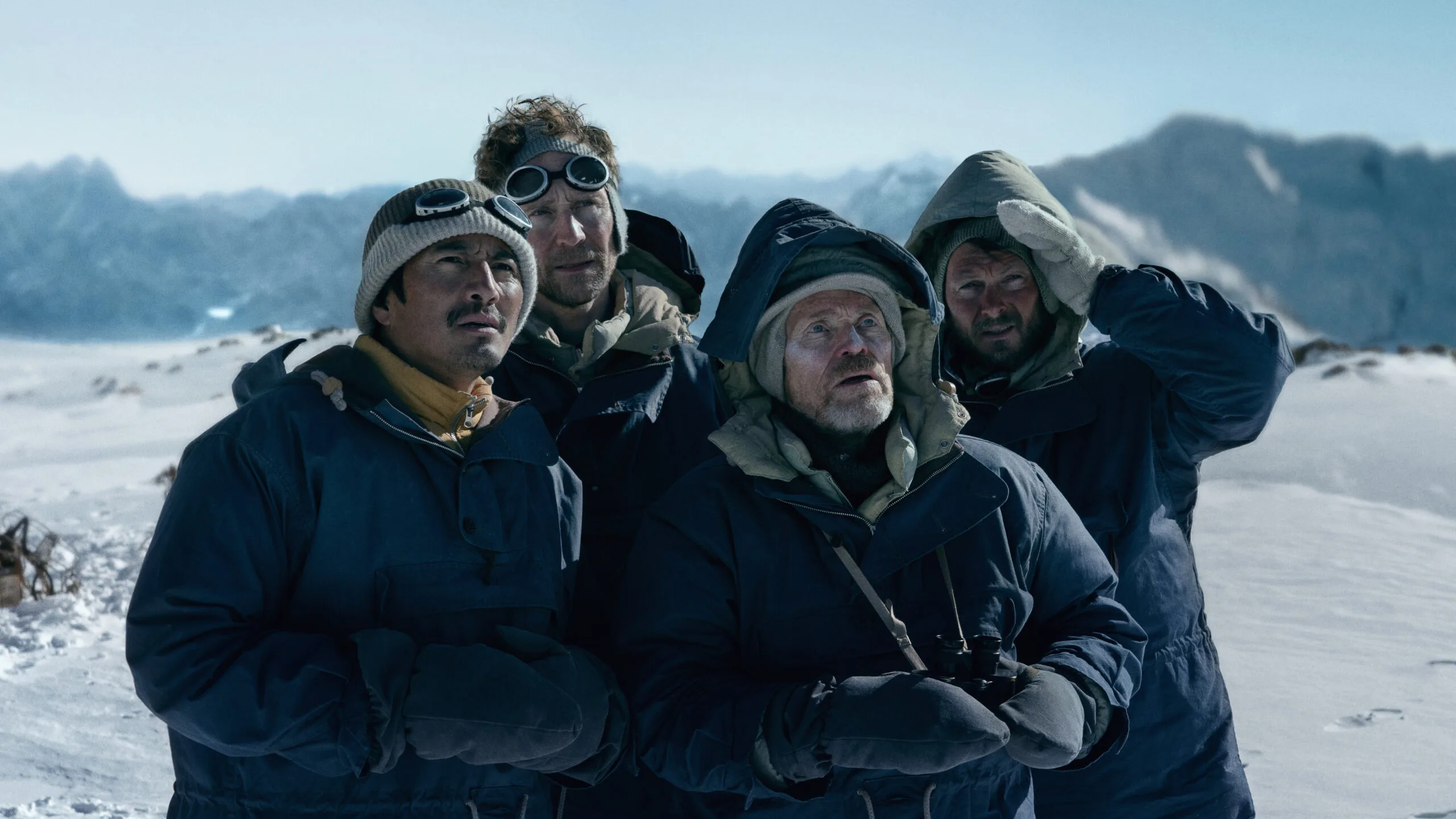
It was a larger scale than what Jennifer was used to, and she admitted that at times it felt “overwhelming”, but it was easy to stay centred.
“I just kept coming back to the story that we were telling and communicating that story, and everyone was so excited, and felt like there was something really special about what we’re all doing together and the way that we’d chosen to do it, the level of cultural authenticity that we had worked to bring.”
But those challenging conditions also brought the cast and crew closer together, forging a camaraderie that Jennifer says has endured well beyond filming.
“There’s something that happens, and I know this from making documentaries, when you’re working in really harsh environments, difficult locations, long days, freezing days; it’ll either make or break you. And in this particular team, it definitely made us,” Jennifer says. “There is this beautiful camaraderie between all of us because it feels like what we’re doing is bigger than all of us.”
It’s a telling exchange, and one that encapsulates Jennifer’s determination to challenge the traditional narrative surrounding Everest. Throughout the film, Jennifer makes a concerted effort to remind the audience – and the British-led expedition – that they are foreigners in this land. In one memorable scene, Tom Hiddleston as Sir Edmund Hillary remarks that “the British see nature in general as something to be conquered”, to which Genden Phuntsok as Tenzing responds, “Maybe that’s where they’ve been going wrong.” It’s a telling exchange, and one that encapsulates Jennifer’s determination to challenge the traditional narrative surrounding Everest.
But Tenzing isn’t the only person whose story she wanted to reclaim.
While the achievements of the men who reached the summit have been celebrated for decades, the women who helped make those achievements possible have largely remained in the shadows. Jennifer sheds light on the voices of women in the film. Dawa, Tenzing’s first wife, permeates the film.
“Tenzing couldn’t have climbed Everest without Dawa, her love and support. I think in many ways she represents the mountain. She is the kind of mother goddess,” Jennifer tells me. Dawa encourages and blesses Tenzing’s dream to climb Chomolungma. At his lowest points, his thoughts of her give him the courage to continue. But there was another reason why her depiction was crucial to Jennifer.
“It was really important for me to remember her because she died young, she died in tragic circumstances, and I know that that was a huge blow to Tenzing and it was a huge part of his life. It was a huge loss in his life.”
Not only for him, but for his daughters as well, who are seen in the film and who Jennifer met with while making Sherpa.
“I heard stories from Pem Pem about her mother, and what really struck me is she told me one day that she didn’t know what her mother looked like because she had no photographs,” she shares. It was a heartbreaking revelation, and one that only strengthened Jennifer’s determination to ensure Dawa’s contribution to Tenzing’s extraordinary life would not be forgotten.
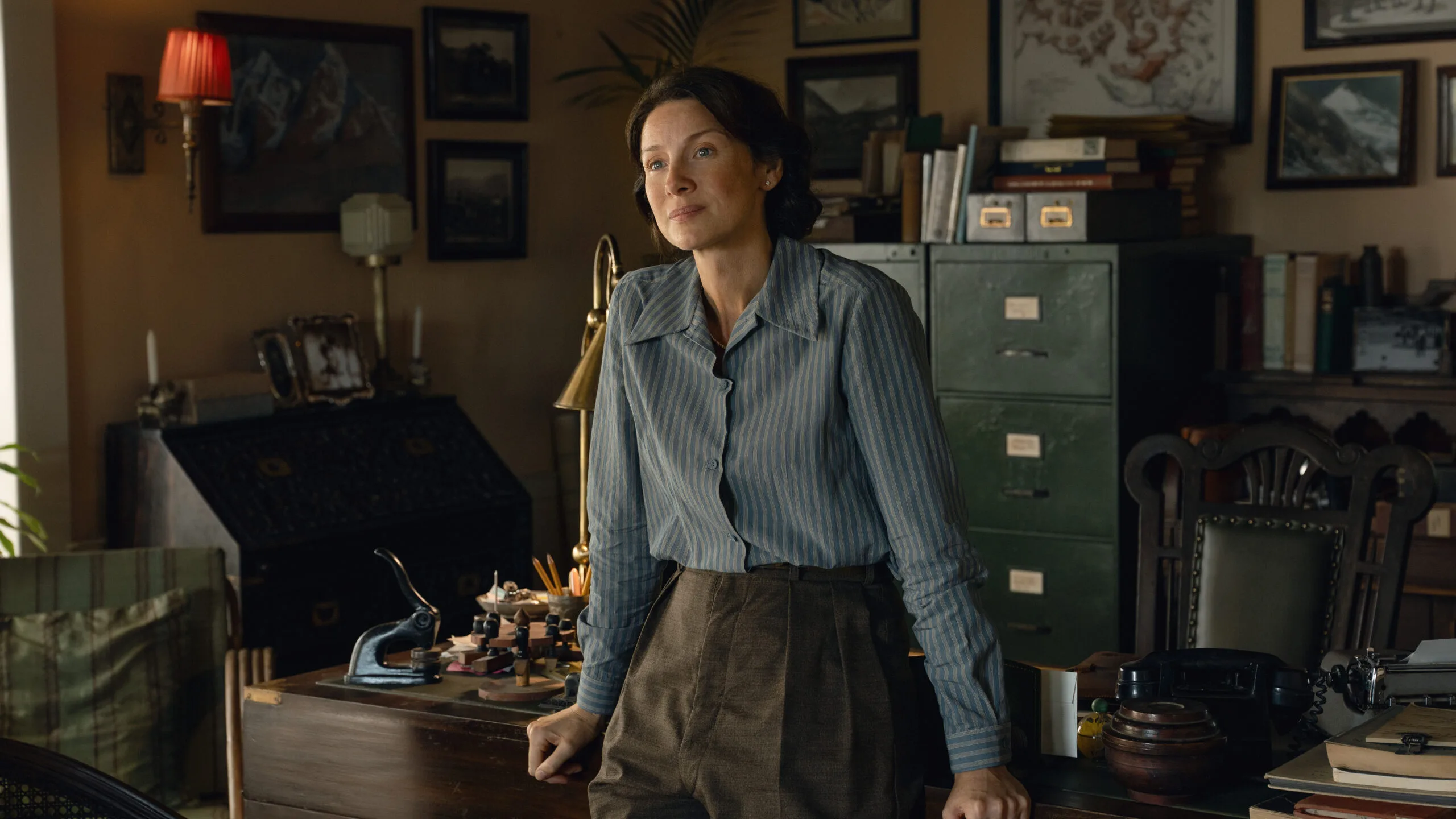
But Dawa wasn’t the only female voice that Jennifer gave credence to. Jill Henderson, brought to life by the “wonderful” Irish actress Caitríona Balfe, was pivotal in placing Tenzing in that finally successful team.
“Jill Henderson was instrumental in all of those expeditions. She was the woman who assembled the Sherpa team for many years and supported the British team when they were still climbing on the north side on the Tibetan Plateau before the Nepalese side of the mountain opened up in 1951,” Jennifer explains.
“She was really the person that convinced Tenzing to accept the British team’s invitation to climb Everest. He had almost reached the summit with the Swiss expedition and Raymond Lambert the year before [they were just 250 metres shy of the true summit].”
Tenzing needed some convincing, as Jennifer says, he was “very, very loyal to the Swiss”, but that wasn’t the only reason.
“Tenzing was a little bit reluctant to go again. He’d risked his life. He’d almost died, not through climbing, interestingly, but through malaria that he caught on the trek home. And so his body was depleted, he was exhausted, and he’d promised his family that he wasn’t going to go back. So it took a lot to convince him to go, and she was the person who ultimately did that.”
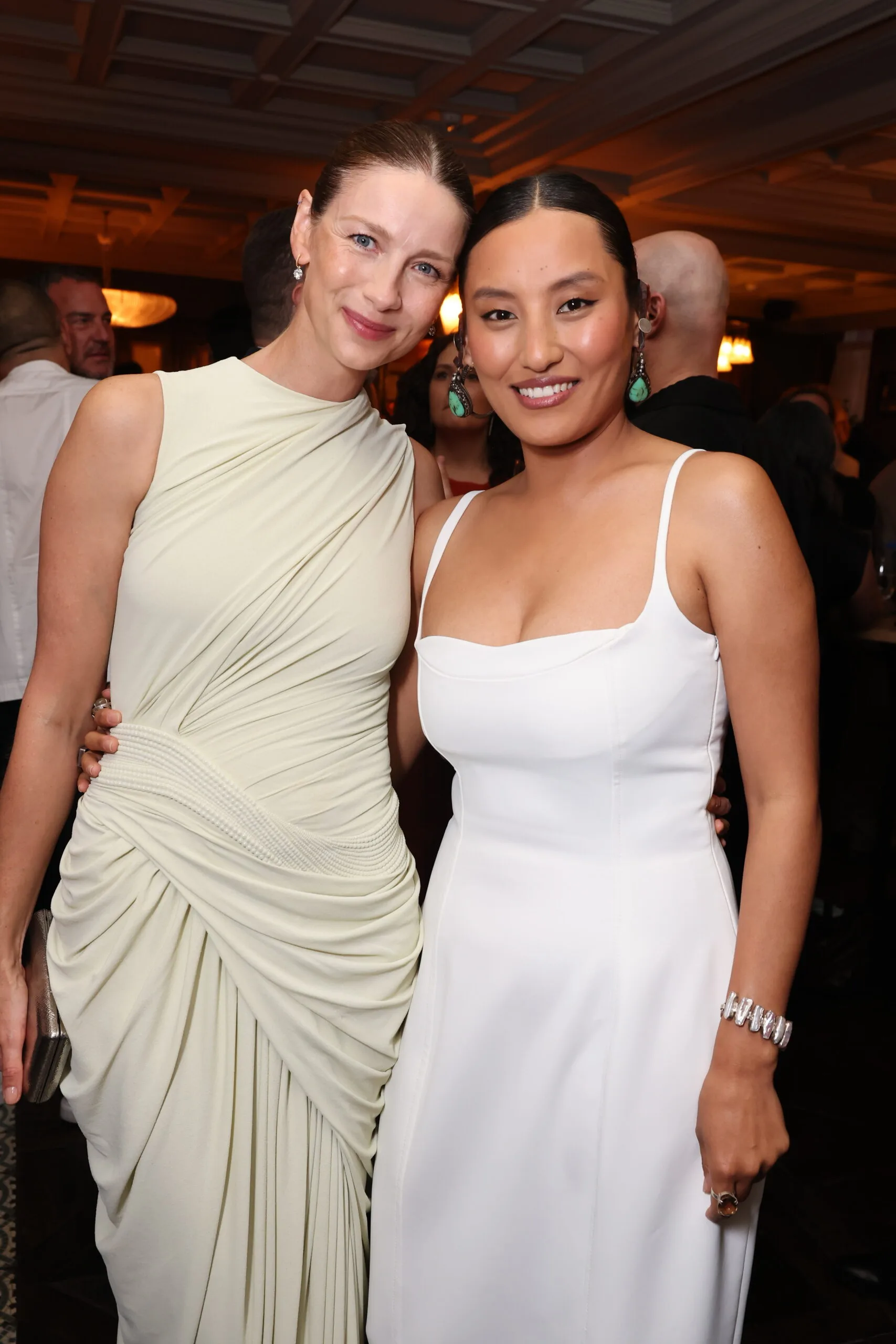
But like Jennifer, Jill wasn’t just a bureaucrat who came in and directed the locals around. Jennifer shares that Jill was “considered family to that community”.
“Jill knew the Sherpa’s wives and their children and their families,” she shares of the woman who in many ways is a kindred spirit. “She made sure they were looked after and paid properly and insured. I wanted to remember her too.”
The breathtaking film is a story of human endurance, triumph over adversity, self-belief and the extraordinary lengths people will go to fulfil their dreams. Shot with a documentarian’s eye, it gives Chomolungma her due as a constant, inescapable presence, alongside the people who lived in her foothills long before Western mountaineers arrived.
And while Tenzing takes audiences to the very top of the world, its greatest triumph lies in bringing the stories of those long overlooked into the light.
Watch Tenzing on Apple TV+ now.

