




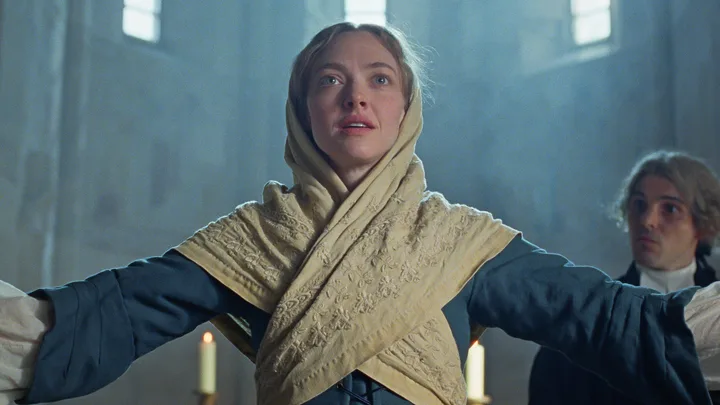
Long before feminism had a name, Ann Lee was preaching ideas that would make her one of the most radical religious leaders of the 18th century, and one of the most misunderstood. More than 250 years after her death, Mona Fastvold is bringing her story back into focus with Amanda Seyfried in the starring role of The Testament of Ann Lee.
When Mona Fastvold first heard the name Ann Lee, she drew a complete blank. Yet the founder of the Shaker movement would not only become the subject of Mona’s next film, but a major fixture in her life.
“I thought her story was deeply fascinating,” she tells The Weekly now as she joins us with her leading lady, Amanda Seyfried. “This historical figure had such radical ideas around equality and a whole new philosophy about gender norms and societal structures. It was so wild that people were so unfamiliar with her story.”
Mona, a Norwegian director and actress, moved to the United States in 2004. Together with her fellow filmmaker partner Brady Corbet, she crafted the script for The Testament of Ann Lee. The disruptive woman captivated the director, who admired her refusal to back down from her convictions.
“Most people [know] very little about [the Shaker’s] philosophy or the story of Mother Ann.”
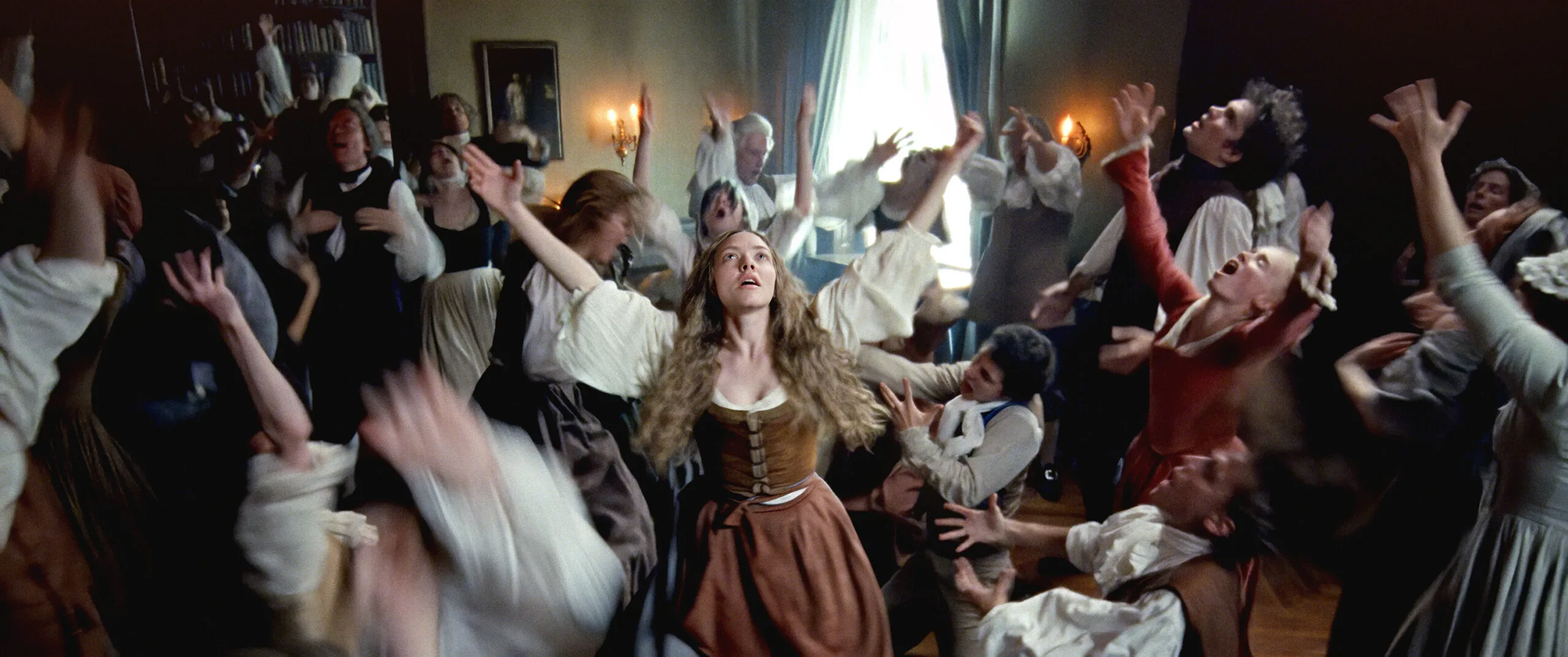
Born into relative poverty in industrial Manchester, England, on 29 February 1736, Ann’s life was not easy. However, this daughter of a blacksmith, who received no formal education and worked in an infirmary and textile factory from a young age, went on to found a religious movement that challenged social structures in the UK and the New World.
“She had a lot of things working against her,” admits Mona. “But it’s conviction, the power of your desperation to find something greater and for the greater good.”
By age 20, Ann Lee married Abraham Stanley and endured the deaths of all four of their children, an experience that many argue shaped her later religious beliefs, including the idea that sexual intercourse led to spiritual corruption.
Ann joined a religious sect in Manchester, founded by Jane Wardley and her husband a decade prior. Brother Arnold, one of the last three remaining Shakers, shares that her family were members of that Church from when she was 11, and her father played a central role.
The Wardley Society was Ann’s and many other members’ first time seeing a woman as a leader in a gathering of worship. This sect became a precursor to Ann’s own religious movement.
Worship in the Wardley Society was electric, brimming with religious fervour. Their faith erupted in unbridled, passionate, ecstatic shaking, dancing, singing, and speaking sounds and noises. It was this practice, “shaking”, which led to their name, Shakers.
The ordered Anglican society of the time deemed the emerging religion to be a threat. After denouncing the state faith and refusing to conform, Ann Lee and others were imprisoned. With nothing to do, Brother Arnold says, but “feast on God.”
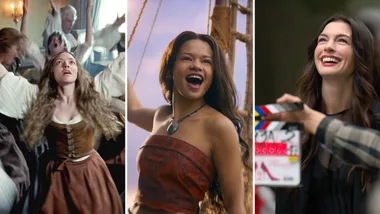
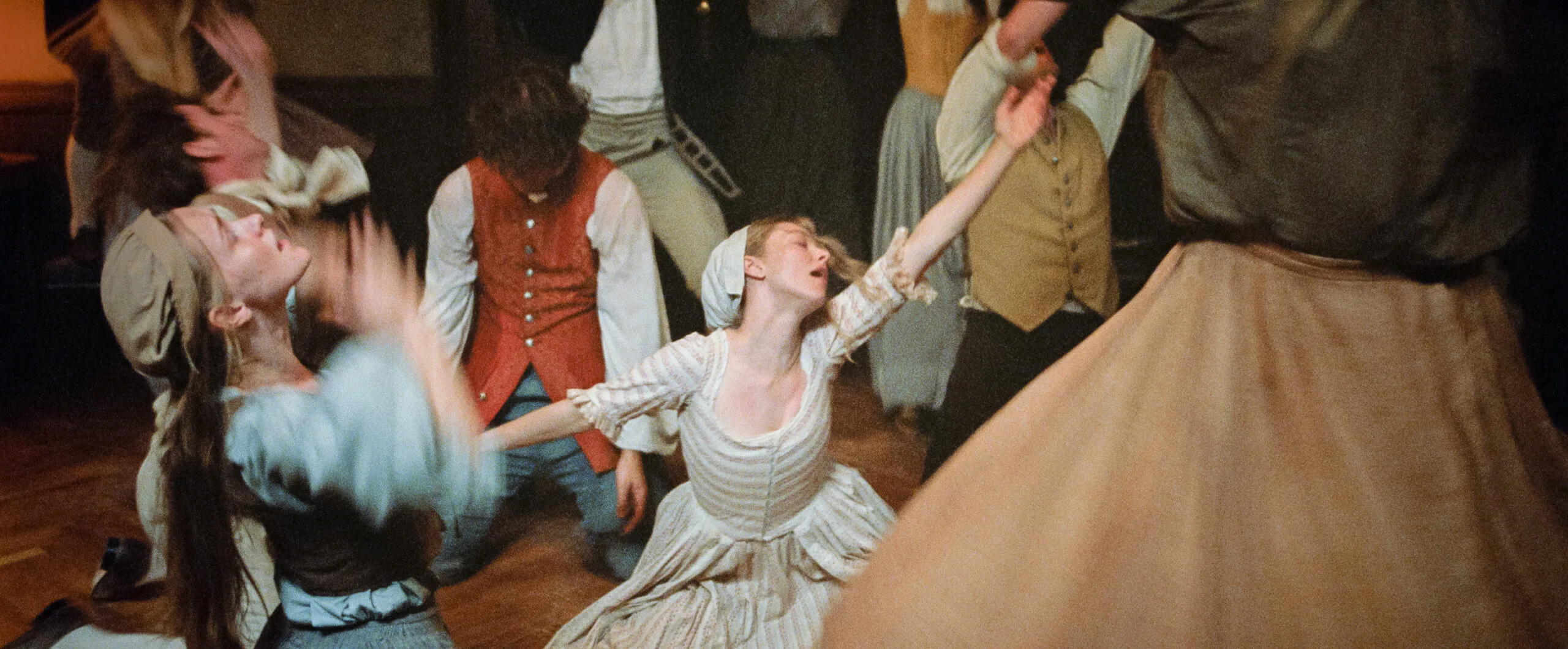
And there, starved and beaten, Ann Lee had a religious revelation: Visions of Adam and Eve, a God both male and female, and the understanding that human sexual desire was a barrier to spiritual salvation.
“The only way to get back to the Kingdom and back to that Garden of Eden was to leave off all physical relationships,” explains Brother Arnold.
The tenets of equality in Shakerism stem from her revelation that God is both male and female. This wasn’t a new idea. In fact, it is written in the Book of Genesis, chapter 1, verse 27 “So God created He him; male and female created He them.” But Ann went further, believing that all people should be equal regardless of race or status. Furthermore, if men and women are equal, marriage is an antithesis to her revelation. How can a woman be equal to a man if she’s his property? And more, if we are all equal, all our belongings and wealth are owned by all, not by an individual.
When she articulated her revelations to the Wardley Society, many followers believed she was imbued with the spirit of Christ, “wholly consumed by His love,” according to the Shakers. From then on, she was Mother Ann, or her official title, “Our Mother in the New Creation”, and started her religious movement: the United Society of Believers in Christ’s Second Appearing, or “Believers”. However, many still refer to them as “Shakers”.
Ann did not claim to be the second coming of Christ. In her recordings, written by another as she could not write, Ann stated, “It is not I that speaks; it is Christ who dwells in me.” Instead, Mother Ann believed, “The second appearing of Christ is in His Church.” So she set out to make that a reality. But England was not the place to do it.
However, not everyone in her sect welcomed her revelations. The celibacy and dissolution of families was a hard sell. Many followers left. Furthermore, to her critics, her movement posed a direct threat to social order: no marriage, no traditional family structure, and women holding spiritual authority over men. With tensions rising, Ann Lee led a group of eight Believers across the Atlantic Ocean to start their new life in the New World. Arriving in 1774, settling near Albany, New York, on the eve of the American Revolution and the start of a quietly radical religious movement.
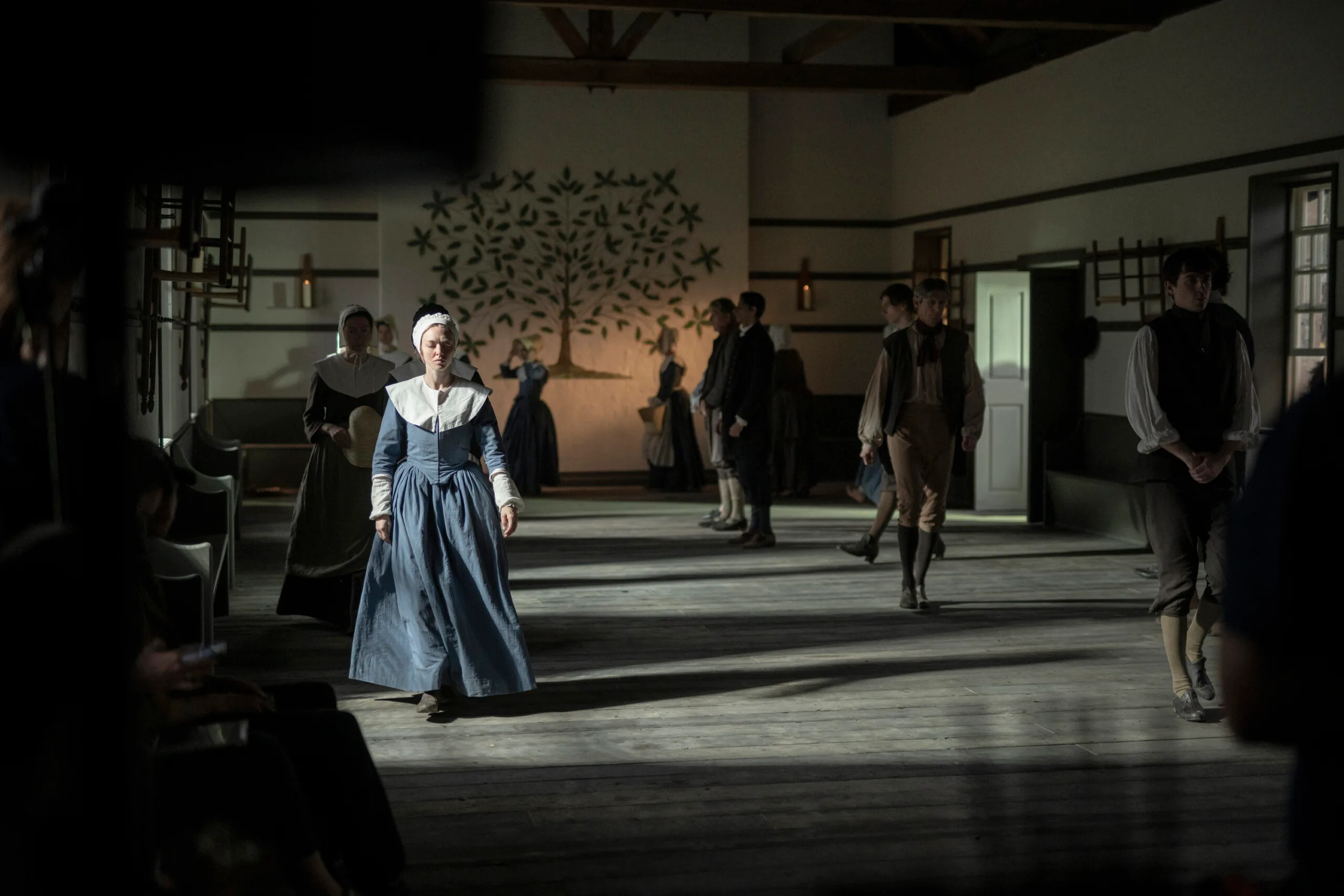
Due to their tenets of pacifism, many began to doubt that converts would ever join them. In fact, their colonial neighbours looked on them with suspicion, believing them to be spies for the British, or practising witchcraft. However, Mother Ann never wavered in her faith. On May 19 1780, the Dark Day, the sun seemingly didn’t rise or set. The unexplained darkness (now thought to be caused by forest fire smoke) led many to believe it was the end of days, which led many to convert to Shakerism.
The Shakers believe in shared property, collective labour, and gender equality. Men and women live separately but govern together. They deliberately paired leadership roles. Male and female elders share power.
For women, Shaker life offered something rare: autonomy. They could preach, lead, work, and exist outside marriage and motherhood as spiritually complete individuals.
Husbands and wives became brothers and sisters. Thanks to the tenet of celibacy, pregnancies were rare. And so, newcomers to the religion either converted to the religion, were born into it, or adopted by Believers.
At its height, the Shaker movement had 6,000 Believers across 19 communities in the United States.
Despite their growth, they continued to be persecuted, physically harmed and threatened for their beliefs. But true to their beliefs of forgiveness, they responded with “Love, more love,” says Brother Arnold.
As music and movement were an essential part of the Shaker’s worship, it was imperative that Mona and the film’s composer, Daniel Blumberg, crafted a soundscape that reflected the passion of their beliefs.
Originally billed as a musical, The Testament of Ann Lee is not Mamma Mia meets Jesus Christ Superstar. Although with Amanda Seyfried in the lead role, one might expect that.
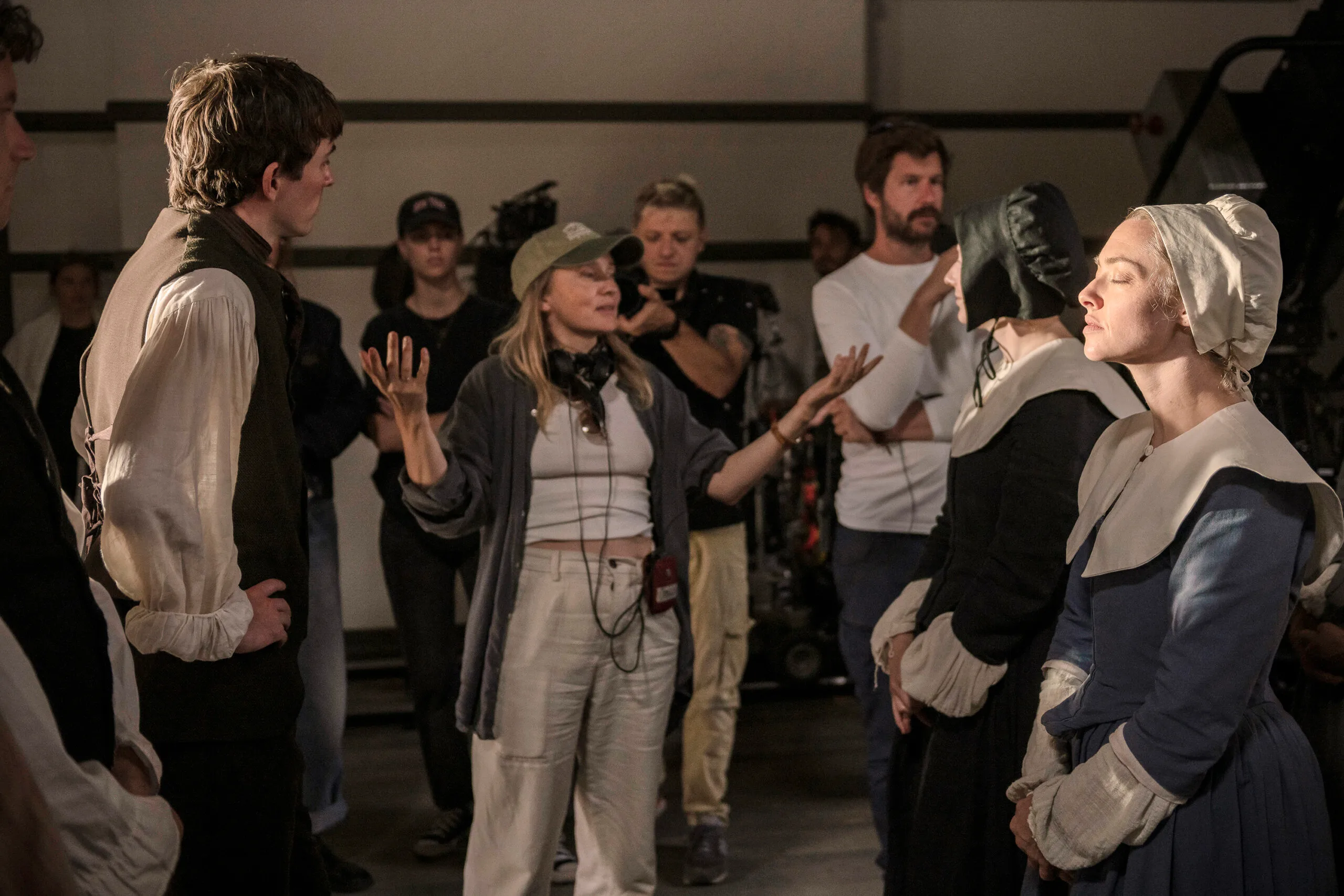
Shot in a dreamy 70mm film, it opens in a misty forest as women in 18th-century garb, their faces obscured by era-accurate bonnets, dance in unison to hums and chants. The original choreography and actual Shaker hymns inspired the music and dance in the film. Music and song permeate almost every minute of the film.
“Some of them are traditional Shaker hymns that have been reimagined by Daniel, and then some of them are completely original songs,” Mona shares.
The Shakers kept meticulous notes of their worship and even developed their own music note-taking style. Mona and composer Daniel scoured the Shaker music archives and worked collaboratively with Amanda Seyfried to create the right sound for the film.
“The first hymns were wordless, so that’s what we started with,” Mona explains. “I would send bits and pieces to Amanda, and she would try it out, send it back to us, and then once we found the pieces that we felt were right for the film, Daniel took them and started adapting them and playing around with them.”
This collaborative work is a mirror of the work of Mother Ann and the founding Shakers.
Ann Lee herself became a figure of myth: demonised by critics, sanctified by followers. She died in 1784, aged 48. Despite her extraordinary impact, Ann Lee was largely written out of mainstream religious and feminist histories. Today, just three Shakers remain, living at Sabbathday Lake in Maine, just as they did in the 1700s, and welcome all to 10 am meetings every Sunday.
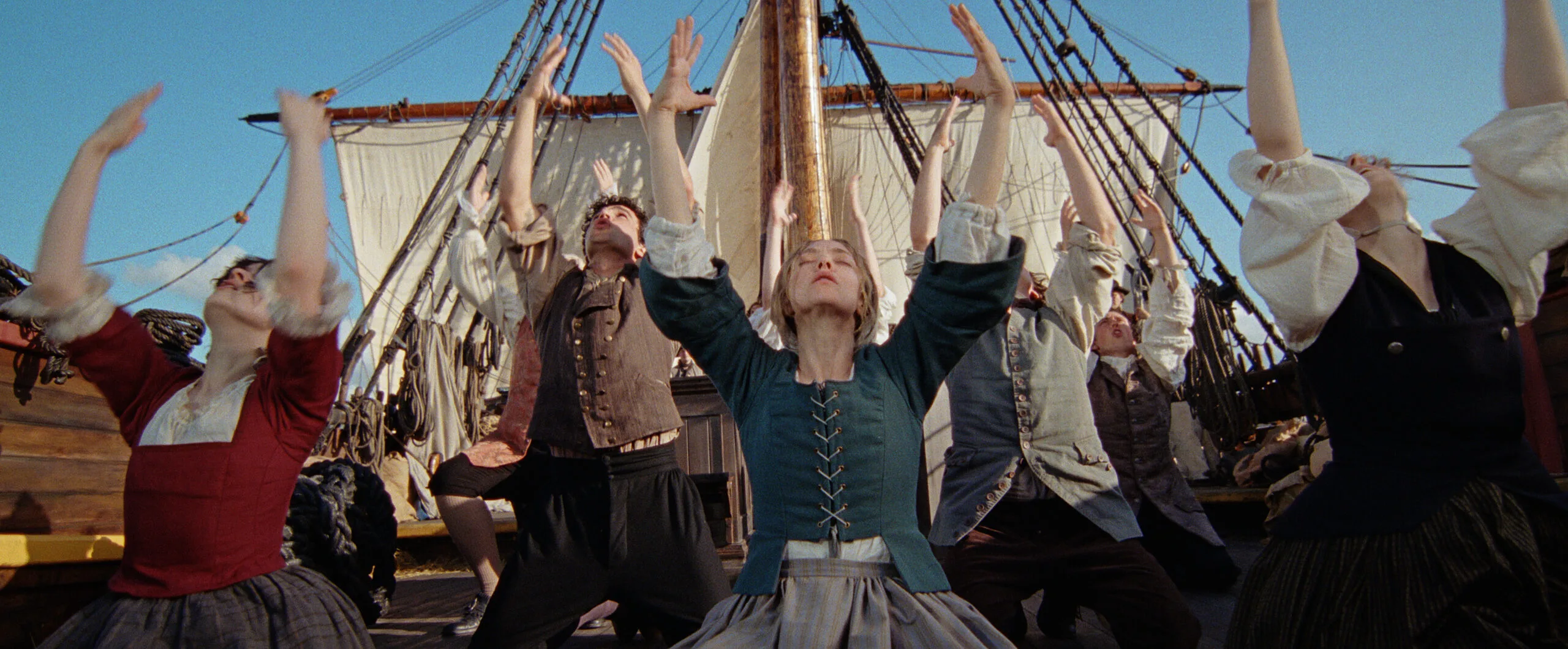
Through Amanda Seyfried’s portrayal, Mother Ann is reintroduced not as a religious curiosity but as a woman who dared to imagine a different world, one closer to God.
Amanda is a passionate, venerated force of nature as Mother Ann. However, she wasn’t a figure that Amanda was familiar with, despite growing up close to the original Shaker villages.
“I’m from Pennsylvania,” Amanda tells The Weekly. “ It’s bizarre just to be given this script and told about this woman who settled pretty near where I grew up and who started an entire movement that is now grounded in these incredible pieces of architecture and design. It really does not make much sense that someone so powerful and, at that time, such a feminist wouldn’t be written about.”
She stops and thinks, “But I think I know why.” Her working-class background, lack of formal education and association with a marginalised sect made her easy to dismiss to her contemporaries.
“It’s important that this story is told,” Amanda continues. “And there are a few artists in the world who want to tell her story. And Mona’s one of them, and she did it so beautifully. It totally honours her in a way that I don’t think many people could.”
The film, shot over just 34 days, portrays the story of her life and doesn’t shy away from the harshness and tragedy that Ann endured. Throughout the filming, Mona and Amanda lived together and became close. This support was needed during the long and gruelling shooting days, with afternoons spent recuperating in Hungarian saunas.
“Right off the bat, [Mona created] a space for really everyone to do their best work,” shares Amanda. “The set felt like a safe place. And there were some rough days, and there was a lot of emotional depth that I was experiencing between takes, just from being exhausted or missing my kids.”
There are some hard scenes in the film; it’s not an easy watch. Mona does not shy away from the more brutal experiences of Ann’s life.
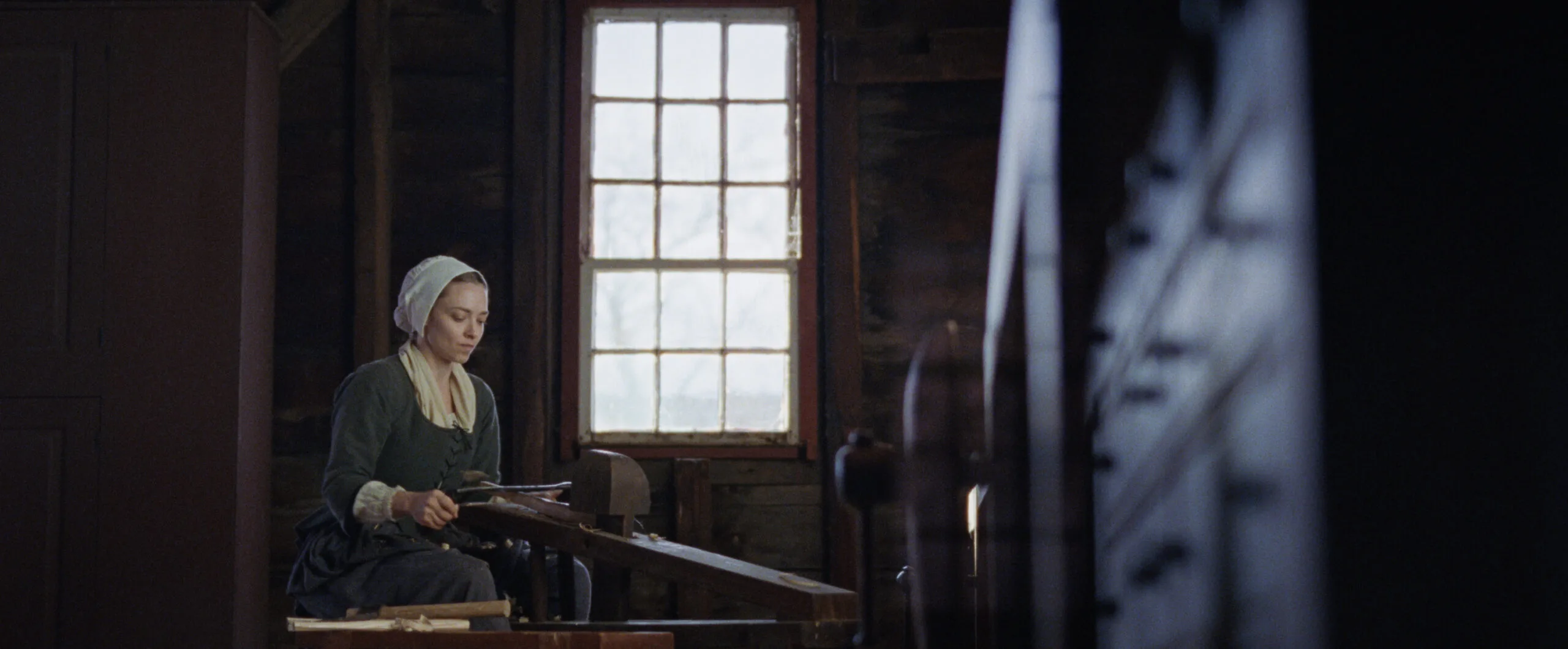
“[Mona] instinctively was a real guide, a real mothering, nurturing presence and leader. It’s just what Ann Lee represents and how Mona operates.”
One of Mother Ann’s teachings was “Hands to work, hearts to God.” She worked with her Church; labour with hands was part of the Shakers’ religious process. No one is above the work; we are all in it together.
“I think with everything that’s happening in the world right now and with the type of leaders that we are surrounded by, I think it is really important to have conversations about different kinds of leaders,” says Mona. “Leaders who can lead from a place of empathy and grace. I miss grace.”
“I miss Obama,” chimes in Amanda.
“When did grace go out of style completely?” Mona asks. “But that is something I would like to have conversations about right now. What is it to be a nurturing, mothering leader? An inclusive leader?”
“It’ll come back around, assures Amanda. “I mean, Ann Lee was a leader in a religious movement for almost 6,000 people back in the 1770s. So anything can happen.”
Like religious and political leaders, female directors are few in Hollywood, but their numbers are rising. Perhaps without realising it, Mona and Amanda have crafted a manifesto on the value of female leadership, in having a guide who is understanding and nurturing, strong and forthright, committed and enduring.
For centuries, history has been comfortable celebrating women who fit neatly into its margins. Saints who suffered silently, wives who endured dutifully, muses who inspired greatness in men. Far less comfortable are women who refused the roles assigned to them altogether. But as Amanda says, anything can happen.
“We have faith,” ends Mona with a smile.
The Testament of Ann Lee releases in Australian cinemas on Thursday, February 26, 2026.
This article originally appeared in the March 2026 issue of The Australian Women’s Weekly. Subscribe so you never miss an issue.

