




At a glance…
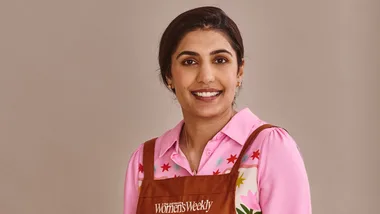
- Sunday Kitchen founder and Sofra cookbook author Karima Hazim is joining The Australian Women’s Weekly as a food contributor.
- Karima has won thousands of fans with her flavourful Lebanese cooking.
- She learned to cook in her mother Sivine’s kitchen, and wants to make Lebanese cooking accessible to all.
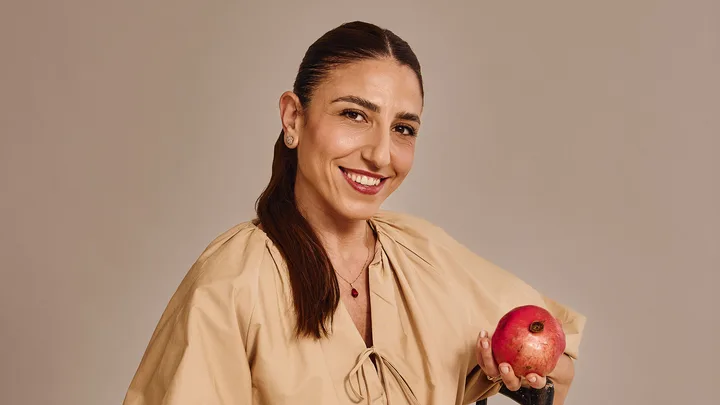
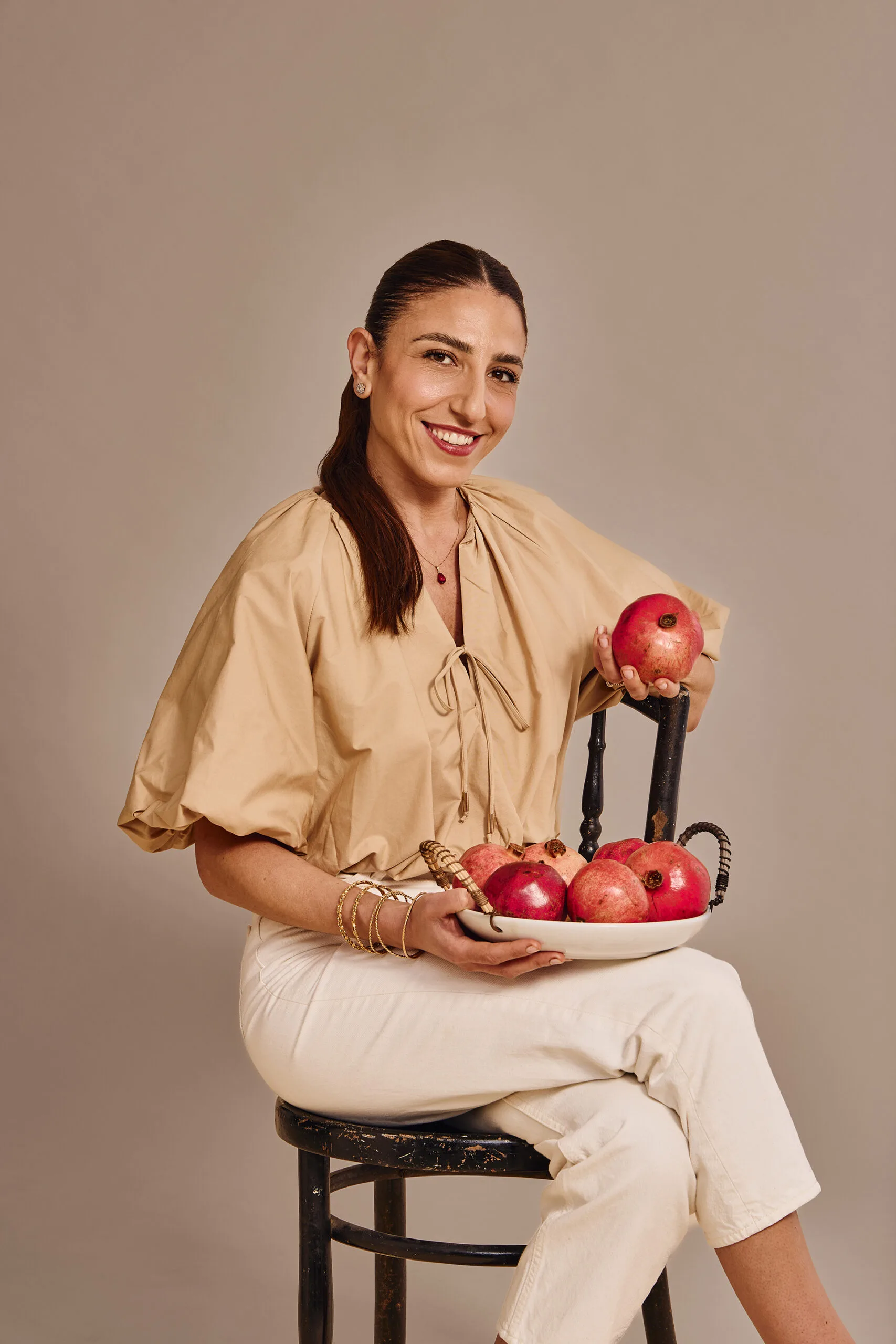
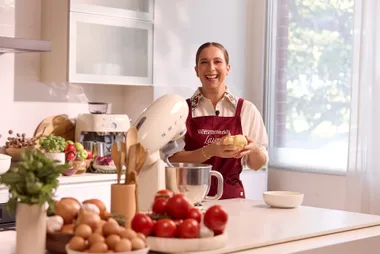
Since childhood, Karima Hazim has cooked with her mum, Sivine. Their Sunday Kitchen class and cookbook, Sofra, have won them many fans. Now, Karima brings her love of Lebanese cuisine to The Weekly.
Karima, welcome to The Weekly! Our readers may know you from the cooking school you run with your mother, Sivine. Can you tell us what happens at Sunday Kitchen?
We invite guests into our kitchen just as we would our home kitchen. I really didn’t want it to be about: here’s all the measured ingredients, here’s a recipe, and people have a one-dimensional cooking class experience. Every session is unique depending on who comes in and what our menu is. We really feed off the energy of the room. We do a lot of storytelling and tasting of ingredients, so people leave not only with an understanding of Lebanese recipes and cooking but also the migrant experience of people of all different nationalities. Then, we take them through a typical Sunday lunch. My mum put on the most beautiful Sunday lunches when we were growing up. The classes are inspired by that, so we make a collection of dishes.
You learned to cook by helping your mother. Can you share one of your earliest memories from her kitchen?
As Lebanese people, we celebrate Eid, Christmas and Easter. They are times we’d make these biscuits called maamoul. They’re semolina biscuits filled with nuts, and they’re very time-consuming to make, but they’re a very joyful sweet. I’d hear my mum very early in the morning. She’d have her stereo with music on. She would have started on the dough filling. You can really smell all the orange blossom and the rosewater. We’d spend the whole day baking hundreds of these biscuits because they’re really not a biscuit you would make 12 or 24 of! Then we’d package them on clear trays and wrap them in cellophane, and give them to neighbours and teachers. Everybody got to taste these maamoul.
What was it about those early experiences that awoke your passion for Lebanese food?
Cooking has always been a part of my life. Whether my sisters and I liked it or not, we had to be in the kitchen with Mum on the weekend to help. Once I did my fashion degree at uni, I learned a lot about storytelling and inspiration because when you’re designing a collection, that’s what you lean into.
When I had children, it became very important for me to cook for them the things Mum cooked for me. But I didn’t end up living in an area where there were lots of Lebanese shops around me. I only had a Harris Farm and Coles, and I realised I now have to make a conscious effort to make this a significant part of my life. I want to share the foods I grew up eating with them. It was always in me, but I really tapped into it after I had just given birth to my daughter. It all happened really naturally, and now I could not imagine doing anything else.
What was the first dish you mastered?
I remember from a very young age wanting to make beautiful breakfasts on the weekend. A Lebanese breakfast is quite elaborate. I would make a fava bean stew and an egg dish. These were all things I’d watched Mum do. I would have been a young teen. Putting all that together, that’s definitely a very early memory of cooking something. I’m still quite intimidated to cook for my mum.
Are you still learning from her?
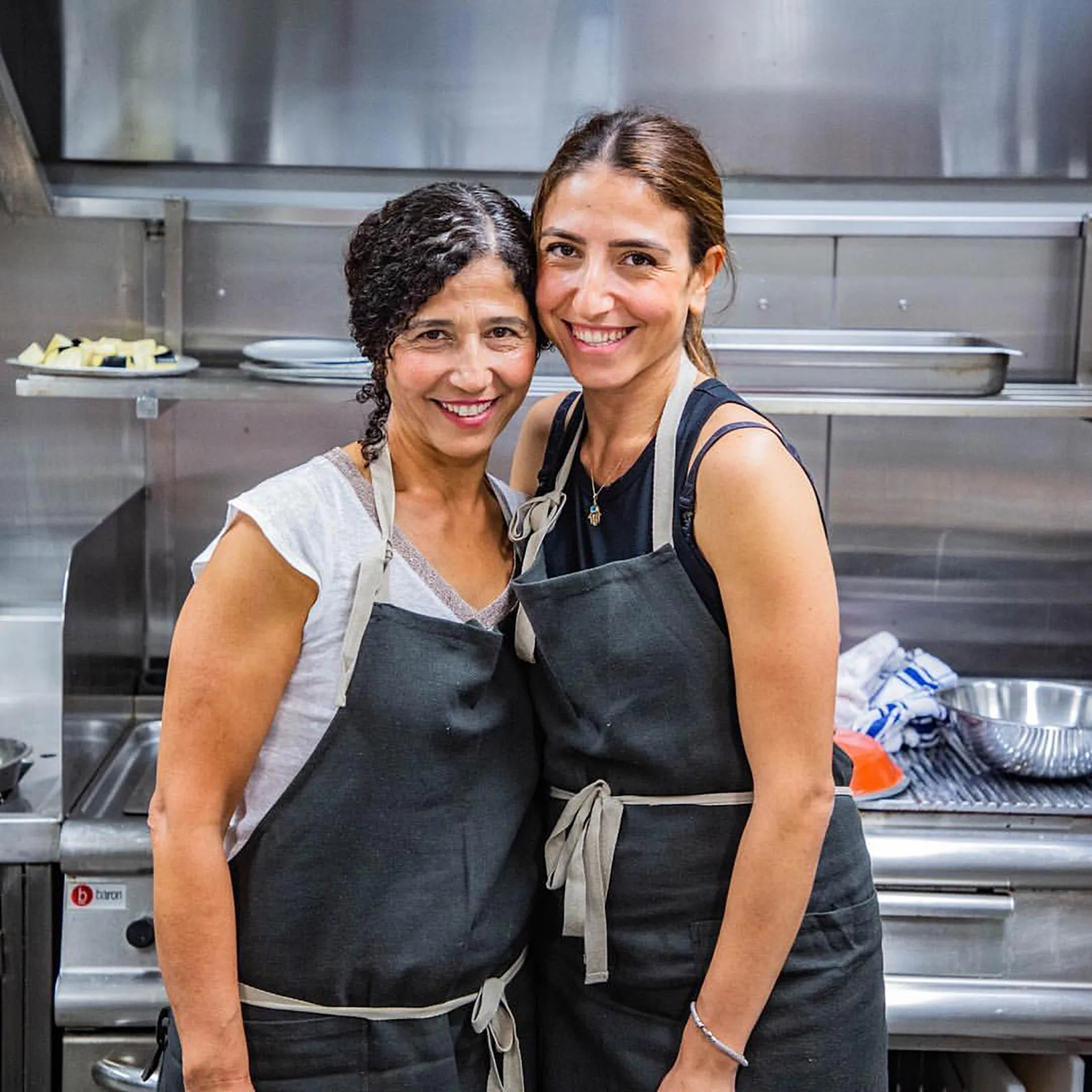
Absolutely, but what I’ve let go of is that I actually thought that if I cooked with her enough, my food would taste like her food. It never will, because we cook everything with our hands. In our cookbook, Sofra, I had to write a measurement called rashe, which means just enough to fill your hand. I had to measure that. It turned out to be about a quarter of a cup, but it really isn’t a measurement. The measurement is that you put your hands into the crushed wheat, and whatever gets collected is how much you put in. So, when someone cooks like that and only cooks like that, your food is never going to taste like theirs. My food now tastes like me. That’s my food. I actually love that.
Do you think you’ve taught your mother something?
I have taught her to try new things. I’ll say to her, “Oh Mum, we should make this!” And she’ll say, “No, we don’t make that.” So, then I’ll go and make it, because if someone tells me that we’re not making something, we’re going to make it. I’ll drop it off to her and she’ll love it. Then she’ll say, “Okay, let’s make that.”
What is your signature dish?
I have a very elaborate recipe for a fattoush. The reason I say elaborate is that what makes a salad a fattoush is the dressing. You can really put anything you want in terms of chopped vegetables. As long as you’ve got a few veg, some torn-up fried Lebanese bread and this iconic dressing, you’ve got a fattoush. But because we’ve got such a beautiful spring/summer in Sydney, I have all this inspiration at the grocer. It’s got rocket, purslane, fresh oregano, radish. There’s so much chopping, but the end result is this beautiful mountain of rainbow. I think that’s probably my most iconic recipe.
Are you teaching your girls to cook?
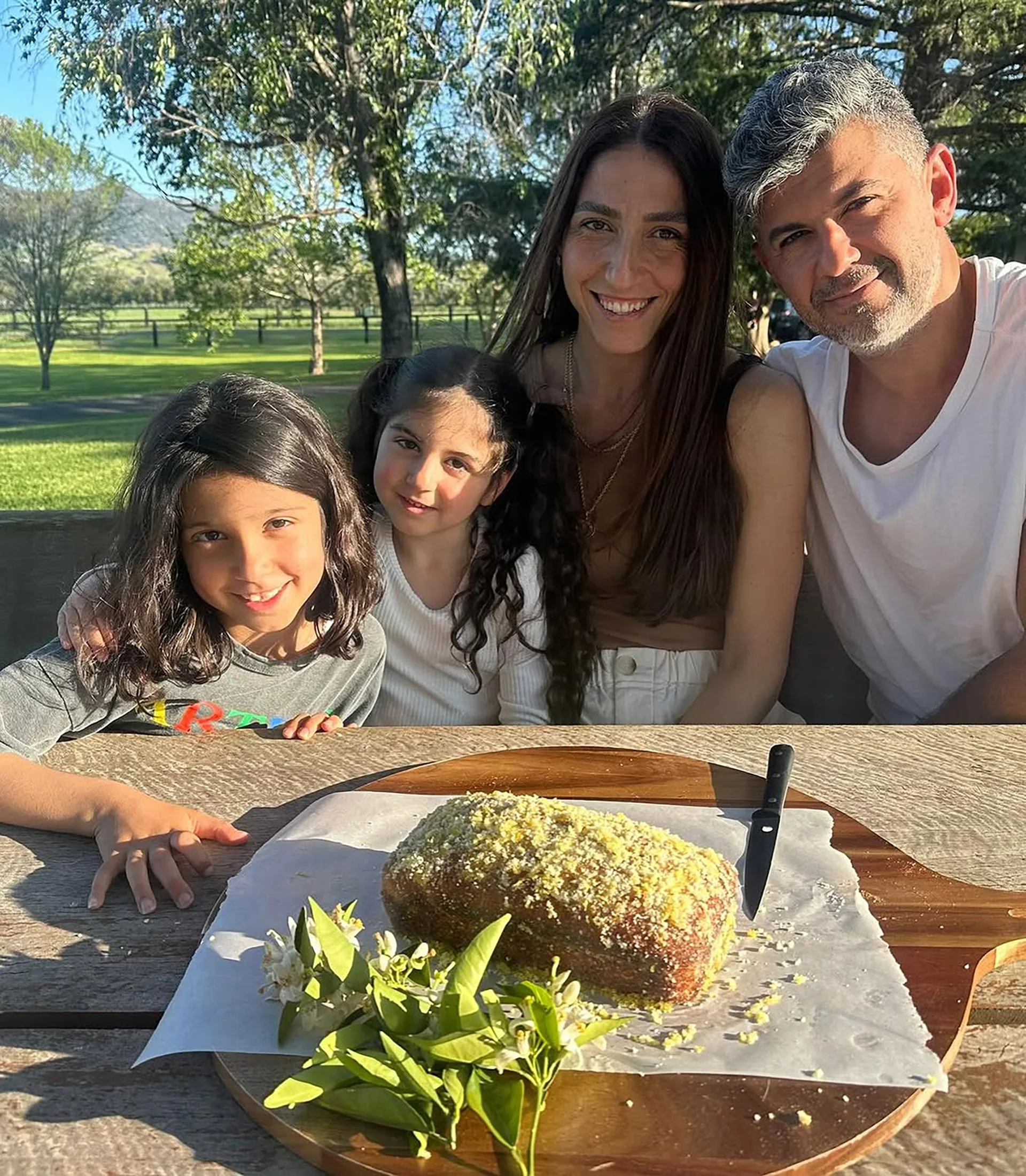
Definitely. They love it. Sometimes it’s like, “Mum, do we have to cook this much?” I’ll give them a big bag of beans, because we’ve got a dish that’s like stewed beans, and it’s 1.5kg they have to top and tail, and after a while they’re a little bit over it. But they just know that if Mum’s cooking, we have to help in some way.
What do you hope to bring to your role at The Weekly?
I hope to bring delicious recipes and insight into the Lebanese or Mediterranean pantry. Most people know how to cook pasta, how to stir-fry. I’d love people to look at Lebanese recipes in the same light, not see it as this tedious, weekend, elaborate-style cooking with exotic ingredients. It should be part of your weekly rotation.
See Karima’s masterclass
For exclusive access to Karima’s masterclass, become a member of My Women’s Weekly, your home for curated meal plans and more. Become a My Women’s Weekly member today.
Check out her Chicken Shawarma recipe here.
This interview originally appeared in the October 2026 issue of The Australian Women’s Weekly. Subscribe so you never miss an issue.


Share this post