




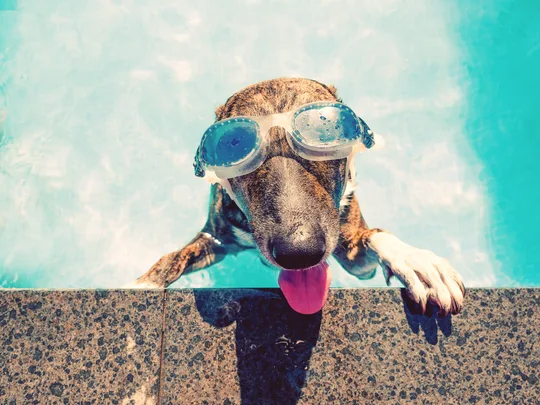
As Australia’s summers get hotter and heatwaves more frequent, pet owners face a serious responsibility: protecting our animal companions from extreme heat. Just like people, pets can suffer from heat stress and heatstroke — conditions that can quickly become life-threatening without proper precautions.



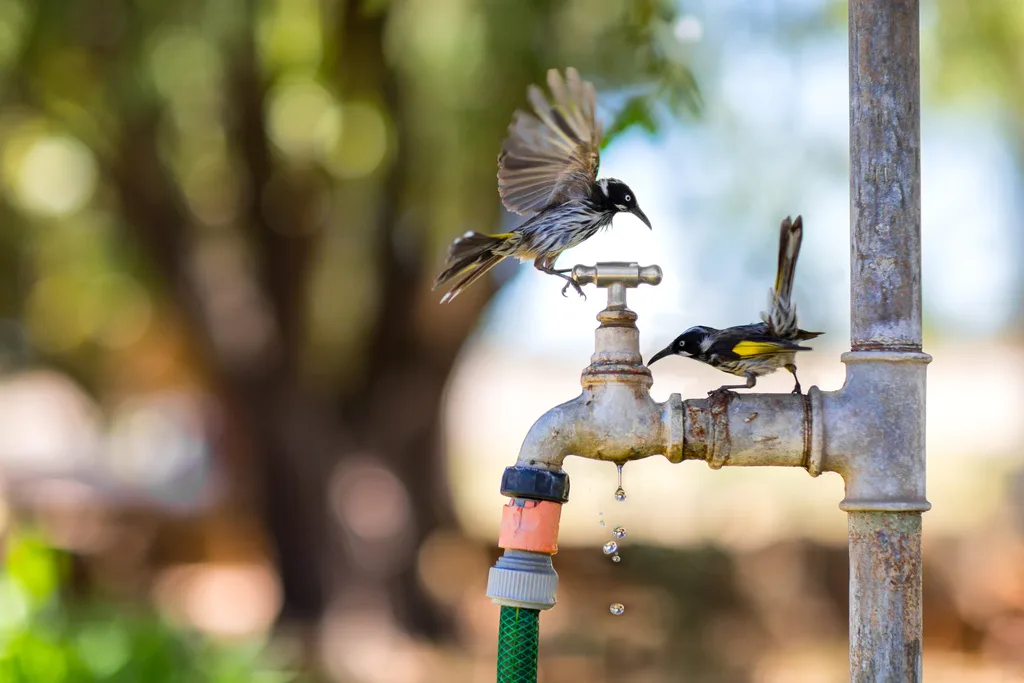
And this goes beyond our pets; we should consider the other animals in our area, from birds to bilbies. With extreme heat comes drought, and with dried-up water sources, our native wildlife can suffer. Leaving out shallow dishes of fresh water in shaded garden spots can help birds, lizards and small mammals cope with soaring temperatures.
Why is extreme heat dangerous for pets?
Animals rely on different mechanisms than humans to regulate their body temperature. Dogs, for example, can only sweat through their paw pads and mostly cool themselves by panting. This can quickly become inefficient when the temperature climbs.
Cats, rabbits, guinea pigs, birds and other small pets are also vulnerable because they can overheat far faster than we might expect. To be fair, they are walking around in fur coats that they can’t take off.
Heatstroke isn’t just uncomfortable; it can lead to organ failure and, in extreme cases, even death.
Certain flat-faced dog breeds, like pugs or bulldogs, can struggle more to breathe and cool themselves down. Also, smaller animals like rabbits or guinea pigs can heat up quicker than larger animals. Furthermore, senior, very young, or overweight pets are less able to regulate their body temperatures.
Symptoms of overheating can include:
- Heavy panting
- Drooling
- Weakness
- Vomiting
- Loss of appetite
- Collapse
- Confusion
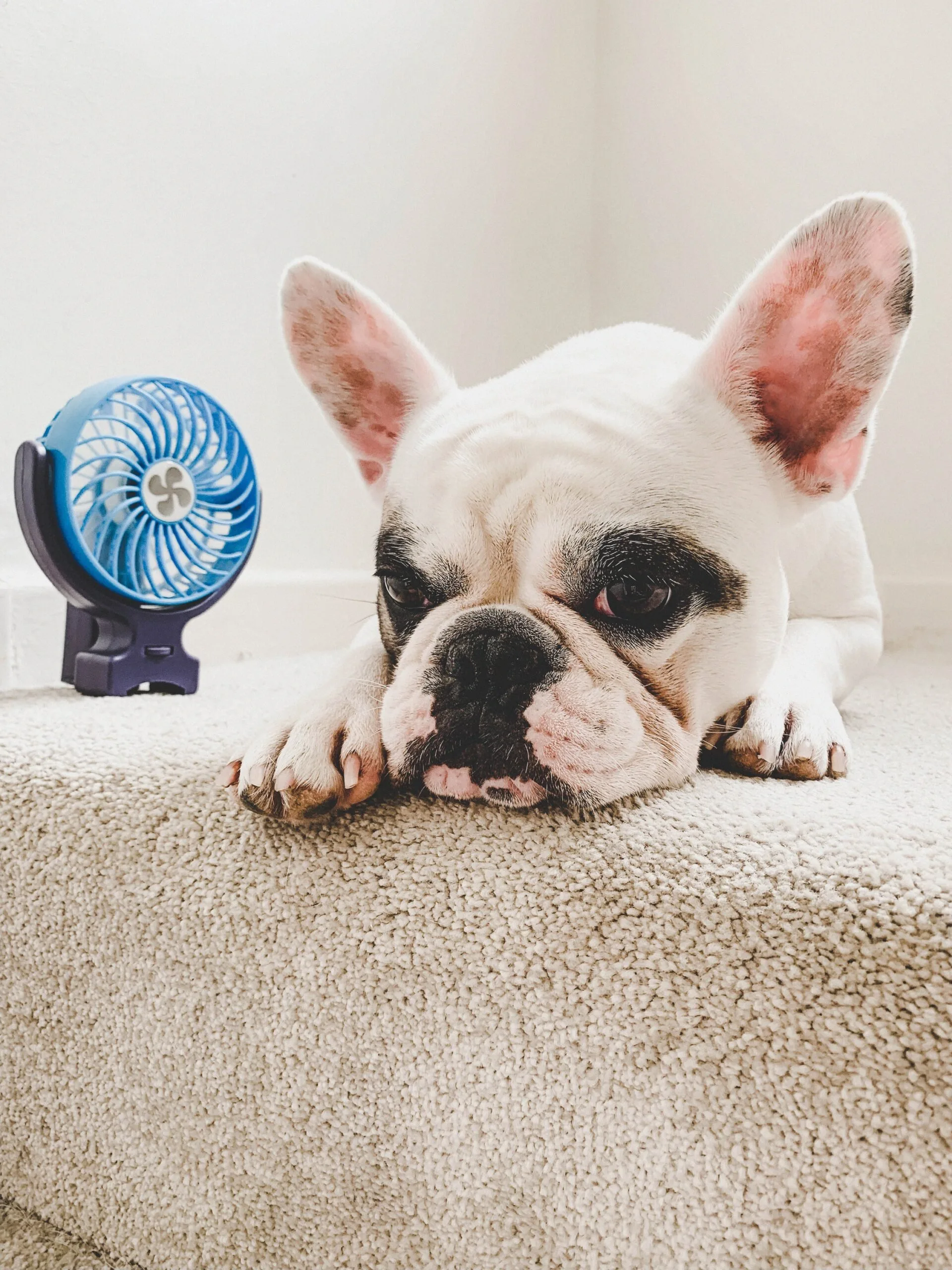
If you notice these signs, move your pet to a cool place immediately, put on a fan to help them cool down, apply cool (not ice-cold) water to their coat, belly and paw pads, offer small sips of water, and contact a vet. Heatstroke can escalate fast.
How to keep your pets safe in a heatwave:
Keep your pets hydrated
Water is your pet’s best defence. Always have fresh, cool water available, and check often that it hasn’t warmed up or been knocked over.
To help keep your neighbourhood birds safe, consider putting out some water in a low dish in your outdoor space.
Keep your pets in the shade
If your pets are outside, they need ample shade throughout the day. As the sun moves, so should the shade. A static shelter isn’t enough. Make sure outdoor kennels and hutches are protected and well-ventilated.

On extremely hot days, bring your pets inside, especially if you have air conditioning or good airflow with fans. It can make a huge difference.
Time your walks
Avoid walking dogs during the hottest hours of the day. Early morning or late evening outings are far safer. Hot pavements or asphalt can burn paws.
If you’re unsure, a good rule is that if you can’t comfortably hold the back of your hand to the ground, it’s too hot for your pet.
In fact, if it’s very warm, consider skipping strenuous exercise in the heat. Instead, offer cool indoor play or very gentle activity during the cooler parts of the day.
PETA Australia also suggests fun cooling tools like wet cooling mats or vests, and shaded paddling pools.
Never leave pets in cars
Just like how we shouldn’t leave humans (babies or otherwise) in a car during a hot day, we should never leave a pet inside a car with no ventilation.
Even with windows cracked open or parked in shade, the inside of a car can reach fatal temperatures within minutes. According to the RSPCA, this is the most common and preventable cause of heat-related deaths in pets.

