




It’s impossible to live in this world and not generate any waste. Some have tried. Influencers have gone viral for not buying anything for a year, minimalism became a massive trend from the 2010s onwards, and pretty much everyone you know has a pantry filled with reusable water bottles and coffee cups.
However, when you look at the state of things, you can quickly become overwhelmed with the sheer amount of stuff we have created and discarded on our planet.
So what can we do? Of course, as individuals, we can only make small impacts. Large corporations and governments need to work together to reduce the impact that our waste has on the environment. But if you’re wondering if there are simple sustainability swaps you can do to reduce your waste, here are some tips from The Weekly’s team.
Ways to reduce your plastic use
If you’ve ever asked yourself, when did everything start being made of plastic, you might be surprised to learn that the plastic boom only really happened from the 1970s onwards.
Following World War II, there was a consumer trend for disposable goods, for convenience. This accelerated during the 1950s and 60s. But things absolutely surged in single-use plastic packaging in the 1970s and 80s. At the time, there was even a plastic clothes trend, which eventually evolved into polyester clothing. But models were literally wearing plastic pants. Can you imagine the heat?
Nowadays, people are rethinking how to use plastics in their everyday lives. “Microplastics” is a dirty word in the health and wellness spheres, and reusable is now the name of the game.
Cutting down plastic doesn’t require a zero-waste lifestyle; it’s about targeting the items you use all the time and swapping those first. That’s where you’ll see the biggest impact with the least effort.
Sustainability swaps in the shops
Opt for loose fruit and vegetables instead of prepackaged. This has the added benefit of you being able to select the fruit you want, but also, fewer soft plastics for you to either chuck out or find ways to recycle (which is getting rarer and further between).
If you don’t like the idea of a loose potato at the bottom of your shopping bag, there are reusable net bags you can purchase, which are made of sustainable fibres like cotton, hemp, or bamboo. I have a couple that I actually use for washing my delicates in the washing machine.
Buy in bulk if you can. There are speciality shops dotted around the country that offer customers the option to refill jars or bags with dry goods or cleaning products. However, they aren’t accessible to everybody, especially in the current cost-of-living crisis. Instead, by buying in bulk where possible, not only do you end up with less plastic overall (than if you were buying a smaller bag of rice a week), but you could also make some cost savings.
And as always, bring a tote bag! I have a bag filled with bags that has replaced the plastic bag filled with plastic bags in my kitchen.
Our top picks:
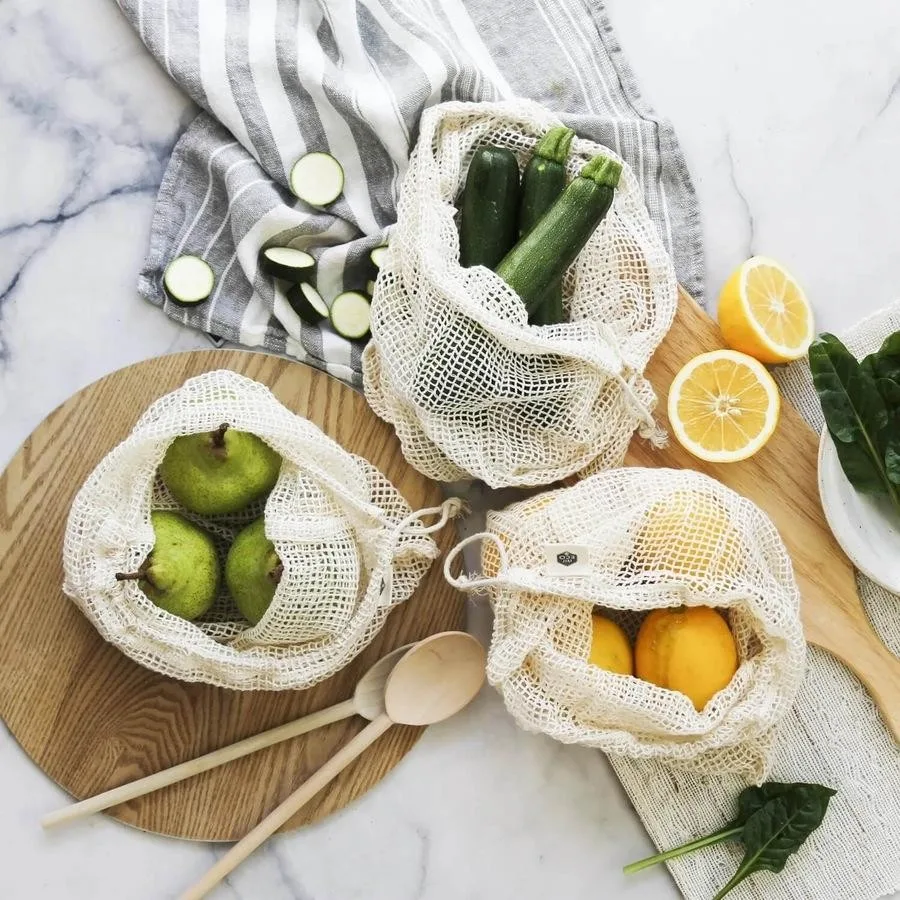
Organic Cotton Net Produce Bags
$19.95 at Big W
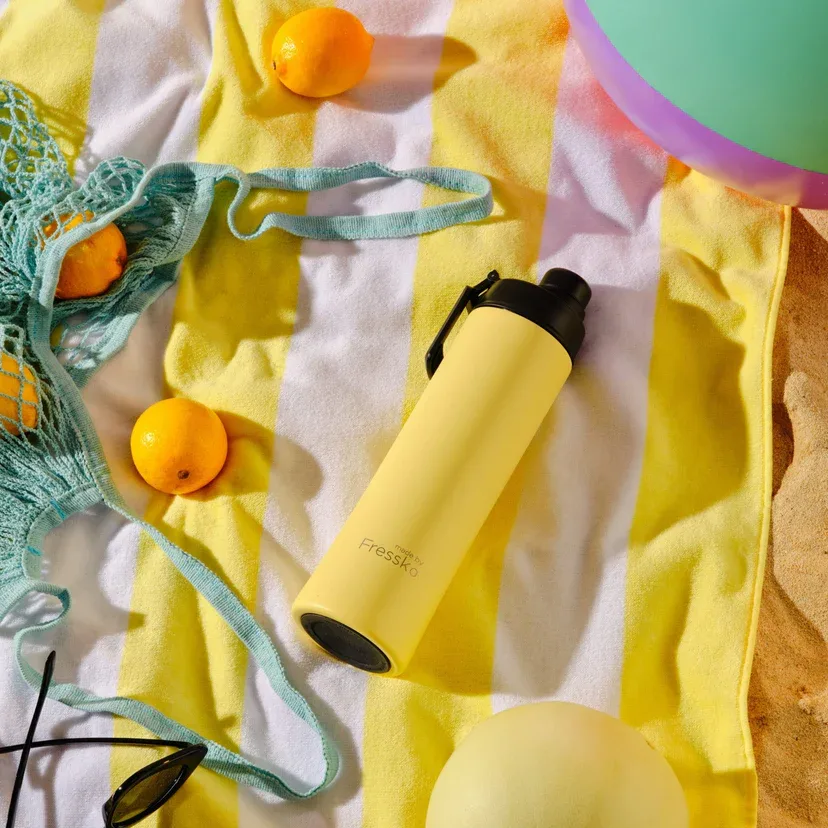
Fressko MOVE 660ml drink bottle
$54.95 at The Iconic
In the kitchen
One of the first, and arguably hardest sustainability swaps, is to consider ditching cling wrap. As someone who used to work in a kitchen, ditching cling wrap was a difficult journey for me to go on. We used it for reheating and preserving leftovers. My partner and I switched to beeswax wraps, and they are usually great for the first few months, but they do lose their usefulness as the beeswax wears off.
Now, the very organised among you could make your own with beeswax and cotton material, but I don’t have that kind of brain space or time. Instead, I reuse glass jars and glass or metal lunchboxes or even plastic ziploc bags or tubs from takeaways (including from The Weekly’s kitchen). Just because it’s plastic, that doesn’t mean it’s bad. If you reuse something, that’s better than discarding it after one use. But if you do want to reduce your plastic in the kitchen, you could opt for reusable silicone bags.
Other sustainable swaps to consider could be ditching the plastic scribber for a natural alternative made of coconut fibre. For the very ambitious, you could start growing your own luffa tree and harvest the natural sponges!
Our top picks:
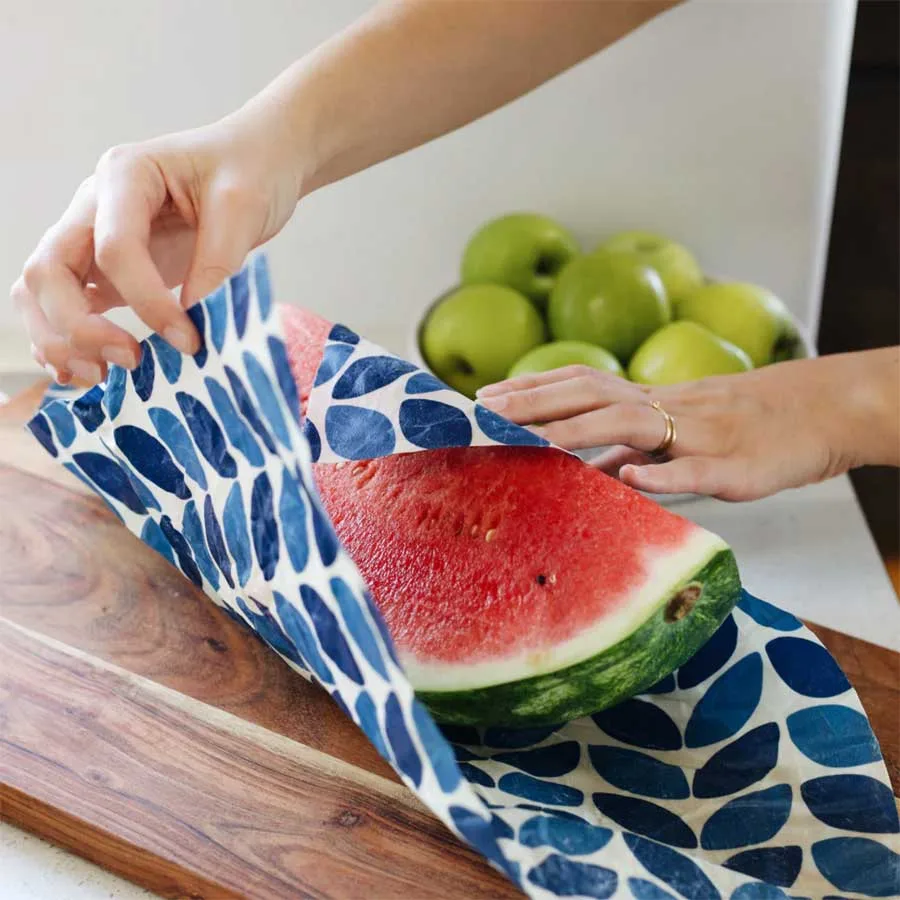
Honeybee Beeswax food wraps (pack of four)
$39.95 at Biome.
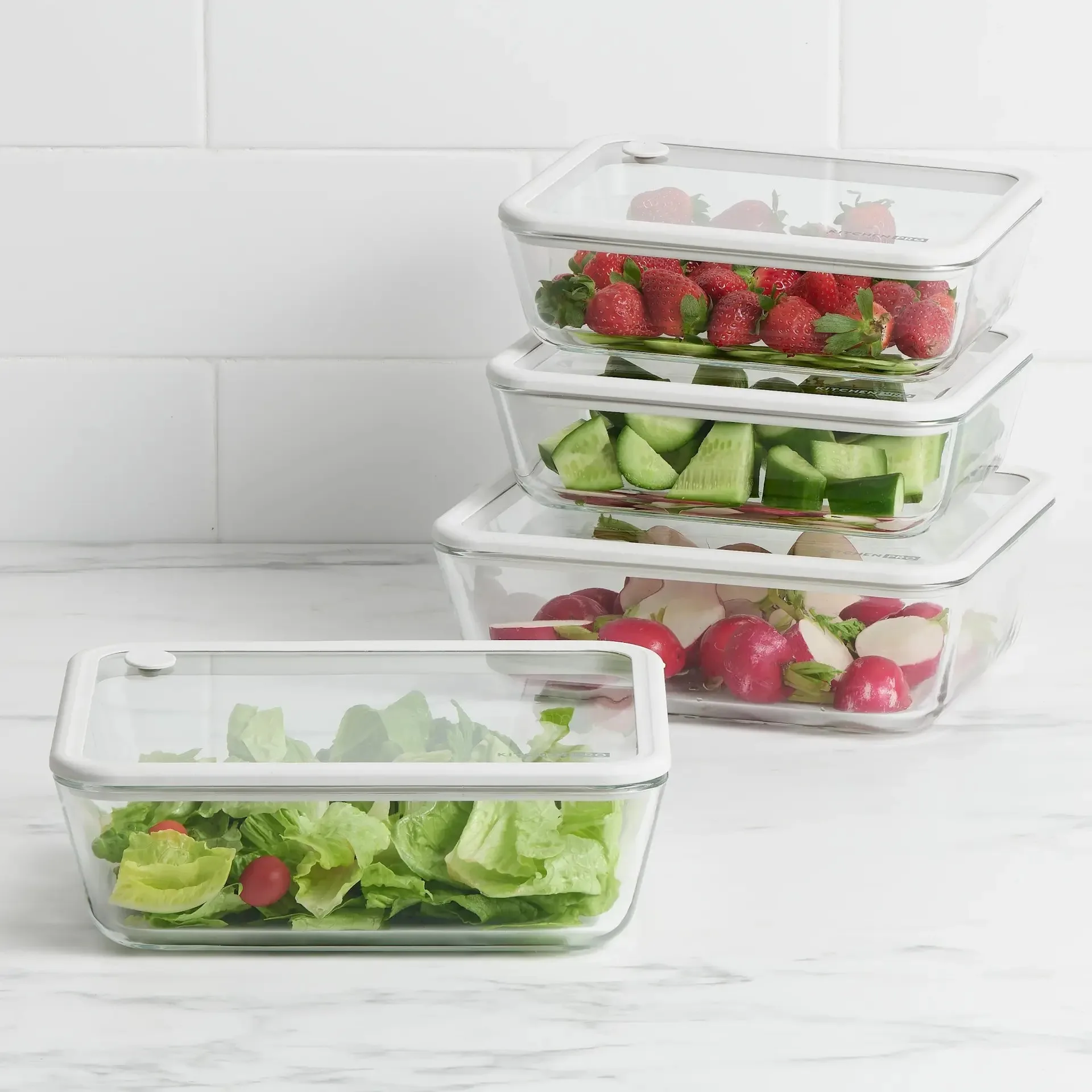
Kitchen Pro Airlock Rectangular glass container set
$49.95 at Kitchen Warehouse
In the bathroom
Last year, in an effort to reduce my plastic use, I stopped buying liquid soap bottles. My partner and I started using a refillable one and bought the liquid soap and everything. But it was so annoying to clean. Instead, I went back to what I used in my youth: Soap. And I love it. I now have a lovely soap dish that is much easier to clean and just as effective.
Years ago, in an effort to reduce my overall waste, I swapped cotton pads for homemade cotton wipes. My partner was chucking out some 100 per cent cotton t-shirts. They weren’t good enough to sell or donate, but I saw potentially. I followed a tutorial online and made some reusable pads that are perfect for removing makeup or cleaning with micellar water.
In the same endeavour, I started using reusable cotton pads for my period. I find it amusing that, as a teenager, I baulked at my mother telling me how the nuns in her boarding school made the students wash the period rags they all had. And now, here I am doing the same thing with my soap and reusable cotton pads. And the sun bleaches them dry, so they don’t stain easily. Reusable pads are a better sell for me, as I don’t like tampons, diva cups or period underwear. But at least I have found an option that works for me and is sustainable.
For the truly ambitious looking for sustainability swaps, there are options out there for shampoo and conditioner bars that can replace your regular shampoo and conditioner. Plus, stainless steel razors can replace your plastic disposable razors.
Our top picks:
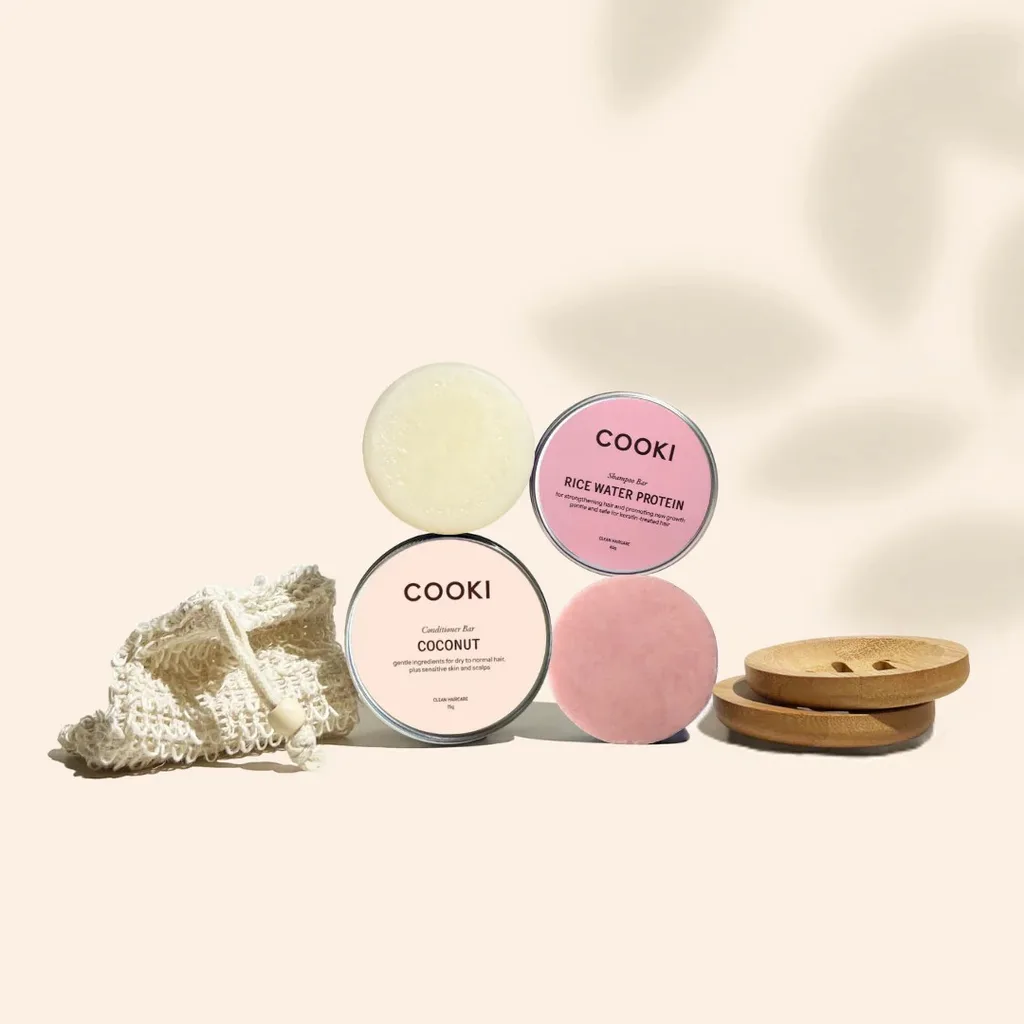
Rice Water Protein & Coconut Bundle$66.95 $55.99 at Cooki
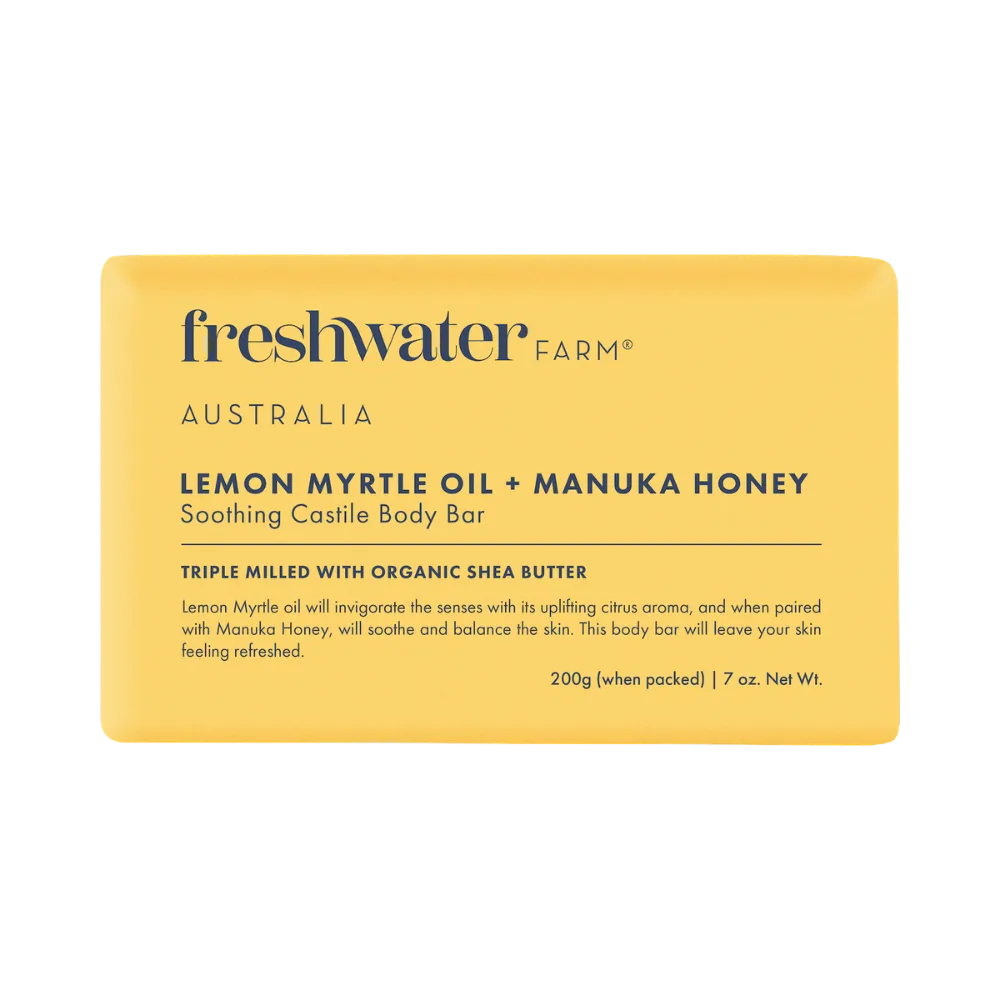
Freshwater Farm Lemon Myrtle + Manuka Honey soap
$4.80 at Woolworths

Related stories
Home hacks that are easy on the environment and the budget
Native ad body.