




At a glance…
- Hallowe’en or Halloween has its roots in the ancient Celtic festival of Samhain, celebrated more than 2,000 years ago in Ireland and other Celtic regions like Scotland and the Isle of Man.
- Long before costumes, lollies and carved pumpkins, Halloween was steeped in supernatural folklore, ancient rituals and traditions.
- The Weekly‘s Irish Digital Editor explores the fascinating history of Halloween and why she believes Australians should embrace the spooky holiday.
There are many things that are difficult to get used to in Australia – experiencing moth plagues and wildly fluctuating temperatures in spring come to mind – but for many former Northern Hemisphere dwellers, it’s the seasonal changes that are most impactful. Warm Christmases? Just wild. But there’s another holiday that often goes under the radar: Halloween.
I was surprised when I first moved here that Halloween was seen as an American holiday and relegated mostly to children’s parties and themed lollies in Woollies. However, it is true that the holiday appears to be becoming more popular. That being said, there’s a lot more to the ancient Celtic festival, which originates from my homeland, than may first meet the eye.
Let’s dive in.
Halloween in Irish (Gaeilge) is Oíche Shamhna (in my dialect, we would pronounce it ee-ha how-nah), literally “Night of Samhain” or “Samhain’s Eve. Samhain (pronounced sow-in) is one of the four primary Celtic festivals celebrated in Ireland (also celebrated in other Celtic regions like Scotland and the Isle of Man). The others are Imbolc (or Imbolg, pronounced im-bolg) in February to celebrate spring, Bealtaine (also Beltane, pronounced be-al-tin-a) to mark the start of summer in May, Lughnasadh (also Lughnasa and Lunasa, pronounced loo-na-sa) in August to celebrate the start of the harvest season, and Samhain, which marks the start of winter. It’s the time of the year when trees are bare, plants wither, animals hibernate, and nature appears to die. Due to harsh conditions – and the lack of modern conveniences – it was the time of the year when many died. People came to believe that it was a time of death and ending.
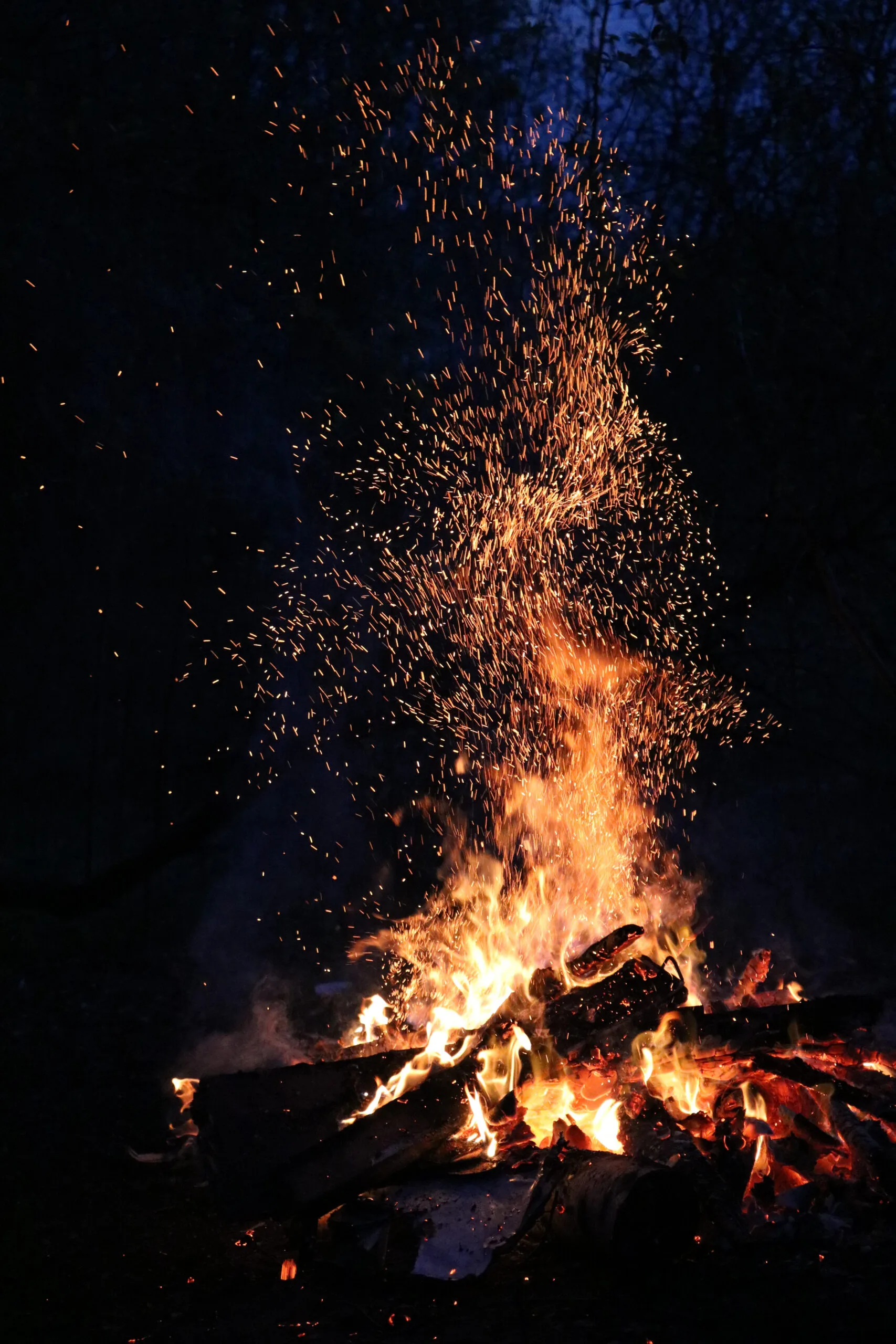
Specifically, on Oíche Shamhna/Halloween, it was believed that the veil between our world and the otherworld – where the Aos Sí (eesh she), aka supernatural beings like fairies, and souls of the dead exist – became thin, which meant that those otherworldly beings could pass into our realm. So to ward off the spirits – which could be unkind, steal and switch babies, and other nasty business – people would light large bonfires, offer food to the spirits and wear masks of animal skins to disguise themselves from wandering spirits. This was the precursor to costumes and trick-or-treating. However, if you wanted to invite a recently deceased person home, you would set a place for them at the dinner table in respect.
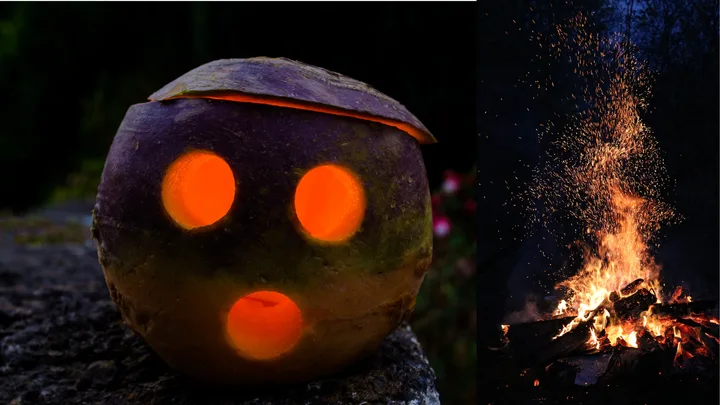
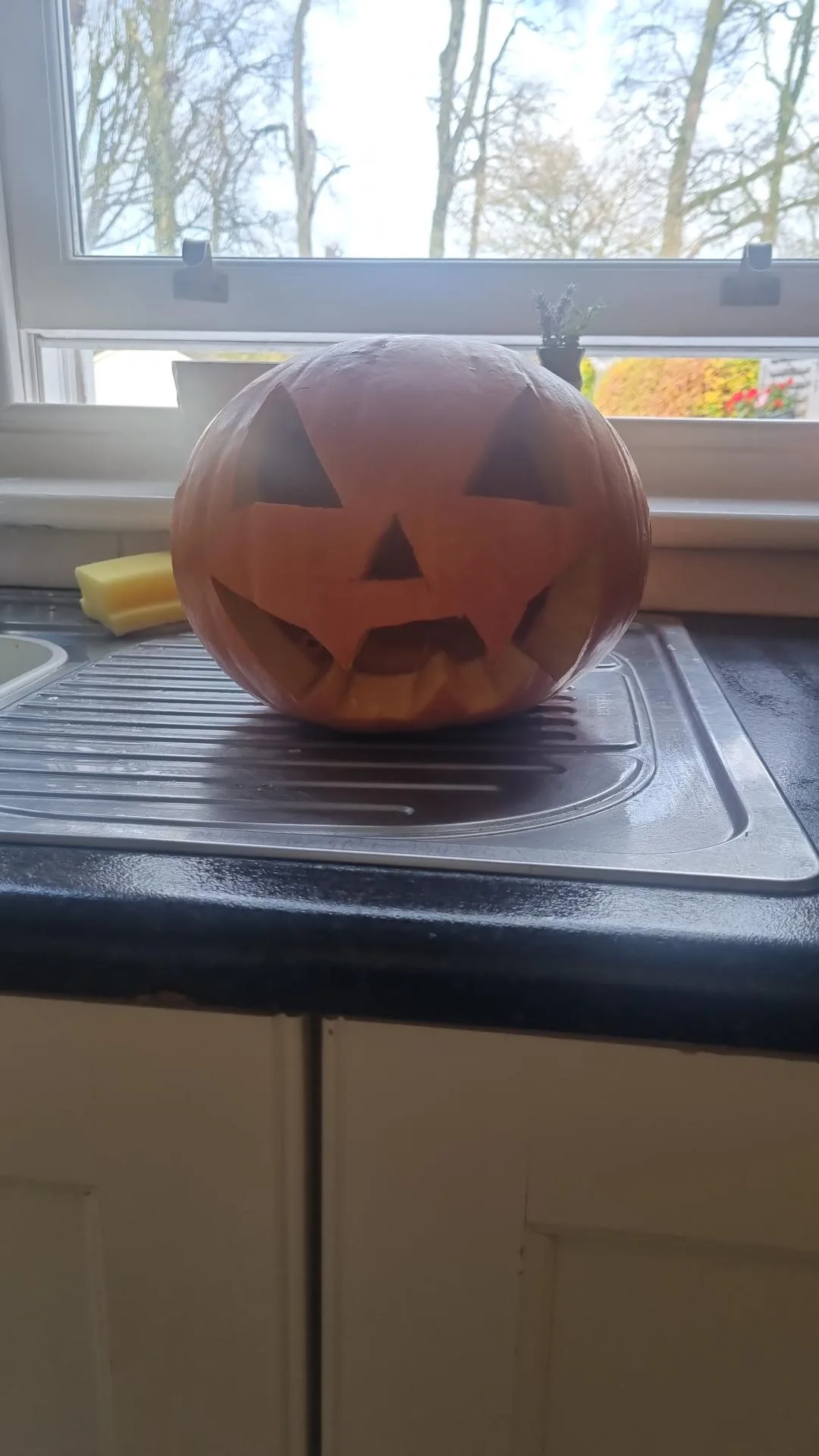
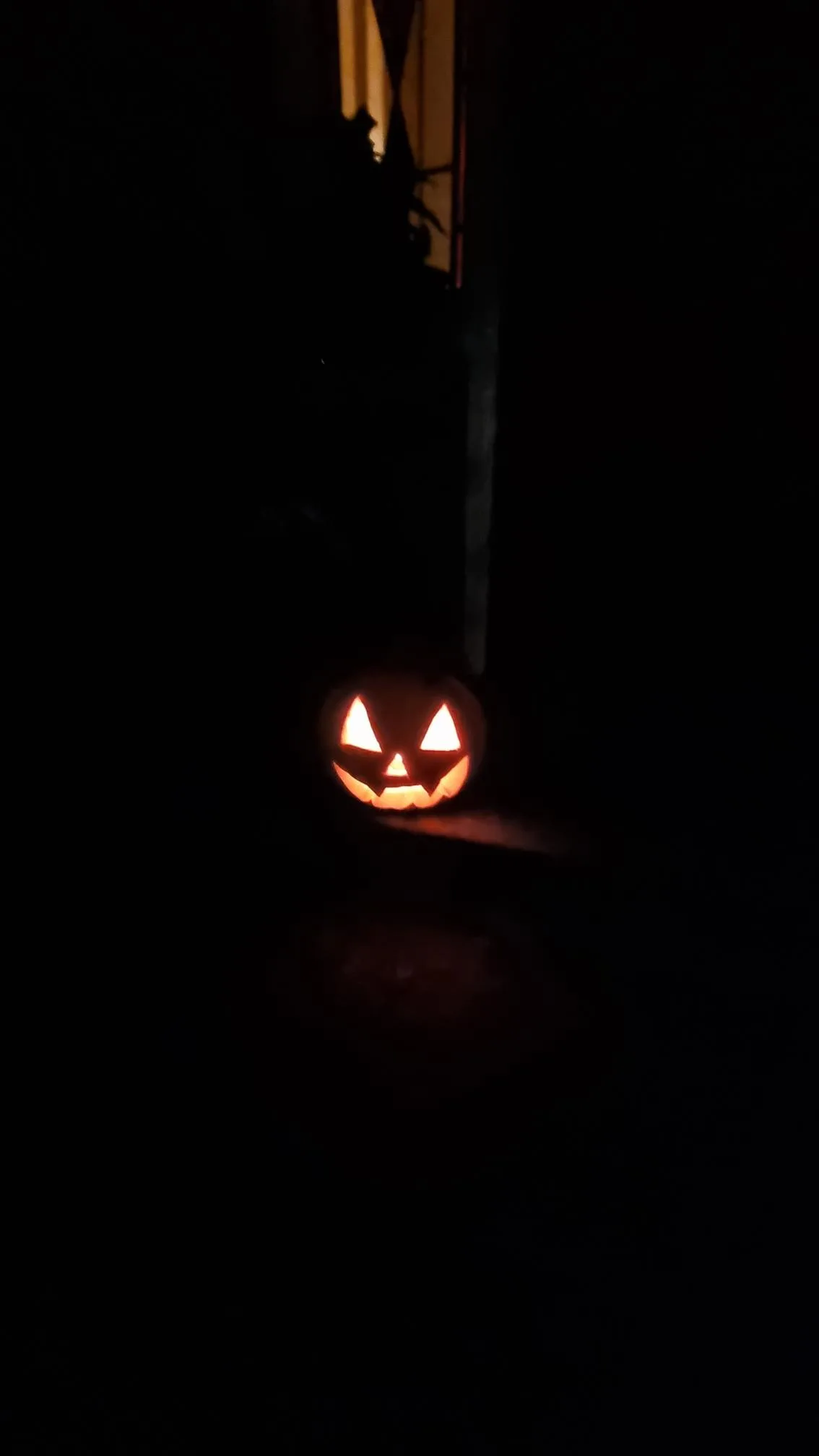
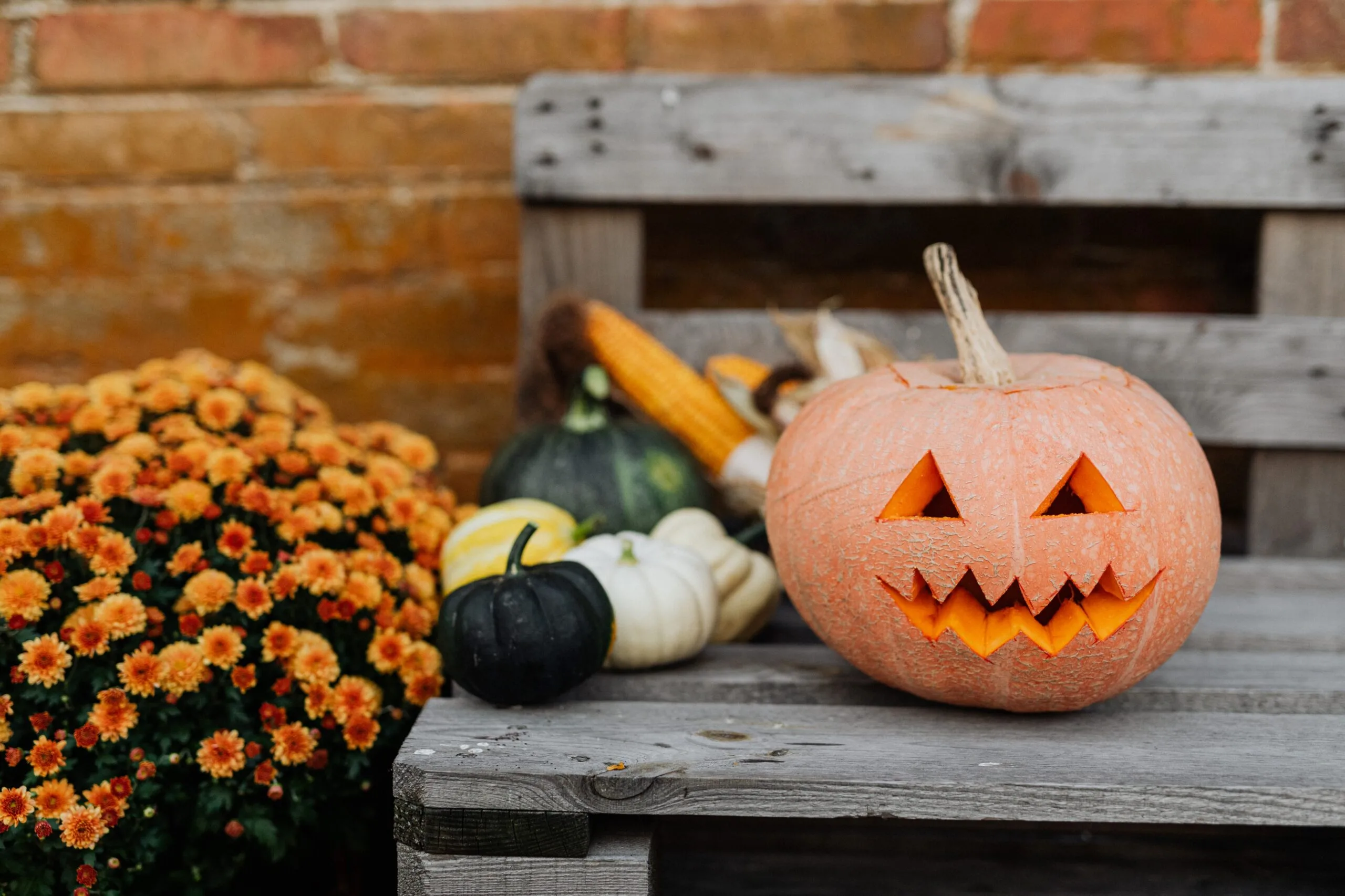
Another popular tradition was to carve scary faces into hollowed-out turnips (no pumpkins in ancient Ireland). One year, my mother attempted to be “traditional” and carve out a turnip. It took hours. No thank you, pumpkins are so much easier; society made a good call with that one. Plus, nowadays we grow hollowed pumpkins anyway! The name “Jack O’Lantern” comes from an Irish folktale about ‘Sting Jack’; as it’s a folktale, there are many different versions, but this is the one that I know.
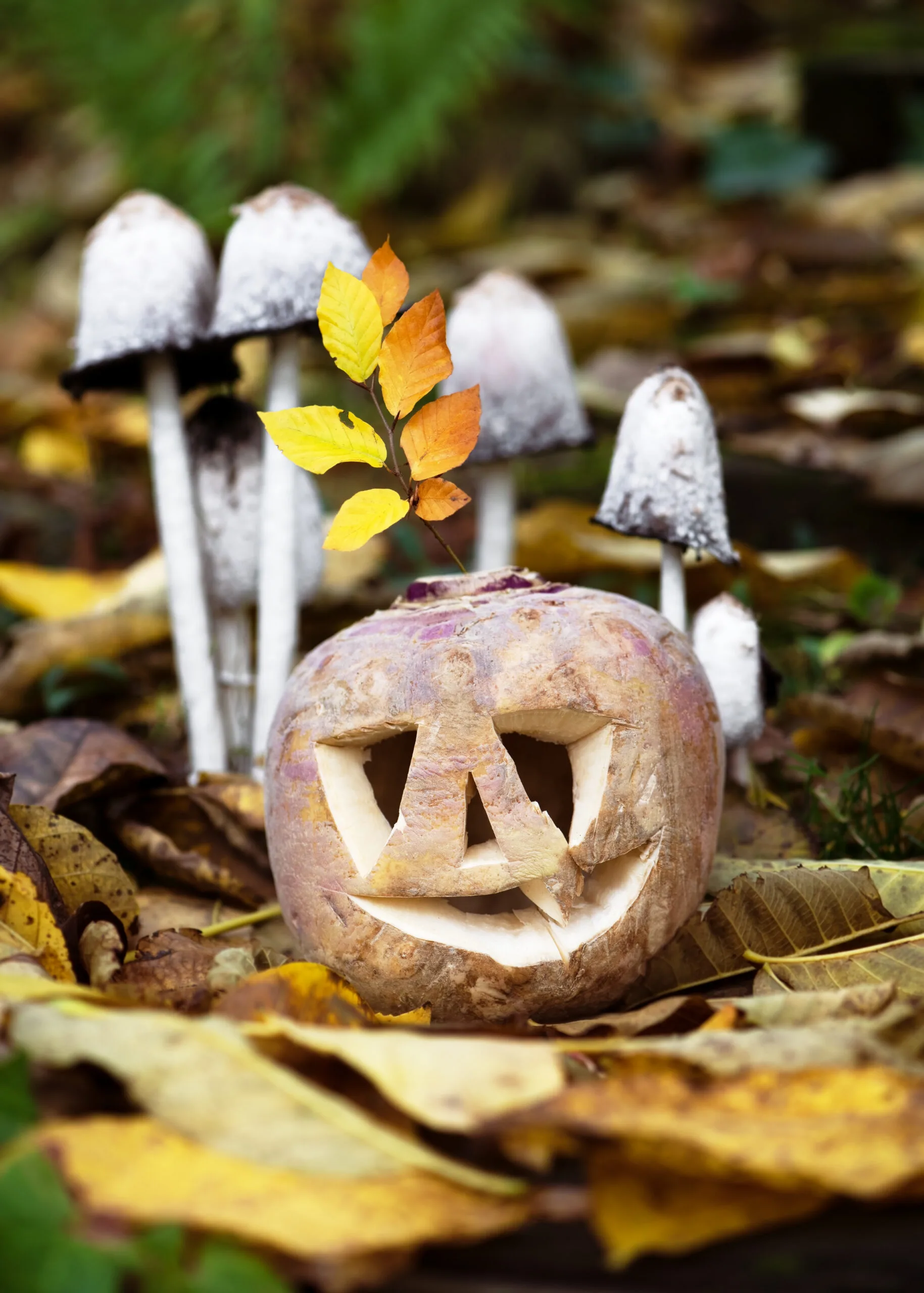
Stingy Jack was the town drunkard and trickster who constantly manipulated his fellow villagers and wouldn’t ever pay back his debts (hence the stingy part). One night, a dark figure came into the village to see if Jack deserved his reputation. Realising he was Satan and out for his soul, Jack invited him to have a drink at a local pub. True to his moniker, Jack didn’t want to pay, so he convinced Satan to transform himself into a silver coin so Jack could settle their bill. Satan, not wanting to be seen as impotent, does so, but Jack doesn’t use it to pay; instead, he pockets the coin. But inside his pocket is a silver cross which prevents Satan from turning back. Jack eventually releases him once Satan promised not to bother him for a year and not to claim his soul.
Satan returned a year later, and wanting to delay the inevitable, Jack asked if he was hungry, as the apple tree on his land was the juiciest in the country. The ever-curious Satan climbed the tree, and Jack carved a cross into the trunk, trapping him again! He released him once Satan confirmed he wouldn’t return for ten years and again wouldn’t claim his soul. However, Jack died before the end of the ten years. He was refused entry to Heaven for his wicked deeds, but Satan wouldn’t allow him into Hell due to their bargain. So, Jack was condemned to spend eternity between the two worlds.
But, impressed with his trickster ways, Satan tossed him a burning ember from Hell to light his way. Jack put it in a turnip to act as his lantern (hence, Jack of the Lantern). Some say you can still see him walking through the boglands of Ireland on Halloween when the veil is down…So to deter Satan and other devilish figures from entering their homes, people would put a jack-o-lantern outside their home, hinting that Stingy Jack, the man who outsmarted Satan twice, is visiting. Nowadays, most people don’t recognise the origins, but it’s become so ingrained in our culture to have a carved pumpkin at this time of the year. Now you know!
But there were plenty of other traditions, many of which my family and friends still do to this day, like bobbing for apples or swinging for apples (an apple hangs from the ceiling on a string while you and another person attempt to catch it with your arms tied behind your back; I vividly remember doing this with my brother and accidentally whacking my head against the wall). There were also some spooky traditions like divination and fortune-telling. One involved a young single person (usually a woman) sitting alone in a dark room with a single candle and a mirror. According to the folklore, a vision of their future partner should appear, but if none appeared or a spectre of death appeared instead, eek, they were fated to die before they wed. I can confirm I tried this as a child, but will not confirm what I saw… however, I’m in a long-term relationship in my thirties with no plans to marry anytime soon…
Of course, no human tradition stays the same over time. As Christianity spread throughout the region, many traditions evolved, either people combined pagan beliefs with Christian ones or pagan traditions were outlawed. By the 8th century, Pope Gregory III designated November 1 as All Saints’ Day (also known as All Hallows), a day to honour saints and martyrs. The evening before became known as All Hallows’ Eve, eventually shortened to Halloween.
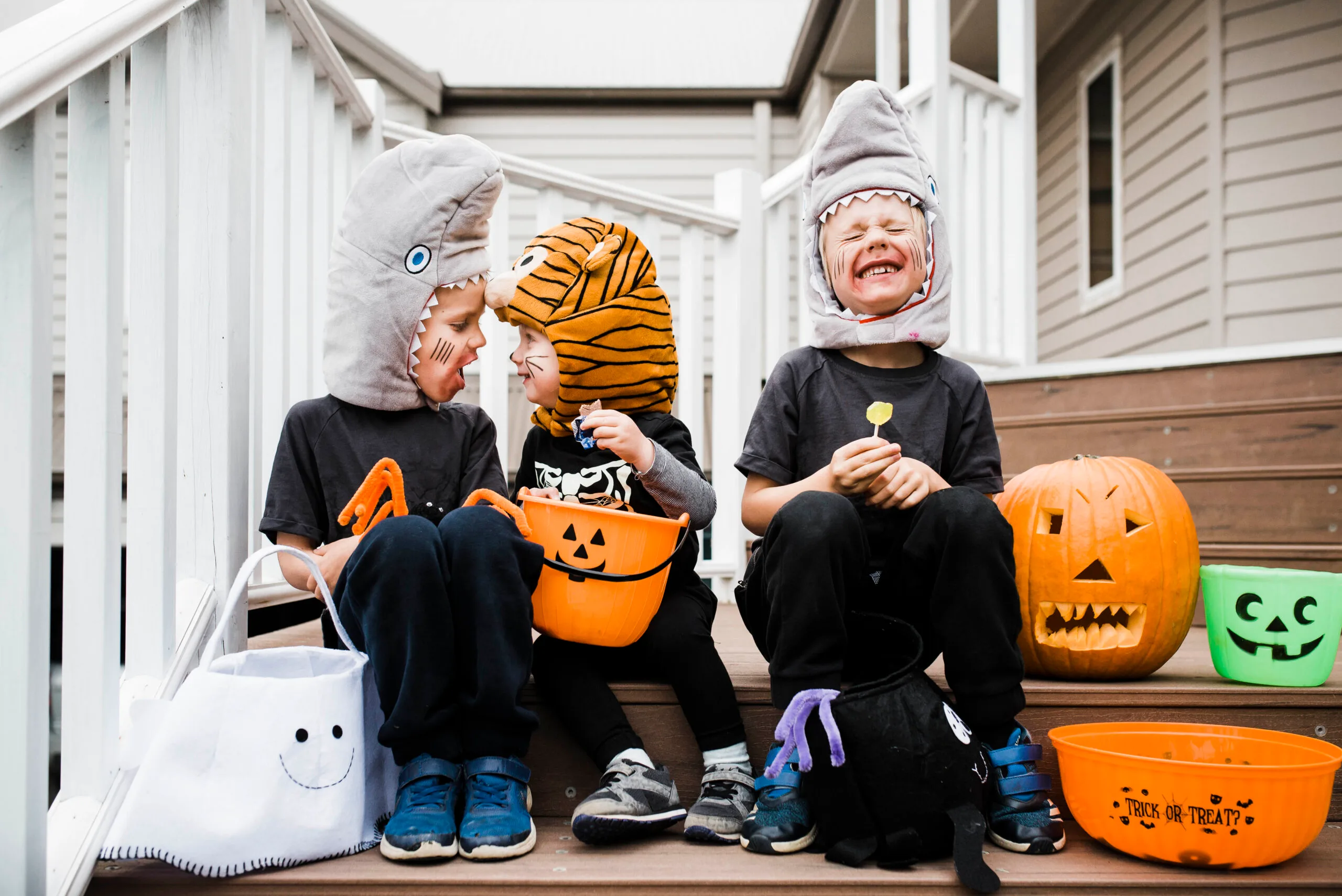
Over the centuries, the spooky holiday evolved further, blending different cultural traditions. In the 19th century, Irish and Scottish immigrants brought Halloween customs to the United States, where it gradually shifted into a community-based celebration marked with activities like trick-or-treating, costume parties, and pumpkin carving. Today, Halloween is more of a secular holiday focused on fun, dressing up, and spooky themes.
Of course, some people still honour its origins by paying homage to the dead, but for most, it’s just a festive day. Today, Halloween is celebrated in Australia primarily due to cultural influences from the United States, where the holiday is widely popular. Also, many of us here in Australia have Irish, Scottish and other Celtic roots and celebrating the holiday is a part of our heritage.
So if you want to celebrate the day by dressing up as a superhero and going trick-or-treating with your grandchild, that’s fine, and if you want to light a candle and commemorate a recently passed loved one, that’s okay as well. Just don’t invite the fairies to come in and make mischief. And with us already barreling towards a warm summer, best not to light a bonfire.

