



At a glance…
- New South Wales residents were gobsmacked over the weekend as homes were inundated with large moths.
- The native Bogong moth is an endangered species which has been blown off course on its migration path.
- Experts advise residents to catch and release the endangered species.
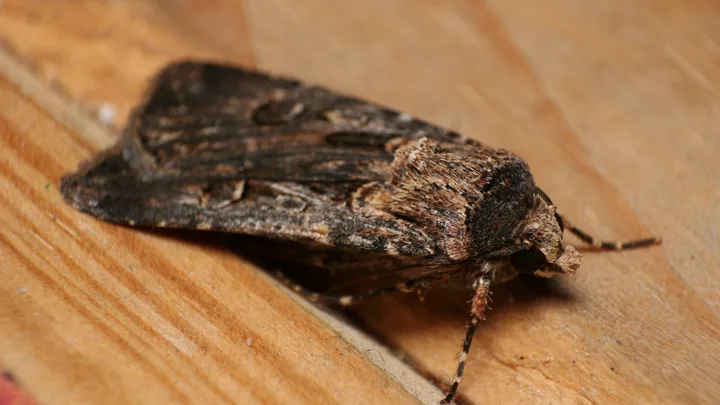
It was a warm Saturday evening in Sydney’s city. I left the windows open to entice the slight breeze in. But then, a big black moth decided to check out my digs. They were followed by another, then another.
I encouraged them out, thinking to myself that I hadn’t seen moths like that before in my apartment. We’ve had cockroaches, huntsmen and white-tailed spiders, but not a lot of moths. However, once the sun started to set, those moths appeared to bring some friends who all tried to get inside. Cut to my partner trying to catch moths with an old yoghurt container while I tried to protect our clothes and make dinner. There are still some hiding among my plants in our living room.
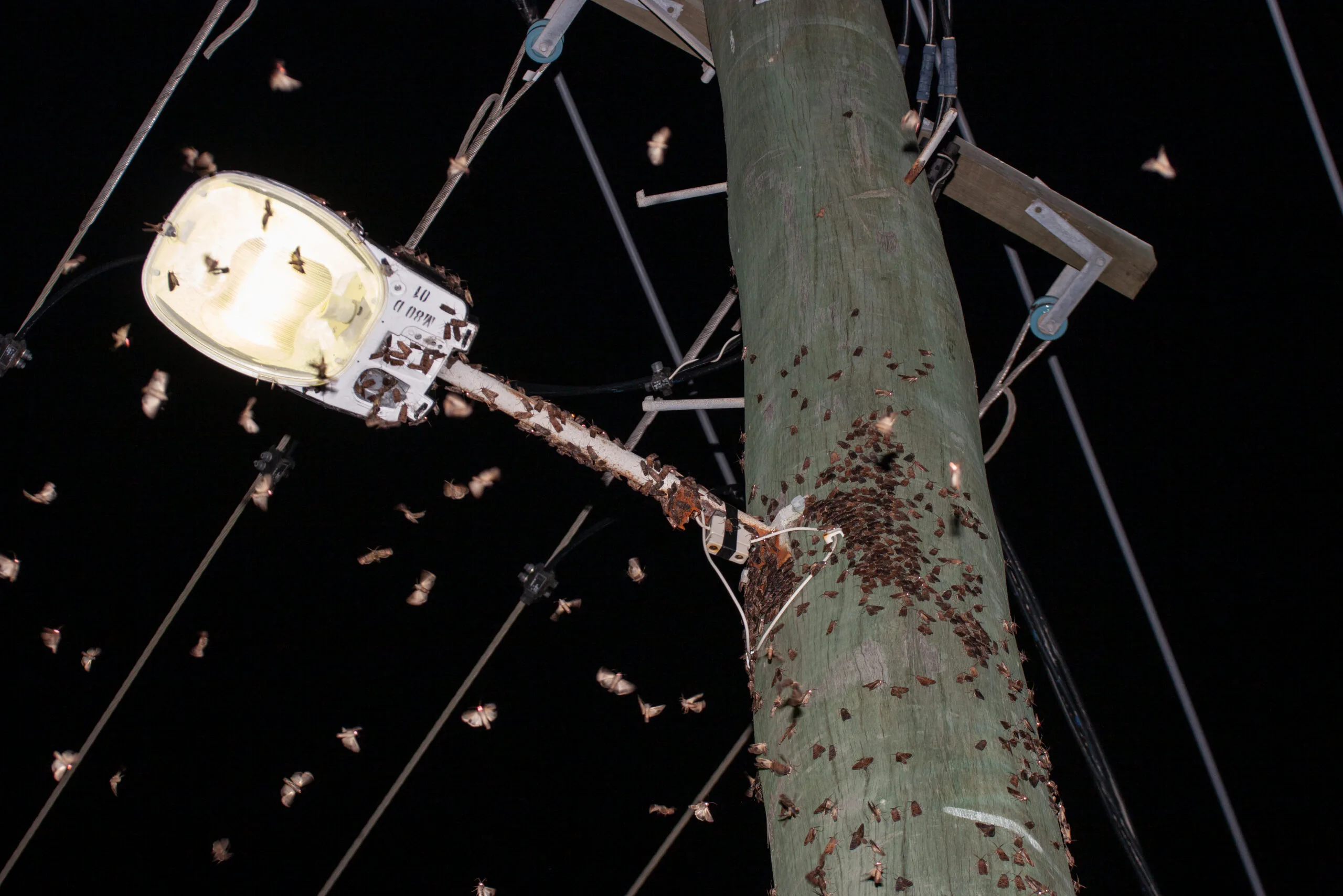
We thought it was just us. That was until we watched the news on Sunday morning and saw the horrific images of swarms of these endangered moths covering the homes south of Sydney and in Victoria. In comparison, we got off lightly.
So what is happening?
Just a week ago, the Australian Museum urged Australians to protect the Bogong moths as they “embark on an incredible journey across Australia.” Every year in spring, the moths fly 1,000 kilometres to the Australian Alpine regions. They are named after the Bogong High Plains in Victoria and migrate to the alpine region in early spring.
And how do these little creatures navigate to their destination? They are old school: they use the stars. A study published in Nature revealed their navigation methods, which are a combination of the stars in the sky and the Earth’s magnetic pull.
So why are they suddenly in everyone’s homes? The prevailing opinion is rather simple: wind.
A study by Western Sydney University states that wind patterns greatly assist the endangered moths in reaching their destination.
“The wind modelling indicates that wind patterns could explain random migratory patterns that lead to the observed panmixia, and that adult moths can migrate to, and from, alpine areas in as little as a single night from their winter breeding areas,” states the abstract of the study.
The hunch by many in New South Wales is that the bogong moths have been blown off course and the city lights are confusing them
“Noticed the millions of bogon moths around?” said a representative of Wildflower Nursery in Erina Heights, NSW. “They’ve been blown off course on their annual migration to the Australian Alps. We can help them get back on track by switching off outdoor night lights! They are endangered and essential nocturnal pollinators, so they need our help!”
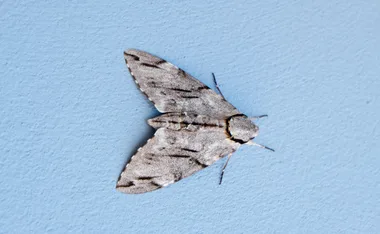

Despite the seemingly huge swarms, the Bogong moths are listed as endangered and have been since 2021. Their population was massively depleted due to drought and bushfires from 2018 to 2021. As much as 99.5 per cent were lost. Although they may not look that appetising to us, they are a critical food source for the also endangered pygmy-possum.
So, what can you do? Well, the experts (and local councils) advise not to kill them. Instead, if you find a moth in your home, catch and release it outside. It’s also a good idea to turn off your outside lights so they aren’t attracted to your home and get trapped inside.
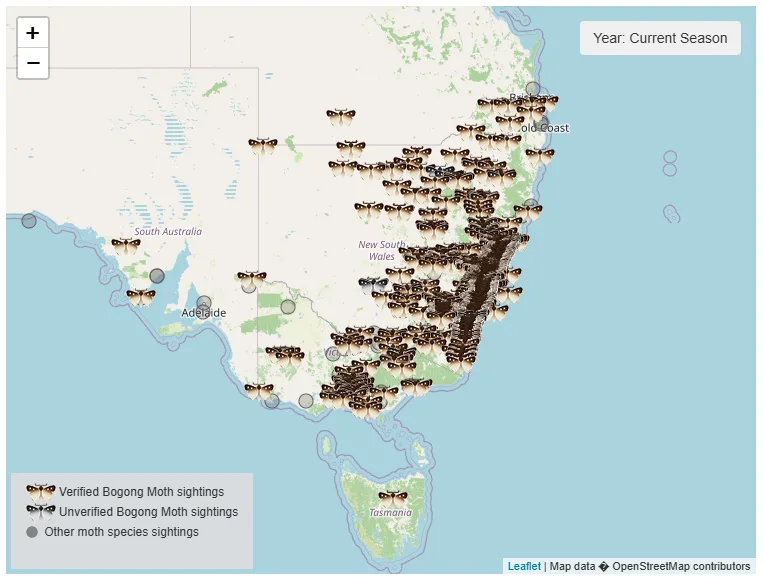
And, to aid in their conservation efforts, if you see one, snap a picture and add it to Zoo Victoria’s Moth Tracker. There have been numerous submissions of sightings; it’s like a straight black line of moths along the coast.
If you aren’t a fan of these creatures, don’t worry. They should move on in the coming days, and we won’t have to worry about them until they about-face at the end of summer.