



 Getty Images
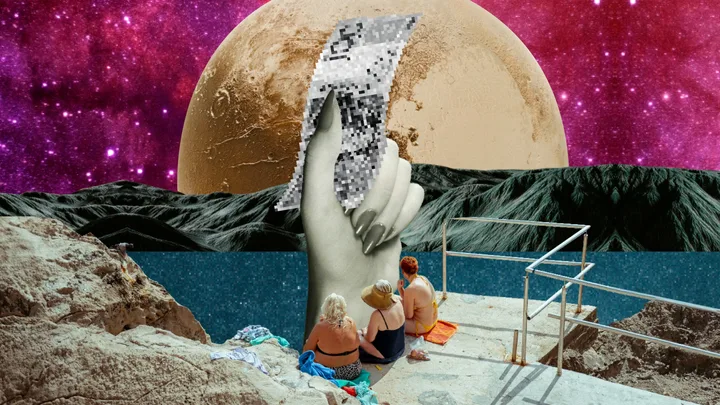
The astrology industry is flourishing. Celebrities won’t make a move without consulting their charts, and everyone knows someone who’s retraining as an astrologer. The Weekly investigates the current fascination with the stars.
This story was written in the stars. Not literally, of course, but astrologically. In 2024, on November 19, Pluto – the planet of transformation and renewal – moved into Aquarius for the first time in 200 years.
“This is a major transition. Pluto is the planet of generational change, and Aquarius is associated with astrology, New Age thinking and the cosmos,” says author and astrologer Jane Gleeson-White. She believes that the change will see a shift in the popularity of astrology.
Do you know what else happened on November 19? I was commissioned to write this article about the astrology industry.
Astrology is on the rise
“The timing couldn’t be better,” beams Jane, a former economist. Jane began studying astrology in 1992, but only started calling herself an astrologer a few years ago. “Astrologers have been expecting a rise in astrology to happen at this time. This is a clear sign that it is.”
You don’t need to be an astrologer to see that the zodiac is having a moment. Horoscopes are so hot right now that the Co-Star astrology app has grown to over 30 million users, and there are an estimated 100 billion views of astrology-related content on TikTok. The astrology industry is expected to reach $US22.8 billion by 2031.
The numbers back up what we’re seeing in everyday life. Moon phase necklaces sold at the markets, the commonplace understanding of “Mercury in retrograde”, and the never-ending stream of zodiac listicles. “Find your perfect summer read according to your star sign,” screams one headline. “Here’s what condiment you are based on your zodiac sign,” offers another.
Ancient star gazers
None of this is brand new (except for maybe the star sign condiments article). The interest in astrology – the study of how the positions of the stars and planets are believed to influence human lives – can be traced back to ancient Mesopotamia. There, we have found the earliest known astrological records dating to the 2nd millennium BC. Marks of astrology have been woven into the fabric of history.
Babylonian priests diligently tracked the movements of stars and planets, searching for divine messages. And Rome’s first emperor, Augustus, had his own personal astrologer.
For hundreds of years, astrology was considered an academic endeavour. And today, people continue to study the cosmic universe and its effect on us.
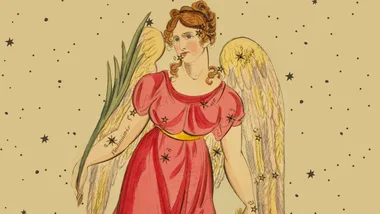
The practice of learning astrology may be longstanding, but the popularity of such practice has ebbed and flowed over the years. In the ’60s and ’70s, Linda Goodman’s Sun Signs was a household bible for women around the world. Horoscope columns were all the rage, and star signs became regular dinner party fodder.
When astrology was taboo
Come the ’80s, there was a certain shame and disdain associated with astrology. When it was revealed that Nancy Reagan ran the US President’s schedule past her astrologer, Joan Quigley, she was ruthlessly mocked. “Astrologer Runs the White House,” the tabloids scathed. “What’s next? A voodoo Cabinet post?” people joked.
“I tried to keep it [my chart reading] a secret in case I got hurt by people’s judgment, which could be mocking and scathing,” reflects Jane Gleeson-White, who hid her practice for decades while working with accountants and financial institutions.
The COVID pandemic was a turning point for her. In the thick of lockdowns and uncertainty, she was inundated with requests for chart readings from friends and friends of friends. “I knew I couldn’t fight it anymore, and I decided to go ‘full witch’,” she says, with a laugh. That’s when Jane began to call herself an astrologer and fully embrace the knowledge she’d acquired over years of study.
The astrology industry booms
Jane wasn’t the only one. The year 2020 marked a shift in the astrology industry. Forbes magazine held COVID responsible for a $2.2 billion astrological boom. And in the past five years, it hasn’t stopped booming.
Astrology has shaken off its coat of shame and is having its moment in the sun. “There is no more stigma that is keeping people away from astrology,” declared American psychological astrologer Dr Jennifer Freed in 2023.
Fellow astrologer Heidi Rose Robbins added:
“I used to read for artists and healers. Now it’s CEOs and stockbrokers,”
It echoes the quote by famous financier J.P. Morgan: “Millionaires don’t have astrologers. Billionaires do.”
It’s not just billionaires, though. Today, more Americans know their star sign than their blood type. “It’s liberating and joyful to see this growing interest,” says Jane, suggesting that the turmoil of 2020 kick-started a search for meaning.
The Weekly’s very own stargazer, Lilith Rocha, agrees that the state of the world has driven the astrology renaissance. In the darkness, the stars guide the way.
“There’s inevitably an upsurge of interest in astrology during times of division and uncertainty like the present. Because astrology deals with historical time cycles, it’s natural for people to look for meaning by comparing past transits of the planets for information,” explains Lilith, who has been writing astrology columns since 1970.
Astrology as a coping mechanism
This idea of astrology as a coping mechanism for tough times is backed up by science. Research published in the Comprehensive Psychology journal found that astrology helps people make sense of life during complex periods. If there’s one word to describe the world right now, it’s complex. We’re dealing with all the c-words: global conflicts, a cost-of-living crisis, climate change, crime and COVID. It’s no wonder it feels like we’re living in a permanent state of calamity.
“The people who come to see me for readings are often in a kind of crisis or a state of indecision,” Jane says of her growing client base. “They’re questioning things in a new way, looking at the big picture and – I feel – trying to find spiritual meaning.”
Finding connection and understanding
As a former economist, Jane is part of a rising collective of career-changers joining the astrology industry. Matthew Galea is the Deputy Editor of online publisher PEDESTRIAN.TV by day, and an astrology writer by night. His debut book, How to Spot the (Star) Sign,s came out at the end of 2023 to rave reviews.
“Astrology has had a massive boom, and people are now trusting and relying upon the study of the stars more than ever,” says Matthew, who gives credit to social media for the uptake. “People get on board with astrology as they find connection and understanding by seeing themselves reflected in the hilarious memes about their sign.”
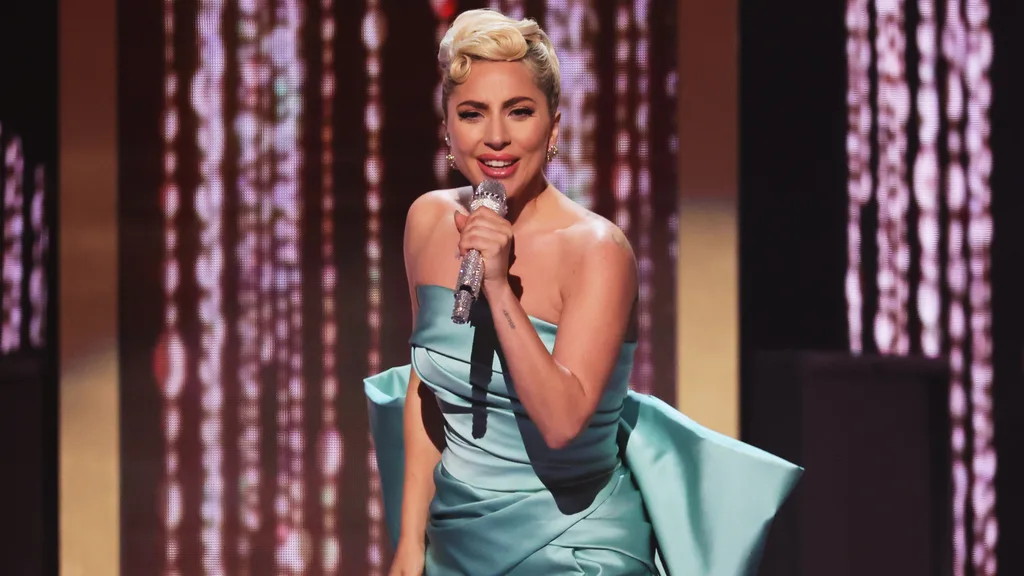
The prevalence of astrology in the lives of celebrities also helps explain our newfound interest in the celestial stars. As lore has it, Lady Gaga consulted her “spiritual team” about the dates of her Born This Way Ball world tour. Taylor Swift suggested her “falling out” with Katy Perry was a miscommunication due to their star signs: Swift being a contemplative Sagittarius, and Perry a reactive Scorpio. And Madonna – a Leo – is said to read her horoscope every day.
Astrology sceptics
Naturally, the celebs don’t speak for all of us. Many people scoff at astrology and the astrology industry, and dismiss it as pseudoscience. Cynics have always and will always exist, and astrology is easy to be cynical about because there’s no scientific evidence that the stars can influence our lives here on Earth, nor that their patterns in space can predict the future.
Blindly following any belief system can be dangerous. Horror stories from die-hard star worshippers include the father who lost thousands of dollars to a scam astrologer in a Sydney shopping mall, the Reddit user who claimed to have developed depression and anxiety because of bleak predictions, and the countless first dates that ended early because of incompatible star signs. When given serious weight, horoscopes can have serious consequences.
In July of 2024, Channel Seven announced plans to introduce a horoscope segment during the nightly news. The network was panned by shock jocks on the radio and sceptics on social media. “Astrology? In the news? It is not science. It is not fact,” one commentator declared.
Scientists versus astrologers
Granted, the scientific community has widely rejected the legitimacy of horoscopes. When astrophysics professor Dr Percy Seymour published his book The Scientific Proof of Astrology back in 2004, his peers were quick to disagree with his views. “It’s right up there with stuff like crop circles being made by extraterrestrials,” said astronomer (not to be confused with astrologer) Robert Massey.
There are several reasons scientists dismiss astrology as a mere invention, including the fact that controlled studies into the legitimacy of astrological ideas have not supported their validity. When NASA reported that the Earth’s axis had changed – revealing that zodiac signs no longer lined up as they did in ancient times – the space agency reiterated that “astrology is not science” and likened reading horoscopes to “reading fantasy stories”.
Yet, just because astrology isn’t science, it doesn’t mean it’s not valuable.
“There’s a wealth of astrological knowledge available and loads of different ways to utilise it to benefit our day-to-day lives,” says Matthew, who believes we’re in an era of open-mindedness. “Nowadays, it’s actually incredibly rare to receive a sceptical comment.”
“A beautiful, supportive and positive practice”
Whether the personality traits and stages of life that an astrologer identifies in a chart are grounded in science seems not to matter too much to the clients who see Matthew and Jane. Putting time aside to ponder those traits, perhaps accept some and reject others, and contemplate ideas like purpose and meaning, might be enough.
“Astrology is a beautiful, supportive and positive practice that can really help people going through difficult things,” says Jane. In periods of great difficulty, astrology provides a star-blanket of comfort, and it makes sense that we’re reaching for that at this moment in time, just as Nancy Reagan did after Ronald’s assassination attempt, and Lady Gaga did before undertaking a momentous world tour.
The stars have always been there to guide us; it’s just that now more of us are looking up at the sky.
This article originally appeared in the February 2025 issue of The Australian Women’s Weekly. Subscribe so you never miss an issue.


Share this post