




Content Warning: This article contains content which may be distressing to readers. Help is available.
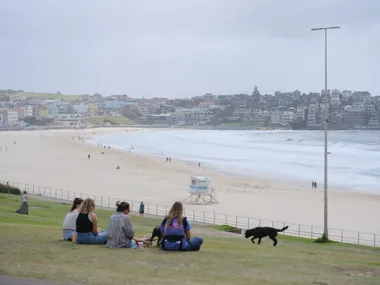
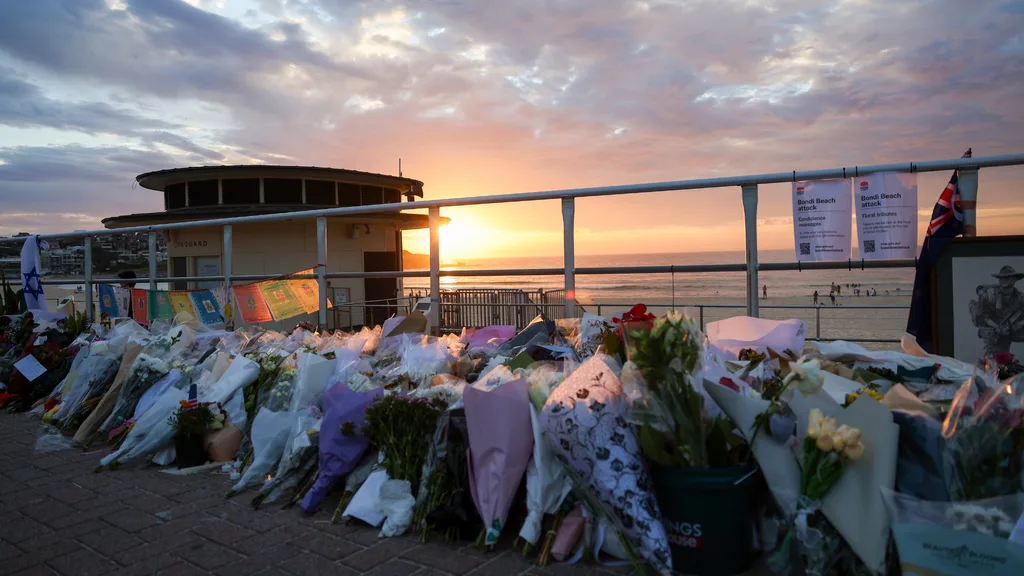
Families and friends gathered in one of the most celebrated beaches in Sydney on what should have been a joyous day, but instead, that day was marred by a tragic event.
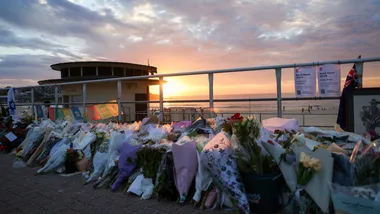
15 were killed, another 40 injured, and countless others left traumatised by a shooting event on Sunday, 14 December 2025. The Interim Report states that Sydney’s Jewish community was “the evident target of the attack.”
In the immediate aftermath, the government put in place counter-terrorism and community protection orders. However, there were increasing calls for a Royal Commission.

The government initially announced an independent review. However, after the NSW Government announced its own plans for a royal commission, the federal government changed tracks to implement Australia’s most powerful type of public inquiry.
“Because an attack on Jewish Australians is an attack on all Australians,” Prime Minister Another Albanases said.
It is titled “Royal Commission on Antisemitism and Social Cohesion”, and former Justice of the High Court, the Hon Virginia Bell AC, is leading it.
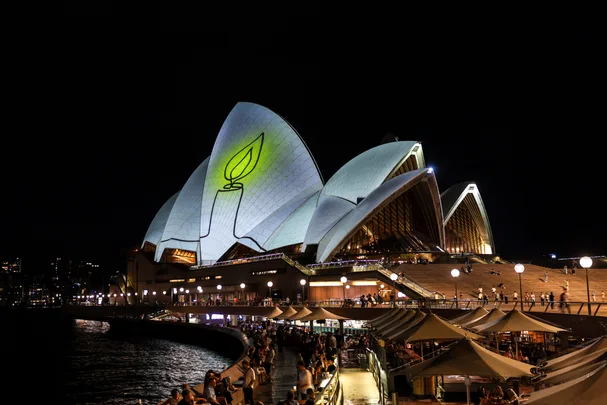
The Royal Commission covers four key areas:
- Examine the circumstances around the Bondi Terror Attack
- Tackling antisemitism by investigating its prevalence and onset in Australia.
- Making recommendations to relevant agencies to combat antisemitism, including immigration, security, border, and law enforcement.
- Making recommendations to strengthen social cohesion within the Australian community.
On 30 April 2026, Commissioner Bell presented the interim report to Governor-General Sam Mostyn. It was tabled in the Australian Parliament.
The Interim Report lays out 14 recommendations, with 8-1`2 marked as “confidential”.
What did the Interim Report on the Bondi Attack find?
The interim report is designed to answer one urgent question: Did anything go wrong that needs fixing right now? The Commission makes its position clear early:
“No issue requiring urgent or immediate action has been identified.”
That means, at least at this stage, authorities believe the existing systems were not fundamentally broken, even in the face of such a devastating attack.
One of the most significant findings is that no agency blamed the law or lack of powers.
“No material… identified any gap in the existing legal and regulatory frameworks that impeded the ability… to prevent, or respond to, an attack.”
And crucially:
“No… agency has suggested that it was prevented from taking prohibitive actions… by the… legislative and authorising framework.”
However, that doesn’t mean everything worked perfectly. The Commission notes:
“Counter-terrorism capability… could be improved.”
The report links the attack to a wider surge in antisemitic incidents in Australia, particularly after the Hamas attacks on Israel on 7 October 2023. It warns that the “The risk of attacks directed at the Australian Jewish community” has increased.
What the report doesn’t answer, yet
Some of the biggest and most sensitive questions remain unresolved, including:
- Whether warning signs were missed
- Whether police resources were adequate
- What exactly happened in the lead-up to the attack
These will be examined later, because “No conclusion… can be reached on a review of the agencies’ documents alone.”
Many details are also being withheld due to ongoing court proceedings.
Why is so much a secret?
A large portion of the report is confidential — not because it’s being hidden, but because of legal and national security risks.
“Parts… cannot be disclosed publicly… including national security and the need to avoid prejudice to current criminal proceedings.”
The accused is facing extremely serious charges, including:
- 15 counts of murder
- 40 counts of attempted murder
- Terrorism offences
Because of this, the Commission is being careful not to influence a future jury.
14 Recommendations from the Royal Commission on Antisemitism and Social Cohesion
- The procedures adopted by NSW Police in respect of Operation Jewish High Holy Days should apply to other high-risk Jewish festivals and events, particularly public-facing.
- The Counter-Terrorism Coordinator’s role should be made permanent.
- If the Australia-New Zealand Counter-Terrorism Committee (ANZCTC) is to be used again as a crisis committee, the ANZCTC should be included in the Australian Government Crisis Management Framework so its role is clear.
- The Counter-Terrorism Handbook should be updated promptly and then at least every three years in coordination with updates to the Counter-Terrorism Plan and the ANZCTC triennial review.
- The ANZCTC should provide direct advice in the form of a written and/or oral briefing, at least annually, to National Cabinet (including, as appropriate, advice on ANZCTC activities, the use of the ANZCTC Special Fund, and national counter-terrorism challenges and priorities).
- The ANZCTC should commission a review of the Joint Counter-Terrorism Teams, with a report to be submitted to Police Commissioners and the Director-General of Security within three months of commencement. The review should include consideration of leadership structures, team integration, systems access and information sharing arrangements. The review should place particular focus on the Joint Counter Terrorism Team-NSW, elements of which should be for reporting specifically to the NSW Police Commissioner, the AFP Commissioner and the Director-General of Security.
- The Australian Government should consider whether National Security Committee ministers, including the Prime Minister, should participate in a counter-terrorism exercise, along with all National Cabinet members, within nine months of each federal election.
- Confidential
- Confidential
- Confidential
- Confidential
- Confidential
- The Commonwealth, states and territories should prioritise efforts to finalise and implement an updated and nationally consistent National Firearms Agreement.
- The Commonwealth, states and territories should prioritise efforts to implement the proposed National Gun Buyback Scheme.
What happens next?
The inquiry is far from over. Public and closed hearings will run for months, more evidence will be tested, and a final report will follow.
And if anything urgent emerges, “I will take appropriate action to bring that matter to the attention of the… governments.”
Read the full interim report here.
If you or someone you know has been affected by any of the issues raised in this article, help is always available. Call Lifeline on 13 11 14 or visit their website.