



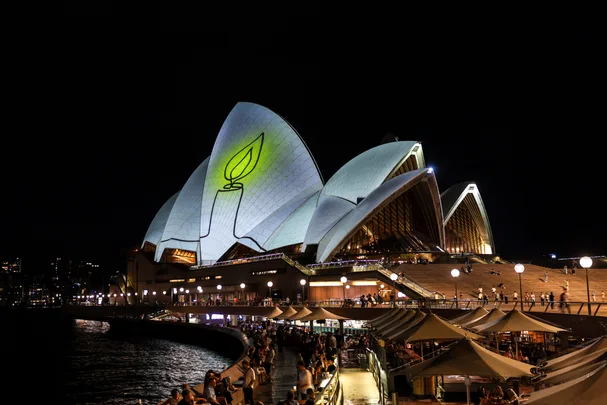
Content Warning: This article contains content which may be distressing to readers. Help is available.
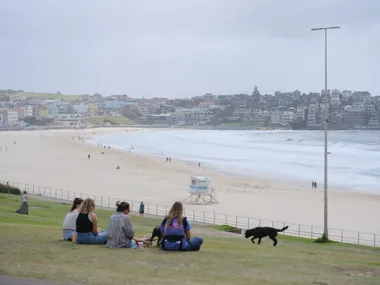
On the evening of 14 December 2025, families and friends gathered at Bondi to enjoy the warm setting sun, head out for a walk, and celebrate the start of the Jewish holiday Hanukkah. Tragically, two assailants chose to open fire on the innocent people in Bondi in what was the worst mass shooting in Australia for decades.
16 people in total lost their lives, one of whom was one of the shooters. Over 40 others were injured and taken to the hospital, including first responders and many who put themselves at risk to save others or stop the assailants.

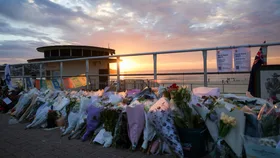
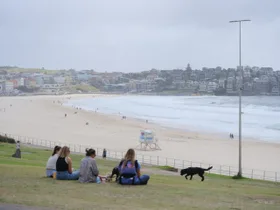

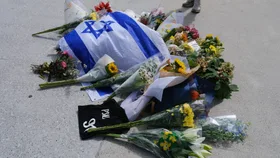

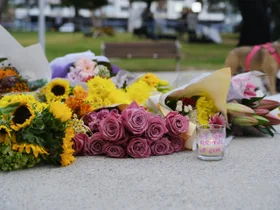
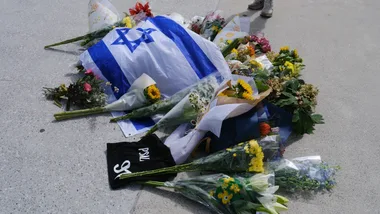
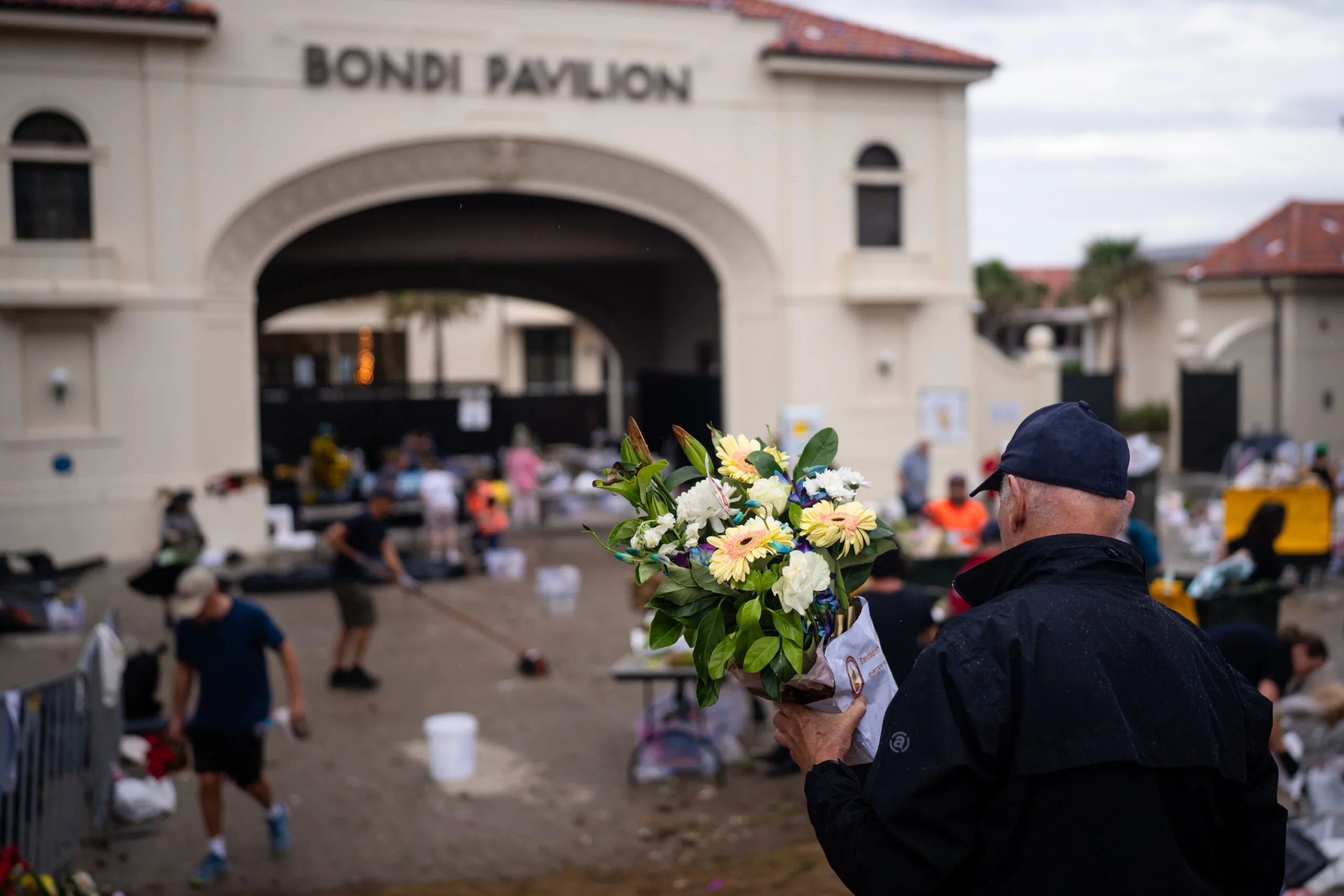
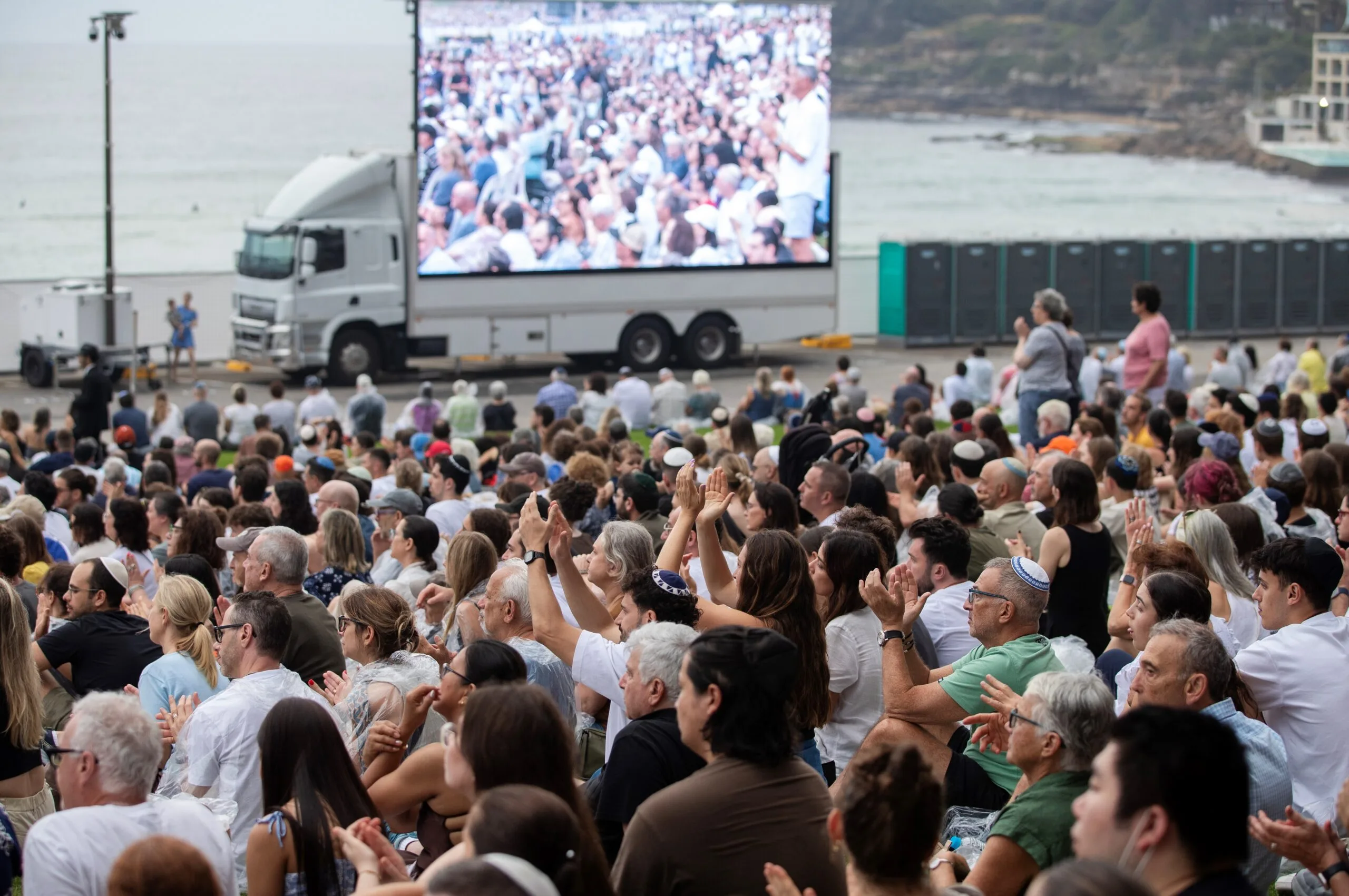
A week after the terrible attack, a memorial was held at Bondi to honour the victims. And for safety reasons, the massive mound of tributes was cleared away. Thousands of the flowers that were left to pay tribute to the victims were collected by the Sydney Jewish Museum to be preserved for an artwork installation that will commemorate the victims.
As Sydney heads into a new year, fresh questions are being asked of the government.
In the wake of the tragic event, many have made calls for a royal commission and tighter gun restrictions.
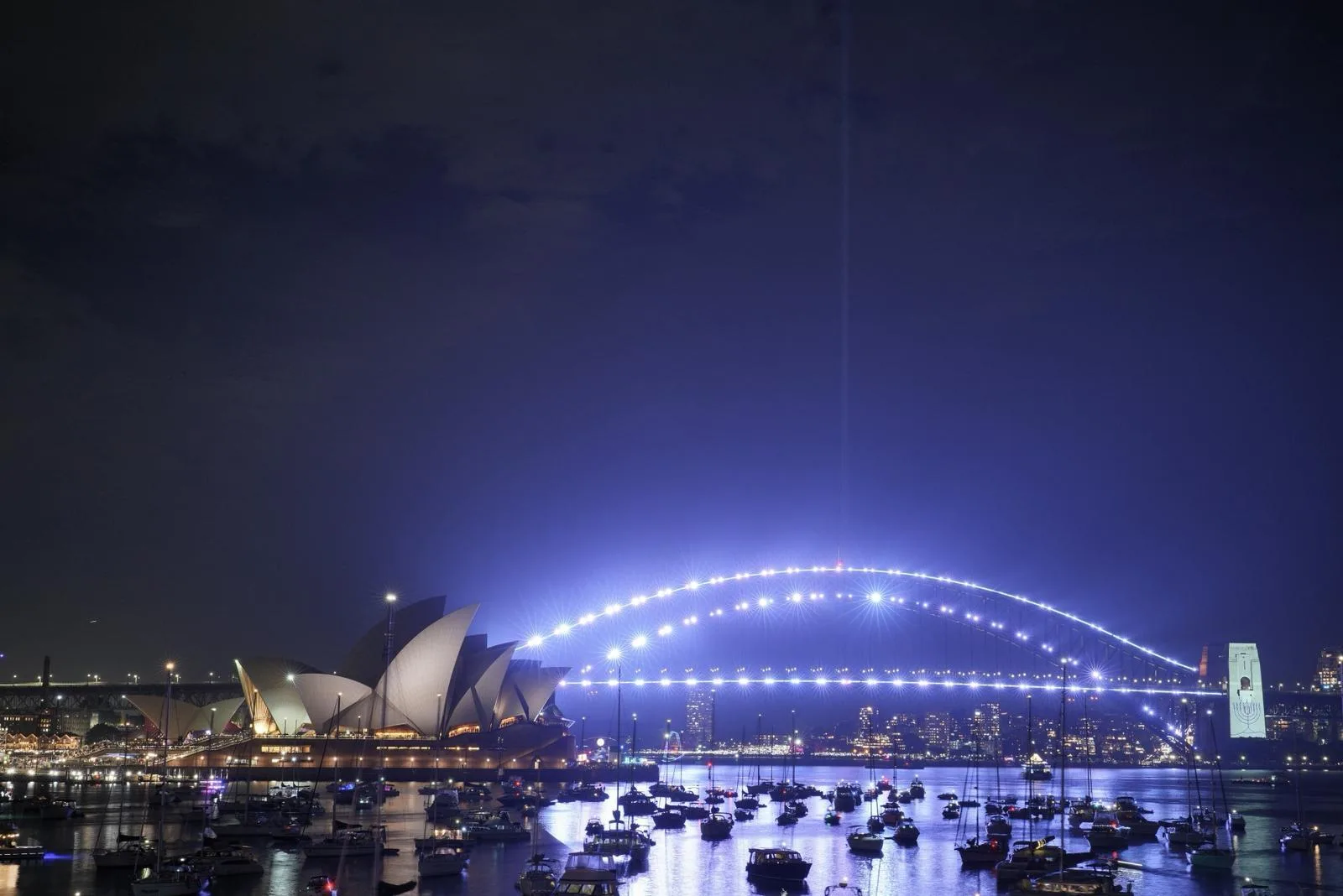
Here is how the government is responding and putting in place measures after the Bondi Terror Attack.
Stricter gun laws and gun-control reforms
After the mass shooting, federal and state leaders agreed to tighten Australian firearm laws.
The measures being developed include:
- Limits on the number of guns one person can own.
- Making Australian citizenship a requirement for a gun licence.
- More frequent and deeper licence reviews
- Cracking down on 3D-printed and easily modifiable firearms.
- Increasing and improving criminal intelligence checks as part of licensing.
These reforms are being coordinated across states and are the biggest gun law overhaul since the 1996 Port Arthur reforms.
NSW passes tighter gun, protest and anti‑terror laws
In New South Wales, the Parliament has already passed laws capping most civilians at four licensed firearms, with farmers allowed up to ten. Police can now more easily block licenses for people connected to extremist investigations, and licenses are under more frequent review.
Additionally, new powers allow police to temporarily restrict public assemblies (up to three months) after a terrorist event to maintain public safety.
Gatherings are still permitted; however, police may issue directions for members to move on.
“The tragic events at Bondi Beach have left a profound impact on our community and reaffirmed the urgent need for stronger safeguards to reduce fear and increase safety,” Commissioner Lanyon said.
“The NSW Police is committed to exercising these new powers responsibly and transparently. This is a time for community to come together and to show respect and courtesy – it’s not a time for large public assemblies and division. The community deserves to be safe and feel safe.”
Also, the NSW police have increased support under Operation Shelter. It was originally set up in October 2023. It was bolstered following the Bondi Terror Attack with more resources and support. Since the attack, over 2,600 proactive taskings have been undertaken by the police.
As part of Operation Shelter, NSW Police arrested a man in Newcastle for allegedly displaying hate symbol tattoos.
“He was taken to Coffs Harbour Police Station and charged with knowingly display by public act Nazi symbol without excuse and cause prohibited Nazi symbol to be displayed in public place,” the police said in a statement.
Increasing security at places of worship and events
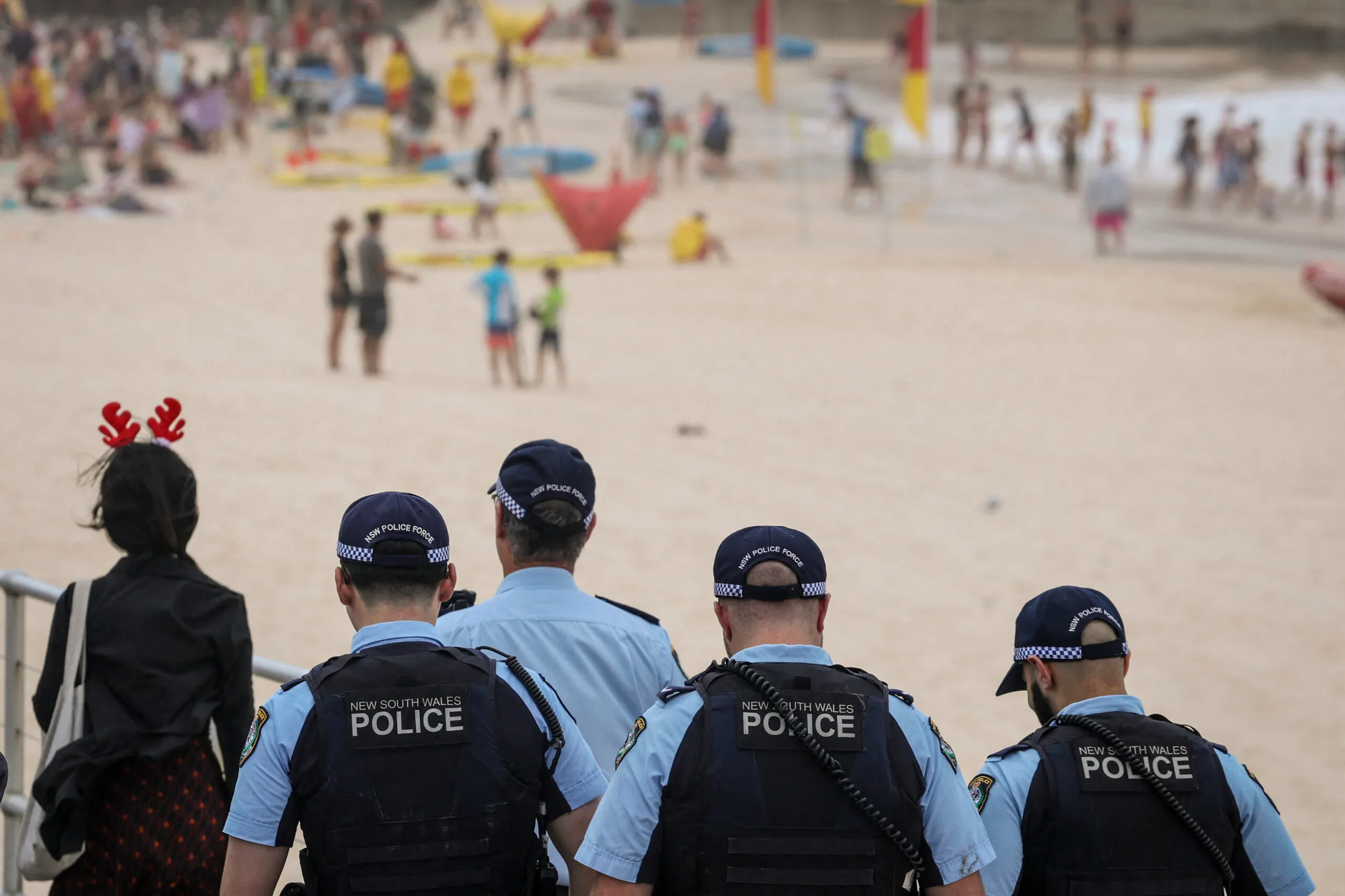
Beyond legislation, security has been visibly increased. Armed police and counter-terror units have been deployed to protect places of worship, major events, and communities considered at higher risk.
There was a notable increase in armed police presence at Bondi over the Christmas period and at the Sydney New Year’s Eve celebrations, which made headlines around the country.
However, New Year’s Eve celebrations concluded without any incidents beyond some illegal fireworks being set off.
“The top priority of our operation was the safety of the community, and thousands of officers were out in force to ensure people enjoyed their nights and got home without incident,” the NSW Police said in a media statement.
Special Honours List proposed
Prime Minister Anthony Albanese also wrote to the Governor-General to request the creation of a Special Honours List. This list would praise those who responded to the Bondi Terror Attack.
“People ran towards danger. They put themselves at risk to help others, not because they had to, but because it was the right thing to do,” the Prime Minister wrote in a statement.
If the list is approved, the awards will be announced in 2026.
Support packages for victims, their families and small businesses
On 18 December 2025, the government announced a support package for those impacted by the Bondi Terror Attack.
“This attack has caused unimaginable pain for victims, families and the Jewish community, and it has shaken our entire state,” said NSW Premier Chris Minns. “This package is about dignity, compassion and practical help, ensuring families are supported, businesses can recover, and people know they are not facing this alone.”
“My Government unequivocally stands against terrorism and will do whatever it takes to ensure the safety and well-being of this community and all Australians,” said the Prime Minister in a statement.
The package includes:
- $2 million for Jewish community organisations to support victims’ families. This includes $1 million for Jewish House to establish a Victim Support Fund.
- $1 million for Legal Aid and Disaster Response Legal Services.
$1 million for local Jewish organisations for mental health support and care. - $3.6 million for six place-based recovery officers to undertake case coordination and outreach.
- Up to $25,000 for impacted small businesses in the immediate vicinity.
- $1.5 million for additional security at Jewish community locations.
- $1 million for Waverley Council to assist with clean-up requirements.
- $2.8 million to provide up to eight coordinators to undertake community engagement.
Additionally, the government has promised to set up a temporary Medicare Mental Health Centre in the Bondi area to provide trauma support. IT is expected to commence in early 2026.
Government inquiries and reviews
Prime Minister Anthony Albanese initially announced that the federal government would begin an independent review. This review would examine how the attack unfolded, whether intelligence agencies or law enforcement could have prevented it, and what systemic reforms are needed.
It is to be led by Dennis Richardson. Dennis is a former Secretary of the Department of Defence, former Secretary of the Department of Foreign Affairs and Trade, and former Intelligence Chief.
This review is expected to report back by April 2026. The Prime Minister has stated that it will be publicly available when it does. There was an NSW Royal Commission that will take place as well.
However, after many of the victims’ families and community leaders called for a federal royal commission, Australia’s most powerful type of public inquiry, the Prime Minister decided to implement a royal commission.
“Because an attack on Jewish Australians, is an attack on all Australians,” as stated by the prime minister’s office.
What is a Royal Commission?
Royal commissions can compel witnesses to testify under oath, demand documents, and produce recommendations with strong moral and political weight.
Originally, the Prime Minister stated that he opted for the independent review, citing speed and efficiency over the lengthy process a royal commission requires.
Because the federal government is now doing a Royal Commission, the NSW one will no longer go forward.
It is titled “Royal Commission on Antisemitism and Social Cohesion”, and it will be led by former Justice of the High Court, the Hon Virginia Bell AC. The report is due back by 14 December 2026.
In the letter of acknowledgement, it states:
“Acknowledging the antisemitic terrorist attack on Jewish Australians that took place at Bondi Beach on 14 December 2025, and which resulted in the loss of 15 lives and the wounding of a further 40 individuals. And the determination of the Australian government to respond to the attack, and the factors leading up to the attack, as a matter of urgency by addressing antisemitism within the Austrlaian community, including since 7 October 2023.”
What will the Royal Commission on Antisemitism and Social Cohesion do?
The Royal Commission will cover four key areas:
- Examine the circumstances around the Bondi Terror Attack
- Tacking antisemism by investigating its prevalence and onset in Australia.
- Making recommendations to relevant agencies to combat antisemitism, including immigration, security, border, and law enforcement.
- Making recommendations to strengthen social cohesion within the Australian community.
If you or someone you know has been affected by any of the issues raised in this article, help is always available. Call Lifeline on 13 11 14 or visit their website.