




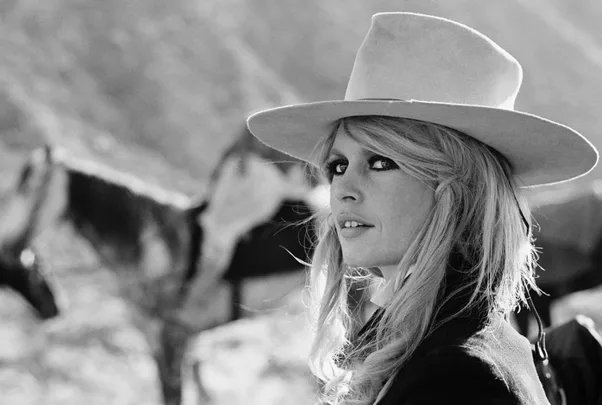
Brigitte Bardot, the magnetic French actress, singer and animal rights campaigner who came to define an era of cinematic glamour and cultural change, has died at the age of 91. Her death was confirmed by the Brigitte Bardot Foundation, the animal-welfare organisation she established and led for decades.
She died at her home in southern France on Sunday, 28 December 2025. Her grieving husband, Bernard d’Ormale shared insight into her final moments before her funeral, revealing to Paris Match magazine she had undergone two procedures to treat her cancer diagnosis.
He also shared his wife’s final words before her peaceful passing.
“[It was] the most moving moment of my life with Brigitte, because she was leaving us,” he said. “She said ‘pioupiou’. I was half asleep, I sat up and saw that she had stopped breathing.”
The Brigitte Bardot Foundation revealed she would often use this phrase as a “little word of love.”
Brigitte Anne-Marie Bardot, also known affectionately as B.B., was born on 28 September 1934 in Paris. She rose from ballet student and model to international stardom in the mid-1950s.
Her breakout role came in And God Created Woman (1956), directed by then-husband Roger Vadim. Her sultry presence and unabashed sensuality captivated audiences around the world and cemented her reputation as cinema’s ultimate sex symbol.
Over the next two decades, she appeared in more than 50 films, including French New Wave classics and Hollywood co-productions.
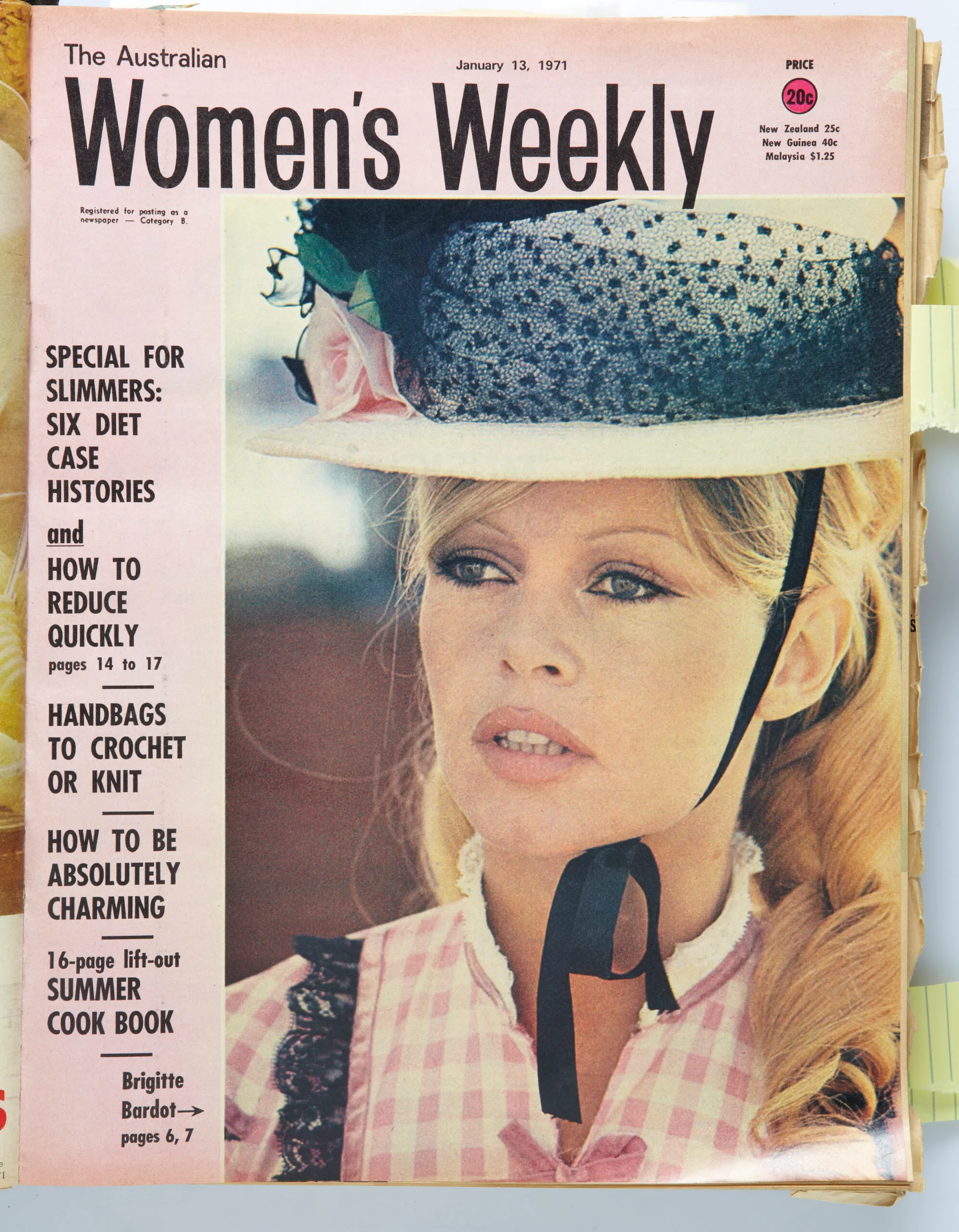
In January 1971, Brigitte graced the cover of The Australian Women’s Weekly on a piece about her portrayal of film star Linda La Rue in the film Rum Boulevard, based on the real-life adventures of author Jacque Pecheral in the Caribbean.
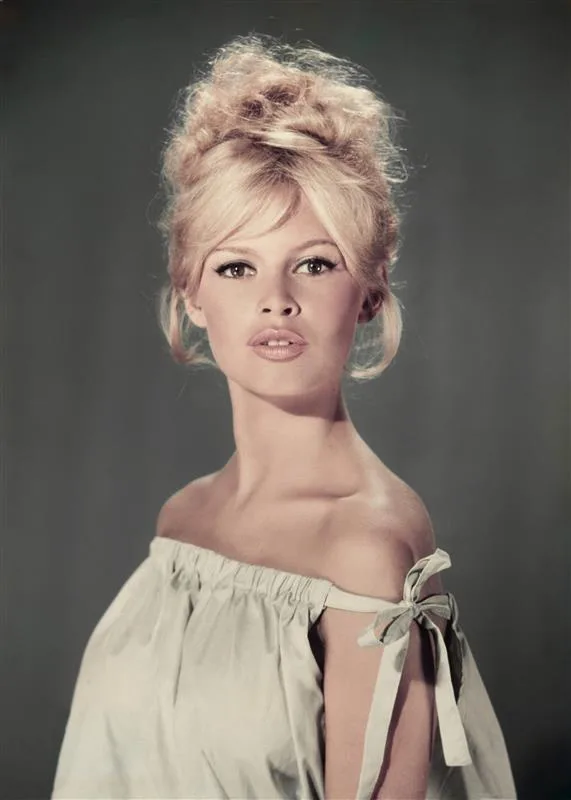
Her signature look of tousled hair, winged eyeliner, shoulder-bare tops and carefree confidence helped define the look of the 1960s. She influenced fashion and beauty far beyond the screen. Furthermore, Brigitte became a muse and inspiration for many designers and fashion houses. In fact, the Bardot neckline is named for her.
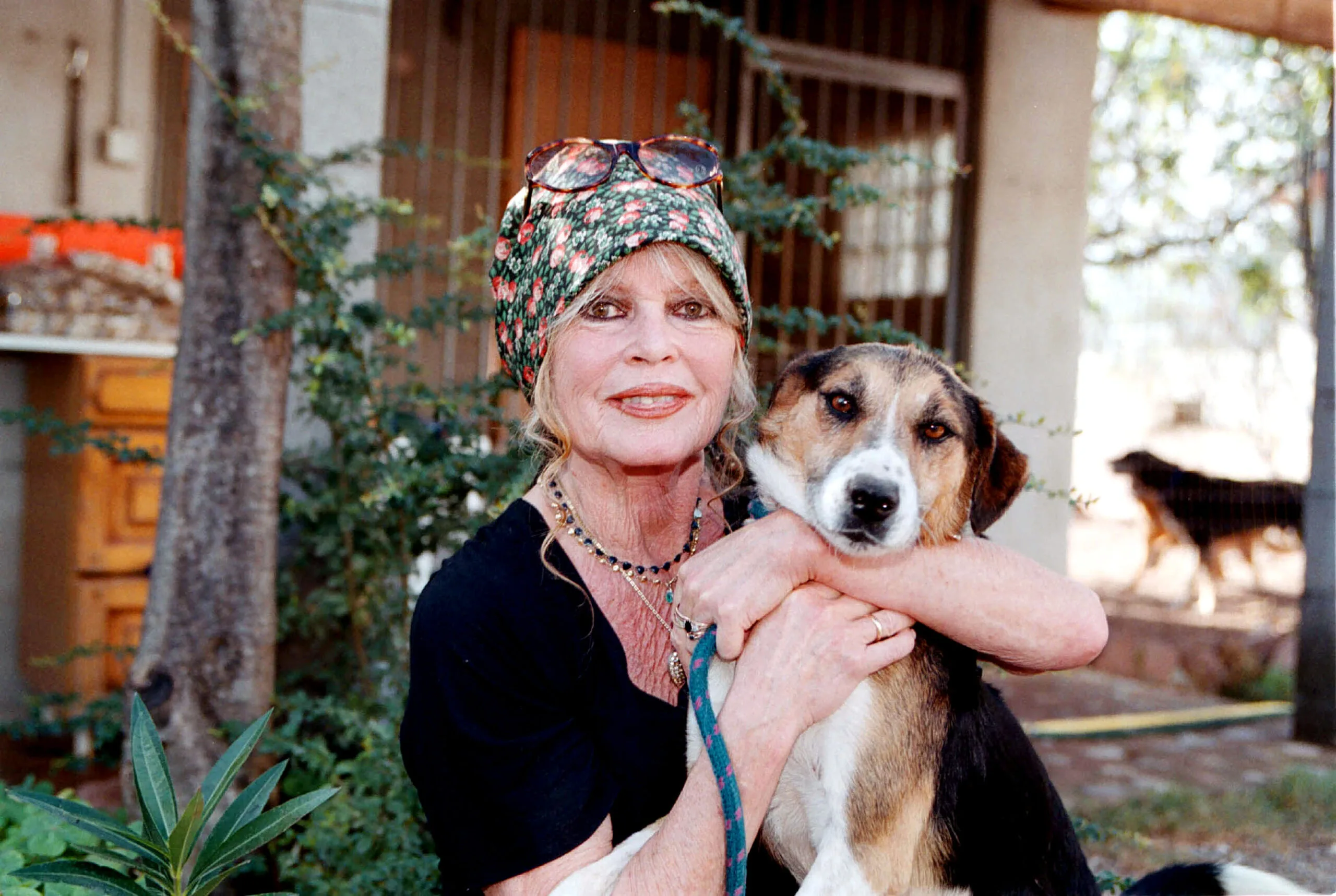
At the height of her fame, however, she chose a different path. In 1973, she retired from acting at the age of 39 to focus on animal welfare. Following that, in 1986, she founded the Brigitte Bardot Foundation (Fondation Brigitte Bardot) for the protection of animals. In 2010, she famously penned a letter to Queen Margrethe II of Denmark, asking for the then-monarch to stop the dolphin cullings in the Faroe Islands.
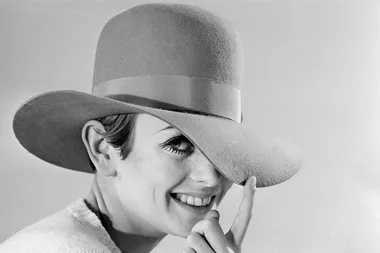
Brigitte was married four times. As mentioned, her first husband, director Roger Vadim, whom she wed at 18, directed her breakout film And God Created Woman. She later married actor Jacques Charrier, with whom she had her only child, Nicolas-Jacques Charrier, born in 1960. She spoke candidly throughout her life about feeling ill-suited to motherhood. Her stance challenged social expectations of the time and sparked both criticism and fascination.
Following her divorce from Jacques Charrier, custody of Nicolas was awarded to his father, and Brigitte remained largely absent from his upbringing. Nicolas later settled in Norway with his family.
Her next marriage was to German industrial heir Gunter Sachs, whose lavish romantic gestures made headlines around the world. Her final marriage, to Bernard d’Ormale in 1992, proved the most enduring; the couple lived quietly in Saint-Tropez until her death.
In later years, Brigitte’s outspoken political views and frequent public comments on immigration and cultural change drew sharp criticism and legal repercussions, including convictions under French laws on hate speech. She aligned herself with hardline nationalist and anti-immigration positions, expressing repeated concern about what she described as the “Islamisation” of France and the erosion of French cultural identity. She became a vocal supporter of causes associated with the French far right.
French President Emmanuel Macron led tributes in the immediate aftermath of her death, calling Brigitte “a legend of the century”. Tributes have poured in from across the globe, acknowledging her contributions to cinema, style and the cause of animal protection.

