




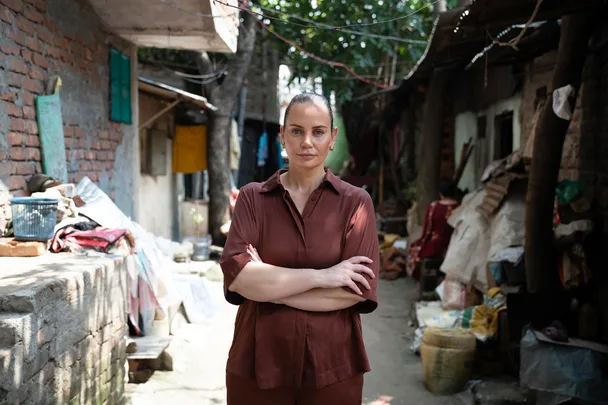
At a glance…
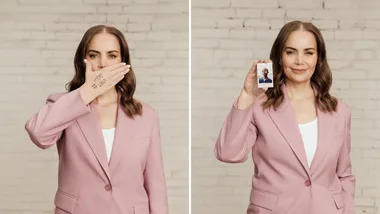
- After sharing her own experiences of abuse, violence and displacement, Jelena Dokic has joined World Vision as an ambassador for its 1000 Girls campaign, determined to use her voice to create change.
- Visiting communities in Dhaka, Jelena witnessed extreme poverty and met women and girls affected by child marriage, violence and early pregnancy, including Ruby, whose determination to give her daughters a different future inspired her.
- Jelena saw first-hand how World Vision-supported youth groups, education and child protection programs are helping communities prevent child marriage and empower girls — giving her renewed hope for the future.
- CONTENT WARNING: This article discusses domestic violence and child abuse, which may be upsetting for some readers. Help is available.
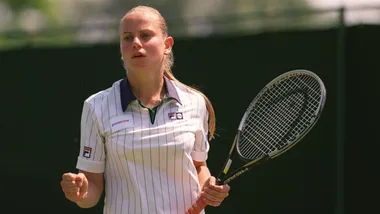
Since retiring from tennis, Jelena Dokic has carved out a career as a commentator, bestselling author and advocate for women and girls, using her personal experiences to help give a voice to those in need. So it was no surprise that a trip to Bangladesh with World Vision was life-changing.
She sits down with the Editor of The Australian Women’s Weekly, Sophie Tedmanson, to discuss her new mission and how it impacted her.
At the end of your documentary, Unbreakable, you say you want your legacy to be about helping to raise awareness for serious issues. You say: “This is bigger than any Grand Slam. If I can leave behind something where I can say it saved someone’s life, that would be a win, and that’s what I want my legacy to be.” Is that why you joined World Vision as an ambassador – to raise awareness for the issues faced by girls, and to use your experiences of being a refugee and surviving child abuse and domestic violence (DV) to bring that to light?
Absolutely, that’s been my goal. My 2017 memoir Unbreakable changed my outlook, almost by accident. To be honest, I didn’t know what telling my story and speaking up about DV and child abuse and mental health would bring with it. Things were different nine years ago – there was more shame and stigma than there is now.
I wanted to tell my story… and to maybe change something for someone else, even just one person. Maybe they find themselves in it and that they’re not alone, that they have a voice. I felt like I have a platform, so perhaps in some way I can change things. I saw the massive power that storytelling and advocating have, especially when we’re going against the grain and the norm.
That’s why I jumped on board with World Vision last year, to give my voice to the 1000 Girls campaign. And when World Vision invited me to visit Bangladesh and experience things in the field, I said yes immediately.
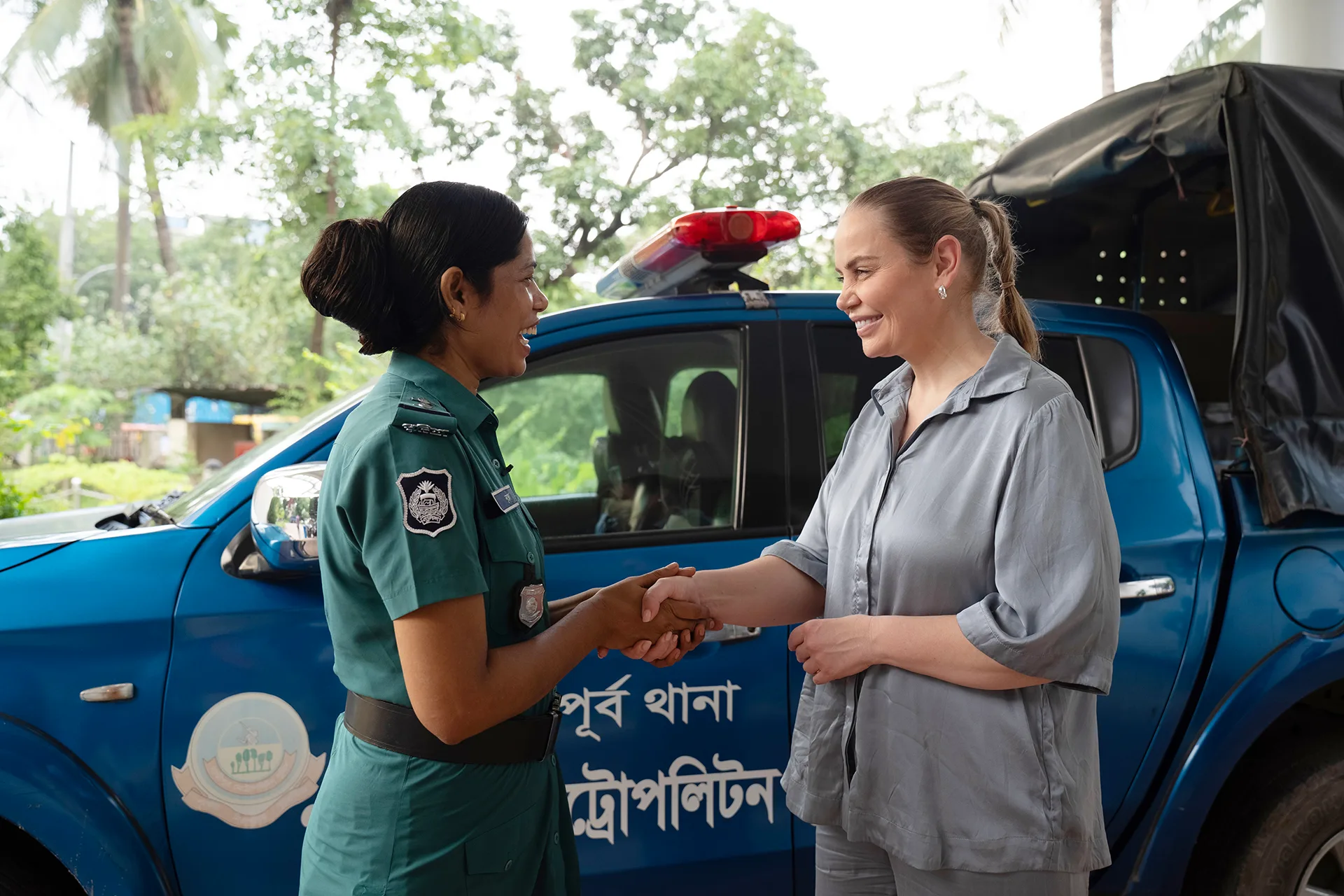
You’ve travelled the world and seen a lot through your tennis. Bangladesh is one of the world’s most densely populated countries, with almost 176 million people living within an area of about 148,000 square kilometres – roughly two-thirds the size of Victoria. What struck you most when you first arrived in Dhaka?
I have seen a bit in my lifetime. I grew up in poverty; I was a refugee twice. I know what it’s like not to have food on the table, to not have heating in winter. And I’ve experienced that through war. But to see the devastation and the level of poverty that whole communities live with in Bangladesh – not having sanitation, not having running water and those basic needs – is on another level. And in poverty, the people who suffer the most are women and girls – through child marriage, violence, early pregnancy. So that makes it even more devastating. When I saw things, I remember thinking: ‘We’ve failed as humanity if we’ve got this in the world.’
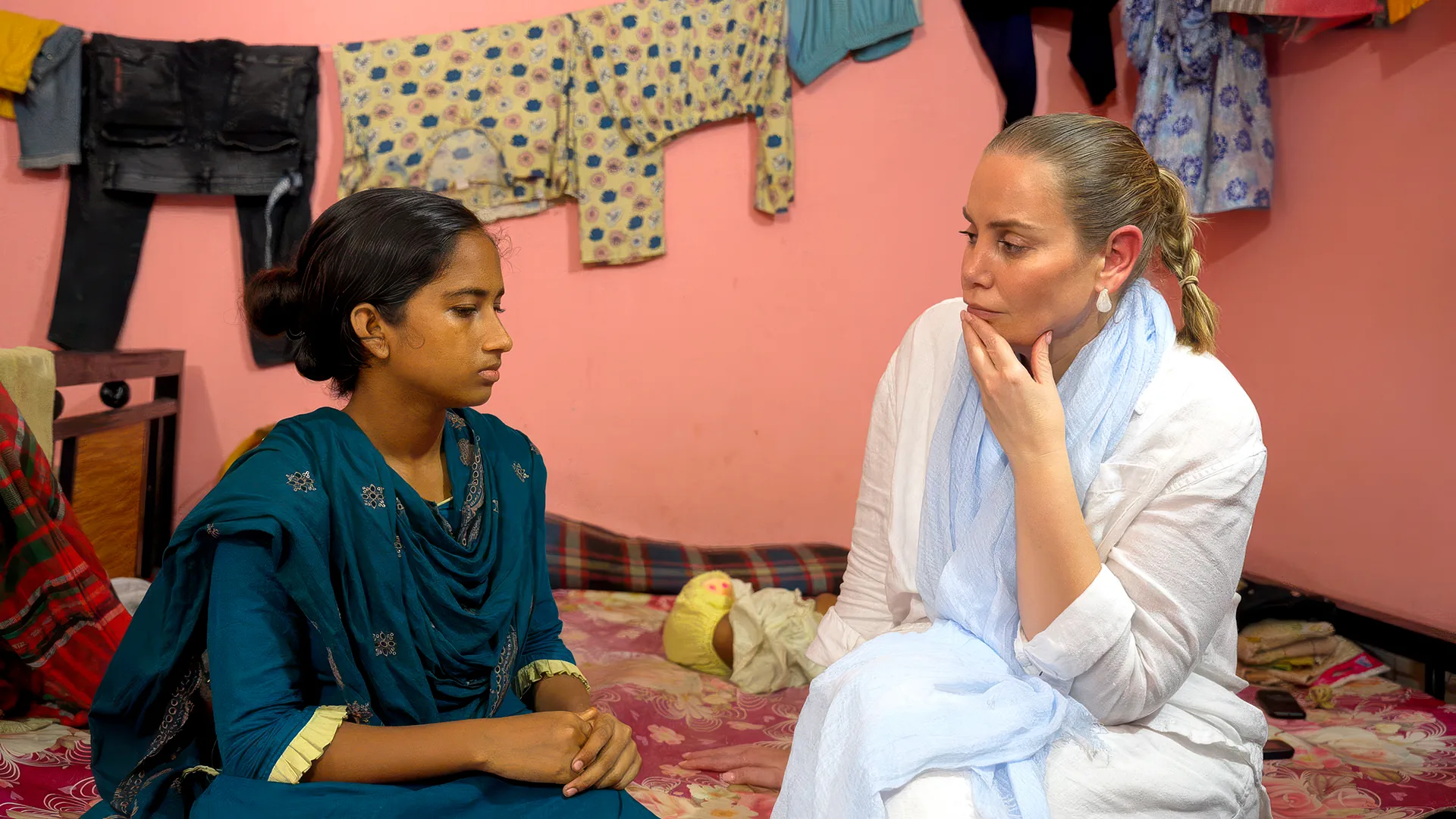
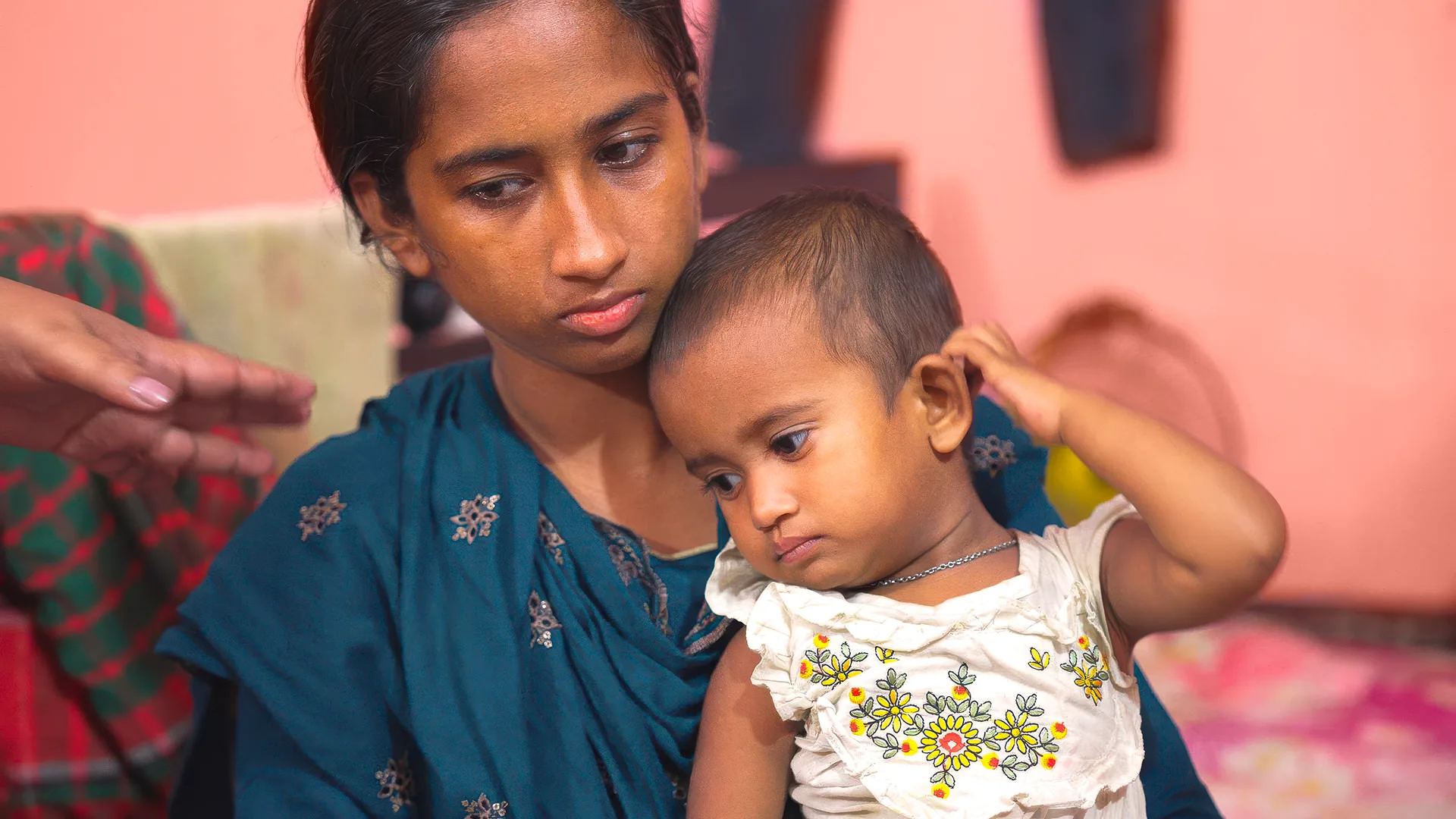
Let’s talk about Ruby, who you met in the Korail slum. Ruby was married before she was 14 and soon the mother of two daughters, but her body was so underdeveloped that she had to undergo two caesareans. She endured years of abuse from her in-laws because she had given birth to girls instead of boys.
Ruby wrote me a letter that says: “My life is done. I’m a broken person.” And that gets me every time I read it. But she adds, “I’m here, and I’m living just so that my two daughters don’t have to go through this. This is my life mission, and I will do whatever I can.”
When I met her, the first thing I thought was, ‘Look at this tiny girl, yet she has the strength of the world.’ She just goes about things, no questions asked. But when you dig deeper, she was in so much pain physically, emotionally, psychologically. I just cried for her. But people don’t want you to feel sorry for them.
At the same time, I wanted to show the emotion and love for her. I just hugged her, and I said, “I’m so sorry,” because I felt like we failed her. I was left with so many thoughts of anger and frustration, but there’s also hope – you see the strength in her.
And after the cameras turned off, she came to me, and she said [through a translator], “You know, I really like dancing”! This whole different girl came through. She loves it. She showed me a video of her dancing, and she is the happiest girl. She’s got this smile on her face. And I was thinking: ‘There’s hope.’
Then she told me she wants to learn to sew and become a tailor so that she can work and help her daughters and family. It’s amazing when you just listen to someone and let them feel like they’re supported … She said, “I just want someone to walk beside me, someone that I know has my back … World Vision does that.”
So that gave me hope – seeing the strength of these girls and women, you realise anything is possible. It shows the incredible resilience of the human spirit.
What do you think Ruby would want us to understand about what she’s been through and how we can help?
I think she would want us to know what happens, to spread the word about how World Vision helps. To be honest with you, I actually didn’t know just how much they do. But I also didn’t know about the level of violence and everything that happens with early marriage and early pregnancy. More than 51% of girls go through that in Bangladesh, and it rises to as high as 65% in the poorer slum areas. And one girl every three seconds gets put into an early marriage situation without a choice, which can often lead to early pregnancy. That is 12 million girls a year globally.
I never knew about this. So many people don’t know about this. That’s what they would want us to know: how much it happens. And they want their stories to be heard. They want to feel like they’re not alone. They want to feel like someone listens, understands and is doing something about it.
And Ruby’s hope is for her girls and the next generation. In the last eight years alone, World Vision’s 1000 Girls campaign has sponsored more than 50,000 girls and changed their lives so they didn’t go through what Ruby went through. For every girl that is sponsored, it’s not just helping that one girl – up to four other girls in the community can benefit from that. So this campaign has helped more than 250,000 girls around the world.
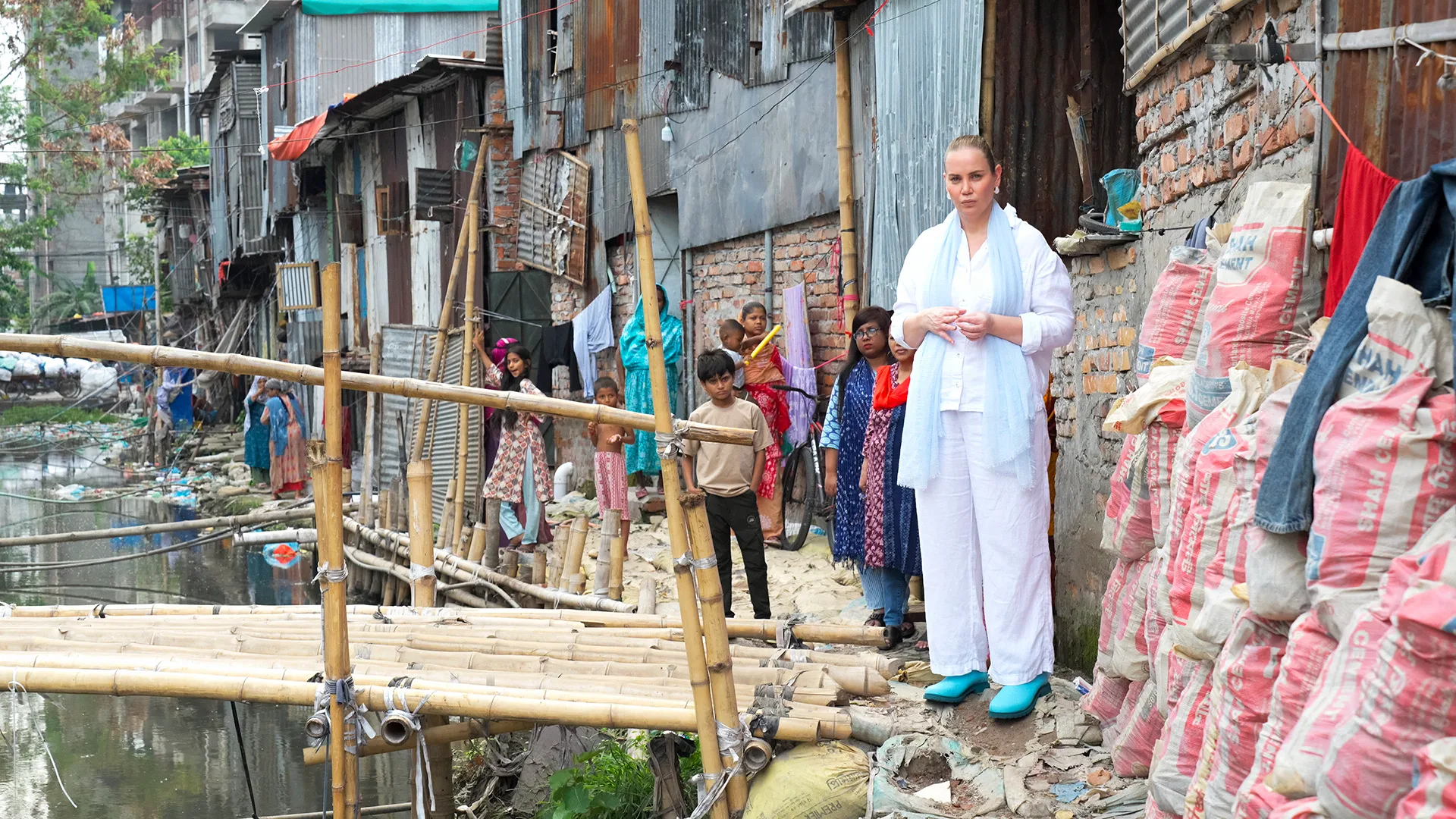
Tell us about meeting the young people on the World Vision Child Protection Committees, whose work helps the wider communities.
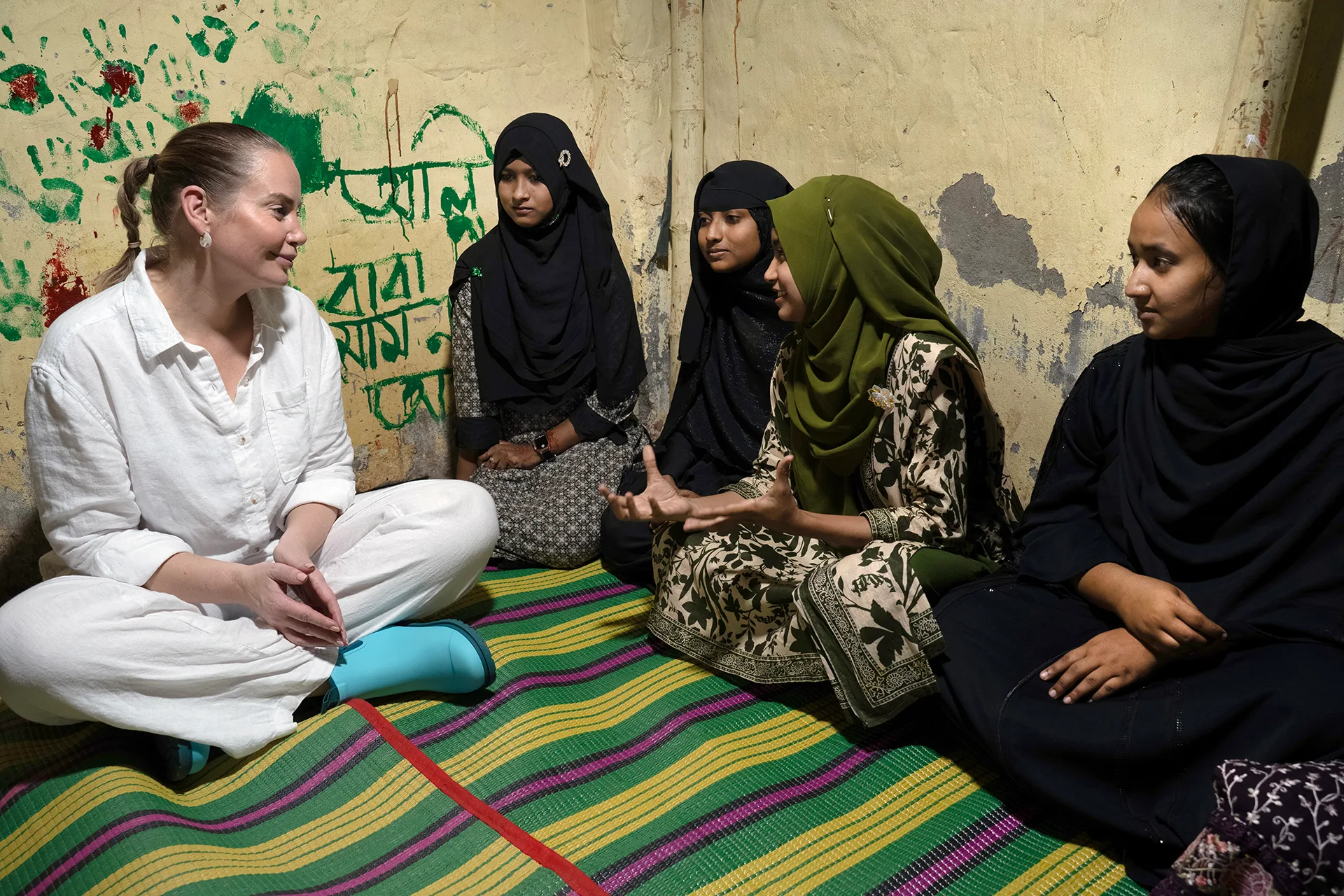
It was amazing to see the change, the hope, the solutions. For example, with Ruby’s family, World Vision was able to provide a rickshaw for her brother to be able to actually work. By investing in these youth programs, they’re making a difference in each of the communities by educating families as well.
Sometimes issues are distance and not being able to have buses to be able to take girls to school. But it is also about empowering them and motivating them and their families to show how valuable girls are. Every year a girl is in school dramatically lifts her opportunities for what she can do next, and issues like early marriage lessen every year that she’s in school.
It was incredible to see how, in doing this, they’re actually stopping early marriage family by family in communities. Each program and youth group has stopped hundreds of them. They’re also getting young boys and men involved in supporting these girls.
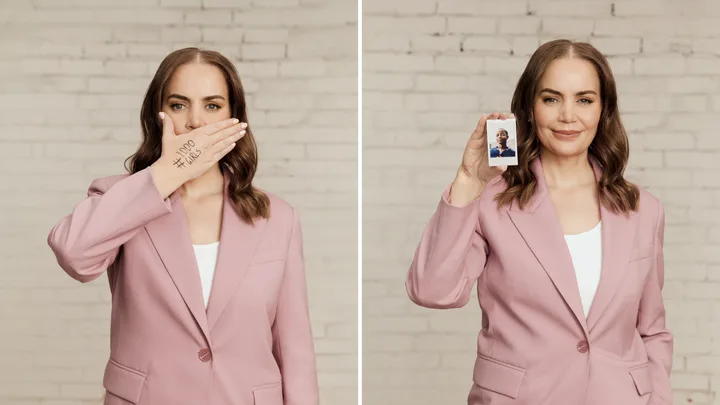
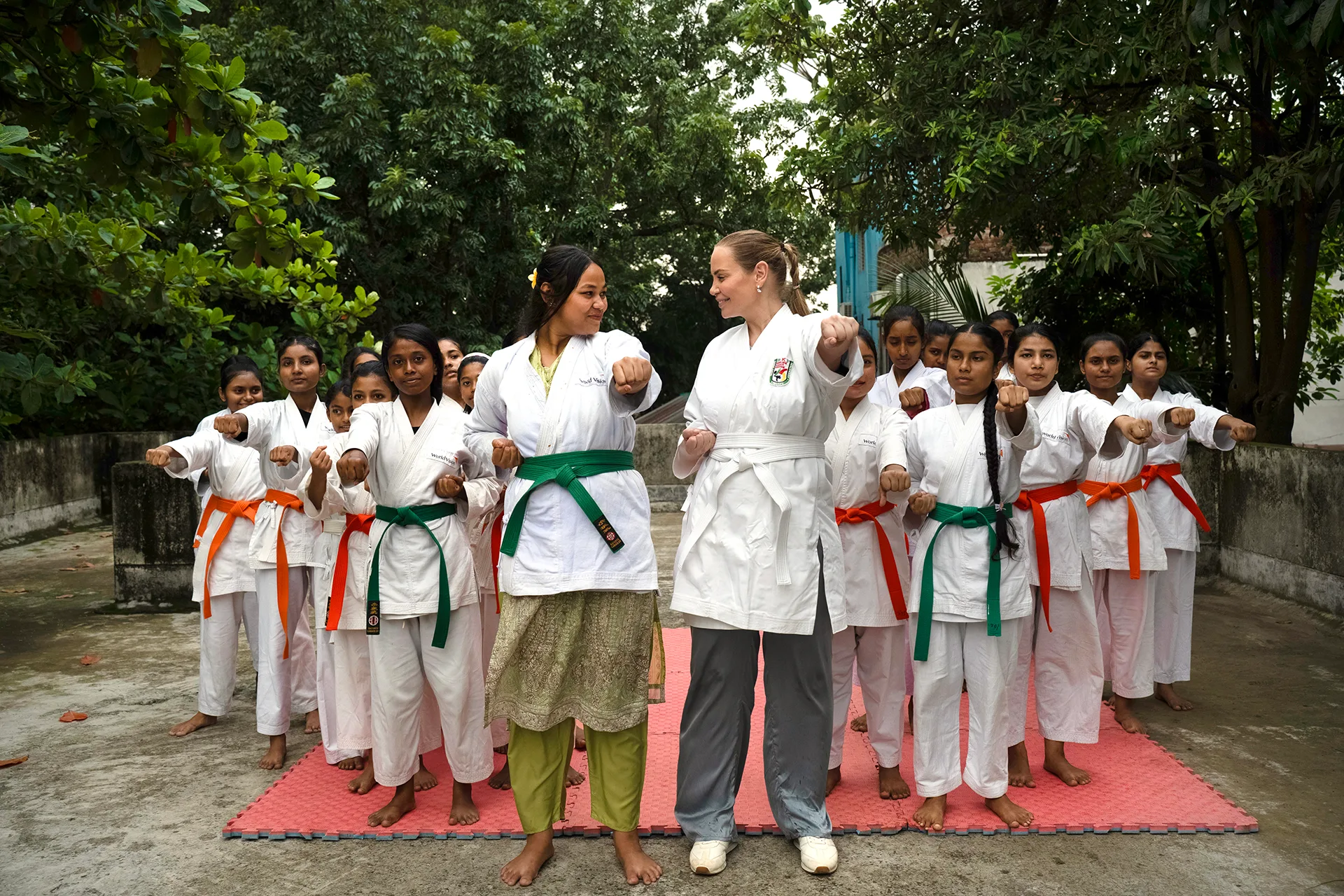
We saw self-defence classes for girls in one school, giving these girls something that they love to do – exercising, coming to classes, connecting together. To see change like this being enabled from the grassroots was amazing.
It really gave me so much hope to see these young girls and women already advocating for what’s right in their communities. They are trying to spread the word about education, health and protection, going literally family by family to try to rescue these girls and then put them into school and give them a future. It was inspiring to see how aware they are in actually trying to change the thinking that’s been around for so long.
World Vision is educating them and providing the framework to change their communities.
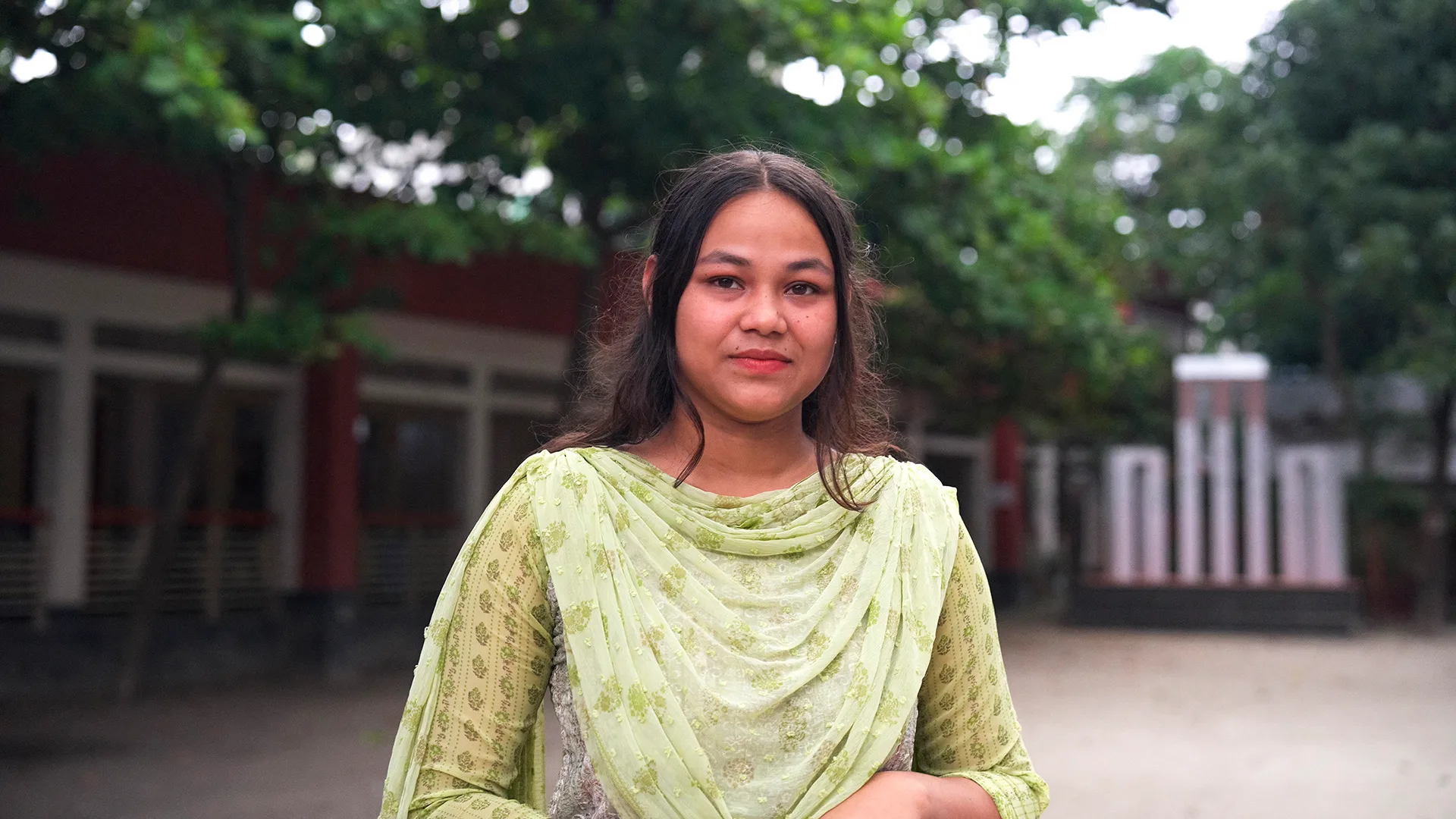
As they say, it takes a village. The more you empower women in those communities, the more it grows to help multiple people. Tell me about meeting Saborna, a youth leader who is helping transform the future for girls in her community.
Saborna is still so young, but she is a powerhouse! Through World Vision-supported Youth Forums and Child Protection Committees, Saborna learned about her rights and found the confidence to become an advocate for other girls. Now she works alongside local leaders, parents and community members to identify girls at risk and prevent child marriages before they happen. She’s even inspiring young men to come on board and help and support girls and women.
It was amazing to see what just a little bit of help and education does, and how it can give so much empowerment to actually go on and do bigger things. That’s the real power of education.
I love that Saborna had read your books. What did you think when you heard that?
It was amazing. She says: “You’re so strong. You’re so courageous.” And then I’m looking at these girls who are going through so much and are equally as strong, and I just want to use my voice to try and help them. That’s my mission. Like I said, if I can do it for one person and one girl, then for me it’s a massive mission accomplished. It’s so life-changing, and it genuinely is creating change.
To learn more about World Vision’s work and to sponsor a girl, head to worldvision.com.au/sponsor-a-girl or call 13 32 40. If this story has raised issues for you, you can contact Lifeline on 13 11 14 or chat online at lifeline.org.au
This feature originally appeared in the September 2026 issue of The Australian Women’s Weekly. Subscribe so you never miss an issue.

