




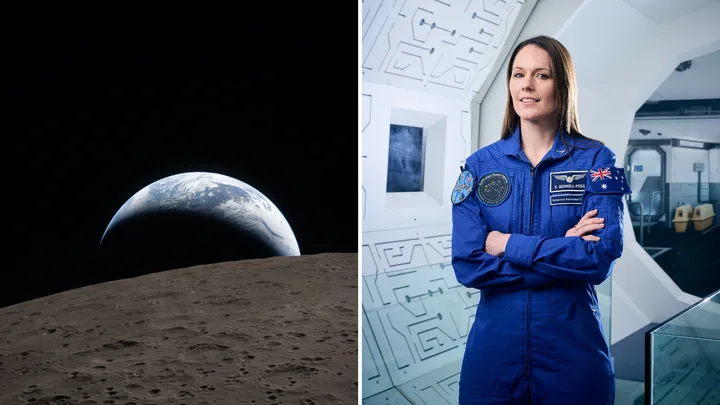
When that ‘one small step’ was taken on the Moon in the 1960s, it left an unmistakable imprint of its time. The Apollo astronauts were all men, drawn from a system that excluded women from orbit and the decision‑making table.
Back home in Australia, that exclusion was woven into everyday life. As a public servant myself, it stunned me to learn that until 1966, women in the Australian Public Service were forced to resign when they got married. It wasn’t until the 1970s that banks would grant a woman a loan without a male guarantor. Space, like so many fields, was imagined as a male domain because society was built to make it so.
The women of Artemis II
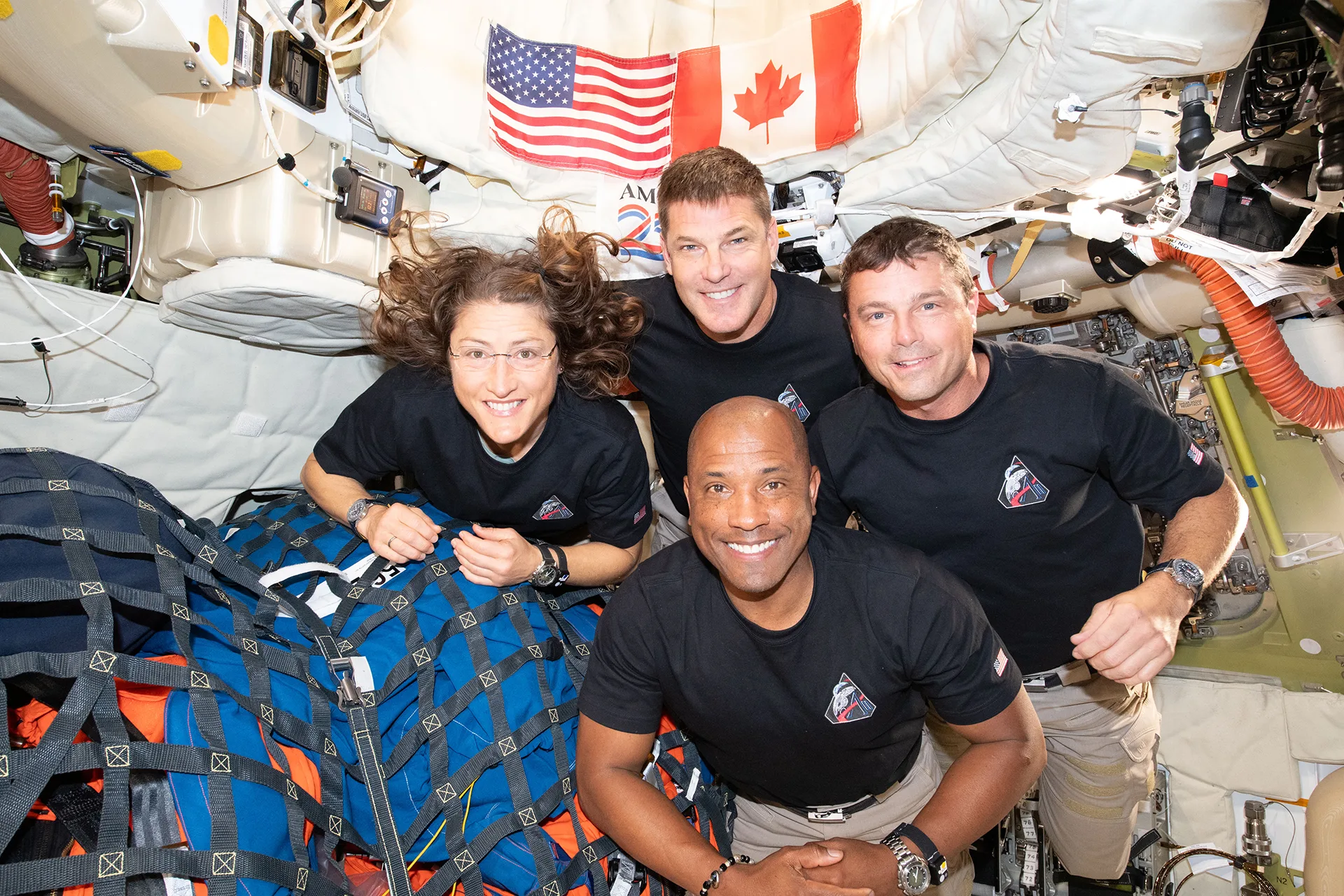
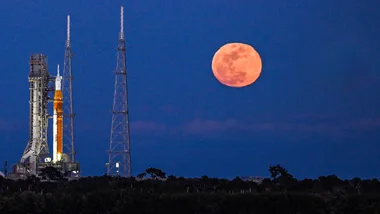
Fast forward to Artemis II, NASA’s first crewed mission around the Moon in more than 50 years, and the contrast is striking. The mission includes Christina Koch, the first woman to travel to lunar orbit, supported by a leadership team rich with women engineers, scientists, flight directors and program managers. This is not symbolic inclusion – it is earned expertise, visible at the highest level of human endeavour.
Representation, in all its forms, matters because role models matter. When girls see women shaping history beyond Earth, it quietly reshapes what they imagine possible here on the ground. The same is true for Victor Glover, the first person of colour to orbit the Moon.

Artemis’ mission of hope
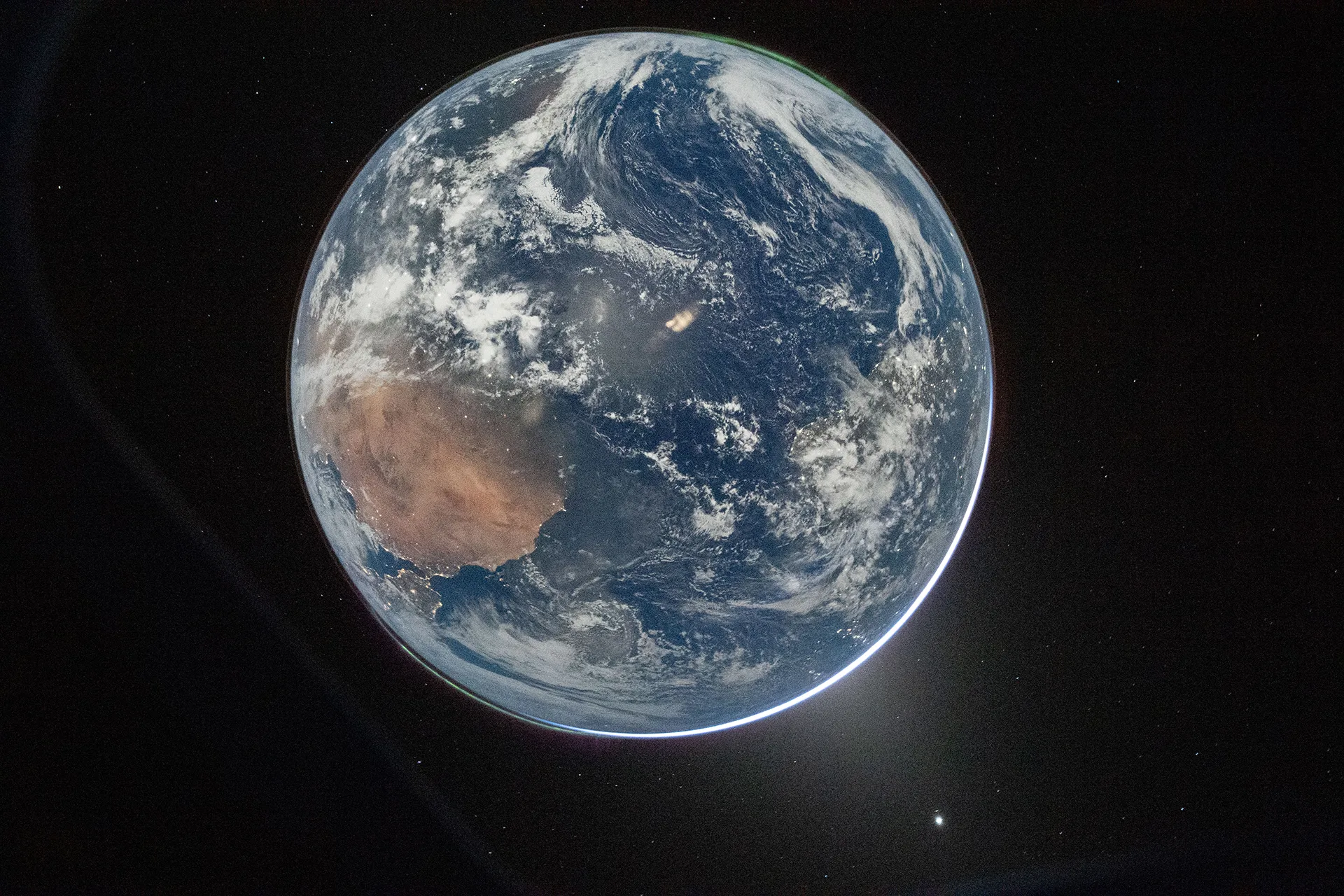
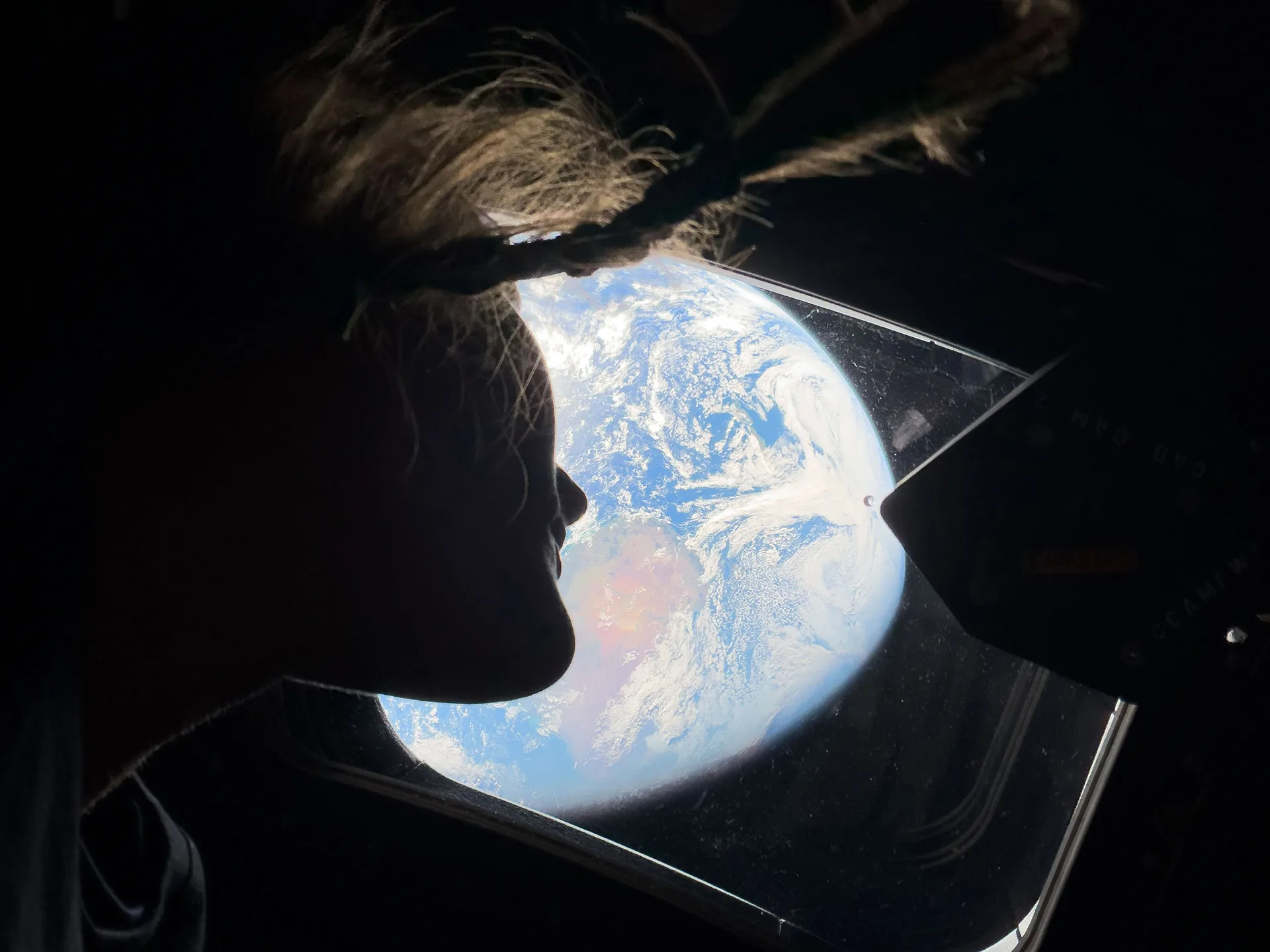
The mission too, in a world full of conflict, has been a powerful reminder of what can be achieved through working peacefully in partnership. During astronaut training, we learned about the overview effect – the cognitive shift that comes from seeing Earth from space. You can’t see borders from up there. Just a fragile, shared home and a powerful truth: We’re all in this together.
What has been heartening for me is the seemingly similar cognitive shift happening with people here on the ground. This mission has captured people’s attention and inspired them to look up and out, when there are so many issues which give us the perfect excuse to look down and in. We are once again reminded of the power of ambition in grand, meaningful pursuits – the importance of preparing for the future while, in parallel, confronting the challenges of the present.
Our future in space
Artemis II has seen humans travel faster and further than ever before, as we test the vehicle and learn new science that will support humans returning to the surface of the Moon later this decade. This time we’re going to the Moon to stay – to unlock science that can teach us about the origins of our Earth which will help us tackle generational issues like climate change. Artemis – like Apollo – will be an engine room for innovation that will revolutionise life on Earth. So much of what we take for granted today can be linked back to the Apollo program.
But what we’ve seen over the past couple of weeks is just the beginning of a new phase of discovery as humanity looks to establish a lunar base on the Moon – and eventually go on to Mars. As the astronauts themselves have said, they hope their mission is quickly forgotten and overshadowed by what it paves the way for.
Australia’s role in the Artemis mission
Artemis II is a new beginning for space exploration and Australia’s contribution to it is also just beginning. Our cutting‑edge space capabilities directly supported the Artemis II mission, including through:
- New laser communications from the Australian National University which made it possible to receive high-res video and images from the mission in close to real time. Funded by the Australian Space Agency, the tech is so much faster, it’s being described as like when we went from dial-up to broadband internet.
- And CSIRO, Australia’s national science agency, which helped track the mission through the dishes it operates across the country.
After 40 minutes of comms blackout while the astronauts went around the far side of the Moon, it was Aussies at these ground stations waiting for them as they reemerged.

Artemis III and beyond
Backed by the Australian Space Agency, our nation’s contribution to Artemis III and other lunar missions will extend beyond communications and tracking. From Australia’s first lunar rover, Roo-ver, to technologies designed to grow plants on the Moon, guide lunar landers, and analyse Moon minerals – we are putting hardware on the lunar surface.
These projects are helping to grow our nation’s industrial capability, boost productivity and build economic resilience. For every dollar the Australian Space Agency has invested into space exploration, seven dollars have been pumped back into our economy.
Girls can dream big
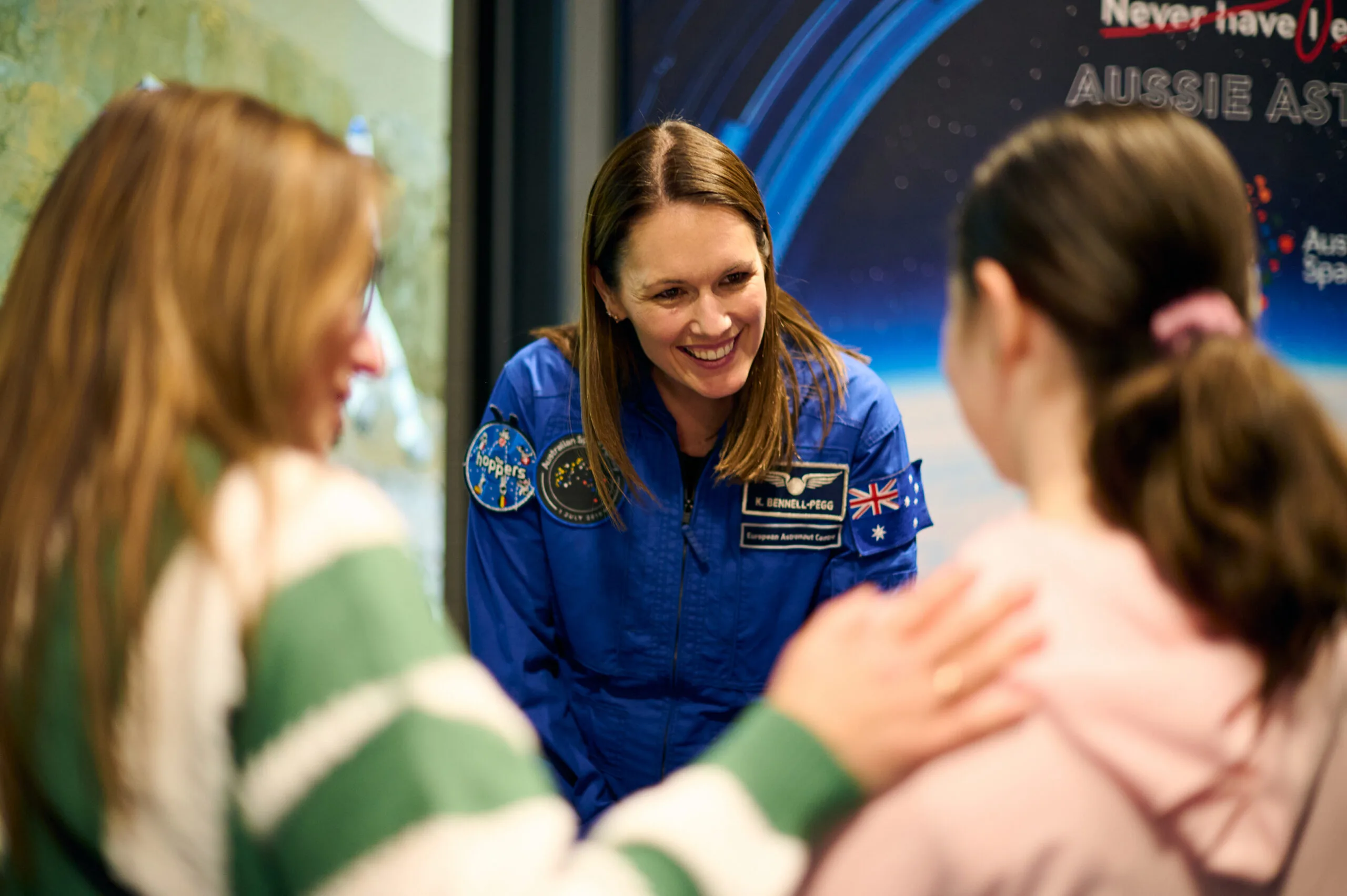
Unlike the Apollo era, where Aussie kids watched on in awe at the achievements of others, I hope during the Artemis era Aussie kids – particularly young girls, like my two young daughters – watch on in awe of our own nation’s achievements. And of what their future could hold.
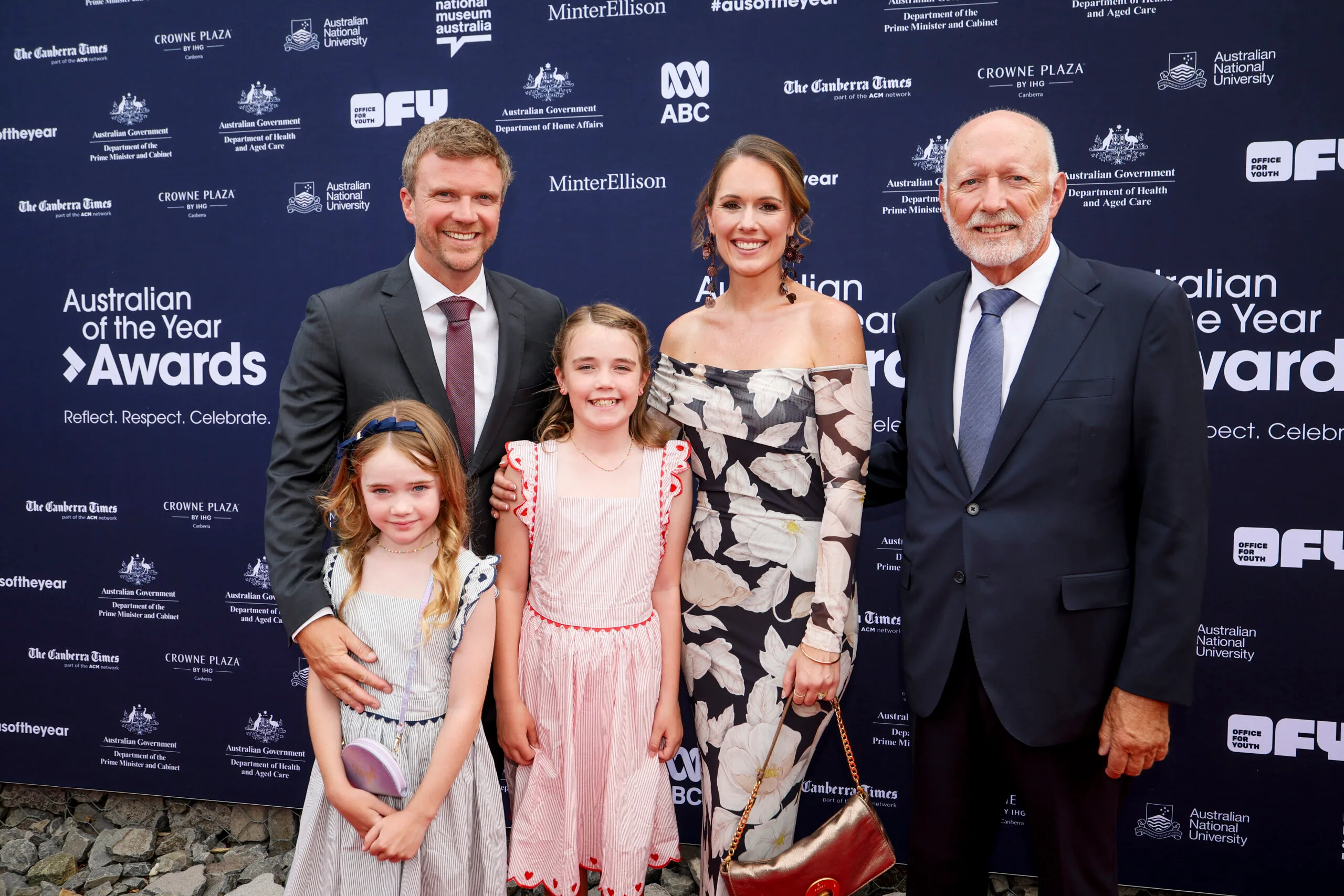
Beyond economic and industrial opportunity, space is one of the most powerful ways to lift the aspirations of our young people. And it’s a change we desperately need. Australian girls are underperforming boys in Year 4 and Year 8 maths – and that underperformance was greater than in 58 countries surveyed. It’s not for a lack of potential. We have the lowest ever enrolments on record in Year 12 intermediate and higher maths, with only one girl enrolling for every two boys. Fewer than four per cent of Australian engineers are Australian-born women. The biggest barrier? Many girls simply don’t know what engineering is. Just like I didn’t. I applied to study physics and ‘space’ engineering because the word space was in the title.

That’s why those images of a mission control filled with powerful, smart women – and a boundary pushing female astronaut orbiting the Moon – are more than just milestones and observations for the history books. It says to the next generation that technical careers are places where women can belong, lead and thrive, without a word even being spoken.
