




Content Warning: This article discusses mental health issues, suicide, and peri- and post-natal depression, which may be triggering for some readers. Help is available.
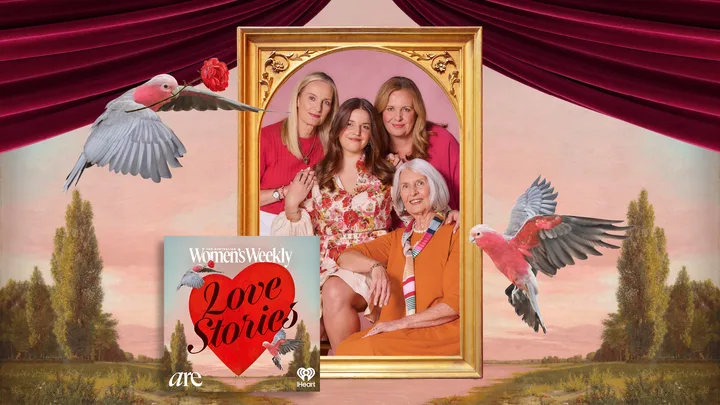
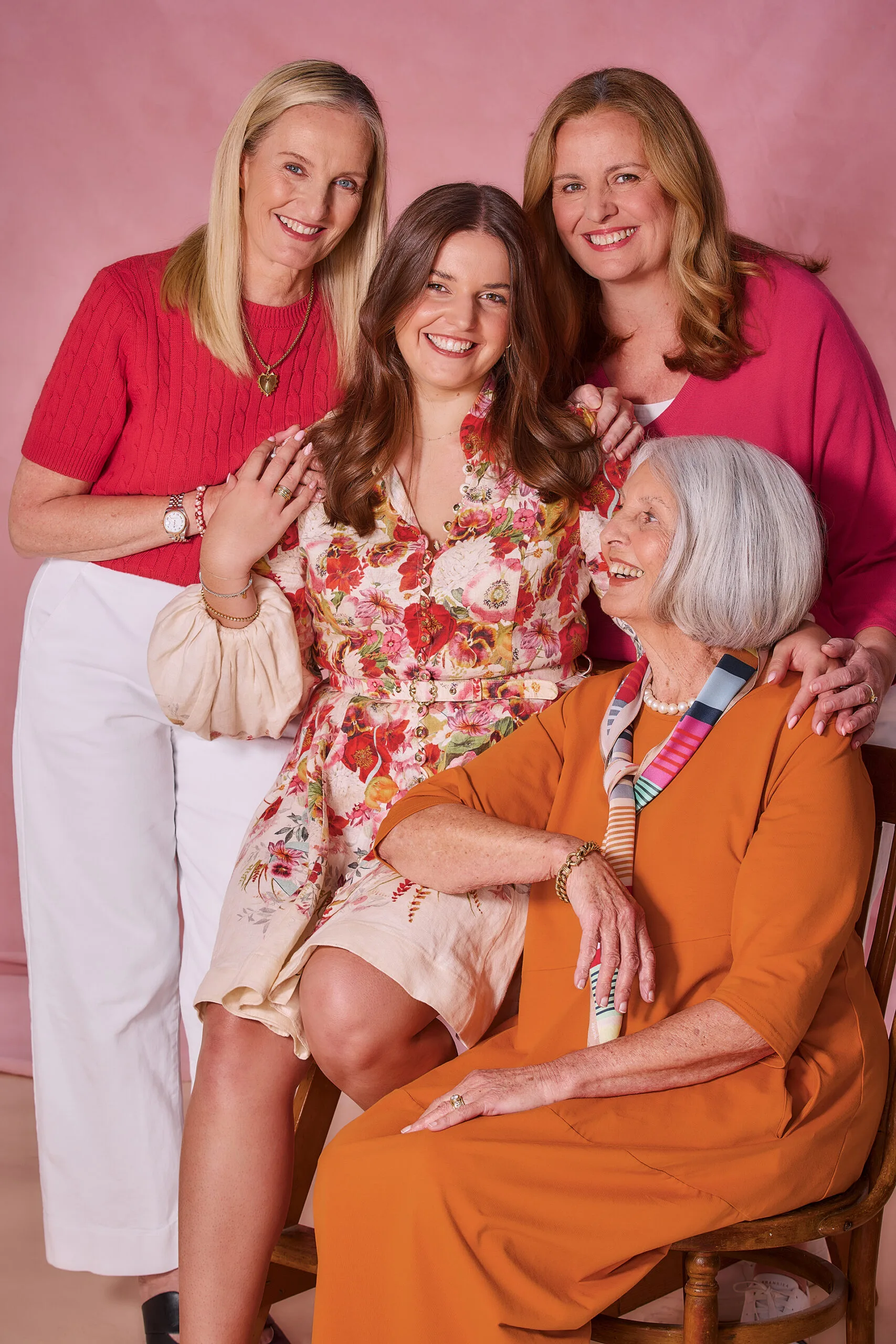
After the heartbreaking loss of a much-loved daughter, sister and mother, the Cotton family created a lifesaving legacy that has helped thousands of perinatal women. Three generations come together publicly for the first time as the Gidget Foundation turns 25 on The Australian Women’s Weekly Love Stories podcast.
Listen to the episode:
When Sue Cotton had her first baby in 1967, she was only 21, and she was terrified. She was newly married and living with her husband in Auckland, but the pregnancy was unplanned. “Before she was born, I had never even held a baby; I didn’t really like babies,” Sue says.
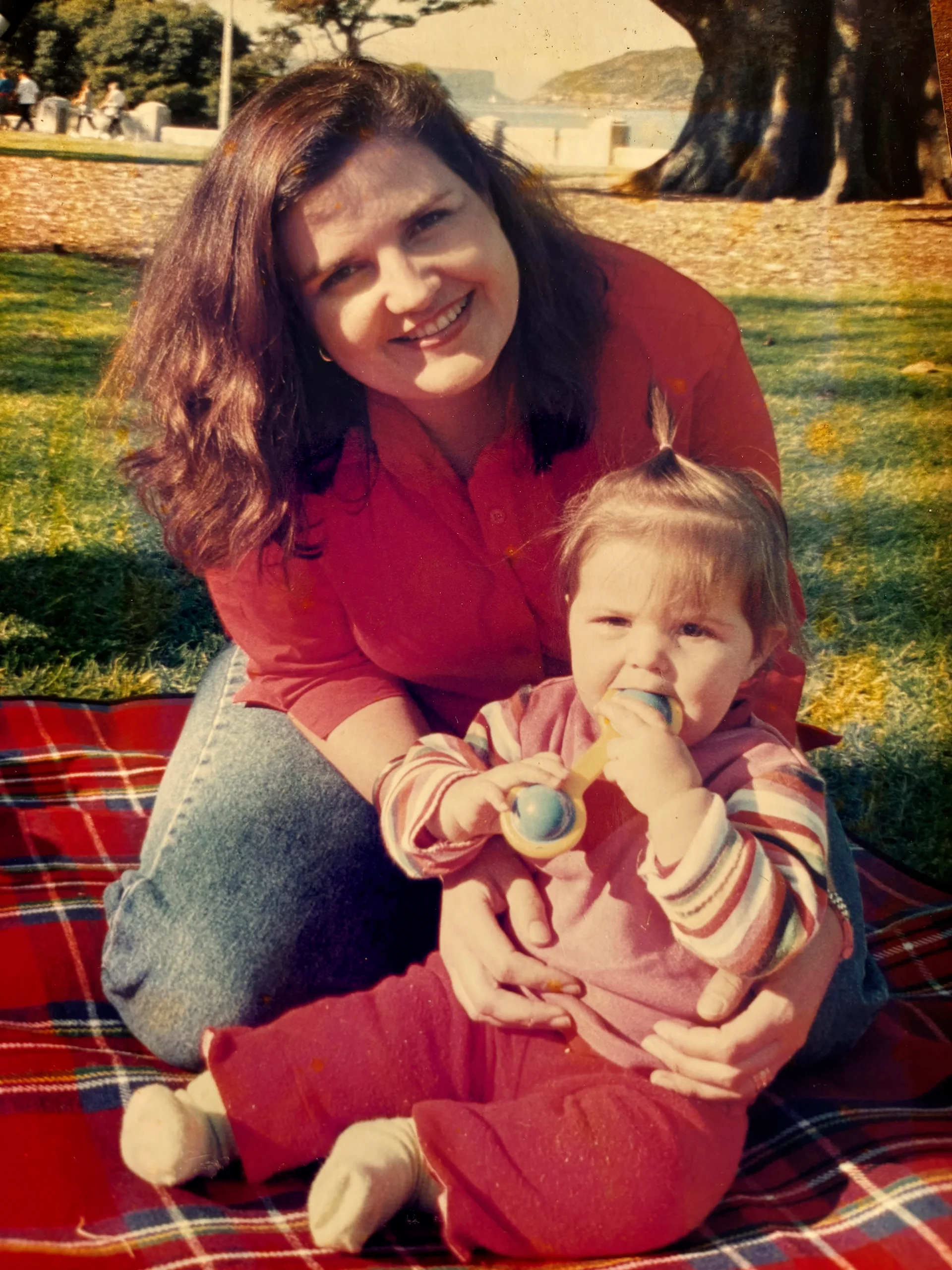
Sue named her dark-haired daughter Louise. Soon after the birth, her husband went back to work. Back then, mothers didn’t meet for lunch or coffee. There were no kid-friendly cafes. Over long days together, Sue and Louise got to know each other, and Sue became a confident, happy mother. When she talked about that time at a fundraising lunch for perinatal support in 2017, it was with a wistful nostalgia. When Louise wouldn’t settle, Sue would put her travel cot into the back of her Mini and drive her around until Louise was asleep.
“My husband was away every week from Monday to Friday, so she was my number one,” Sue tells Love Stories host Tiffany Dunk. “It wasn’t long after her birth that I felt it was the best thing that ever happened to me.”
Despite her initial fear, Sue never suffered from any anxiety or depression relating to pregnancy or motherhood. In 1970, the family moved to Australia. Sue had two more daughters, Jacqui and Simone, and found the experience similarly untroubled.
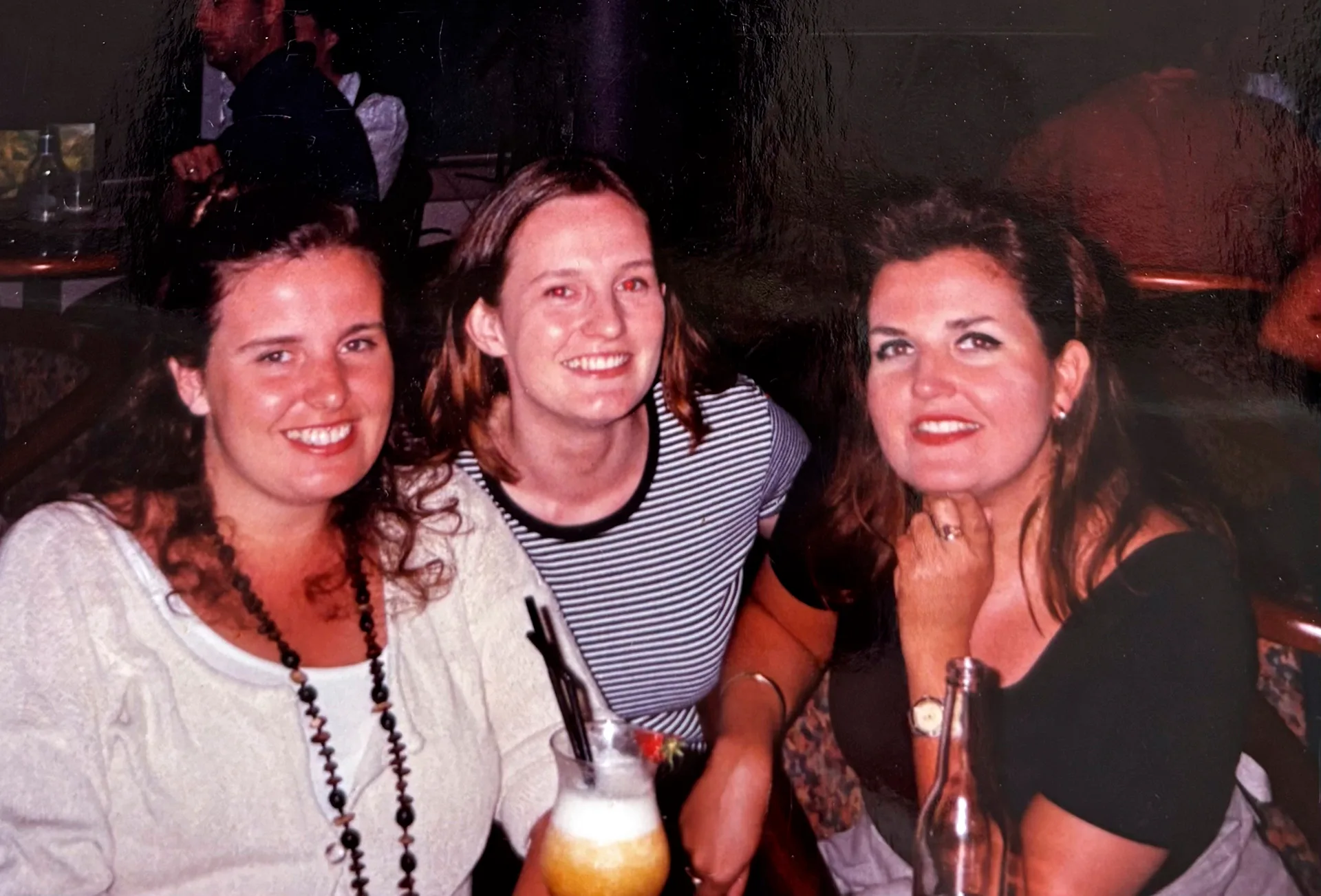
Her eldest, meanwhile, grew up to “really enjoy life. She had nice friends, and she went through all the problems other kids go through, but she was a really well-rounded, lovely girl who did her very best at everything she did.”
It was only when Louise became a mother that Sue and her family learned about perinatal depression and anxiety (PNDA). Now, Simone and Jacqui are founding board members of the Gidget Foundation Australia, the country’s leading not-for-profit perinatal mental health provider. They named the foundation in honour of their treasured Louise, whose nickname was Gidget, and who, in 2001, became one of the many women for whom untreated PNDA ends in suicide.
“We don’t want anyone else to go through what our family and friends went through all those years ago,” says Jacqui Cotton. “That’s how we honour her.”
When they look back on the last months and weeks of Louise’s life, Sue, Jacqui and Simone can identify warning signs that something wasn’t right. But at the time, with so little information about the condition, they couldn’t recognise what they were seeing. Louise sometimes seemed tired or disinterested, but she was also a new mother, who was deeply loved by her family and her husband. They had no reason to suspect she might end her life.
“I knew nothing about postnatal depression,” Sue says. “I thought that if you were affected that way, that you would be in a dark room and curled into a ball. She couldn’t have had a more fabulous husband and family. We all adored her.”

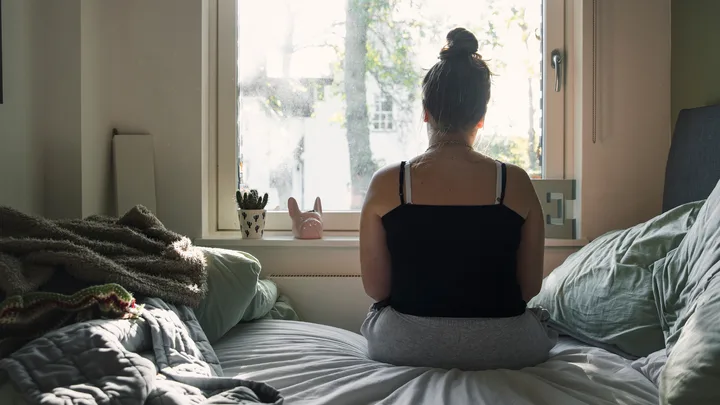
Today, maternal suicide is recognised as a leading cause of death during the perinatal period. (Perinatal refers to the period from conception to the child’s first birthday.) PNDA affects one in five new mothers and one in 10 new fathers. About 100,000 new parents are diagnosed with PNDA in Australia each year.
But in 2001, there was very little information or support for the condition. Numb with grief and shock, and determined to honour Louise, her family and friends set about creating an organisation that today provides life-saving support to new parents. They want everyone to know the warning signs of PNDA and where to go if they need help.
Louise’s family members paint a picture of a happy young woman who followed through on her goals and had a bubbly personality. She loved to sing, even if she didn’t know the words to a song. Portuguese tarts were her favourite dessert.
“We always had a very close bond. She was a very quiet little girl, but she grew up to be the advertising manager of Country Style magazine,” Sue says. They were always close. “She rang me pretty much every day of her life.”
Louise loved fashion and shopping. She owned a polka-dot bikini that earned her the nickname Gidget because her friends thought she looked like Sally Field in the 1960s TV series.
“Louise would take me to the beach and on outings to the shops,” Simone says. “We were very close. She just loved buying things.”
Mutual friends introduced Louise to a man named Dave. They quickly fell in love and got engaged. On the day of her wedding, Louise wore a bright red wedding dress. “And it was fabulous,” says Sue.
A few years later, Louise became pregnant. She was overjoyed, but her pregnancy brought a subtle shift in her personality that, at the time, her family attributed to exhaustion.
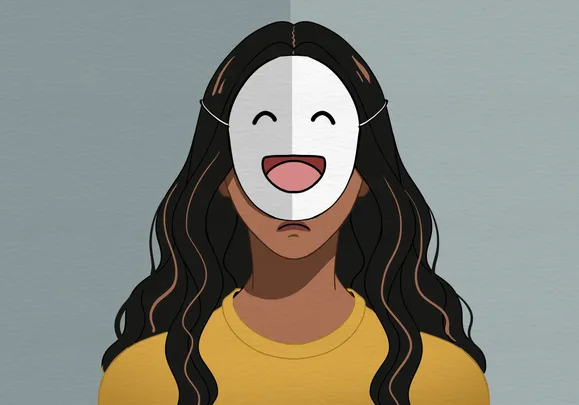
“She was strong enough to carry it through and put on the happy face and enjoy it as she could,” Sue says.
One day, the two of them went to David Jones to buy a baby blanket. Louise couldn’t decide if she wanted a knitted blanket or a fabric one. “That was not really like her because she knew what she wanted,” Sue recalls.
In the lead-up to Simone’s wedding, Louise said she didn’t want to be a bridesmaid but offered to do a reading.
“I had noticed she was quite fatigued. I just thought, ‘Well, that’s what happens when you’re having a baby’,” Simone says. “She was not as excited as I was anticipating she was going to be. In hindsight, you think about these things a lot.”
When Jasmine was born, Louise appeared truly happy.
“She just adored being a mum,” says Sue. “She would say things to me like, ‘Just look at her. Isn’t she perfect? Can you believe that we made her?’ One thing that really bothers me, still today, is that I went to visit one day and Louise came to the door holding Jasmine and I made a big fuss of, ‘Oh, look at her, she’s beautiful.’ Then Louise looked at me, and she said, ‘What about me?’ That’s one of the few things that still causes me grief.”
When Jasmine was about six months old, Louise asked Sue if she thought it was possible she could have postnatal depression (PND). “I said, ‘Why would you say that?’”
Louise replied: “I just wonder.”
“She would’ve done a lot of reading,” Sue says. “She always researched things.”
Louise also raised the possibility on the phone with Jacqui, who was living in the UK at the time.
“I was like, ‘Don’t be stupid. You’ve got everything you want’,” Jacqui says. She had no experience with a new mother, let alone somebody who was suffering.
Louise had discussed her concerns with her GP. She underwent the Edinburgh Postnatal Depression Screening Test over the phone. Sue was with her.
Sue recalls Louise saying, “‘Can you believe that she asked me if I felt like hurting myself or the baby?’ I said, ‘I guess it’s just part of it’.”
Louise’s doctor concluded she was mildly depressed. Sue tried to help where she could.
“Louise wasn’t sleeping,” Sue says. “I had no idea that could be a reaction to PND. I invited her over for dinner, and I said, ‘Why don’t you let Jasmine stay? You go home and have a good night’s sleep.” Sue didn’t have to be anywhere until 11am the next day, so she told Louise not to rush.

Louise rang at 7.30 in the morning. She hadn’t slept at all. Sue told her to have a sleep-in. “I said, ‘Make the most of the time.’ That was the last time I ever spoke to her.”
When Louise didn’t arrive to pick up Jasmine, Sue rang Dave and asked if Louise was sick, and he said he didn’t know.
“The next time I heard from someone was from a friend who rang me. I said, ‘Do you know where Dave is?’ She said that he was with her husband on the way to the morgue. She obviously didn’t know that I didn’t know.
“That was pretty shocking, as you can imagine.”
Simone was at work when she heard the news. Jacqui was in England. “We went up to Mum and Dad’s, and it just all came crashing in,” Simone says.
In the aftermath of Louise’s death, Dave and Jasmine moved in with Sue while the family grieved and tried to understand what had happened.
“When we were talking about it at first, I didn’t understand what depression was,” Simone says. “I was very sheltered from it. I’d never experienced anything myself. As far as I knew, my family hadn’t. We were just totally unaware. People didn’t talk about mental health.”
Together, the family put together a picture of what Louise had been going through.
“There were all these snippets of information that came together,” Simone says.
When it came time to hold a funeral, they asked mourners to donate to an organisation working to support women with perinatal depression, but they found there was very little work being done, and precious little help available.
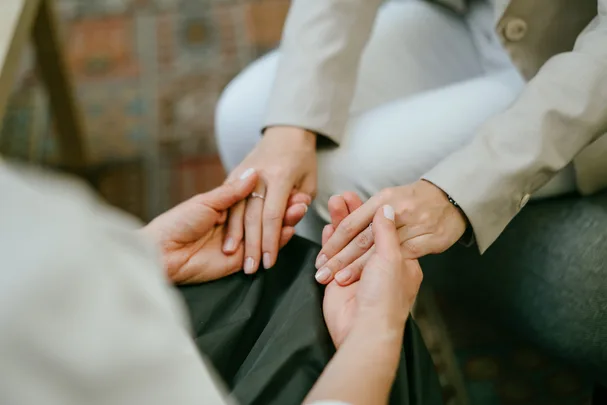
Eight weeks after Louise died, the family received a call from the parenting service Tresillian, which provides mental health care, including in-patient support. They said they had a bed for Louise. The family didn’t know she’d requested one.
That’s when Louise’s loved ones said, “There needs to be some help,” says Sue.
Louise’s sisters and friends had an emotional, tear-filled discussion.
“It was [Louise’s friend and Gidget co-founder] Libby Bowditch who said, ‘We need to get a house. We need to get somewhere where people can go for help.’ Because there just wasn’t anywhere. That’s how it started,” says Jacqui. They organised a fundraising ladies’ lunch. Two hundred people came. They sold out of raffle tickets and raised $20,000.
“It was quite extraordinary,” says Simone. “That told us there is such a need. We didn’t really know what we were going to do with those funds, but we just knew we wanted to do something in memory of her.”
They named their organisation Gidget Foundation Australia. For the first 10 years, they raised money for organisations already working in the early parenting space, including a support line and Tresillian. Tresillian told the Gidget founders that one in three parents coming into their programs was being diagnosed with either depression or anxiety associated with pregnancy or early parenting.
It was around that time they had a chance meeting with an obstetrician and his wife who recognised that vital need Gidget was working to address. They came along to a meeting with the founders and said, “You need to look at doing a program, and we can help.”
This was a turning point. In 2013, the foundation opened the first Gidget House in North Sydney, which included consultation rooms for new parents in need of help.
“The fact that there was always a waitlist told us we needed to do more,” Simone says. We needed to find ways to roll out the Gidget House program to as many locations as we could.” Despite the evident need, the Gidget founders had to battle to secure support for their cause.
Companies they approached for corporate sponsorship rebuffed them, saying it was an “unsexy” cause.
“The exact words were, ‘We don’t want to be associated with anything that’s going to put a dark cloud over motherhood’,” Jacqui says. “It was pretty brutal.”
The founders would attend GP conferences and hand out brochures about PNDA.
“They’d come out, and they’d say, ‘What are you selling?’ We’d say, ‘We’re not selling anything. We just want to raise awareness. This is an illness that you need to be aware of,” Simone says.
Slowly, attitudes towards PNDA began to change. Twenty-five years after its first lunch, Gidget Foundation Australia has delivered more than 115,000 free appointments to support more than 15,000 families nationally. There are now 45 Gidget House locations across Australia, and the foundation is on track to open its 50th service by the end of 2027. It also offers a telehealth program for people in remote and regional areas seeking help.
“Anyone who wants to come in, who has a referral from their GP, accesses the service free of charge, which was always really important to us,” Simone says. “They can access face-to-face counselling, plus we also do a group program and provide telehealth services as well.”
Jacqui and Simone still regularly hear from mothers and fathers who have been pulled out of despair by the support of the foundation.
“I’ve been told by people a number of times that the Gidget Foundation saved their lives,” says Simone. “That’s quite overwhelming when you hear it, but it’s good to know that’s the result of what we’ve created.”
Louise and Dave’s daughter, Jasmine, is now also involved.
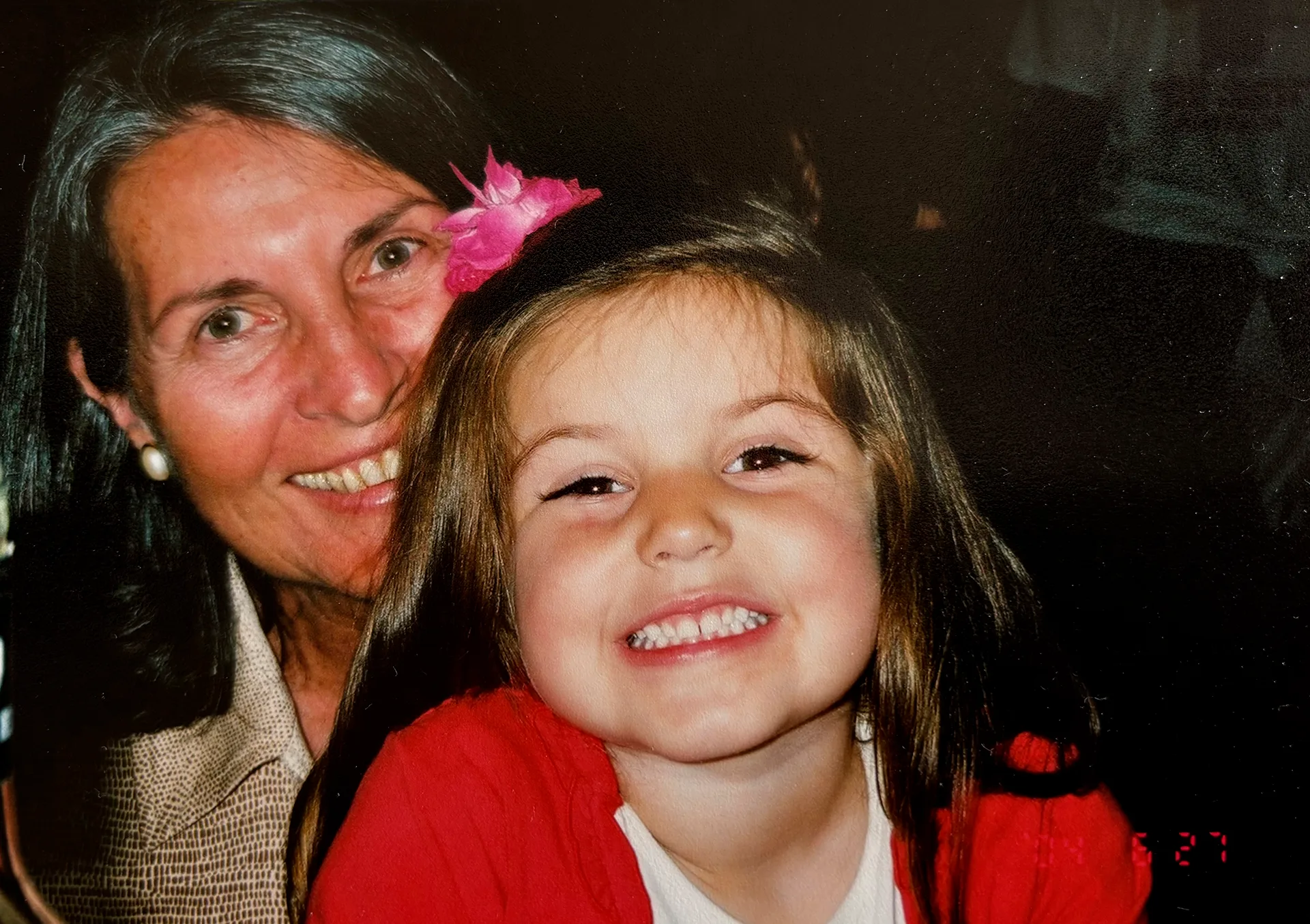
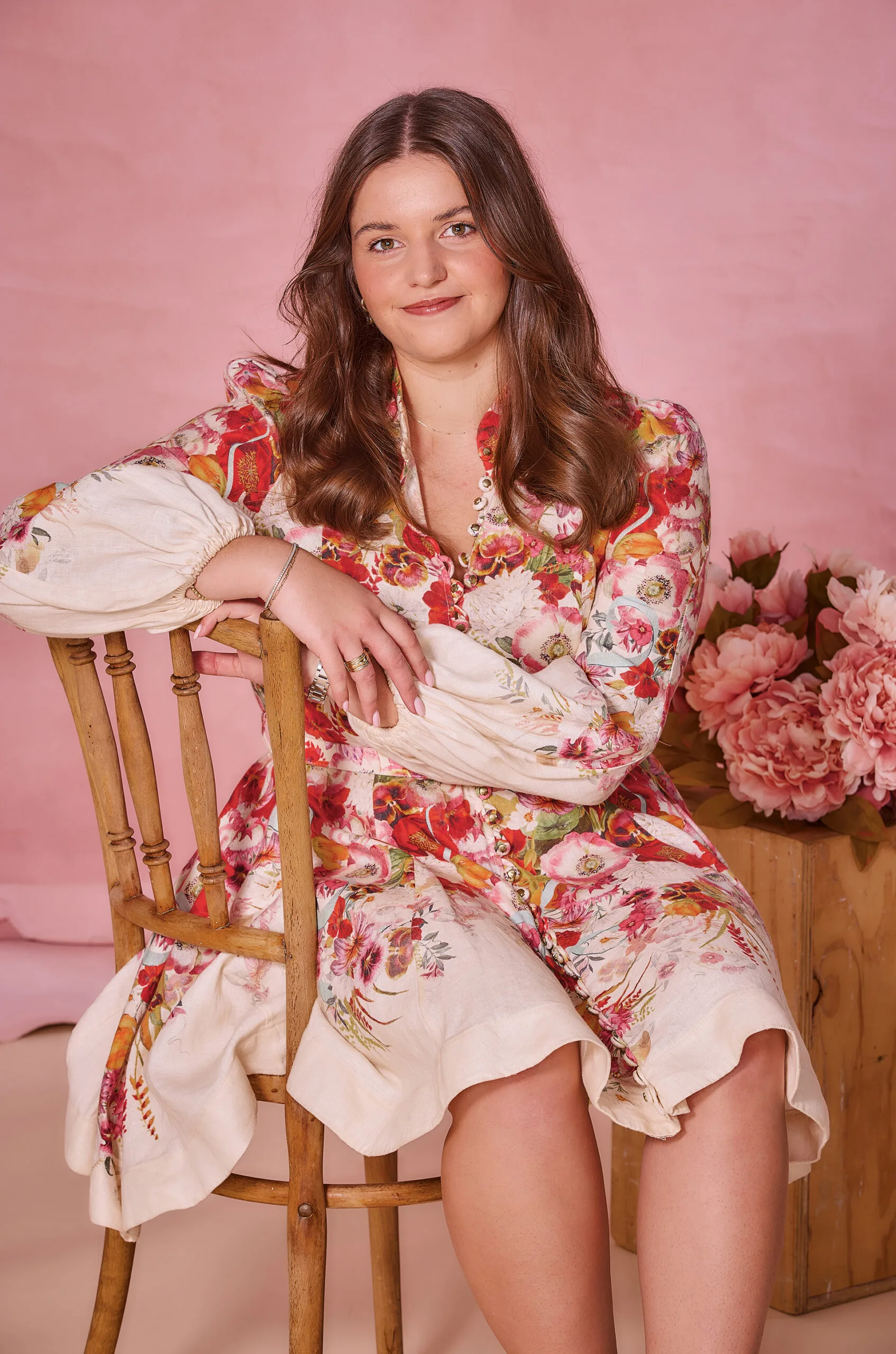
“At events, I’ll have people come up to me to talk about their experiences,” she says. She advocates for the foundation wherever she can and ensures her friends are aware of the services Gidget offers.
When she came into The Weekly’s office, Jasmine was in the final days of preparing for her wedding. When she walks down the aisle, she will be wearing maroon-red shoes in a nod to her mother. “I wear her engagement ring every day,” Jasmine says.
Louise is still a presence in the family.
“Gidget Foundation has been very cathartic for us all… working towards this common goal of making sure that she’s remembered,” Jacqui says.
“I think nowadays people understand that it is there, it is real. It’s not just somebody feeling exhausted. It’s much more than that,” Sue says.
She explains that she will miss Louise “until the day I die,” but when Sue looks at what has been achieved in her name and her memory, she knows her daughter would be proud. “Louise would have just loved it,” she says.
Watch the episode:
If you or someone you know has been affected by any of the issues raised, help is always available. Gidget Foundation Australia offers free perinatal mental health support at Gidget Foundation’s website or 1300 GIDGET (1300 443 438). Call Lifeline on 13 11 14.
Find more support services here.
This article originally appeared in the August 2026 issue of The Australian Women’s Weekly. Subscribe so you never miss an issue.
The Australian Women’s Weekly Love Stories podcast is brought to you by Vixin Beauty.

