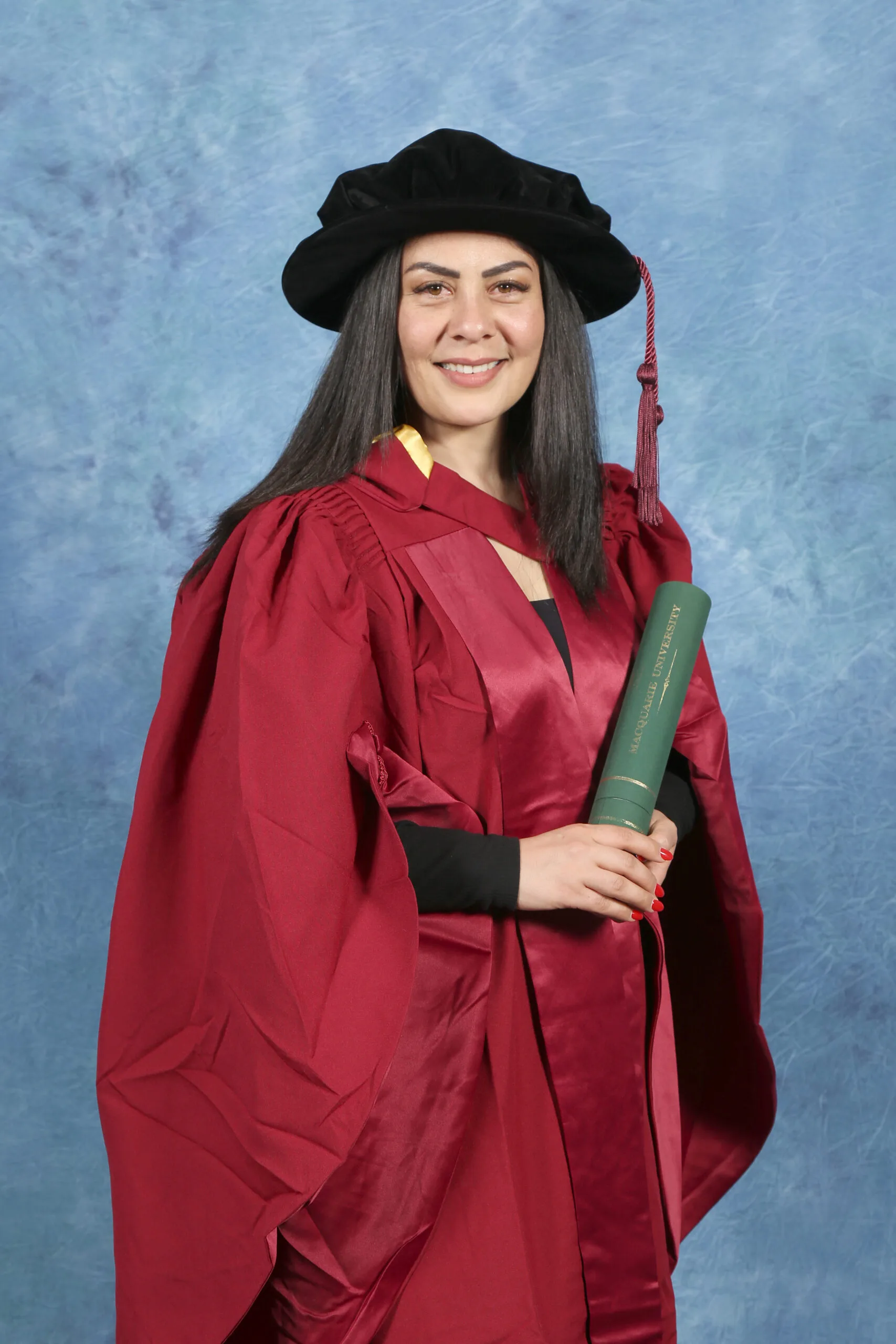




In February 2023, Dr Saba Vasefi first wrote about her life in Iran for The Australian Women’s Weekly. Now, as she waits for news of friends and family living under bombardment and an almost total internet blackout, she shares new and heartfelt reflections on her early life there and her escape to Australia.
An invisible childhood
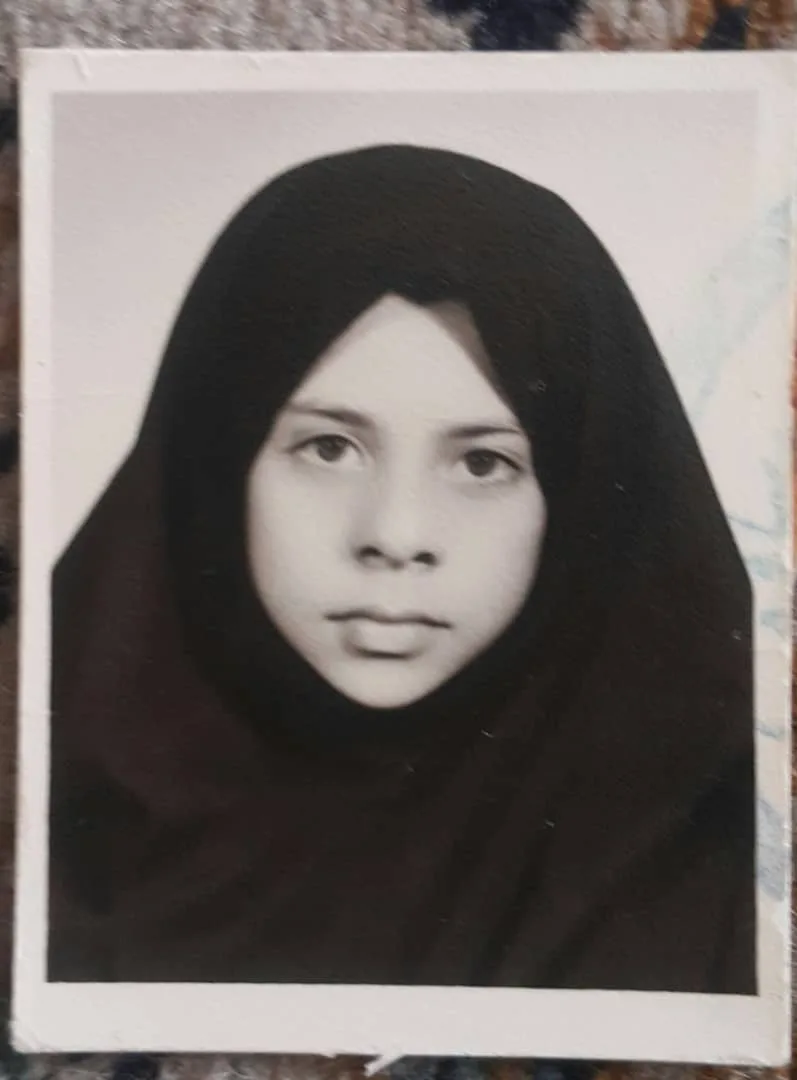
Black, brown, navy, or grey were the only permissible colours for us schoolgirls in the 1980s. Education was contingent upon the compulsory hijab. From the first year of schooling, the hijab was imposed by a religious fascist regime – not as an expression of faith or culture, but as a weapon of extremism and coercion.
The female body became a mobile billboard of theocracy through enforced compliance. Gesture, speech and presence all fell under an unblinking totalitarian gaze. Forced Qur’anic recitation and doctrine-drilled obedience were imposed through ritualised discipline. At eight, after misreciting verses, my teacher wedged pencils between my fingers and pressed. Holding her gaze, I said, “It does not hurt,” clinging to dignity as my last refuge. She pressed harder.
From age 12, the chador – a black garment covering the body except the face – was imposed over our uniforms. Each morning, veiled in black, we filed into classrooms designed for submission, promised an imagined ideological paradise. The principal patrolled the gate with scissors, severing any escaping hair. I arrived one day with my head shaved and no hijab, declaring there was nothing left to conceal. I was branded subversive. My mother was summoned and forced to sign a guarantee of my compliance.
Women could not sing
The child soldier is the regime’s ideal. In 1980, 13‑year‑old Basij fighter Hossein Fahmideh leapt under an Iraqi tank, canonised as the ultimate act of loyalty to God and the unelected, undisputed Supreme Leader, Khomeini. Martyrdom was a virtue. His image saturated schools, teaching self‑erasure as a childhood ideal.
We breathed the smoke of burning foreign flags, our lungs blackened by extremists. Schoolchildren were compelled to chant, ‘Death to the enemies of the Islamic jurist. Death to America, Israel and Britain. The blood in our veins is a gift to our Supreme Leader.’ Public spaces were plastered with slogans: ‘City of Nurturing Martyrs,’ ‘The Most Valuable Adornment of a Woman Is Preserving the Hijab.’
We grew up under eight years of war, where power outages were routine, corporal punishment expected, and death ever-present. Survival was conditional; obedience to the unelected Supreme Leader was mandatory. Deviation was criminalised. Public intimacy was forbidden. Women could not sing, dance, or ride bicycles or motorcycles. Even joy became suspect.
My childhood unfolded within a grammar of terror, structured by lethal binaries: lawful or illicit, permitted or forbidden, innocent or guilty, exalted or condemned, heaven or hell.
Life in the underground
My earliest memories are rooted in this underground existence, shaped by maternal figures whose grief turned mourning into resistance. Born into a family of diverse religious and political beliefs, I first understood the world through whispered stories and emotional transmission.
In the shadows of black fig trees, I crouched and watched my maternal grandmother burn my uncle’s books, folio by folio. Each page curled into ash, smoke spiralling with the bitter perfume of obliterated ideas. Today, every bushfire resurrects memories. I breathe the smoke of Australian forests, yet smell again the acrid burn of pages destroyed to avert arrest and save lives – words fed to the furnace before the guards could return.
Islamic Revolutionary Guards invaded my grandparents’ house because my uncle was a political prisoner. At the threshold, my mother gripped the doorframe, refusing them entry without a court order. They drove a rifle butt into her side and threw her to the ground. My grandfather suffered a severe heart attack after the regime falsely reported my uncle’s imminent execution. My uncle was held for months in a coffin-like box, water dripping onto his forehead, drop by drop. Beaten repeatedly, he vomited blood.
A relative’s sons (16 and 18) were executed. A friend was forced to pay for the bullets that killed her 18-year-old son, yet was denied his body.
Another relative, after prolonged torture in prison, took his own life shortly after release. When my mother heard, we rushed to his home. The door opened onto blood streaming down his wife’s face. She had found him hanging in the basement and in shock had seized a brick and struck her head again and again.
A secret garden
Yet underground life was not monochrome, nor always melancholy. It was alive with cinema, music, political texts, literature and communal exchange.
Behind the walls of my parents’ pomegranate orchard, clandestine gatherings took shape. Writer, artist and musician friends met, and men and women danced, sang, recited poetry, drank and swam together. My father played the Persian instrument tar, my mother the tombak. I danced to their rhythms and sang the classical Persian songs they taught me. We picked pomegranates and ate them beneath the trees, their burgundy juice staining the white clothes my mother sewed each autumn for the festival. This underground was a fragile sanctuary – a space between safety and peril, visibility and invisibility, exile and home – always vulnerable to the state’s intrusion.
Championing freedom
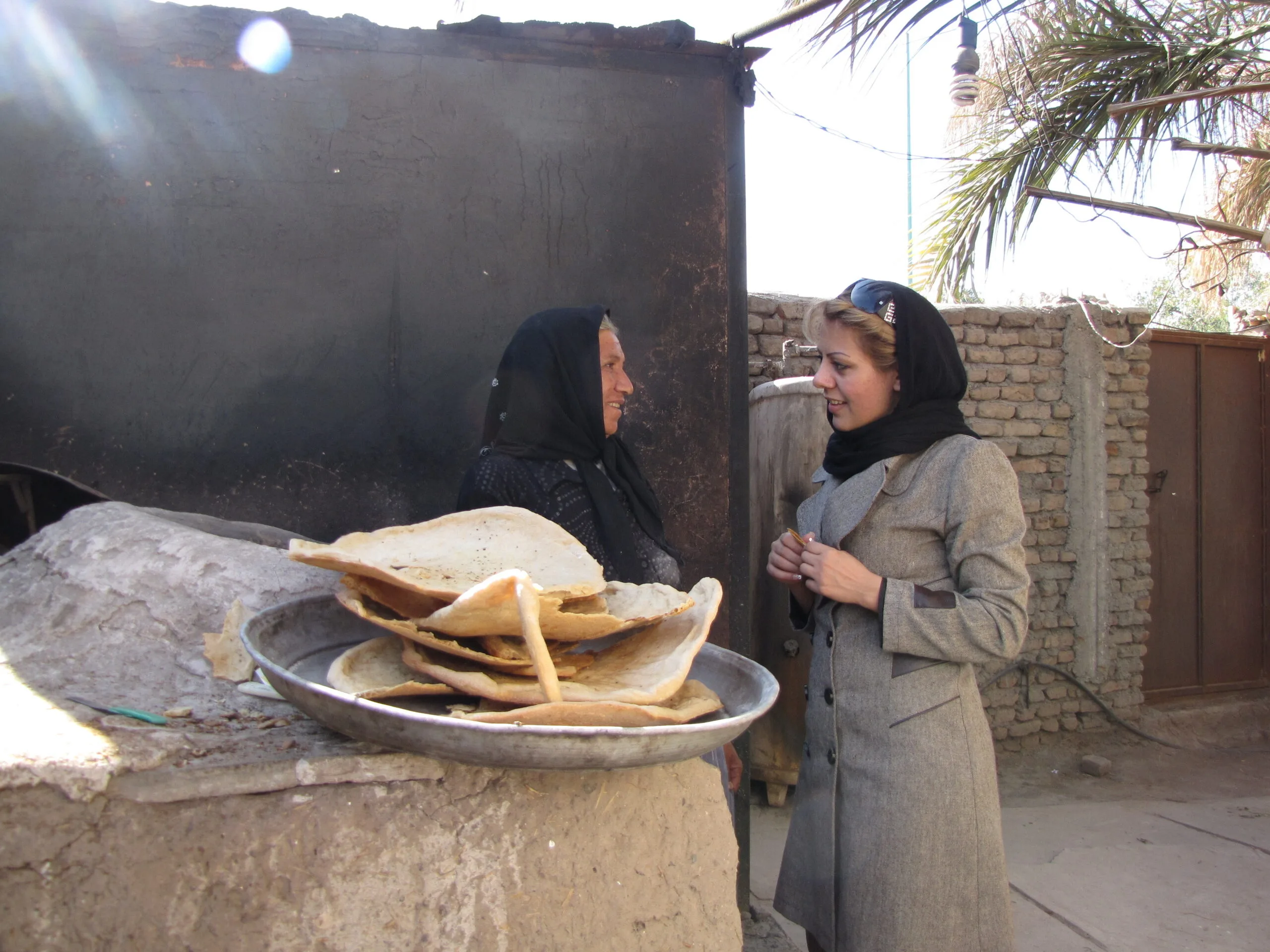
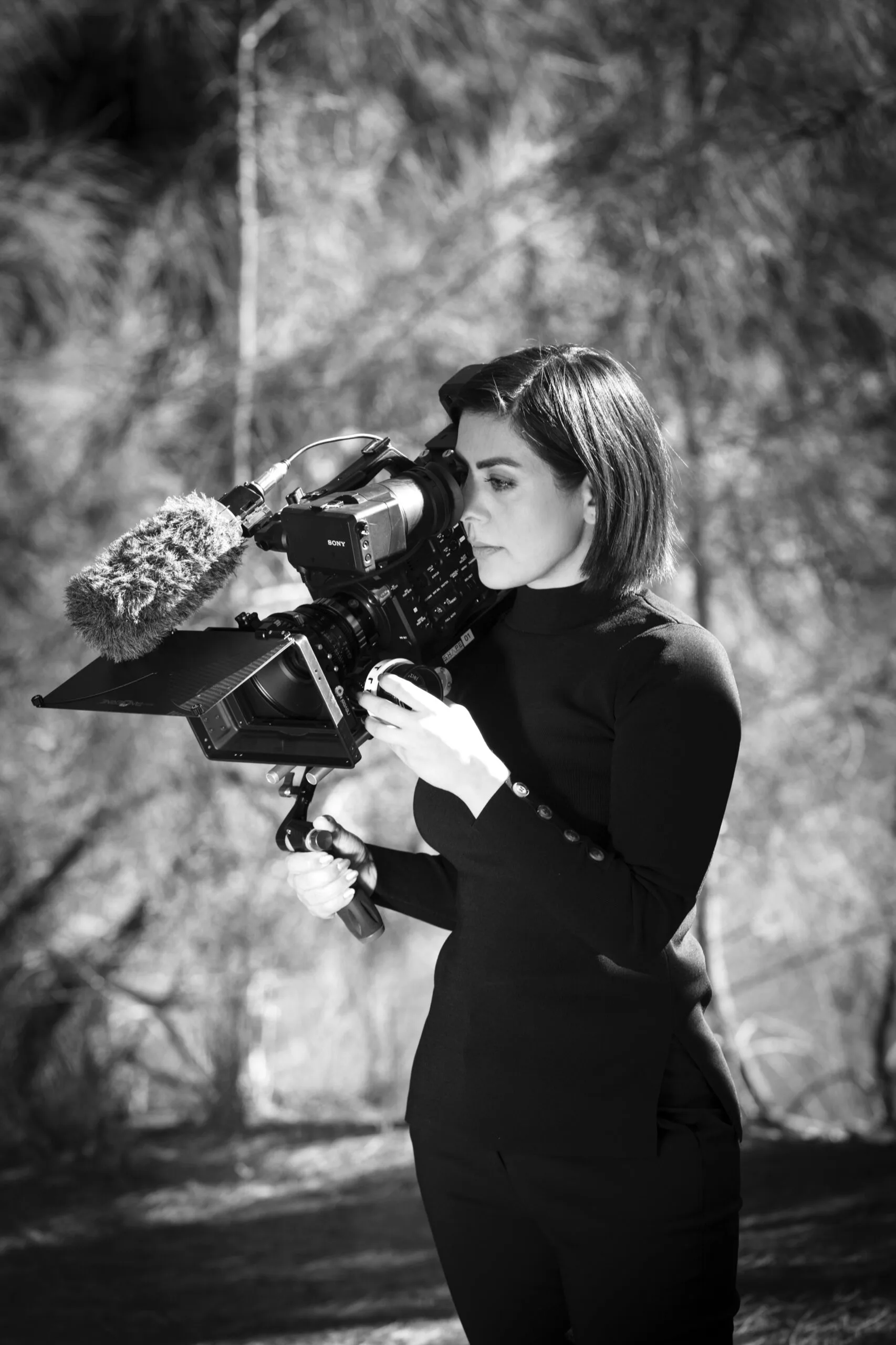
Liberty and justice had always been important to me. At university in Tehran, I studied literature and became passionate about documenting injustice through film and journalism. I made an underground documentary about the execution of children in Iran, and I worked with women and children on death row, chronicling the unimaginable.
After graduating from university, at 24, I became a lecturer at the University in Tehran. I took part in a number of protests against the government and, each time, my friends and I had returned bruised and bloodied from the beatings we received.
I remember the day the Revolutionary Guard Corps arrested my brother. As they dragged his body along the ground, he screamed, “Don’t be scared.” I was frozen, silenced by horror and grief. He was just beginning his career as a photojournalist. Shock froze me; I could offer no help. He was taken without a warrant by plainclothes officers. When he returned from prison, his body bore the marks of flogging. The bruises have faded, but the atrocity remains – a quiet, portable grief that shadows exile across continents.
Escape from Iran
By 2010, life in Iran had become unbearable, both for me and for my daughter, Minerva, who by then was nine.
I left home and hid in cold, dark storage spaces until my passage to Turkey had been arranged. I was forced to take the journey alone and it was several weeks before I was reunited with Minerva in Turkey. I was 28 years old when we set off for Australia, where we were granted asylum.
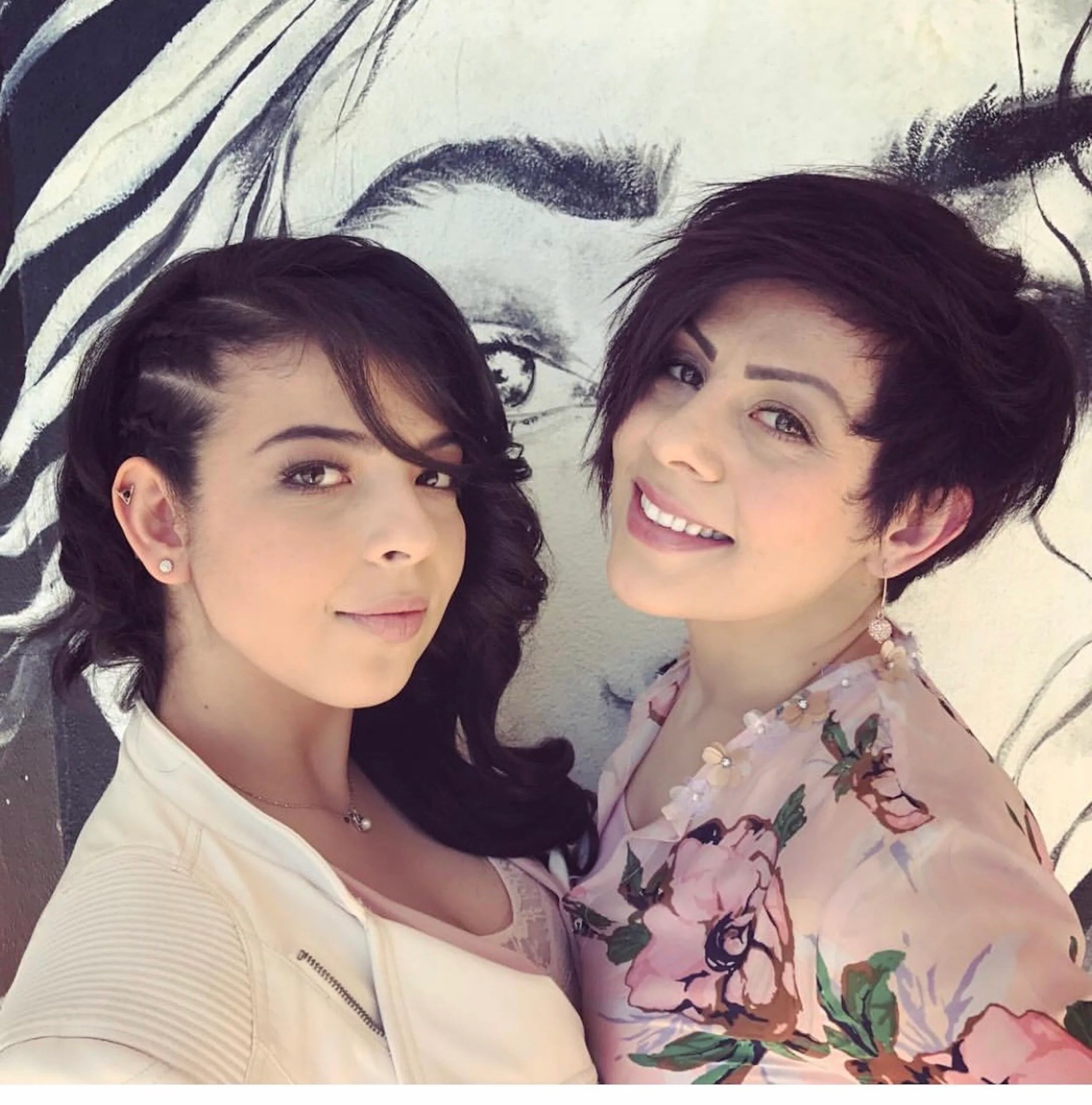
I found sanctuary in Australia from gender apartheid and Islamic fundamentalism with Minerva, who is now an artist. She carries my past, inhabits my present and gestures toward a future I once feared lost. We fled, endured, and recovered together. The strings of her cello trace the broken lines of our history. We inhabit a life shaped by memory. Through remembrance, we reclaim the self.
Speaking out
As the author bell hooks writes: “True speaking is not solely an expression of creative power; it is an act of resistance – a political gesture against domination that would render us nameless and voiceless.” Under such conditions, visibility itself becomes resistance.
Displaced from my land and language, I chose writing as a means of documenting atrocity. I write to honour a humanity rendered invisible – lives stripped of the right to live, existence marked by enforced silence, faces concealed, voices extinguished. The voice in my work honours survivors and commemorates those deliberately and systematically annihilated.
I told my story to The Australian Women’s Weekly back in 2023 because I could see history repeating itself in the country of my birth. Mahsa Jina Amini, just 22, was arrested on September 16, 2022, by the morality police for allegedly breaching the compulsory dress code. She was killed extrajudicially in their custody.
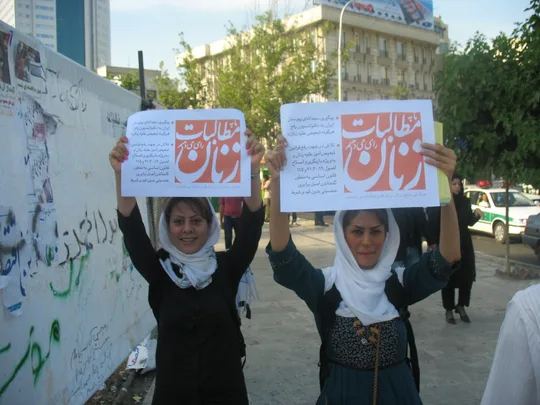
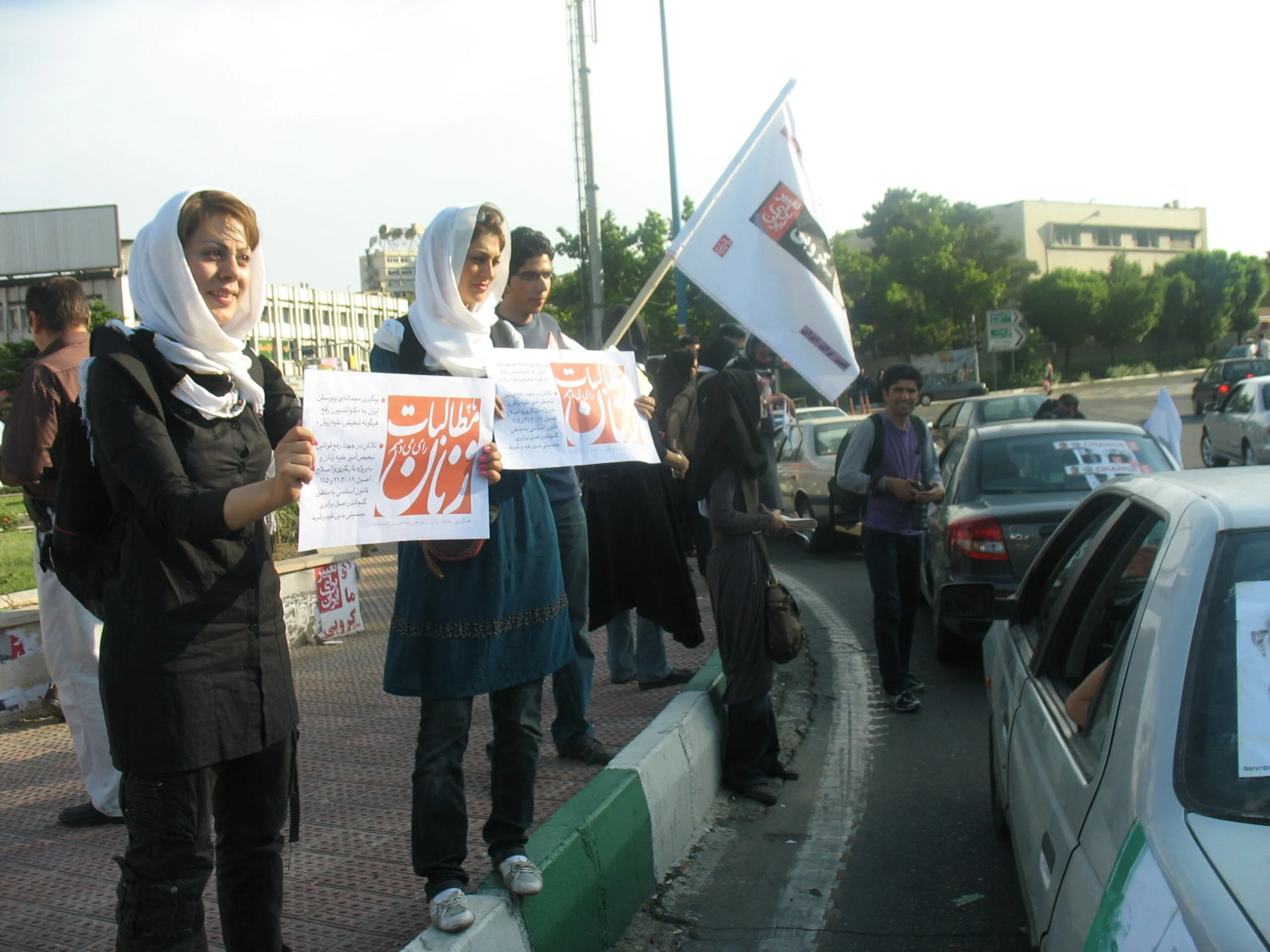
Her murder ruptured over four decades of repression under theocratic authoritarianism. Demonstrations ignited nationwide as Iranians risked their lives to voice collective fury. Women burned headscarves, cut their hair and demanded the end of the regime, chanting, “Woman, Life, Freedom”.
As with every assertion of existence, the Islamist fundamentalist state responded with lethal force.
The terrible toll of oppression
But that was not the end. The totalitarian regime’s industry of killing never rests. In January this year, over 30,000 protesters – including children – were exterminated in just two days under an internet blackout that paralysed all communication. Thousands remain imprisoned. At least 30 individuals, including children, now face the death penalty for alleged protest-related offences, following grossly unfair trials in Revolutionary Courts.
Khamenei, who had funnelled vast sums to terrorist groups like Hezbollah and Hamas, looted public wealth while the regime ran an apparatus of atrocity: black body bags, trucks and refrigeration units that turned dissidents into anonymous remains. Victims as young as three were found with gunshot wounds to the skull, chest and neck.
The Coordinating Council of Iranian Teachers’ Trade Associations confirmed 200 students were killed in the January protests. “At least five full classrooms have been massacred,” wrote its spokesman, Mohammad Habibi. “Nowhere in the world is a student’s ‘slogan’ answered with a ‘bullet’.”
For years, I have been chronicling the state-sanctioned persecution of my fellow Iranians at the hands of Ali Khamenei. He presided over a regime of systematic extermination, where defiance was met with annihilation. Now he is gone, I can write of their exultation. But for many Iranians, his death is seen as a paltry verdict. They would have demanded his prosecution in a court of law for the crimes committed under his rule.