


NEED TO KNOW
- Mike and Sue Gregg made a fortune in canny investments and are now buying up native bushland.
- They have formed Great Southern Land Conservancy to provide sanctuaries for endangered animals.
- Their Eaglehawk-Misty Mountains estate is home to the largest koala population on private land
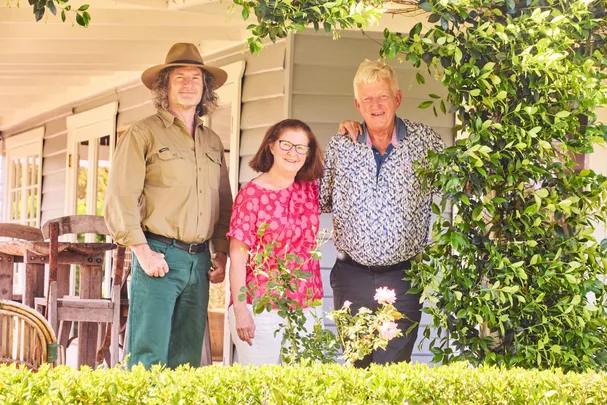
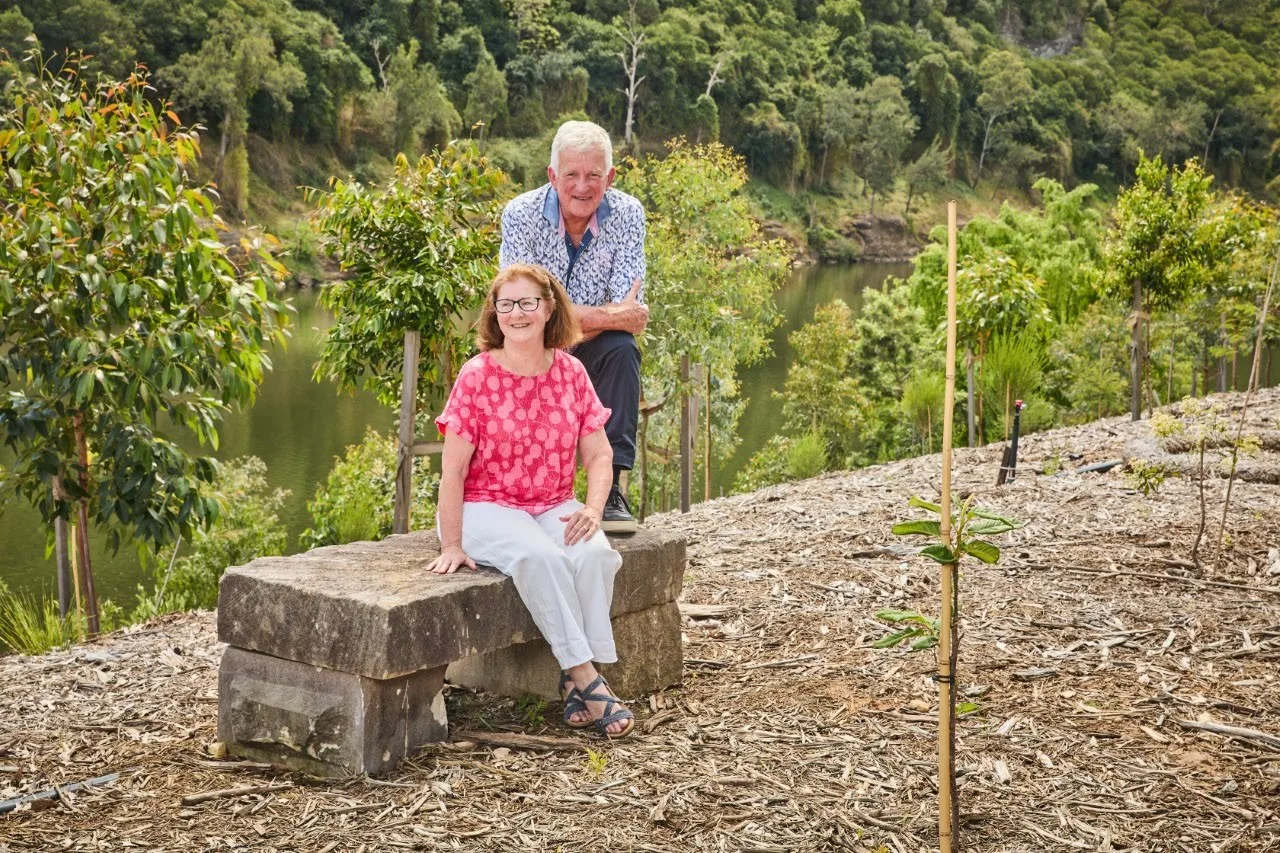
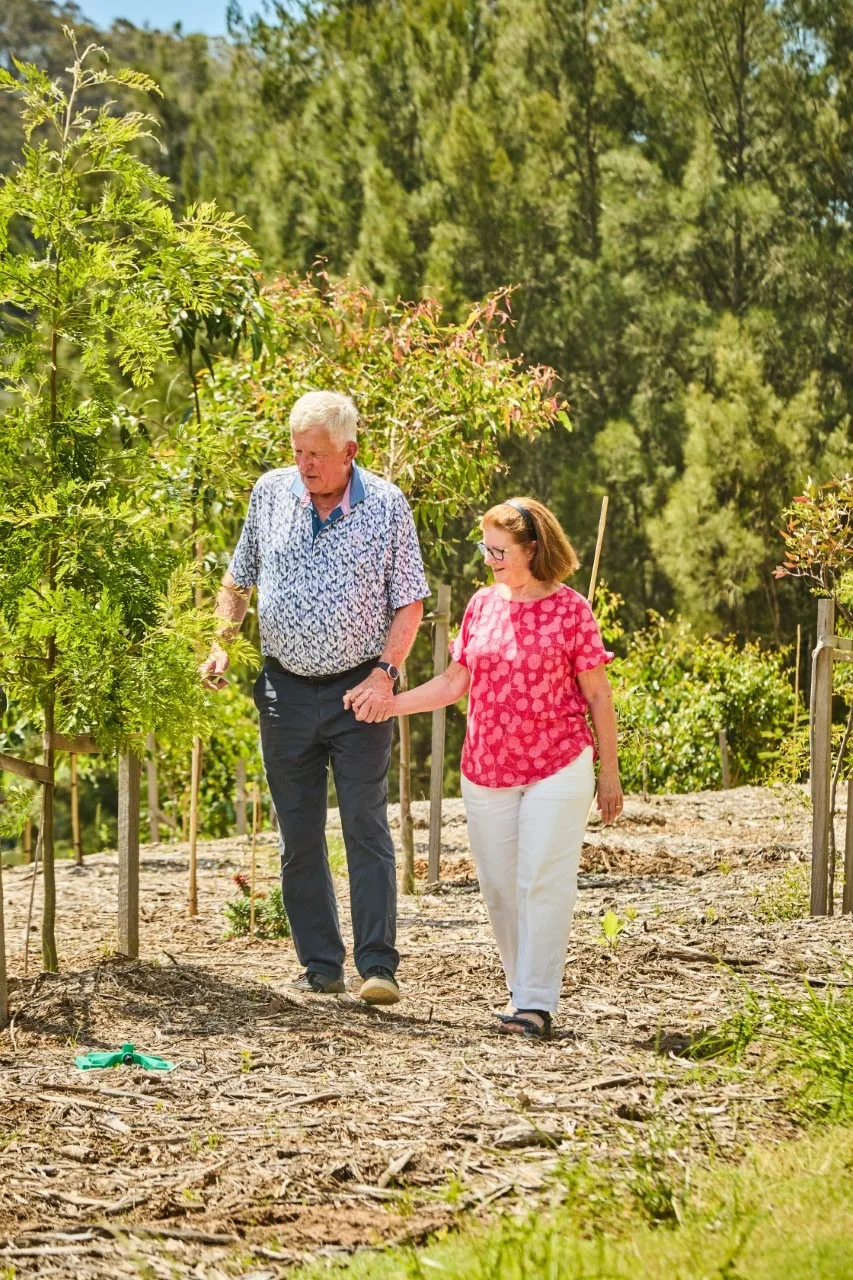
Mike and Sue Gregg’s property in the Richmond Lowlands north of Sydney runs along a long stretch of the Hawkesbury River. Mike has planted hundreds of native tree saplings, and today they’re buzzing with life: parrots zip through like snipers’ bullets, flying foxes dangle overhead, and the air is alive with swarms of jade-winged beetles and the giddy flapping of Bogong moths.
Back at the house, there’s no fancy art on the walls or flash cars in the driveway, only a shaggy dog that looks like a wombat. In the fridge, there are a few Coke Zeros and one cold sausage. It’s an inauspicious setting to meet Australia’s newest conservation heroes, but Mike and Sue, despite having hundreds of millions in the bank, are ordinary Aussies on an extraordinary quest.
“Look, we’ve been lucky in life, and we’ve been lucky in business,” Sue tells The Weekly over a cuppa. “There have been hundreds of people who helped us along the way and many we never got a chance to thank. Now we’re fortunate enough to have more money than we’ll ever need, and when you get to that position, well, we both feel there’s a responsibility that comes with it. So, this is our way of thanking all those people – and Australia itself – for being so good to us.”
A gift to the nation
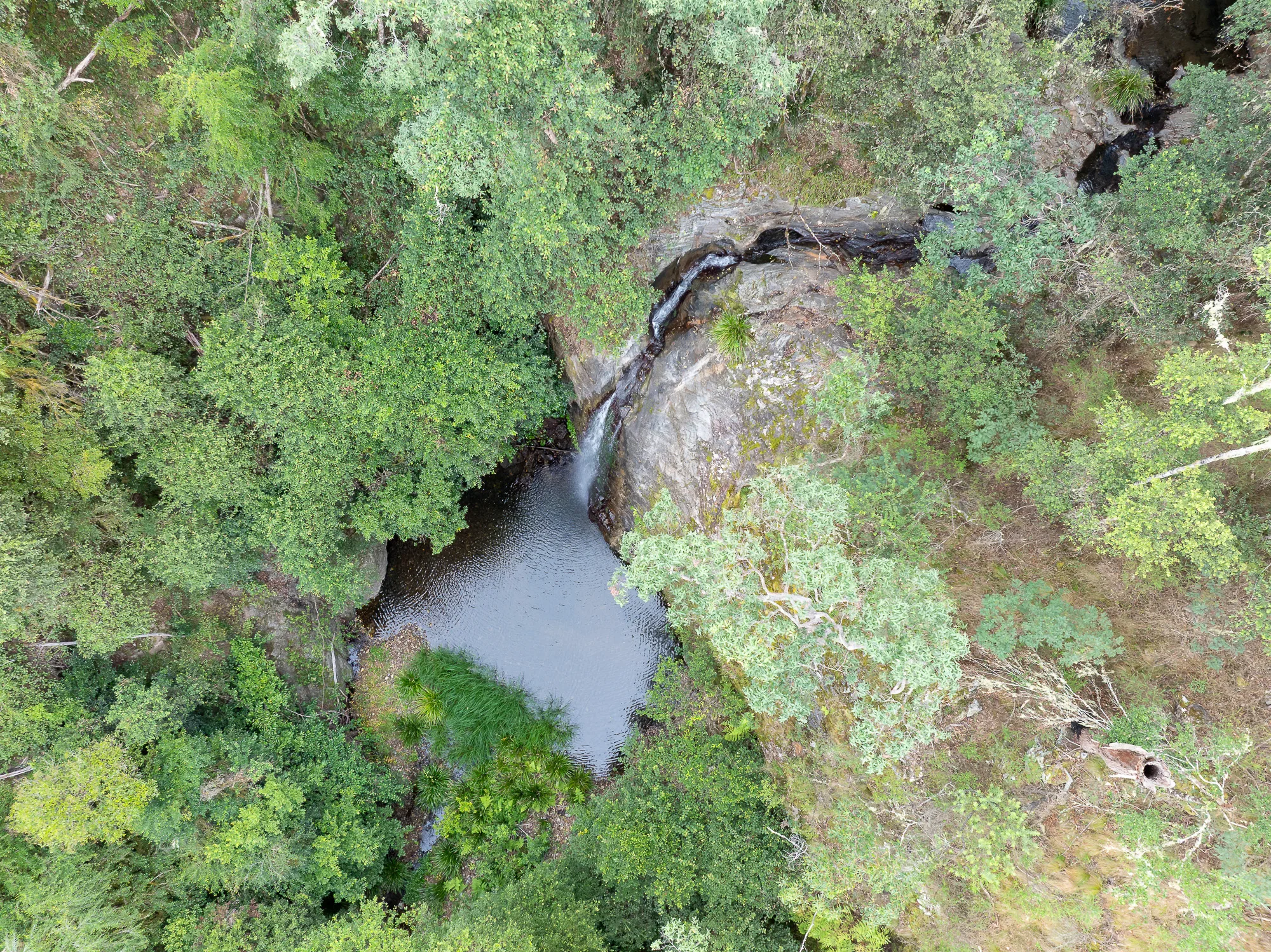
The Greggs’ gift to the nation is to save those who can’t speak for themselves and protect the greatest natural resource we possess: the flora and fauna Australia too often takes for granted. Late last year, Mike and Sue co-founded the Great Southern Land Conservancy, a conservation organisation on a crusade to save and support threatened and declining native animals, protect our biodiversity hotspots and rebuild landscapes threatened by fire, deforestation and ferals.
They launched the venture in October, buying Land’s End, 730ha straddling two bioregions on the NSW North Coast and the New England Tablelands. Next, they swooped on the 7000ha of the Eaglehawk-Misty Mountains. It established a safe haven for 30 threatened species, including koalas, spotted-tailed quolls, stuttering frogs, glossy black cockatoos, brown treecreepers and dusky woodswallows (both birds), and parma wallabies. With their $10m gift, Mike and Sue Gregg had quietly handed over one of the largest single philanthropic donations in Australian history.
“It’s about recognising how special our country is,” says Sue. “Mike and I had always done a lot of bushwalking, but in the last few years we’ve done more travelling, from the Gulf of Carpentaria to the Great Dividing Range, and sometimes I think, because our country is so big, people don’t get a chance to see or experience it properly, so they don’t appreciate what we are losing. We’ve got to stop the clearing of native forests and the loss of wildlife to turn back the tide of extinctions.”
A boy named Mike, a girl called Sue
Mike and Sue are from working stock. “Both of us were raised knowing you had to work hard to get anywhere in life,” says Mike. Sue’s father owned a bakery, and Mike toiled long summers delivering soft drinks from the back of a truck. “We met at Sydney University. Sue was majoring in microbiology, and I had the romantic notion of being a marine biologist.” Even as science students, neither felt chemistry at first. “Sue said to my girlfriend, ‘I dunno what you see in him!’”
But things evolved quickly.
“We made each other laugh,” says Sue with a twinkle in her eye, “and we still do – for the most part. Sometimes it’s that simple.” They married in 1970, had two daughters, and bought a little cottage in 1974, which Mike paid off with taxi driving and hard yakka.
Oh, and a little dabbling in software technology start-ups. Mike was an early investor in WiseTech Global, currently worth almost $13 billion. “My knowledge comes from my mistakes,” he shrugs humbly. Mike and Sue had been giving away their fortune under the radar for many years before they founded the Great Southern Land Conservancy.
“We formed the Gregg Family Foundation and for a few years, dabbled in education, disability and the disadvantaged, donating to charities like the Wayside Chapel and Indigenous causes,” says Mike. “Then we thought, well, if we’re going to do something significant with the money, then buying land for conservation is probably the most valuable thing we can do for the future.”
Atticus the bush baby
Enter Atticus Fleming, an old cricket teammate of Mike’s from university days who had become head of NSW National Parks and Wildlife Service and CEO of Australian Wildlife Conservancy. He was the perfect fit as Director and CEO of Great Southern Land. “I was raised in the bush on a little property outside Wellington in the Catombal Range,” Atticus says. “It was a wonderful place to grow up – lovely remnant vegetation, lots of beautiful birds – and when Dad bought me a book on endangered animals when I was four, I became obsessed.”
Like many bush babies of the era, young Atticus devoured the books and documentaries of naturalists David Attenborough and Harry Butler and joined the Gould League, Australia’s oldest environmental education organisation, founded in 1909 to teach Aussie kids about nature. He also discovered a disturbing fact about his homeland. “Australia had the worst extinction rate in the world by far, particularly among mammal species. That made me sad – and angry.”
A study by the Biodiversity Council Australia estimates that 10 per cent of the mammals that were once widespread and abundant across our country have been extinguished since European colonisation in 1788, along with many bird, frog, reptile and fish species and 9,111 species of invertebrates (worms, beetles, bees and butterflies). That’s up to three species lost every week. And then there’s the endangered species hiding in the last tiny pockets of their home range.”
The feral threat
Atticus was shocked by what he learned when, at age 16, he did work experience with the National Parks and Wildlife Service. “There are many reasons why Australia has failed its original wildlife,” he growls. “It’s partly the clearing of habitat, but the number one culprit is feral cats and foxes. They kill millions of native animals every night. There are also feral pigs, deer and goats eating the ground cover, removing what was once sanctuary for small mammals and making it easier for cats to hunt.”
Atticus’ father was a doctor who dropped his medical career to become a landscape painter (Eris Fleming was the subject of a feature in a 1973 issue of The Weekly in which he claimed “painting is like taking out an appendix”).
Like his father, Atticus proved a contrary character. He studied economics and law, worked as a commercial and constitutional lawyer and then a policy advisor to long-serving federal environment minister Robert Hill in the Howard years.
“But my dream job was as first chief executive of the Australian Wildlife Conservancy, which I ran for 16 years,” he says. “We bought a lot of land – nearly five million hectares – and made AWC the largest private owner of land for conservation in the world. I kept that going as CEO of NSW National Parks, where we managed eight million hectares and made the three biggest acquisitions of land in its history, expanding the national park estate by another one million hectares.”
So, when Mike and Sue decided to spend their kids’ inheritance by buying up parcels of land, they knew who to call.
“When we raised the idea with Atticus of giving him some financial support, he was as keen as we were,” remembers Mike. “We did a few adventures together to remote parts of Australia, first to the Pungalina-Seven Emu Sanctuary where we flew over dugongs and crocs. The chopper pilot dropped us on a beach and said: ‘You walk from here.’”
“That walk was the beginning,” remembers Sue. “There was no rubbish. The beach was pristine. Atticus showed us the research: the people setting up trap cameras, how they were working with First Nations landowners. It was hard not to be impressed by the passion of the people. We sat on the beach talking about our theories on life, discussing issues. I didn’t blame the people of the past for doing what they did, but we knew the time had come to do things differently.”It was a galvanising moment in Mike and Sue’s conservation journey.
“We didn’t go into this looking for thanks or credit,” says Mike. “It’s not for us or even our children or grandchildren. It’s for everyone. And we’re doing it to make it easier for Atticus to attract other donors in future. I’ve done well investing in people and technology. I’m looking for leaders. Can they build a team and scale an organisation? Atticus can do that. He’s honest and well connected. We trust him.”
Into the Misty Mountains
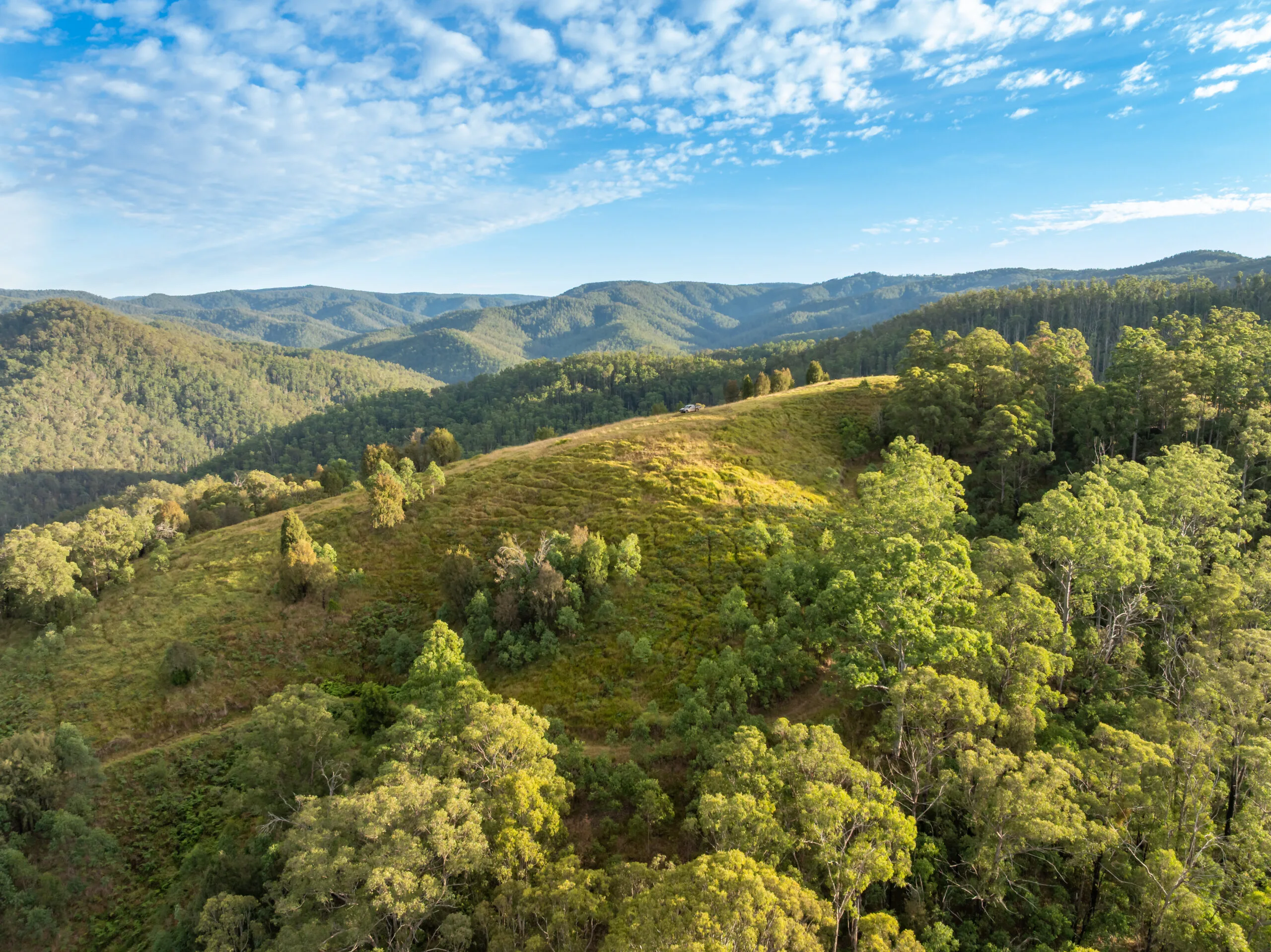
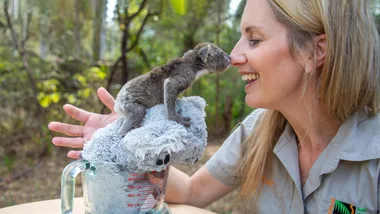
So far so good. In May, the Great Southern Land Conservancy acquired another 7000 hectares to establish the largest private conservation reserve in the NSW Great Dividing Range. The Eaglehawk-Misty Mountains aggregation stretches from Cottan Bimbang National Park in the north (between Walcha and Wauchope) to the foothills by Bugan Nature Reserve in the south. This vast belt of bushland is home to the largest population of koalas on private land in Australia, a colony of more than 800 according to drone surveys.
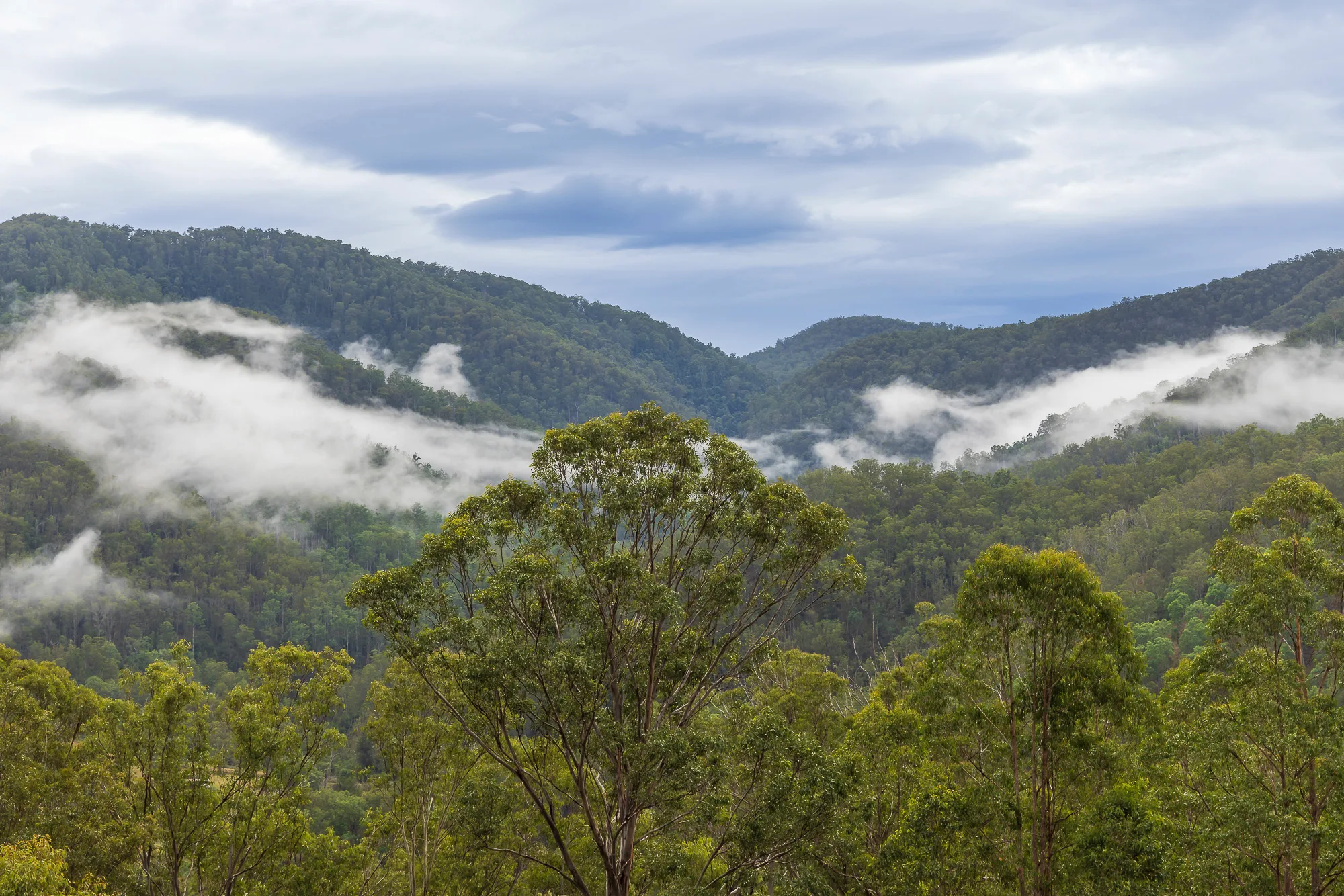
After Atticus signed the deal, Mike and Sue visited to savour the beauty of the Misty Mountains firsthand. They saw the wild water of the 20km Rowley’s River and walked through dripping rainforests of Blackbutt, Blue Gum and Mahogany and grassy woodlands filled with Angophora blossom. “The first night we followed heat-sensing drones down the gorges and into the forests,” recalls Mike. “They flew below the canopy, and there were the koalas. It was bloody fantastic.”
“If you’re an endangered mammal, this is heaven,” says Atticus of Eaglehawk-Misty Mountains. “It’s got a who’s who of threatened species, from long-nosed potoroos to greater gliders. The secret to its extraordinary diversity is that it spans several distinct habitats, from tall rainforests to drier flats. That ticks all the boxes of what we’re looking for, which is unprotected habitats where threatened wildlife has found refuge. Buying the land is the first step. Now we can protect it.”
Easier said than done. When Atticus speaks to The Weekly, he’s smudged with soot from fighting a bushfire near the property. “It was a fire lit on private land, but we had to mobilise our guys and the rural fire service at midnight to stop it. I said to the RFS boss, as we watched this blaze climb up the hill, ‘Mate, we’ve got to stop this fire because I’ve got 500 koalas just over there. So, we put in a back-burn, and it stopped any significant damage. These are the challenges we face.”
Frogs, Quolls… and Loggers
The Greater Glider
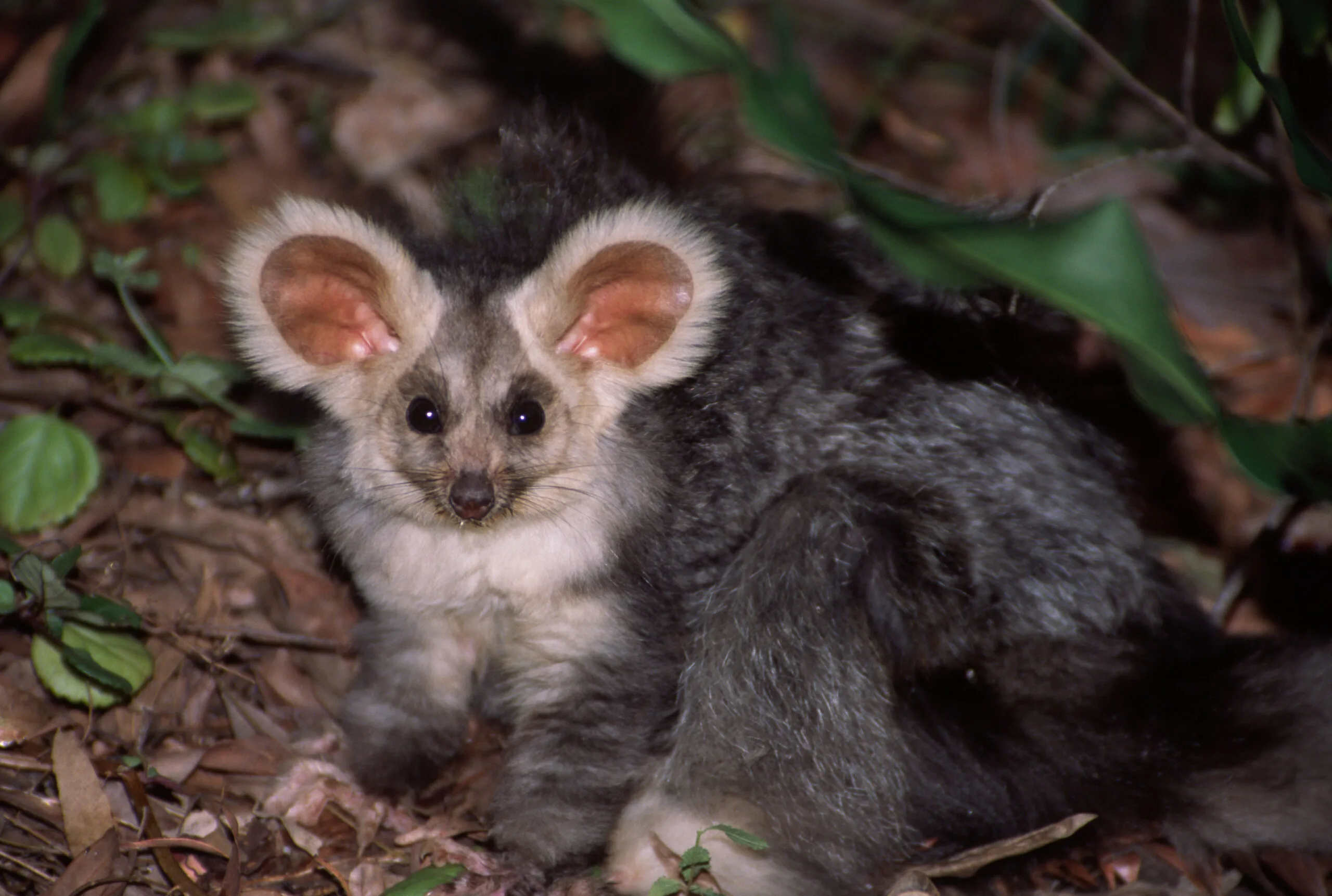
Mike, Sue and Atticus settled on the Greater Glider as the logo for the Great Southern Land. This marsupial, which can glide distances of 50 metres, has seen its population dwindle by 80 per cent in the past two decades and was upgraded from ‘vulnerable’ to ‘endangered’ in 2022.
“I’d say 99 per cent of Australians have never seen one,” says Atticus. “It’s one of our most beautiful and spectacular animals. It’s got huge ears and this incredibly long, fluffy tail twice as long as its body. And it glides!”
Such natural wonders inspire the Greggs and Atticus on their rescue and rehabilitation quest. “Sue and I have never been car people or boat people,” Mike admits. “We like to drink nice wine sometimes and take a family trip every now and again. I dabble in racehorses. But what we’re trying to do with Atticus and Great Southern Land is the most important thing we do.”
With Mike and Sue’s help, Great Southern Land’s third land acquisition was Morven Creek, 1300 hectares of old growth forest – including patches of subtropical rainforest – adjacent to Washpool National Park in northern NSW. The family property had been protected for 70 years, but when forestry loggers wanted to decimate a centuries-old forest of trees and old hollows, Mike and Sue swept in, this time with the help of some Perth-based philanthropists, the Wright Burt Foundation.
For the Greater Good
This is the model Mike and Sue want to develop: wealthy private citizens saving our birthright land by purchasing and protecting it in perpetuity. “If your goal is to stop the decline in our wildlife and restore populations, the best way to do it is to buy land and manage it smartly,” says Atticus. “Australia used to be a pioneer when it came to acquiring land and dedicating it to conservation. Mike and Sue understand that and are dedicated to acting in the greater good.”
This month, the trio will sign off on their biggest land parcel yet. “Great Southern Land Conservancy has signed a contract to acquire a large property in outback Australia, which will take its area under management to more than 50,000 hectares,” says Atticus proudly.
When Mike and Sue sit down with the youngest of their six grandchildren and explain what they do and why they’re doing it, their message is simple: “I say, ‘Look, there’s a lot of Australian bush that has rare and endangered animals living in it. We don’t want the trees they live in to get cut down and their habitat destroyed. So, we buy the land and preserve it and look after it for them – and for you. And that means you’ll be able to go there with your kids and see koalas in the wild.”
This article was originally published in the December 2026 issue of The Australian Women’s Weekly. Subscribe so you never miss an issue.

