




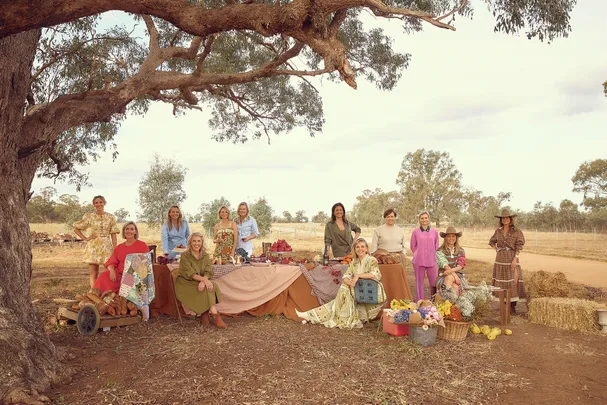
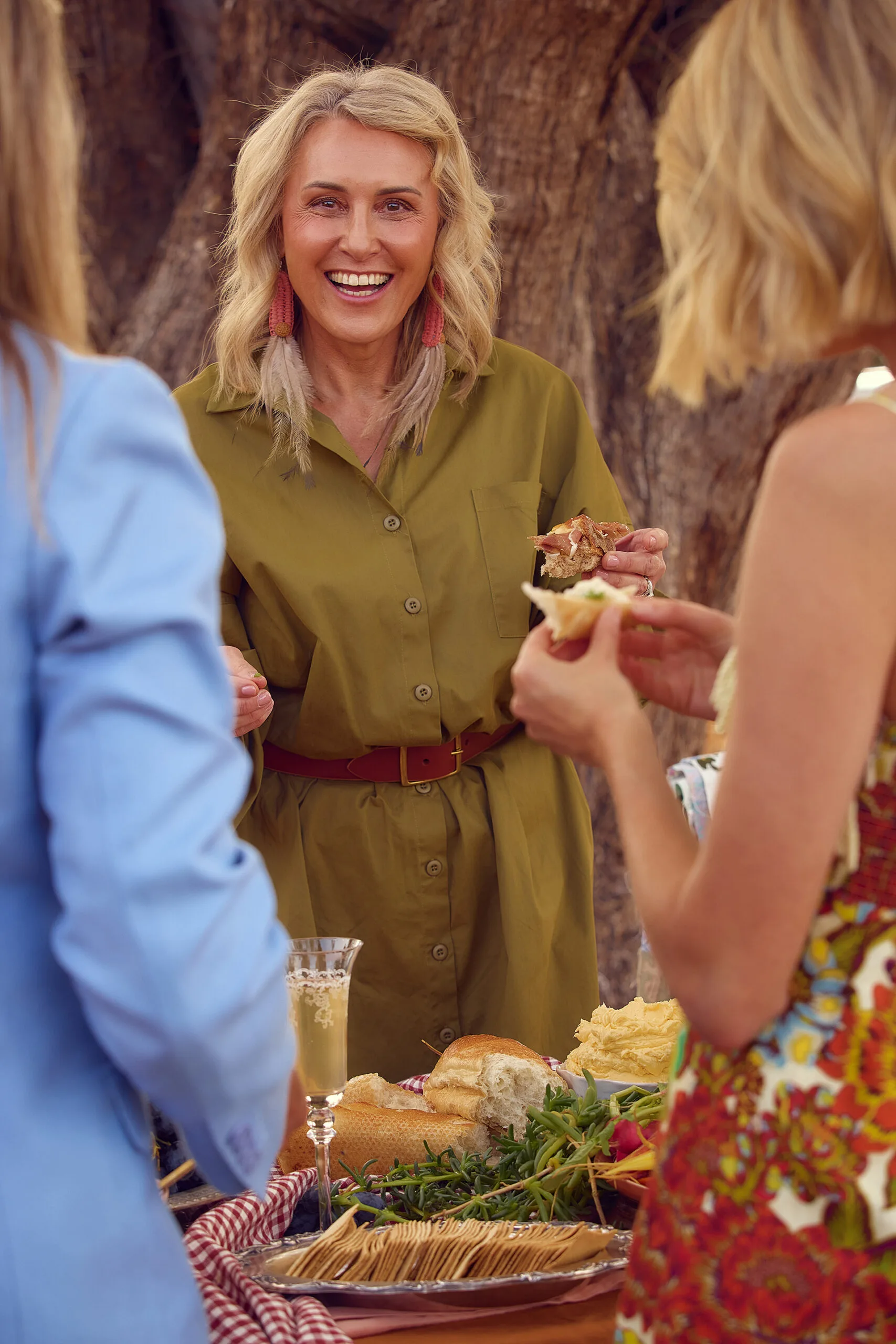
We’re sitting on hay bales under the ash-green canopy of a gum tree at a table laid for 13 country women from right across the Central West of NSW. The guest editor of The Weekly’s Rural Issue, Edwina Bartholomew, has mustered this group for an open, honest, free-ranging discussion of the issues facing women in rural Australia.
There’s talk of farming, food, kids and running businesses beyond the farm gate. There’s a lot of talk about what this wide brown land means to everyone.
Connection to Country
One of the women gathered around the table is Megan Humphries, a Wiradjuri woman and founder of boutique native tea brand Binjang Tea.
“There’s always that connection to Country,” she tells the group. “When I’m away, off Country, I need to come back and get refuelled.”
Edwina asks where she grew up.
“I come from the best little town in the west, Wellington,” Megan says. “We had the first inland mission in NSW, and I remember visiting family there. All the fun stuff: chasing rabbits, taking your shoes off, getting a watermelon, and everybody going down the river, floating on the water and jumping off swings.
“Dad always talks about the humpies at the mission. But it doesn’t matter where you live; it’s home. We’d all be eating together and yarning, telling stories and just living life.”
Respectful conversations
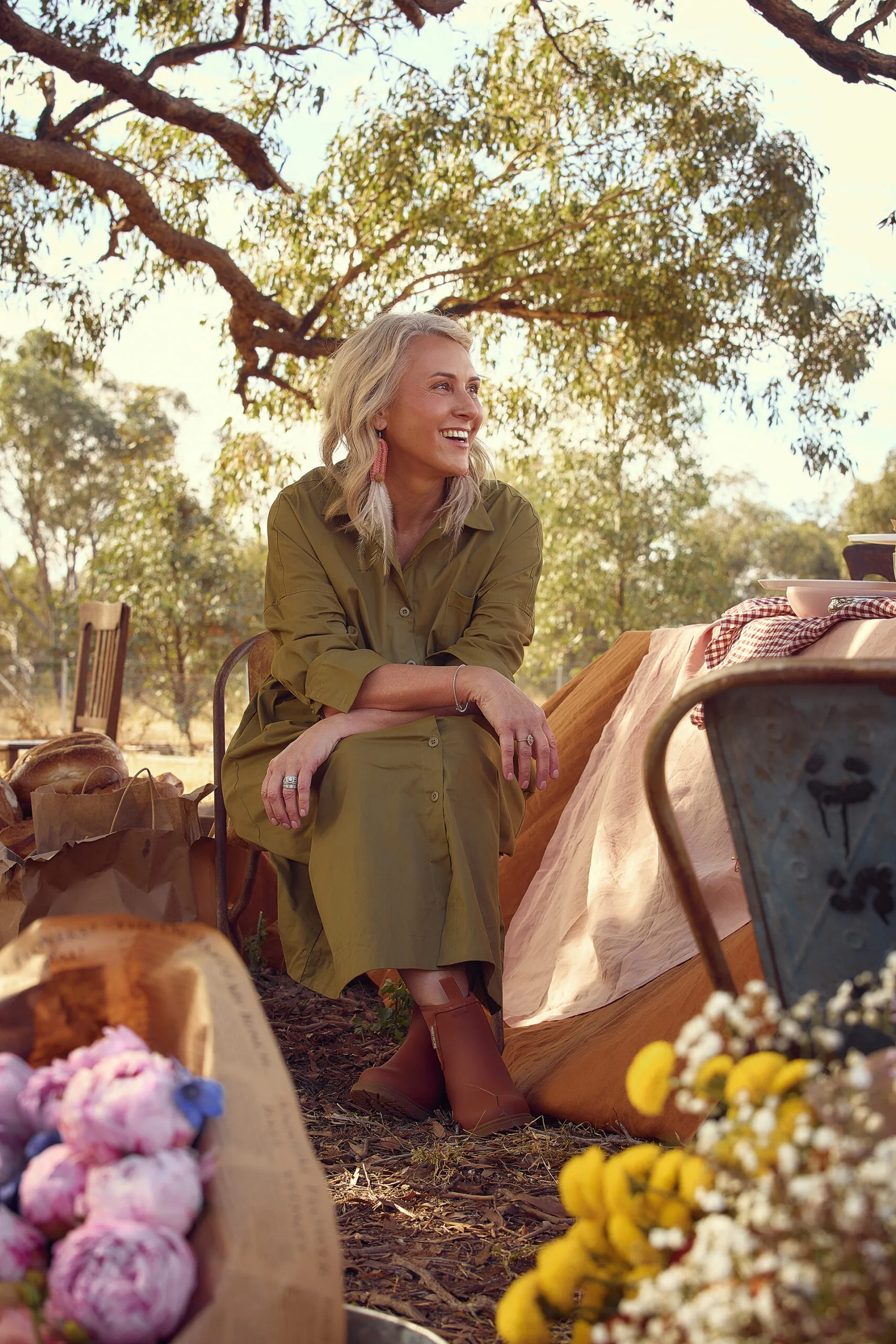
“And it’s the conversations with a cup of tea that I remember most,” Megan adds. “You’d sit down and talk it over, whether it was good news or bad, whether it was sorry business or celebration, it was always over a cup of tea. That kettle on the stove would whistle to you.
“I guess that’s why I started Binjang Tea – to encourage more of those respectful conversations. When you’re having a cup of tea, you’re talking with each other, not to each other.”
That’s exactly the kind of conversation that is weaving its way around the table today. There’s a genuine openness and eagerness amongst the women here to understand each other’s perspectives.
A lifesaving bond
Sharon Winsor, a Ngemba Weilwan woman and founder of pioneering native ingredients company Indigiearth, also has a story of growing up on Country.
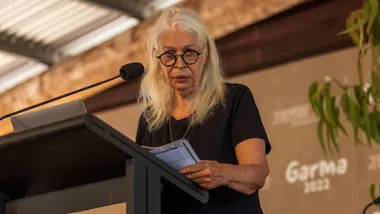
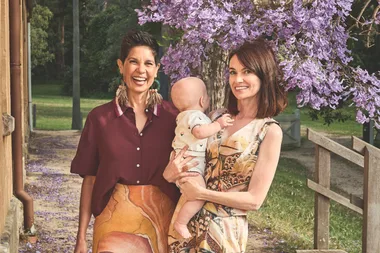
“I grew up out between Gunnedah and Coonabarabran, in a house with dirt floors,” she remembers. “We were surviving off the land. We used to walk for miles collecting ‘five corners’ [a bush food plant] and fruit to feed everyone. But I didn’t know that we were poor because everything was always positive. I learnt a lot about resilience, and that you just get up and you go again.
“That simplicity that I had, growing up in the bush, is what led me back here as an adult. After spending 20 years in Sydney, I couldn’t find any peace within myself or any healing in the city. I’d hit rock bottom. But those memories of my childhood – of having nothing but feeling happiness at my core – kept coming back. And I was like, ‘I’ve got to go to survive’.
“So I packed up, with my two kids, and moved to Mudgee. There’s a magic in the hills and a feeling of Country there that drew me.”
Understanding the Welcome to Country
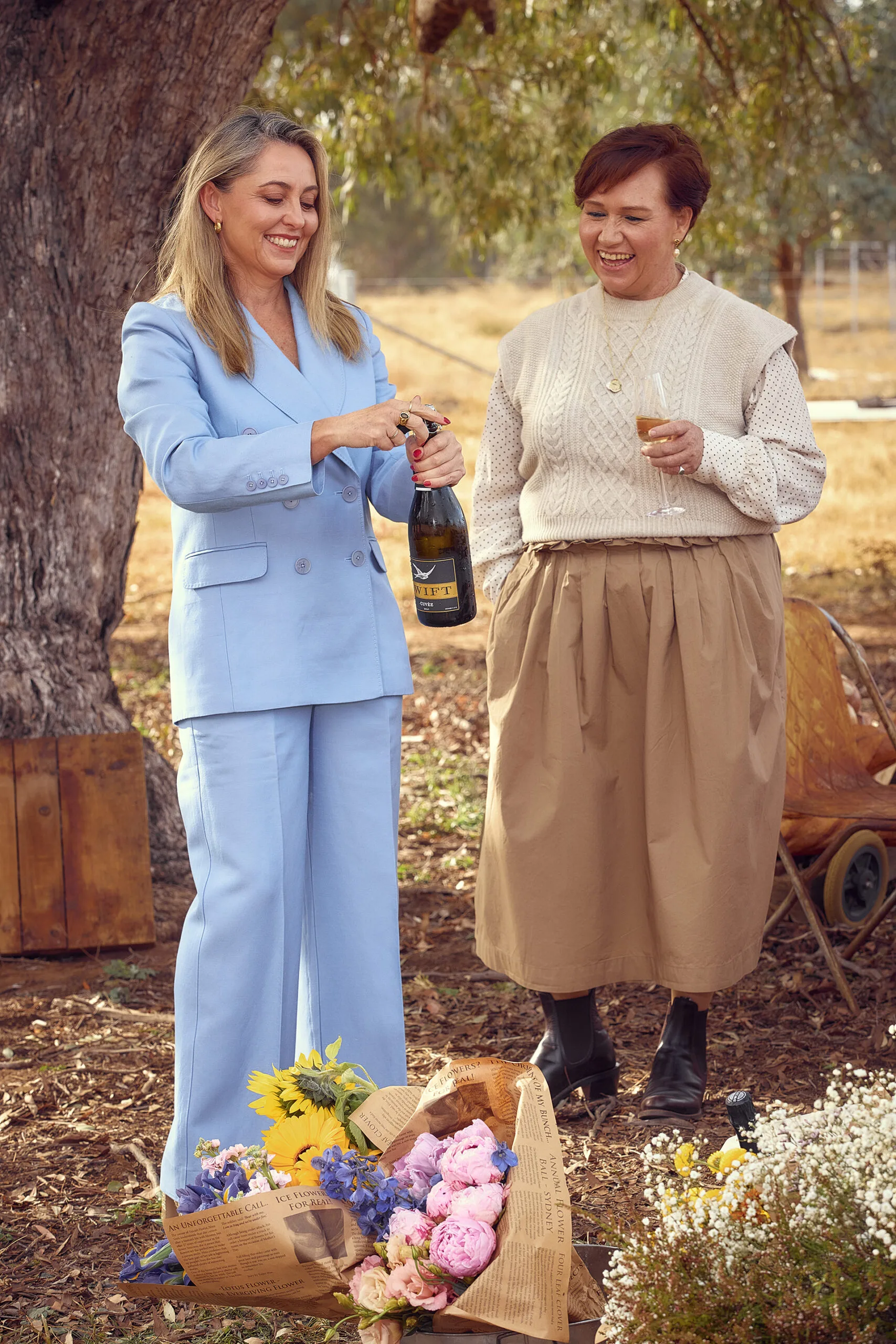
Tea is being poured, and a bottle of rosé is being uncorked. Bread and cheese are passed around. And then the conversation turns to welcomes to and acknowledgements of Country. A number of the women, particularly Edwina, are keen to better understand what these greetings, with which all Australians are familiar nowadays, truly mean.
“A Welcome to Country could be done by my dad,” Megan begins. “I can’t do a Welcome to Country because I’m not an Elder, but my father could because he’s an Elder and a traditional owner of the land.
“Those Elders really are welcoming you to their land. So, we’re at Emma’s place today. She’s met us at the door, walked us into her house and made us welcome here. When you visit our Country, we do the same. We’re welcoming you onto Country and wishing you a safe passage through.”
Acknowledgement of Country explained
One of the women is interested to know what’s going on when her kids get up and talk about Country at a school assembly, or when the cabin crew name the Country after a plane has come in to land.
“That’s an Acknowledgement of Country,” Megan explains. “They’re acknowledging that they’re on Aboriginal land – they’re paying respect.”
There’s no need to be an Elder to acknowledge Country. There’s no need to be a First Nations person at all. We can all acknowledge the land we’re on any time we choose.
“Every day, I get up and acknowledge the Country I’m on,” Megan says. “I’m just paying respect to the land because that land is giving us everything in its abundance.”
It might seem like a new idea, but “it is something that our people have been doing for tens of thousands of years,” Sharon explains. “I’m always acknowledging Country because I’m always treading lightly on Country and looking after Country.”
Treading lightly on the land
“I think it’s so lovely that all our kids learn this now,” Edwina pipes up. “There’s no question from that next generation. It’s just part of our culture, and a wonderful part.
“And I want to hear more about treading lightly on Country. That’s such a beautiful expression.”
“Yeah, isn’t it?” says Sharon. “Treading lightly on country, for me, means not picking everything from my bush fruit trees or medicine trees. You only take what you need. If we see emu eggs, we’re only taking two emu eggs, not the whole nest. We’re not killing animals for the fun of it. We’re eating animals for necessity. And if we do kill an animal, we use the whole animal. We don’t waste it. So that’s about caring and looking after Country. And I try to tread lightly on Country all the time.”
“That’s a lovely concept,” says Edwina.
“It is,” Sharon admits. “And ‘Welcome to Country’: I don’t know how three words can send people into such a spin sometimes. We’re just acknowledging that this is Aboriginal land.”
“And you know what?” Megan adds. “We’re all here together. I can’t change the past. We’ve got to look at how we can move forward. Western ways of working, Aboriginal ways of working – they can complement each other. How beautiful is that?”
This conversation took place at our Long Lunch photoshoot in the July 2026 special Rural Issue of The Australian Women’s Weekly. Subscribe so you never miss an issue.

