





WARNING: Aboriginal and Torres Strait Islander readers are advised that this story includes images and the names of Indigenous people who have died.
It is not always those at centre stage whose influence reaches farthest. There will be readers of The Weekly who might never have heard the name Rhoda Roberts, but there will be few whose lives she did not, in some way, touch.
Rhoda, whose bright, creative, generous life was ended by ovarian cancer last Saturday, is being remembered all across Australia as a powerful force for the arts, for First Nations communities, and for good.
“Rhoda, thank you so much, for everything you have created, inspired and shared,” said Prime Minister Anthony Albanese before her passing. “We honour your extraordinary career and the pathway you’ve carved for all who follow you.”
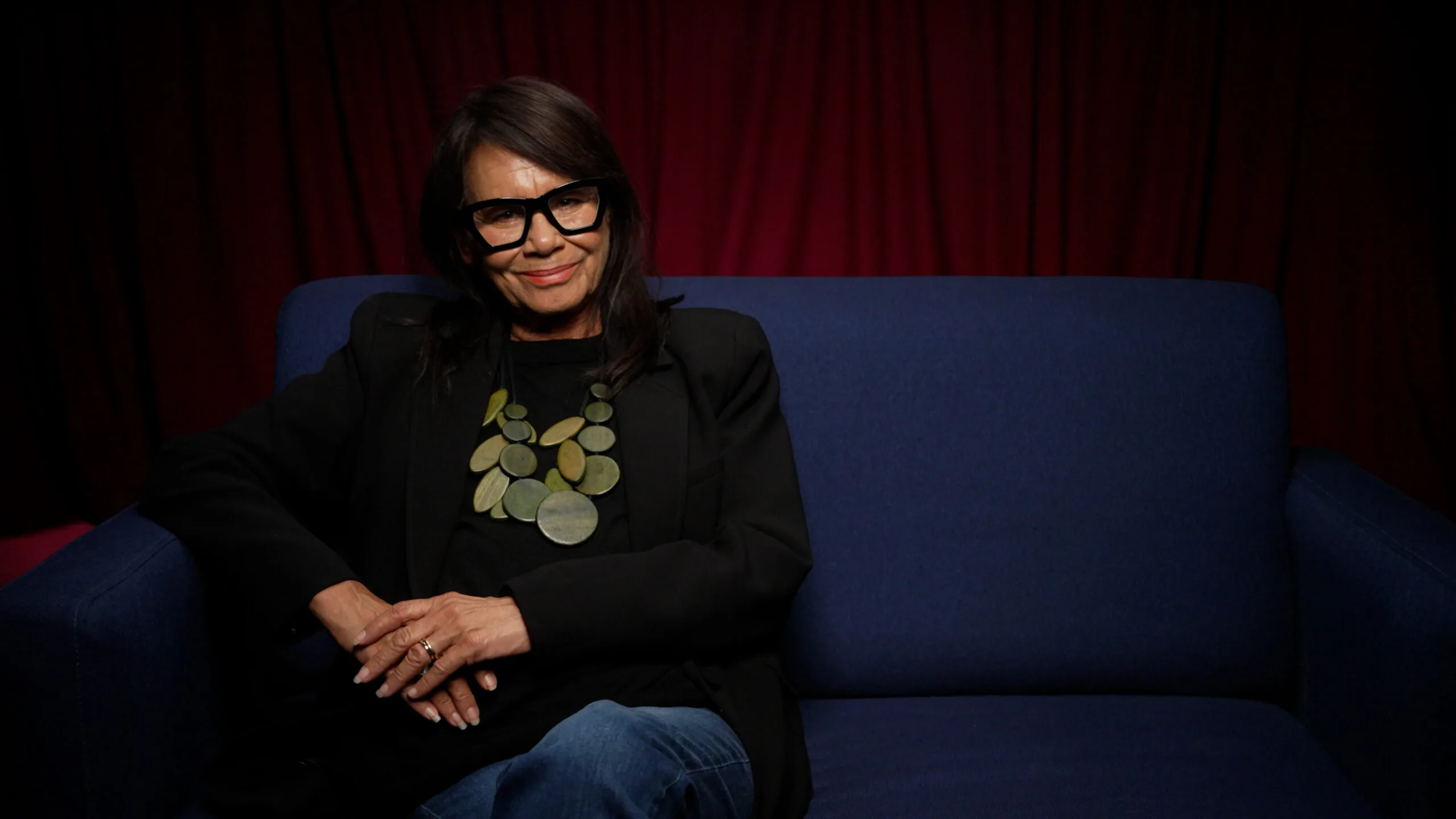
Rhoda was a mentor
Rhoda was indeed extraordinary. She was an actor, writer, storyteller and indefatigable mentor to the myriad of young creative people who crossed her path.
“What a woman! What a voice for our people, our arts and for song women and men all over the world,” Casey Donovan wrote at the time of Rhoda’s passing. “The influence Aunty Rhoda has had on me and my career over the past 25 years has been absolutely life and career changing. An extraordinary woman gone far too soon.”
Rhoda was a trailblazer
Rhoda was also a producer and director of intimate plays and immense international events, including the Awakening segment of the Sydney Olympics Opening Ceremony, the handover ceremony for the Athens Olympic Games, the opening ceremony of the Musee Du Quay Branley in Paris and the Japan Expo.
As a journalist, she was the first Aboriginal person to host a primetime current affairs program, and she was the instigator of what we now know as the ‘Welcome to Country’.
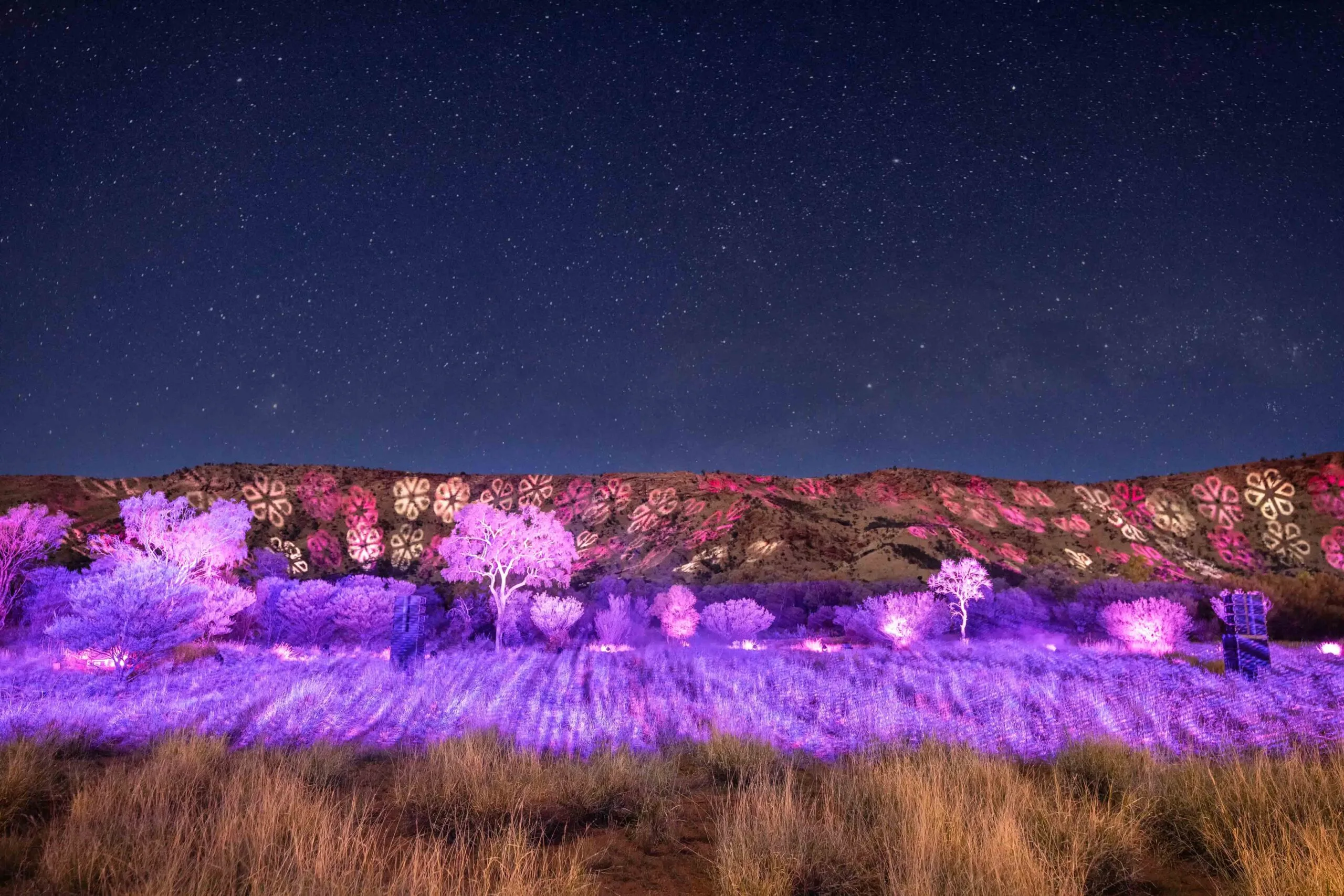
At The Weekly, we sat down with Rhoda many times – for the launch of the Partjima Festival in Alice Springs, for the anniversary of the ’67 referendum, at the Boomerang Festival in the Northern Rivers of NSW, and just to chat about her life and her family.
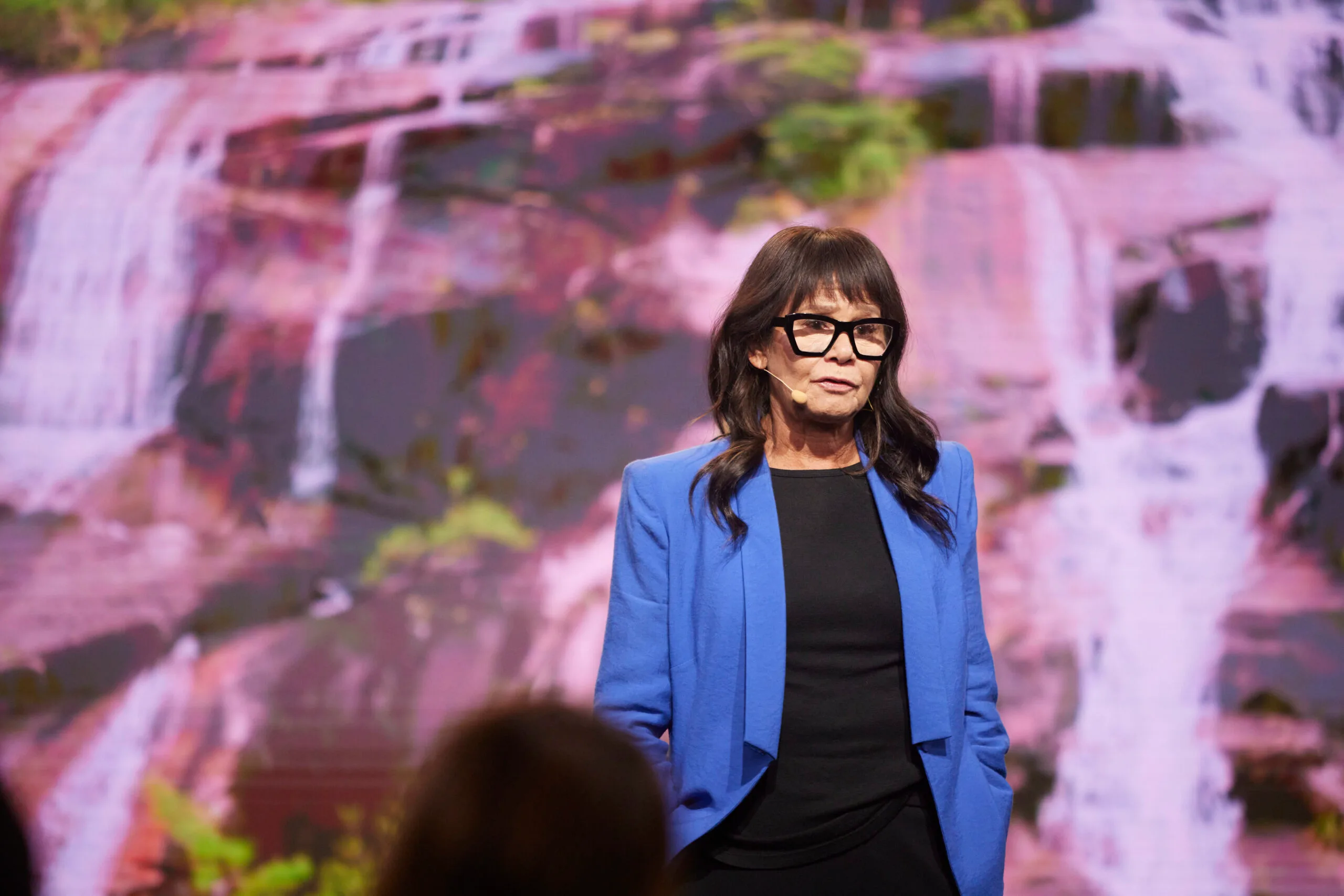
A deep family legacy
A Widjabul Wia-bal woman of the Bundjalung Nation, Rhoda was born in Sydney and raised – with her twin sister Lois and brothers Phillip and Mark – in Lismore, by Rev Frank and Muriel Roberts.
Her childhood memories are steeped in community, culture and activism.
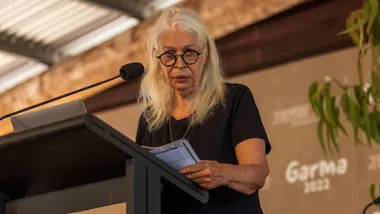
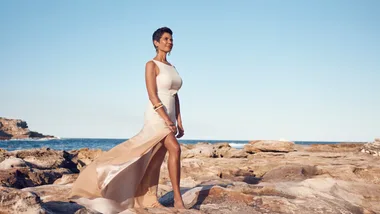
“My father didn’t speak English until he was about five,” she told The Weekly, “but he was fluent in the Widjabul language, and he grew up in a very strong political community. He went to the local mission school but only until Year Six. Most of the schools in northern NSW wouldn’t accept black people, but he used to carry around a dictionary and every week he would teach himself three words and learn to put them into conversation.”
He went on to write a Widjabul dictionary and when his children were young, he insisted they do as he had: learn three words in Widjabul each week and put them into a sentence.
Rebels and preachers
Rhoda came from generations of activists. Her grandparents had walked off the mission at Lismore in protest and, with a small group of others, created a self-sufficient Aboriginal community on Cabbage Tree Island in the Richmond River.
Her grandfather Lyall Roberts Snr was, Rhoda believed, the last fully initiated Bundjalung man. He wrote a three-point plan, which he felt the Bundjalung should live by.
“I think my father lived by that plan and I run my life by that plan too,” Rhoda told The Weekly back in 2017. The essence is: ‘Always remember your culture and your race; be proud of your language and keep it alive; and work with the new people for our future.’ We come from a legacy of incredible people.”
Inspired by Elders
Her father was a pastor. He studied theology at the Oral Roberts Academy with Rev Martin Luther King Jr. “But he also believed in our ways,” Rhoda said. And he believed in raising up his community.
“When I first heard Nelson Mandela speak,” Rhoda said, “it so reminded me of my father. He had that gentleness and he would emphasise words. He was a great pastor and a great orator. And he was very much influenced by the civil rights movement.”
Rhoda remembered “waking up in the morning and Nana Walker [the poet Kath Walker or Oodgeroo Noonuccal], Pastor Doug Nichols, Faith Bandler – all these people would be in our house.” They were architects of the resunding Yes vote in the 1967 referendum. “I remember, as child, having to fold the yellow how-to-vote leaflets for the referendum. And I remember giving them out to the community.”
Oodgeroo, who had published her first collection of poetry We Are Going in 1964 and her second The Dawn is at Hand in ’66, inspired young Rhoda. “She was this extraordinary woman and she was writing – she would read us her poetry. She was one of the first people I met who talked about culture, but not in the old way.”
At school, however, Rhoda was discouraged from pursuing a university education, so instead, she left in Year 10 to study nursing.
She graduated in 1979 and travelled the world, nursing in London, then in Italy, Greece and India.
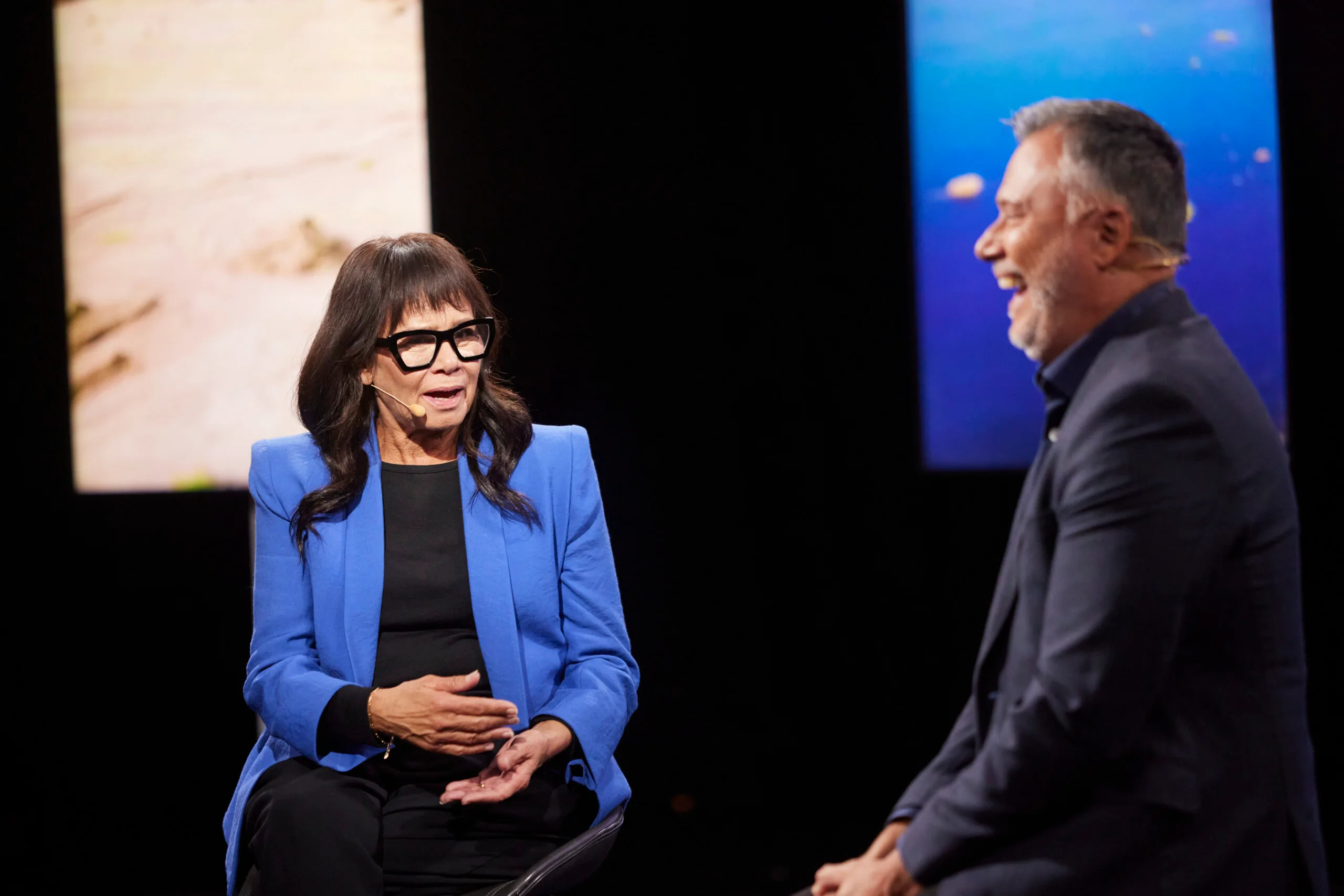
Rhoda’s first love was the arts
Back in Australia in the mid-‘80s, she became involved in theatre and the arts, studying acting and later founding the first, and hugely influential, national Aboriginal theatre company, the Aboriginal National Theatre Trust.
Journalism was also a passion. Rhoda volunteered at Radio Redfern, and then co-presented First In Line (alongside Michael Johnson) on SBS. They were the first Indigenous presenters on mainstream television. She also became the first Indigenous presenter of a prime-time current affairs program when she hosted Vox Populi.
Dipping back into her first love, theatre, she appeared in Louis Nowra’s acclaimed Radiance at the Belvoir St Theatre. And (with Gavin Jones) she established the much loved and influential Deadly Awards.
Family tragedy
Then tragedy struck. In July 1998, Rhoda’s twin sister Lois failed to return home after hitching back from the nearby town of Nimbin. Her family called the police, and Rhoda dropped everything and drove up from Sydney. The police treated them, Rhoda told The Weekly, “as nuisances”. Six months later, Lois’ body was found, murdered, in the Whian Whian State Forest. No one was charged, nor was the case ever reinvestigated. And it affected Rhoda deeply.
“I am a twin,” Rhoda told The Weekly’s Susan Chenery many years later, “and it feels like I am missing a limb. When I wake up, she is my first thought and I talk to her often. I cry and have to remind myself how lucky I am to have had that time with her.”
Rhoda raised Lois’ daughter, Emily, and went on to have two children of her own, Jack and Sarah.
The world’s great stages
Rhoda’s career was reaching dizzy heights. She was involved as a cultural adviser and creative director in many Sydney 2000 Olympic events, including the Cultural Olympiad, Festival of the Dreaming and the eight-minute Awakening segment of the Opening Ceremony. And she went on to direct other enormous events, in Australia and around the world.
Rhoda wrote and directed operas and plays, dreamed up festivals of breathtaking beauty and energy, and received an Order of Australia in 2016 for distinguished service to the performing arts, and leadership, advocacy and promotion of contemporary Indigenous culture. She was the Sydney Opera House’s inaugural Head of Indigenous Programming from 2012 to 2021, elevating and celebrating First Nations visual and performing arts at this iconic institution. And she was Elder in Residence at SBS.
A life of purpose and passion
Narelda Jacobs described Rhoda’s life as one of “purpose and passion for her people. Aunty Rhoda Roberts made us feel like we belonged. Whether it was being Welcomed to Country or Calling Country, she created nation building moments for cultural expression and connection.
“I will forever cherish the yarns we had on camera, backstage, in a podcast studio, around a campfire, on a festival ground, in a boardroom. She told me reaching aunty status was worth more than her AO. Aunty Rhoda was the same with everyone she met. Generous with her wisdom, compassion and time. A conversation with aunt brought you closer to the ancestors and now she’s taken her place in the Dreamtime. Thank you Aunty Rhoda for showing us how to dream big and lead with a heart full of love. Your legacy lives on.”
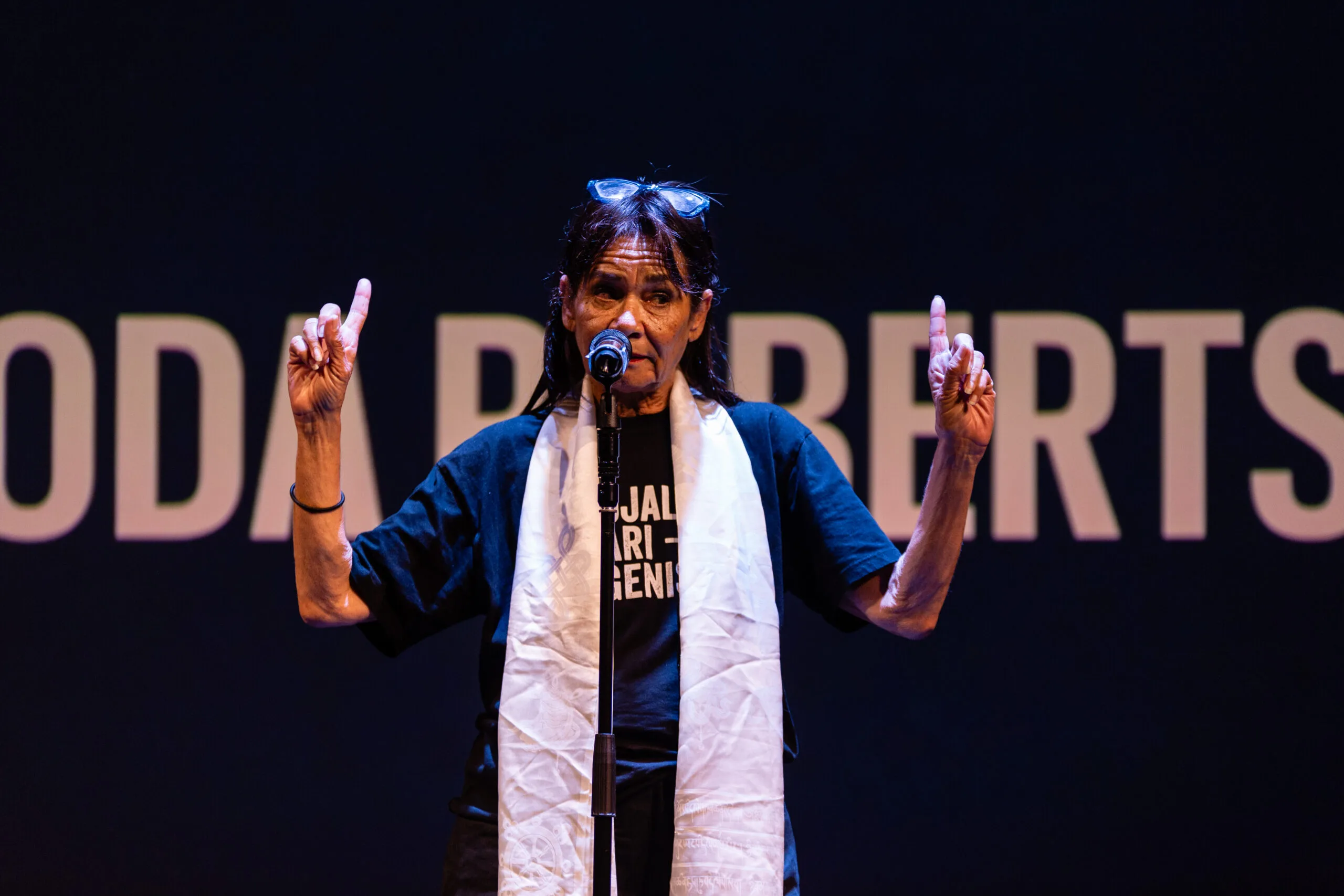
Rhoda’s final production was My Cousin Frank, a one-woman show about her cousin, Frank Roberts, Australia’s first Aboriginal Olympian. She performed it at the Sydney Opera House last year.
“Rhoda Roberts AO did not just change institutions,” John-Paul Janke wrote for SBS. “She changed people. She changed what was considered impossible. And in doing so, she helped Australia move closer to seeing itself clearly. Her legacy lives on in the artists she championed, the stories she protected, and the cultural spaces she reshaped forever.”
Rhoda Roberts AO is survived by her partner Stephen, her children, Jack and Sarah, and Emily.

