




At a glance…
- Alone Australia is back for a fourth season, this time to the Arctic Circle.
- The Weekly speaks with Sia Kindberg, a “Thai-born, Sweden-raised powerhouse.”
- The single mother of two girls is an ultra marathon running and overcame poverty in childhood, and has the mental fortitude to withstand the competition.
- Watch Alone Australia on Wednesdays at 7.30 pm on SBS and SBS On Demand.
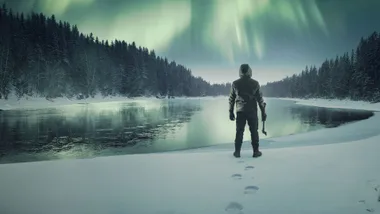
“Winter is coming.” The iconic line from George R. R. Martin’s Game of Thrones blazes across the opening titles of season four of Alone Australia as the visual zooms from Australia across the globe to the Sápmi region of Finland in the Arctic Circle.
Wolves, wolverines, bears, and temperatures plummeting to 50 degrees below zero are waiting for the contestants. But on day one, it’s a much more friendly four degrees.
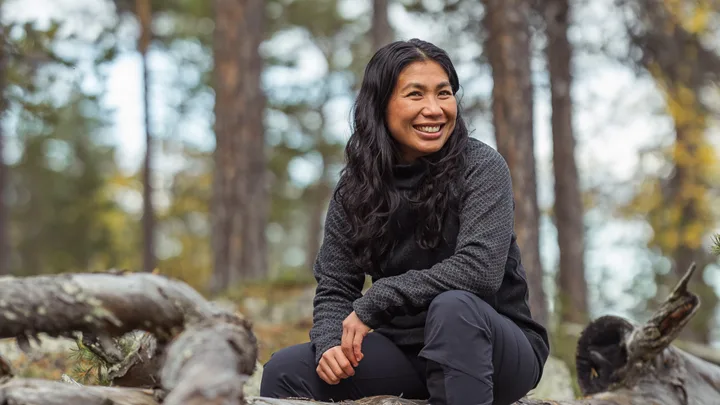
“In this environment, the smallest mistake can be fatal,” says Sia Kindberg, 44, a design project consultant and ultramarathon runner in the opening sequence. And she would know, as unlike many of the contestants, this region is not new to her.
Born in Thailand in 1981, Sia moved to Sweden at eight years of age. After coming to Australia as a backpacker in 2003, she fell in love with the country, its landscapes and lifestyle and decided to stay. Today, she is an ultra-marathon runner with over 50 races to her name. She ran the Ice Ultra – which takes place in the Swedish Arctic Circle in 2024 in memory of two friends who died from cancer and to raise funds for her childhood school in Thailand. She knows hardship in every meaning of the word.
“I learned to be adaptable,” she says in the first episode, sharing that she grew up in poverty. “I know how to push myself. I always get broken, but you get to rebuild a new version of you, a stronger version of you.”
Ahead of the premiere of season four of Alone Australia, I spoke with Sia over the phone about her experience. In a way, it’s almost as if this season was made for her.
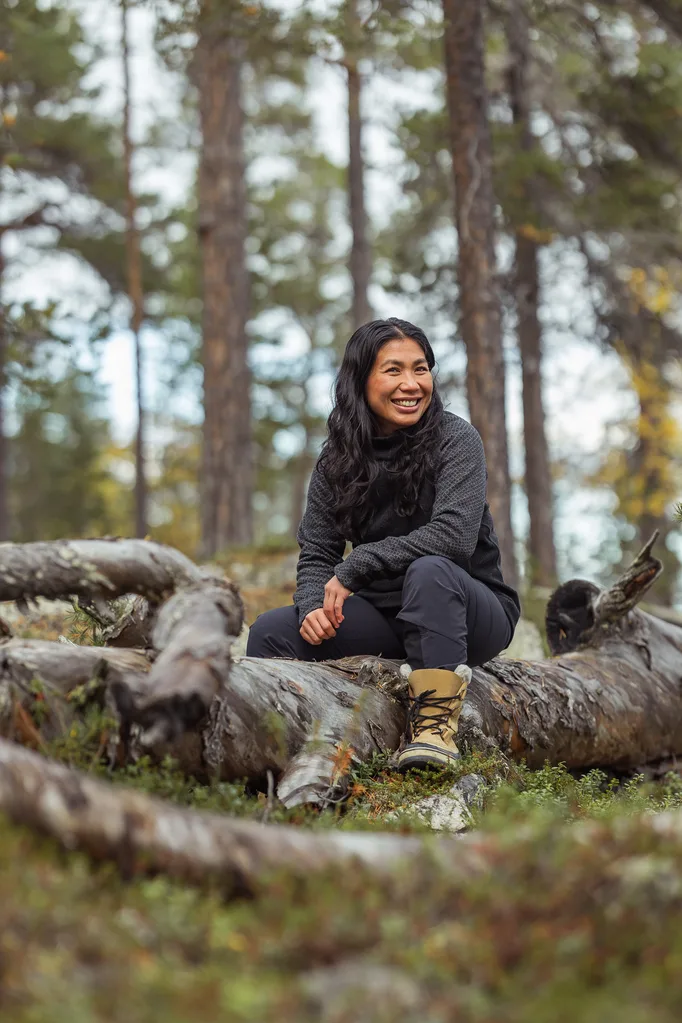
“It’s all about luck really,” she tells me of the coincidences of the setting and her background.
“Cold training as a kid helped me know how to manage sweat and how to layer my gear and also to be able to read the season. So, I was able to predict when we would ice and all that. And obviously be able to identify the plant because I grew up in those areas. That was a big relief, to be honest.”
Of all the contestants braving the Arctic Circle for their chance at $250,000, hers was the story that intrigued me most.
The 44-year-old single mother of two shared that her biggest hesitation about joining the SBS series wasn’t the freezing conditions or the isolation. Instead, it was putting her career on hold and wondering how stepping into the public eye might affect her family.
“I worked really hard for my career,” she says. “I was really nervous about how that was going to affect me as a working mum, single mum with single income.”
“And being a mom, I always worry about what my reputation would be to take on something like this and potentially become a public person, and how could that affect my girls.”
But despite those concerns, Sia wanted her daughters to see that life shouldn’t be dictated by fear or by other people’s expectations.
“I really hope that when they watch and see me, they see a woman who has got the courage to live life just the way she wants to live and not what society is expecting her to live,” she tells me.
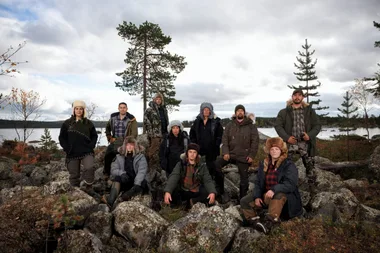
It’s an epic challenge. Contestants are dropped in a secluded location with access to 10 items (plus 40 kilos of camera equipment) with only a walkie-talkie to communicate with the extraction team in case of emergencies or to tap out. The only food they eat, they have to forage, hunt, or fish for. The only shelter is one they built. And the only company is their own.
But being by herself didn’t affect Sia in the same way it affected others – it’s often the reason people tap out.
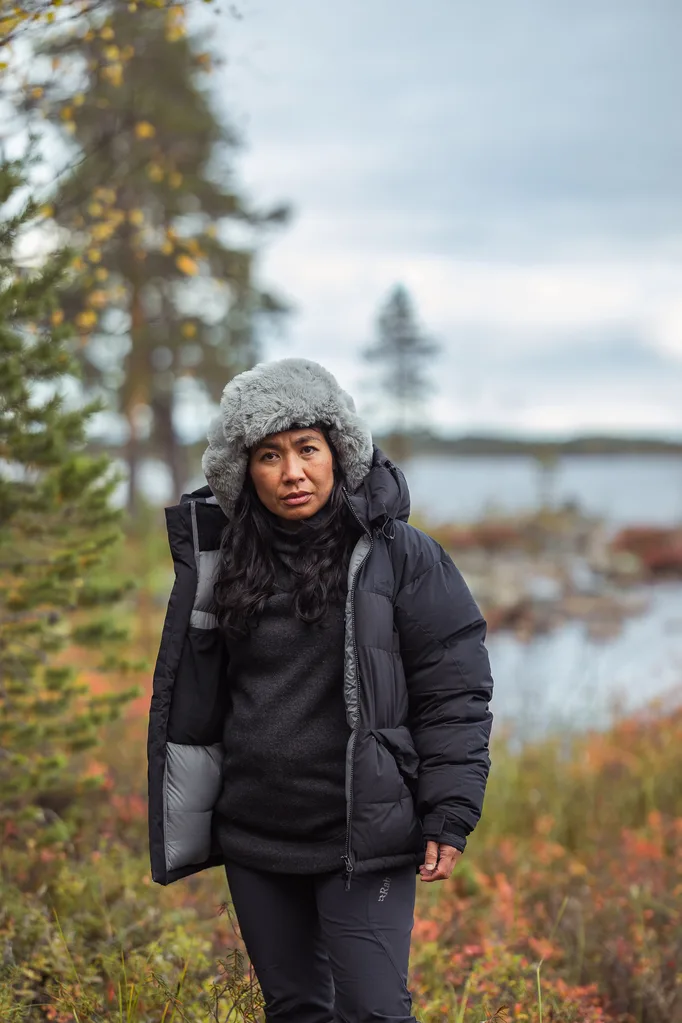
“I’ve been really lucky because my races require me to be in my head for a very long time,” she tells me. “It surprised me how comfortable I was, to be honest.”
Despite that mental fortitude, Sia did put in the training to get ready for the challenge – which she started doing immediately after returning from an ultramarathon in the desert. But it was a different kind of training than you might expect.
“I had actually lost a lot of weight due to that race, so for me it was gaining weight,” she says. “First, I stopped doing strength training; I actually had to start running completely and just sat on my sofa and ate and ate and ate and ate.”
Contestants often aim to gain weight before entering the challenge to stave off starvation.
“It was really challenging for me because exercise is a way for me to escape. It’s my own time. Going from training twice a day to just sitting on the couch eating doughnuts was challenging. Exercise is so vital for my mental health; it was so different to how I would normally get myself ready for a challenge.”
But Sia wasn’t relying only on her stored weight to keep her going on Alone Australia. She had to fish and forage in Thailand as a child in order to survive. She never expected her history would be an advantage on a reality television series, but it’s also something that she used to never speak about.
“My last name is a Swedish name, so people just assume I had a privileged upbringing,” she shares. “And I did go to a boarding school there, but I put my time in Thailand to the back of my mind.”
There was some shame attached to her childhood, which she’s only coming to terms with now.
“I never spoke to anyone about my childhood in Thailand, about how tough it was,” she admits. “I don’t think I ever really gave myself credit for what I’ve achieved and what I’ve done, how I’ve overcome so much until this show.”
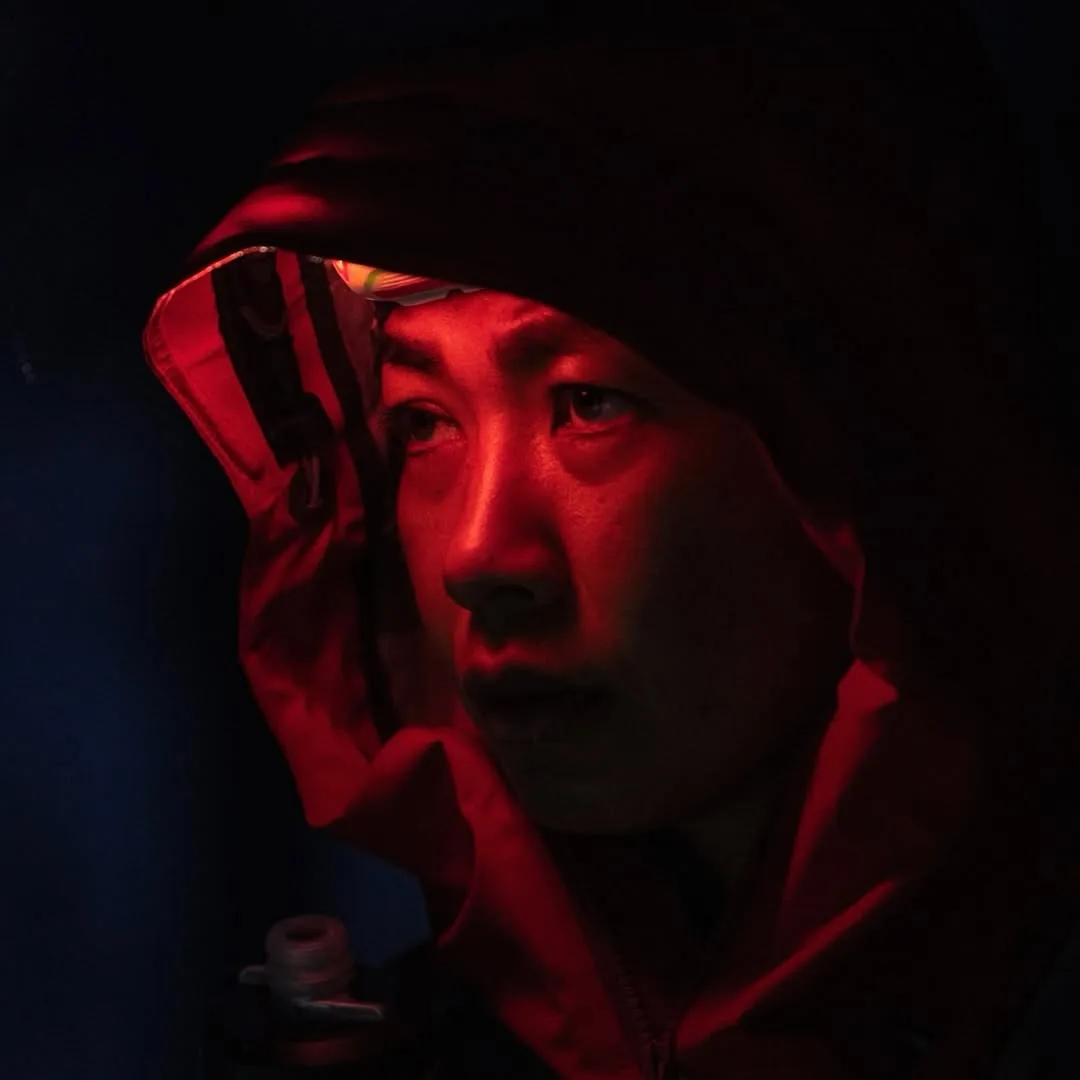
Sia is also clearly a very proud and confident person and didn’t want to use her history for sympathy.
“I always try to make everything fair so in my work – which is very male-dominated – I never wanted to pull that card to make people feel sorry for me and give me opportunity just because I had a rough childhood.”
“So I never brought up my upbringing, even to my girls. We only started talking about it now when SBS announced it on my profile.”
My mother grew up in The Troubles in Northern Ireland, and I tell Sia that she also never spoke much about what she went through. It wasn’t until we were stuck on a ship cruising around the North Sea that she finally opened up about that time in her life.
“I think people need time to heal and reflect,” she responds. “To be honest, I do think that my time on Alone has really opened up doors for me to really heal.”
Sia’s background influenced not just her outlook on the series,m but in life. Like herself, her circle of friends is likewise international. Besides her daughters, they are her strength, her “United Nations of Friends”.
“My life here is very multicultural, and that reflects who I am,” she tells me. “I think that is what living in different countries has affected me. I’m more willing to get to know people and give them a chance.”
She also shares that her life’s experience gives her empathy towards strangers and how that encourages her to “collect” new friends.
“I know how it feels to be an outsider, how it feels to move somewhere and have no one. So if I see someone that is left out or alone, I bring my friends and bring people together.”
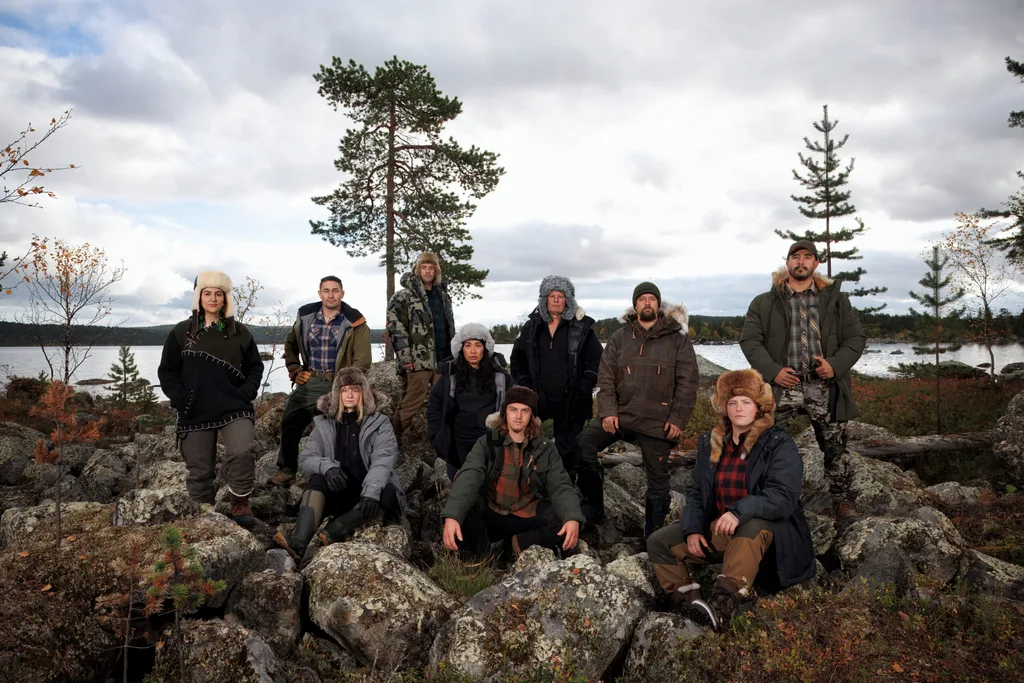
As someone who also emigrated from the other side of the planet, her worldview resonates with me. My family here are my found or chosen family as well, collected from various jobs, clubs, and life experiences and in some ways, they are closer than blood.
“My friends chose to be here, just like me; we chose Australia,” Sia agrees. “We become the most loyal friends because we don’t have any family here. We are family.”
Ever the person not to be traditional, as a Thai-Swedish-Australian single mother of two, Sia hopes she can be an example for others who don’t want to live the life that society expects of them.
“If they see a little person like me and think ‘If that person can do that, I could do it too,’ she says. “If I could inspire just one person, I’d be happy.”
But more than that, she wants to live her life and gives others permission to do the same.
“I’ve always lived life just the way I want,” she says. “Like running ultra marathons in my little mini skirts or shorts in my 40s, running with snowshoes on a beach to practice for the Ice Ultra. People laugh and point, and men have thrown bottles at me, and it is daunting, it is scarring, but I’ve always stuck with what I really want to do.”
“It’s not easy,” she adds. “It would be easier to give in to the fear. But when I picture myself on my deathbed, I hope that when I look back at my life, I can be proud of myself and the life I lived and didn’t give in to fear.”
Watch Alone Australia on Wednesdays at 7.30 pm AEST on SBS and SBS On Demand.

